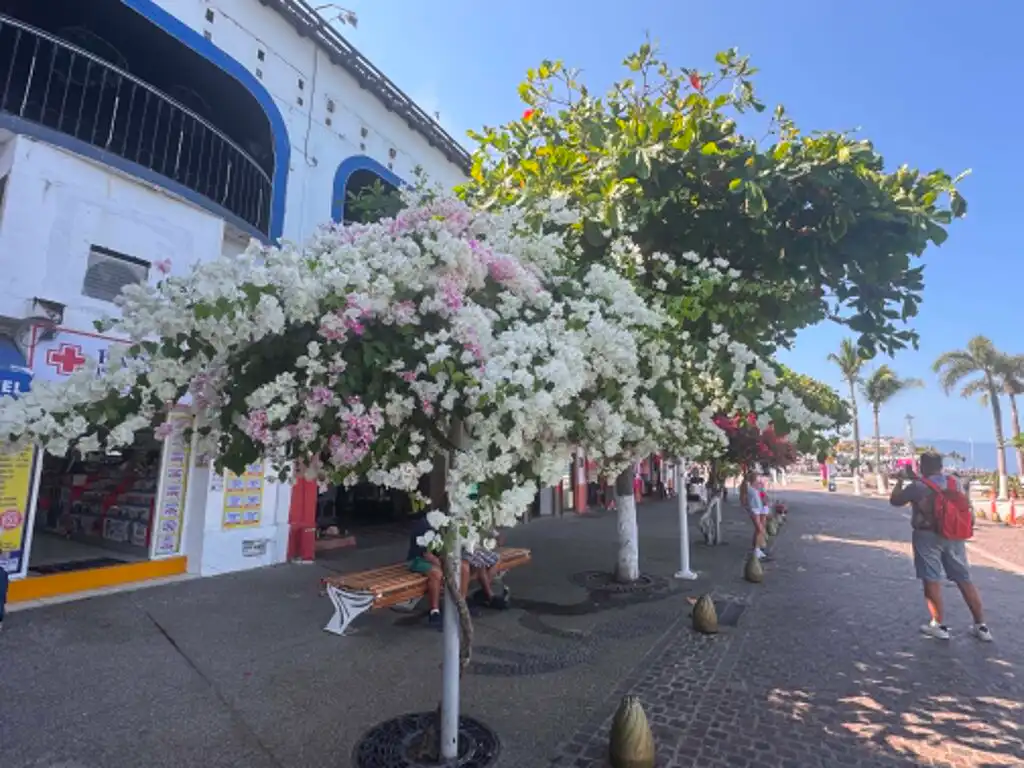
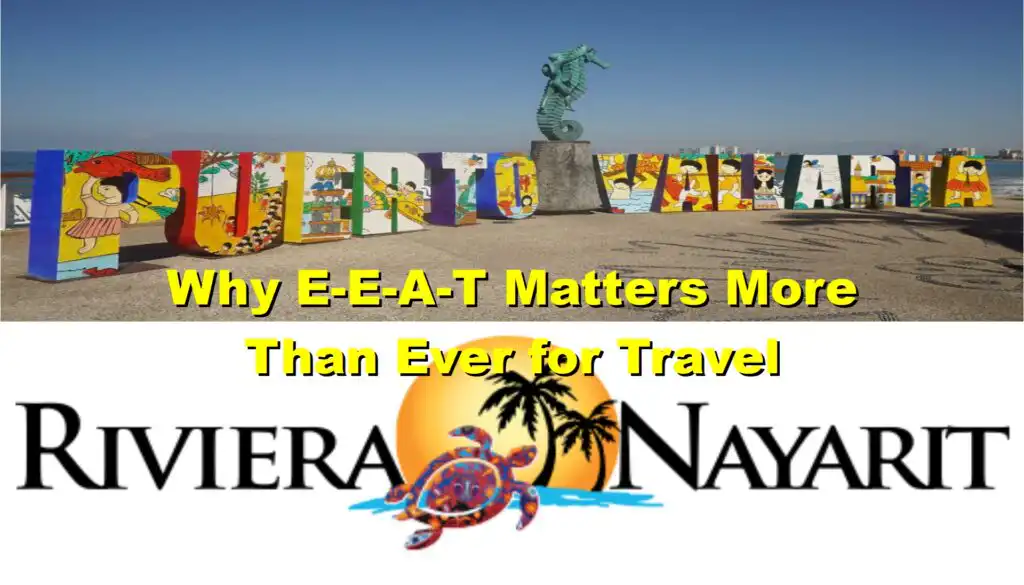
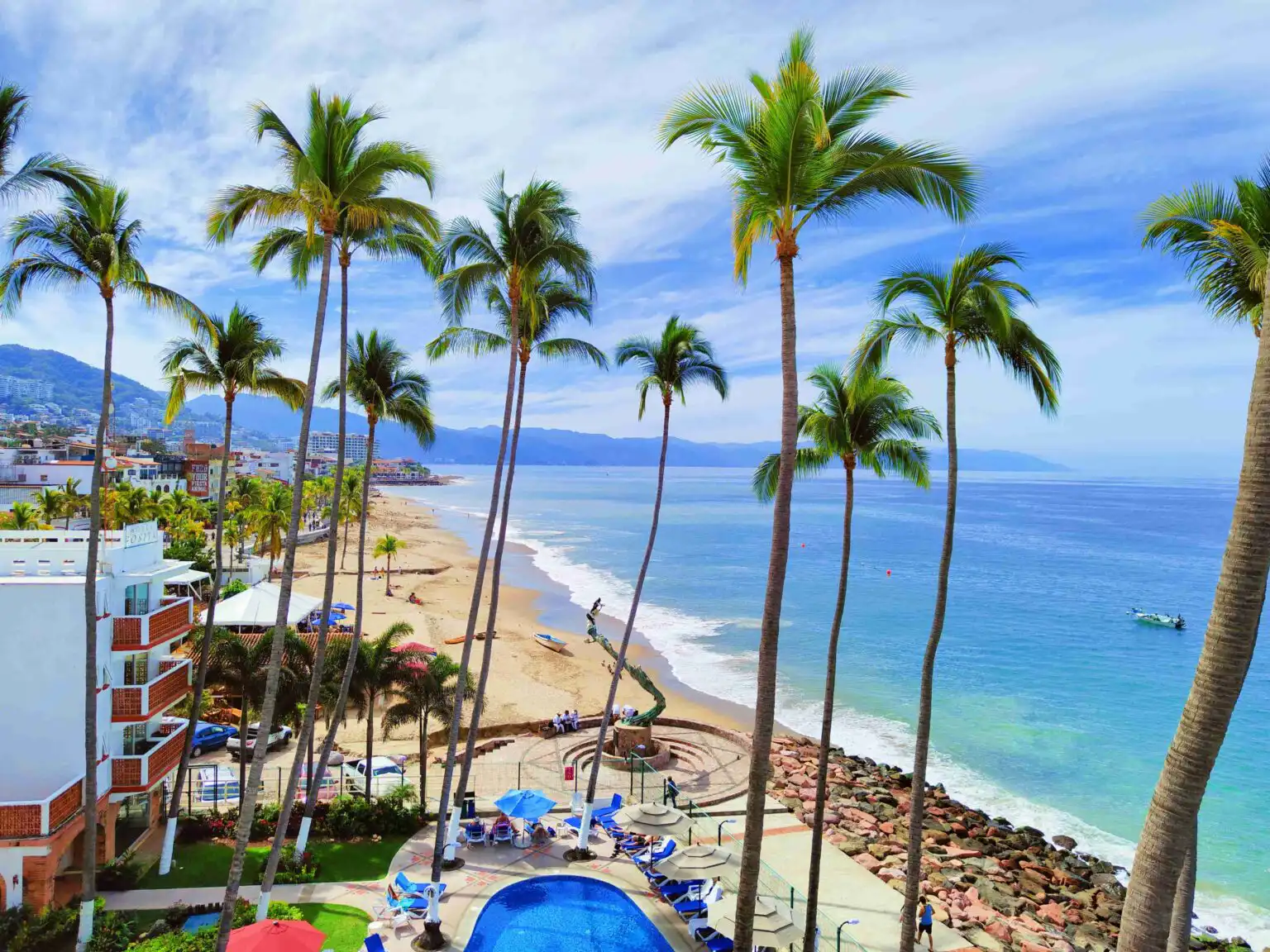
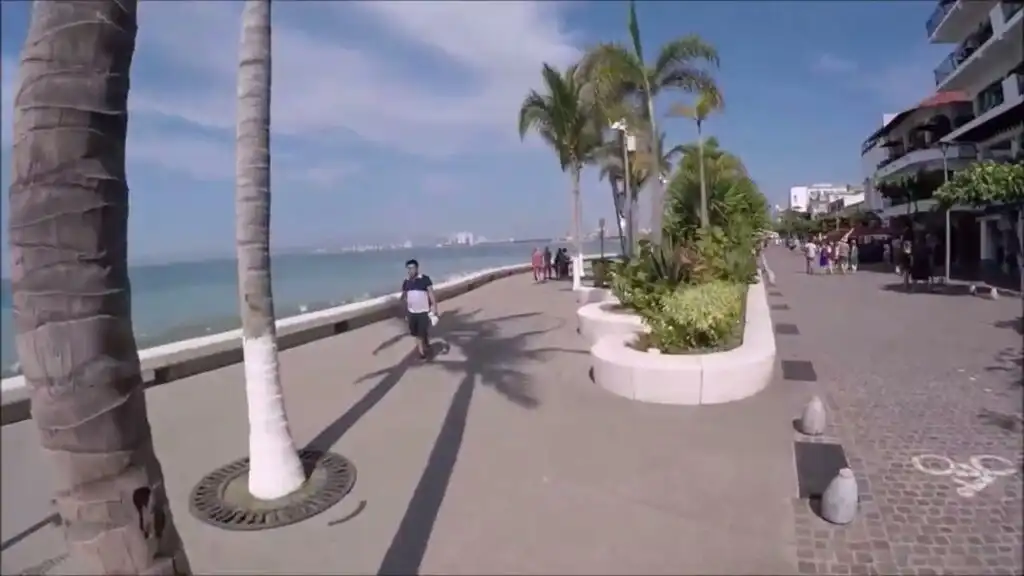
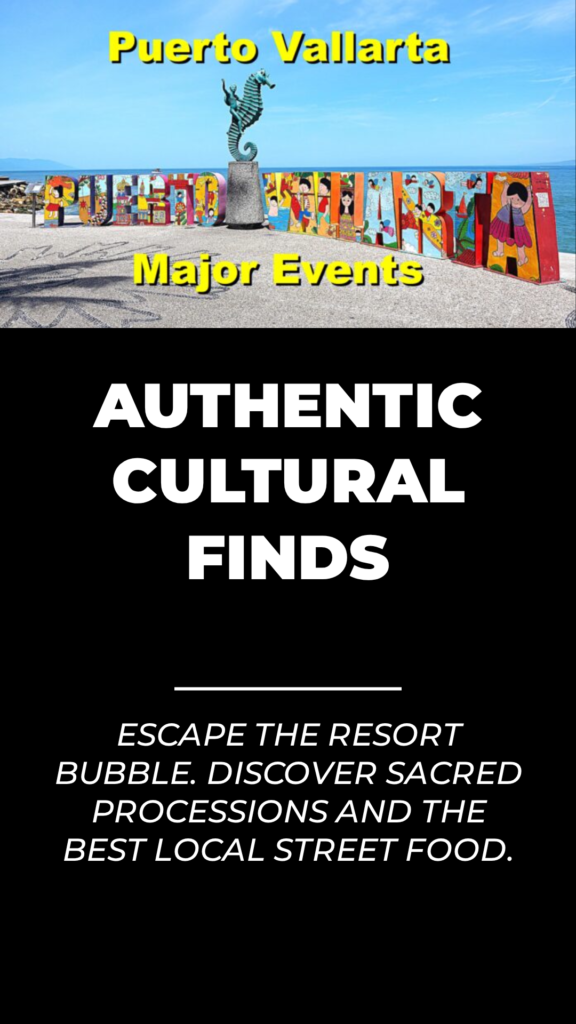
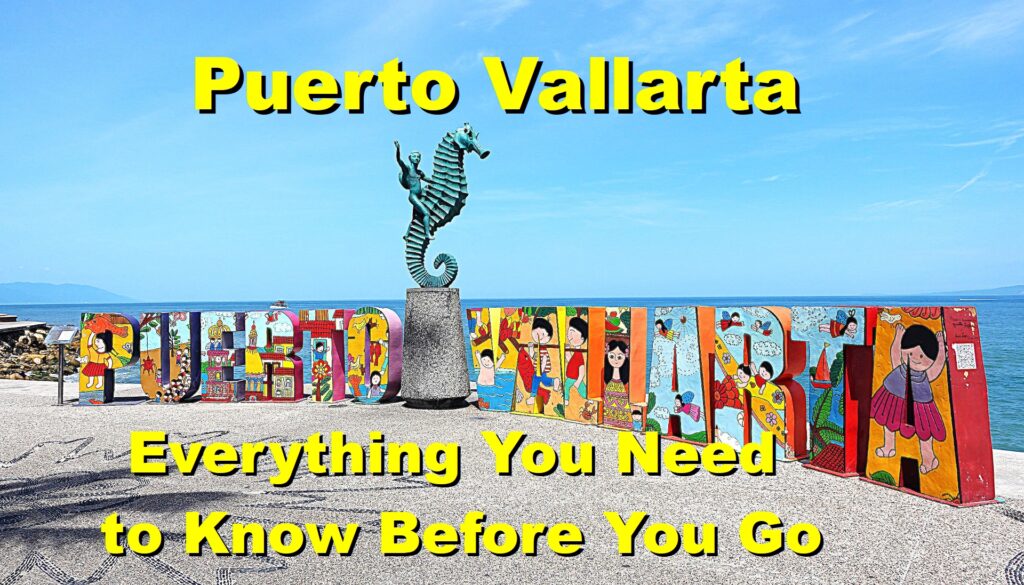
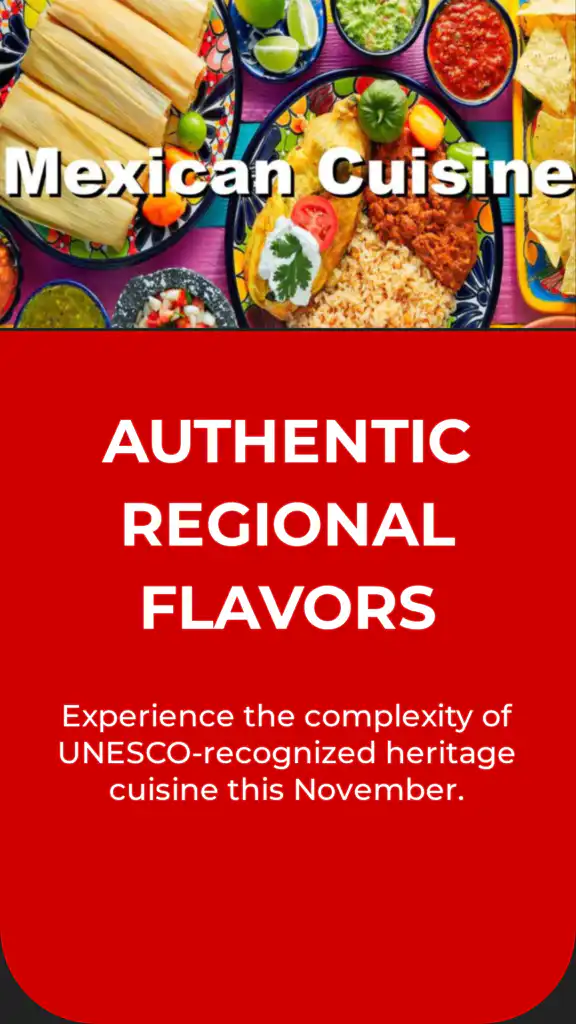
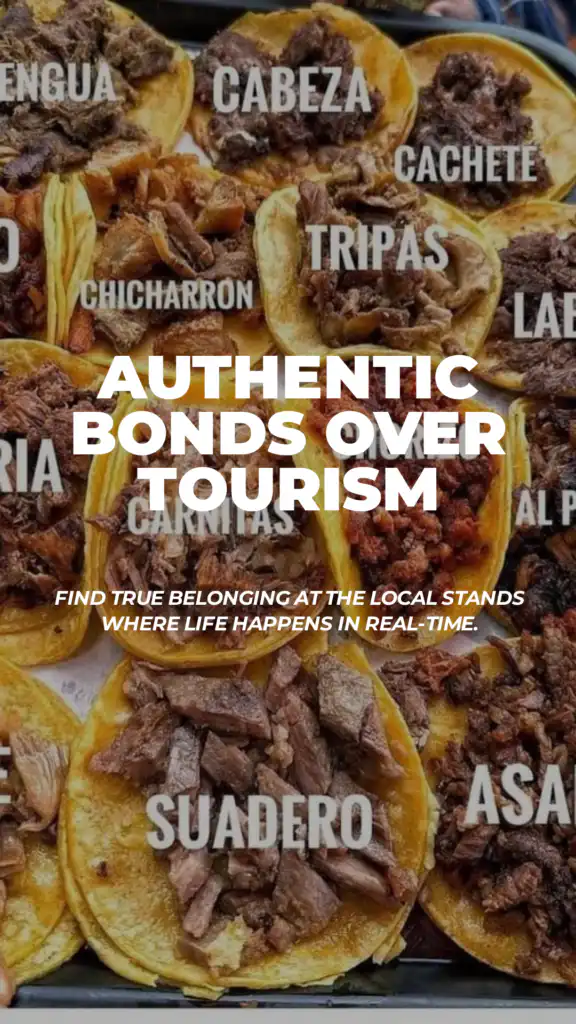
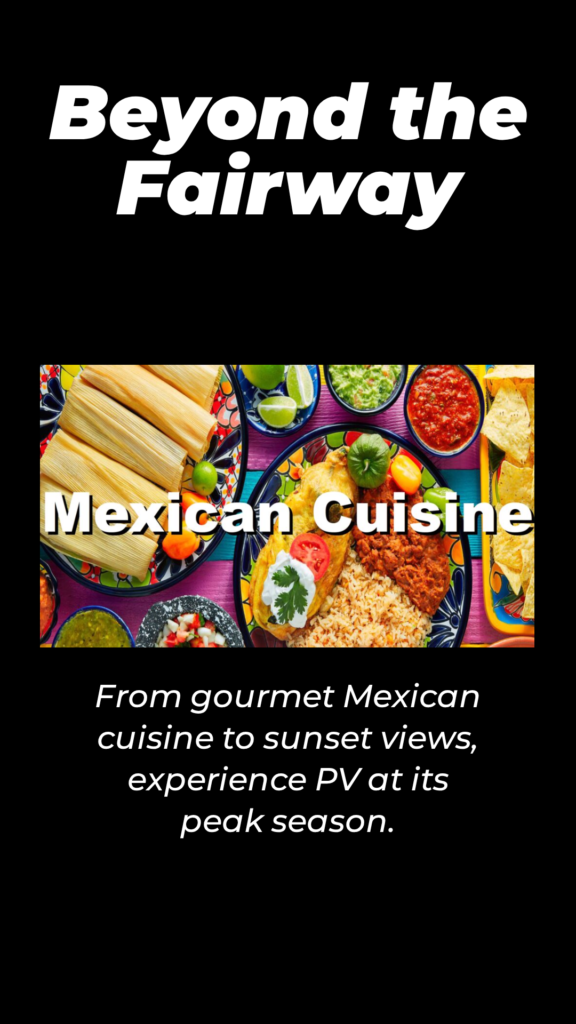
Saturday Stroll the Malecón Puerto Vallarta. There is no better way to start a Saturday in Puerto Vallarta than a morning walk along the iconic Malecón. The ocean breeze, crashing waves, and vibrant sculptures set the tone as the city slowly comes to life. Street performers and local artists add color and energy to every step, making the walk just as exciting as the destination.
Saturday Stroll the Malecón Puerto VallartaTravel Guide Video Review
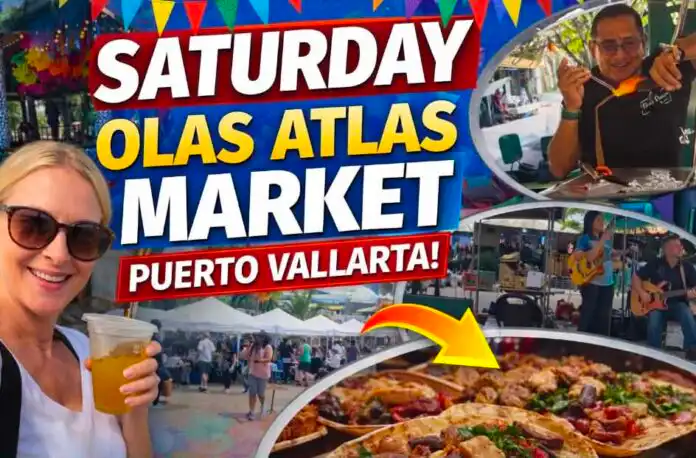
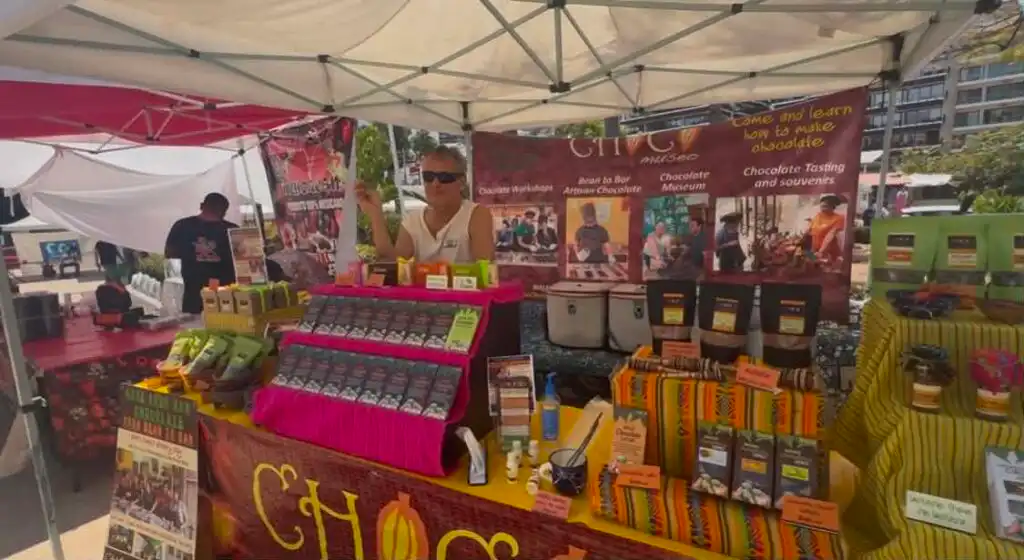
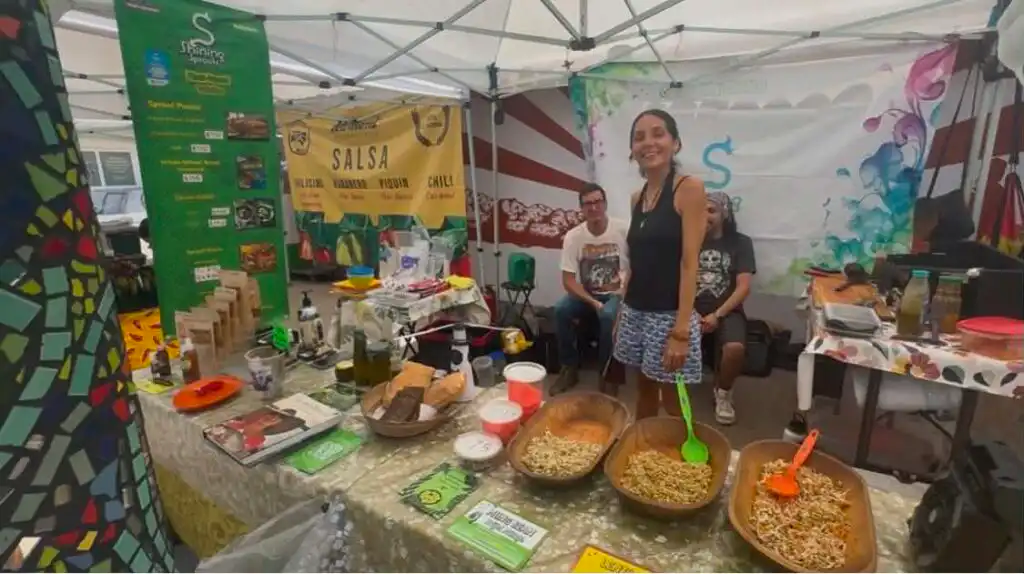
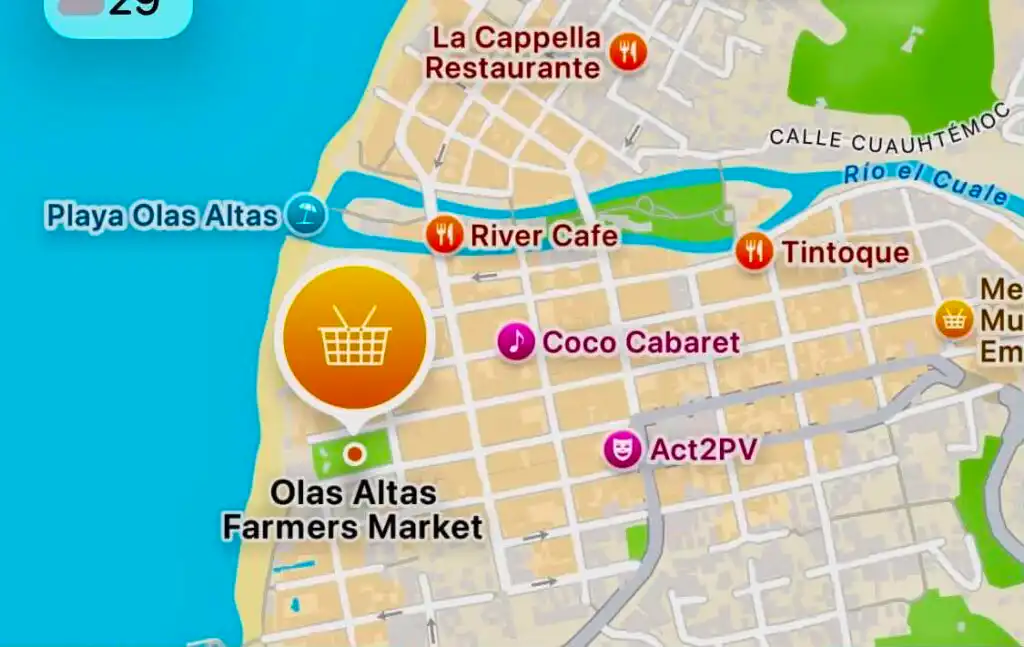
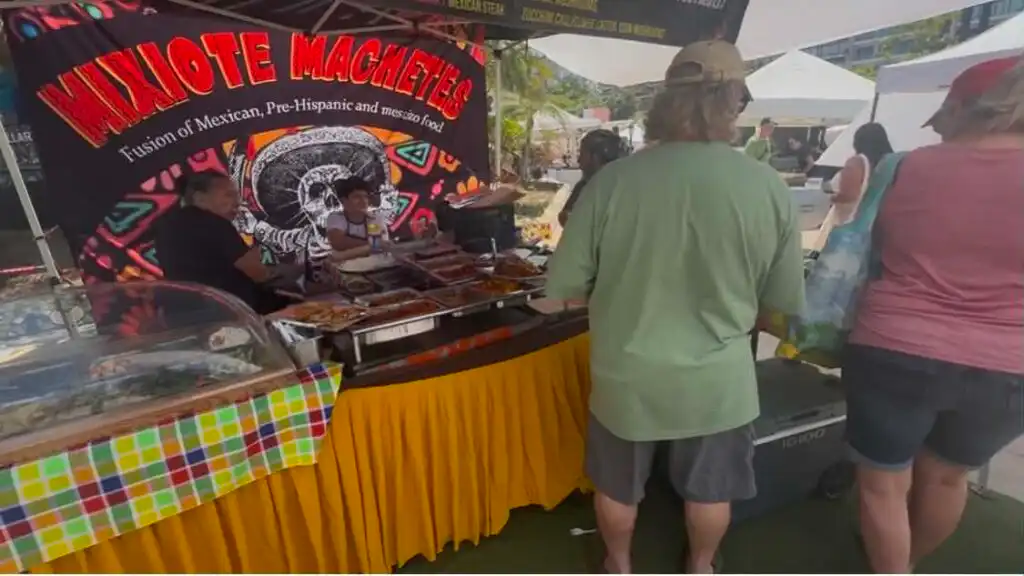
As we head south into the Zona Romántica, we arrive at the lively Olas Altas Saturday Market a true local gem. The market is buzzing with vendors offering handcrafted goods, unique art, and an incredible selection of fresh artisan foods. From homemade salsas and baked breads to international flavors like paella, Thai dishes, tacos, empanadas, and more there is something here for everyone.
Saturday Stroll the Malecón Puerto Vallarta
Live music fills the air, creating the perfect laid-back vibe as you wander, snack, and soak it all in. Whether you’re here for the food, the crafts, or just the atmosphere, this Saturday tradition is a must-do experience in Puerto Vallarta.
Puerto Vallarta is not about perfection, it is about connection. At PromovisionPV.com, our goal is to help travelers avoid generic experiences and discover the city as it truly exists.
PromovisionPV emphasizes that Puerto Vallarta is more than just a beach town. Neighborhood reviews and local advice are highly valued because they help travelers avoid tourist traps. Practical Q&A format makes the guide stand out, it directly addresses the most common visitor concerns.
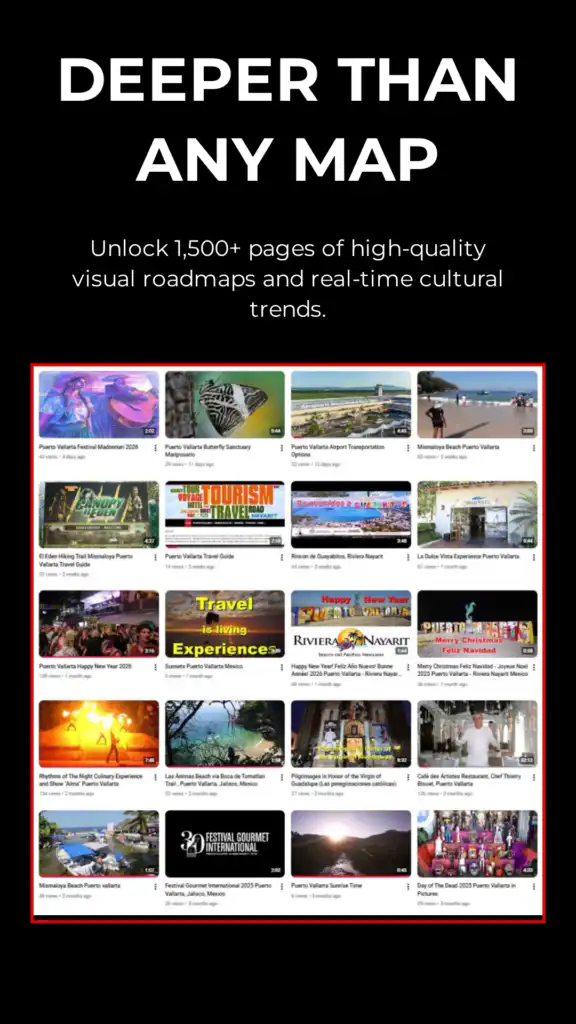
Search on PromovisionPV.com Travel Guide https://promovisionpv.com/search-on-promovisionpv-com-travel-guide/ Use the Search Bar and look on 1,500 Pages Somethings you may not know about Puerto Vallarta, Riviera Nayarit and Mexico. archives Puerto Vallarta, arts, Bucerias, Cirque du Soleil, Costa Alegre, culture, destination wedding, events, events schedule, gastronomy, gay pv, gay vallarta, informations, insurance, Jalisco, lgbtq, medical care, mexican food, Nayarit, news, Nuevo Nayarit, Punta Mita, Rincon de Guayabitos, safety, San Blas, San Pancho, Sayulita, See more
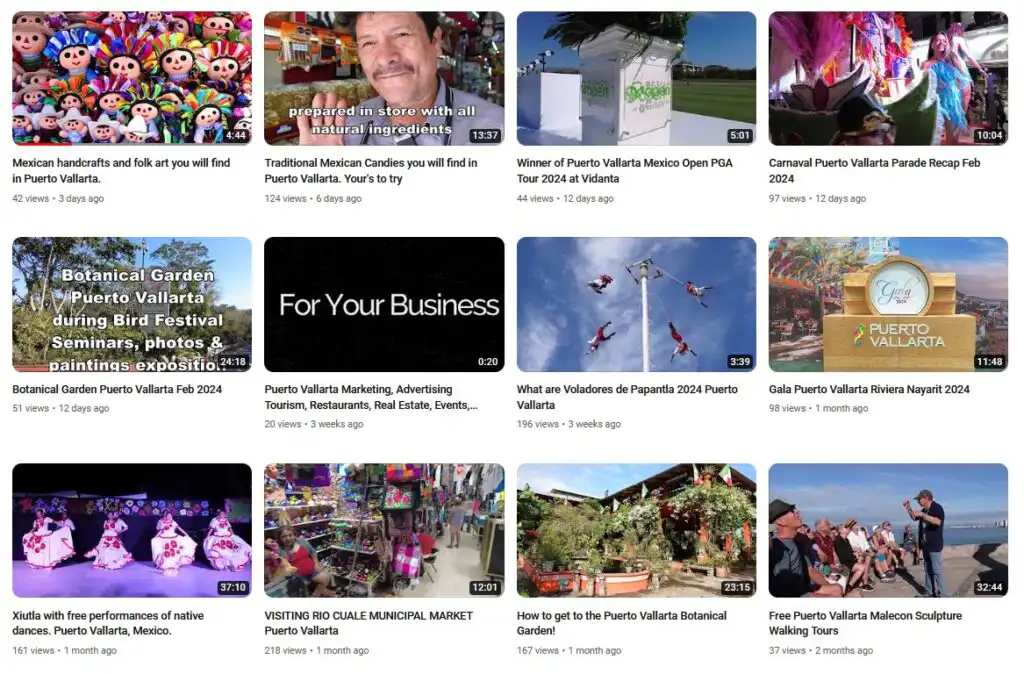
We provide information and resources for visitors to Puerto Vallarta, areas of The Riviera Nayarit and other destinations in both states of Jalisco and Nayarit . You will find variety of content, including articles, blog posts, videos, photos, descriptions and interviews, all of which are designed to help visitors plan their trip, including attractions, restaurants, and events. Follow: https://promovisionpv.com/
Winter escapes in Mexico for 2026-2027 are moving away from traditional “fly-and-flop” vacations toward intentional immersion, wellness, and skill-based travel. With Mexico projected to become one of the world’s top five most-visited destinations, the trends for the 2026-2027 winter season reflect a desire for authenticity and “earned” experiences.
General Trends for Winter 2026 The “Sight-Doing” Movement: 79% of travelers now prioritize learning a local skill (like a tortilla-making class in Mexico City or silver-working in Taxco) over passive sightseeing.
AI Concierges: Search interest in “AI travel assistants” has spiked by 350%. Travelers are using AI to build hyper-personalized itineraries for the 2026 season.
Winter Escapes in Mexico
Slow Travel: A shift toward staying longer in one place (3–4 day extensions) to “live like a local” is the new standard for winter sun-seekers. Trends by Traveler Segment. Top Sunny Destinations for Winter 2026
Winter Escapes Puerto Vallarta & Riviera Nayarit
Every winter, the waters of Banderas Bay transform into one of the most spectacular wildlife viewing destinations in the world. From December through March, humpback whales migrate to the warm waters off Puerto Vallarta and Riviera Nayarit, making whale watching one of the most sought-after experiences for winter travelers.
Winter Escapes in Mexico
If you are planning a winter escape, this guide covers everything you need to know: when to go, best tours, pricing, and expert tips.
The Ultimate 2026-2027 Pages for Travelers, Snowbirds, Families & Luxury Seekers
Introduction: Why Puerto Vallarta & Riviera Nayarit Dominate Winter Travel
When winter sets in across North America and Europe, travelers increasingly look south not just for warmth, but for a complete lifestyle experience. Few destinations deliver this as effectively as Puerto Vallarta and Riviera Nayarit.
This region has evolved from a traditional beach destination into a multi-segment, experience-driven tourism ecosystem, serving: Solo travelers seeking connection and flexibility Families looking for convenience and value Retirees pursuing long-stay lifestyles Luxury travelers demanding privacy and exclusivity
In Puerto Vallarta and Riviera Nayarit, this translates into: Malecón walking tours Sierra Madre eco-adventures Farm-to-table dining Ocean-based excursions
Puerto Vallarta experiences Riviera Nayarit activities Things to do in Puerto Vallarta winter Whale watching Puerto Vallarta
2- Warm-Weather Escapes Are the #1 Winter Driver
Mexico ranks among the top global winter escape destinations due to: Proximity to U.S. and Canada Direct flights into Licenciado Gustavo Díaz Ordaz International Airport Competitive pricing vs Caribbean
Puerto Vallarta Luxury Villas Punta Mita Private Villas Riviera Nayarit Luxury Resorts
Adventure & Experience Travelers
What They Want: Nature Authenticity Unique activities
Experiences: Whale watching (Dec–March) Surfing in Sayulita Jungle excursions
Adventure Puerto Vallarta Eco Tourism Riviera Nayarit
Top Winter Experiences That Drive Bookings Whale Watching (Peak Seasonal Driver) One of the strongest winter conversion triggers. Season: December–March Location: Banderas Bay
Key zones: Nuevo Vallarta Bucerías Punta Mita Sayulita
Content you will find in promovisionpv.com Puerto Vallarta winter travel Riviera Nayarit vacation mexico winter escape Puerto Vallarta travel guide things to do Puerto Vallarta winter Riviera Nayarit resorts Puerto Vallarta whale watching Best beaches Puerto Vallarta Best time to visit Puerto Vallarta winter Puerto Vallarta snowbird rentals 2026 family friendly resorts Riviera Nayarit luxury villas Punta Mita mexico
Puerto Vallarta Whale Watching Guide
Best Luxury Villas in Punta Mita
Snowbird Rentals in Puerto Vallarta
Family Resorts Riviera Nayarit
Solo Travel Guide Puerto Vallarta
Things to Do in Puerto Vallarta Winter
Best Beaches Riviera Nayarit
Cost of Living Puerto Vallarta
Puerto Vallarta Food Guide
Digital Nomad Guide Puerto Vallarta
Why Puerto Vallarta & Riviera Nayarit Win in 2026-2027
Competitive Advantages
Factor
Strength
Climate
Year-round warm
Accessibility
Direct flights
Cost
Better value than Caribbean
Diversity
Culture + luxury + nature
Infrastructure
Mature tourism ecosystem
Strategic Positioning
This region uniquely delivers: Mass tourism scale (Cancún competitor) Luxury exclusivity (Los Cabos competitor) Authentic culture (Oaxaca competitor)
Few destinations combine all three.
The Future of Winter Travel Is Lifestyle-Driven
Winter travel is no longer just an escape, it is a temporary lifestyle upgrade.
Puerto Vallarta and Riviera Nayarit are perfectly positioned because they offer: Warm weather Cultural richness Flexible accommodations Experiences for every traveler type
Whether someone is: A solo traveler seeking connection A family looking for ease A retiree escaping winter A luxury traveler seeking privacy
Puerto Vallarta is not about perfection, it is about connection. At PromovisionPV.com, our goal is to help travelers avoid generic experiences and discover the city as it truly exists.
PromovisionPV emphasizes that Puerto Vallarta is more than just a beach town. Neighborhood reviews and local advice are highly valued because they help travelers avoid tourist traps. Practical Q&A format makes the guide stand out, it directly addresses the most common visitor concerns.
Search on PromovisionPV.com Travel Guide https://promovisionpv.com/search-on-promovisionpv-com-travel-guide/ Use the Search Bar and look on 1,500 Pages Somethings you may not know about Puerto Vallarta, Riviera Nayarit and Mexico. archives Puerto Vallarta, arts, Bucerias, Cirque du Soleil, Costa Alegre, culture, destination wedding, events, events schedule, gastronomy, gay pv, gay vallarta, informations, insurance, Jalisco, lgbtq, medical care, mexican food, Nayarit, news, Nuevo Nayarit, Punta Mita, Rincon de Guayabitos, safety, San Blas, San Pancho, Sayulita, See more
We provide information and resources for visitors to Puerto Vallarta, areas of The Riviera Nayarit and other destinations in both states of Jalisco and Nayarit . You will find variety of content, including articles, blog posts, videos, photos, descriptions and interviews, all of which are designed to help visitors plan their trip, including attractions, restaurants, and events. Follow: https://promovisionpv.com/
Olas Altas Saturday Market Puerto Vallarta Ultimate Weekend Vibe!
If you are in Puerto Vallarta on a Saturday, this is an absolute must welcome to the Olas Altas Farmers Market in the heart of the Romantic Zone.
Olas Altas Saturday MarketTravel Video Guide Review
This place is buzzing with energy, color, and incredible local flavor. You will find rows of talented artisans showcasing handmade crafts, unique artwork, jewelry, and souvenirs you will not see anywhere else.
Olas Altas Saturday MarketTravel Video Guide Review
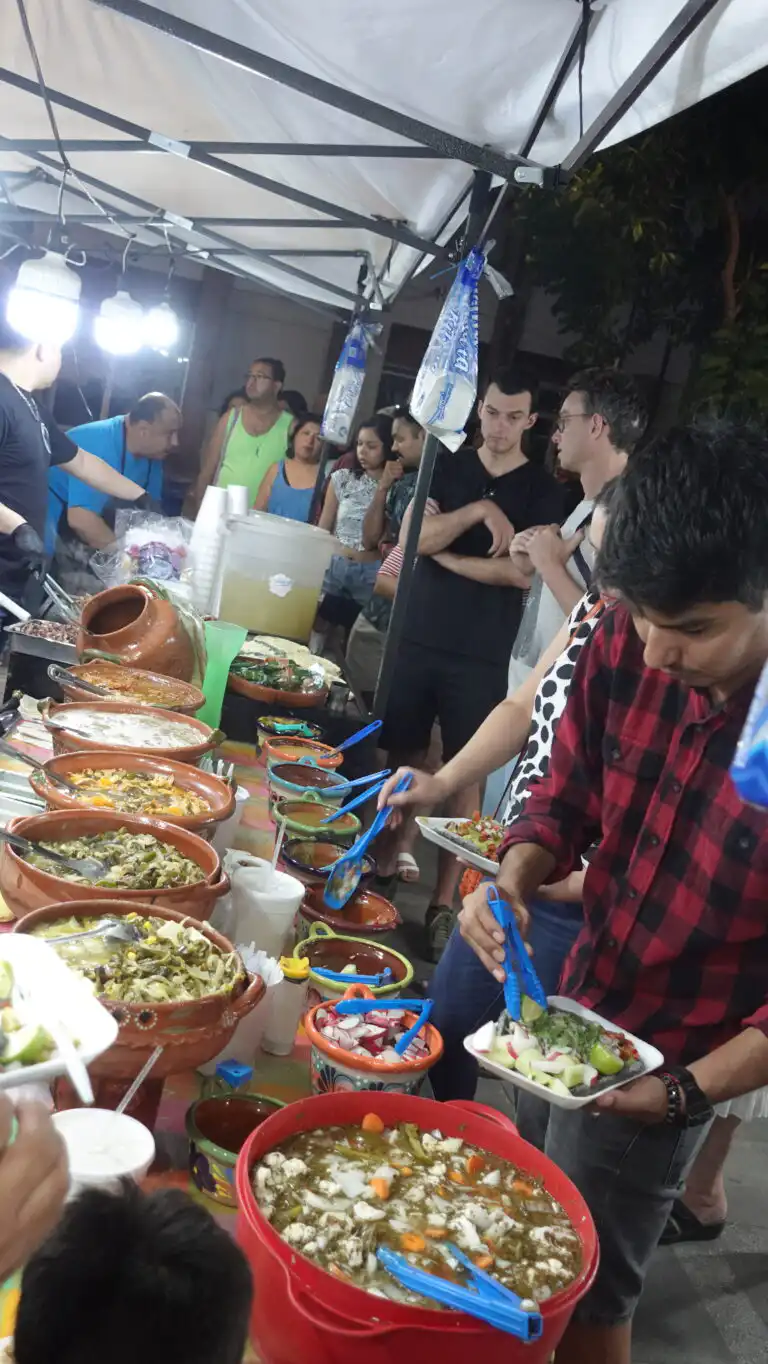
And the food… it is next level. Fresh, artisan creations everywhere homemade salsas, farm-fresh fruits, baked breads, pastas, and so much more. Then you’ve got the food vendors cooking up everything right in front of you think paella, barbecue, Thai dishes, Mexican favorites like burritos, tacos, and empanadas… basically a global food tour in one spot.
Olas Altas Saturday MarketTravel Video Guide Review
Got a sweet tooth? You’re covered crepes, baklava, chocolate treats, and fresh desserts that are impossible to pass up.
Add in live music from local bands like Monaco, and the whole place turns into a laid-back street festival with great vibes all around.
Olas Altas Saturday Market
This market runs through high season from November to April, with the final date this year on May 9th so do not miss it. Whether you’re here to shop, eat, or just soak up the atmosphere, the Olas Altas Saturday Market is one of the best experiences in Puerto Vallarta.
Puerto Vallarta is not about perfection, it is about connection. At PromovisionPV.com, our goal is to help travelers avoid generic experiences and discover the city as it truly exists.
PromovisionPV emphasizes that Puerto Vallarta is more than just a beach town. Neighborhood reviews and local advice are highly valued because they help travelers avoid tourist traps. Practical Q&A format makes the guide stand out, it directly addresses the most common visitor concerns.
Search on PromovisionPV.com Travel Guide https://promovisionpv.com/search-on-promovisionpv-com-travel-guide/ Use the Search Bar and look on 1,500 Pages Somethings you may not know about Puerto Vallarta, Riviera Nayarit and Mexico. archives Puerto Vallarta, arts, Bucerias, Cirque du Soleil, Costa Alegre, culture, destination wedding, events, events schedule, gastronomy, gay pv, gay vallarta, informations, insurance, Jalisco, lgbtq, medical care, mexican food, Nayarit, news, Nuevo Nayarit, Punta Mita, Rincon de Guayabitos, safety, San Blas, San Pancho, Sayulita, See more
We provide information and resources for visitors to Puerto Vallarta, areas of The Riviera Nayarit and other destinations in both states of Jalisco and Nayarit . You will find variety of content, including articles, blog posts, videos, photos, descriptions and interviews, all of which are designed to help visitors plan their trip, including attractions, restaurants, and events. Follow: https://promovisionpv.com/
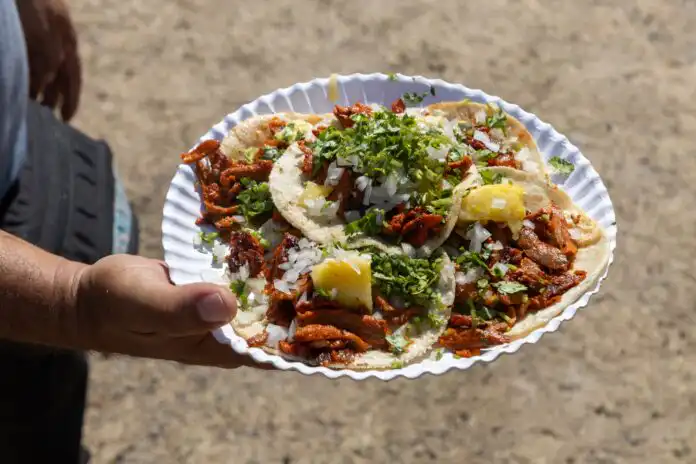
Discovering Mexican Food, Culture Tacos Festival Travel Guide Puerto Vallarta
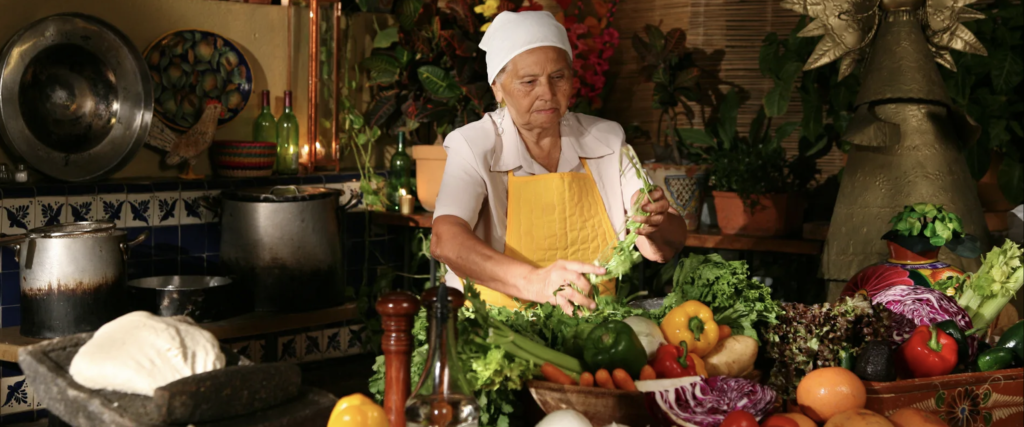
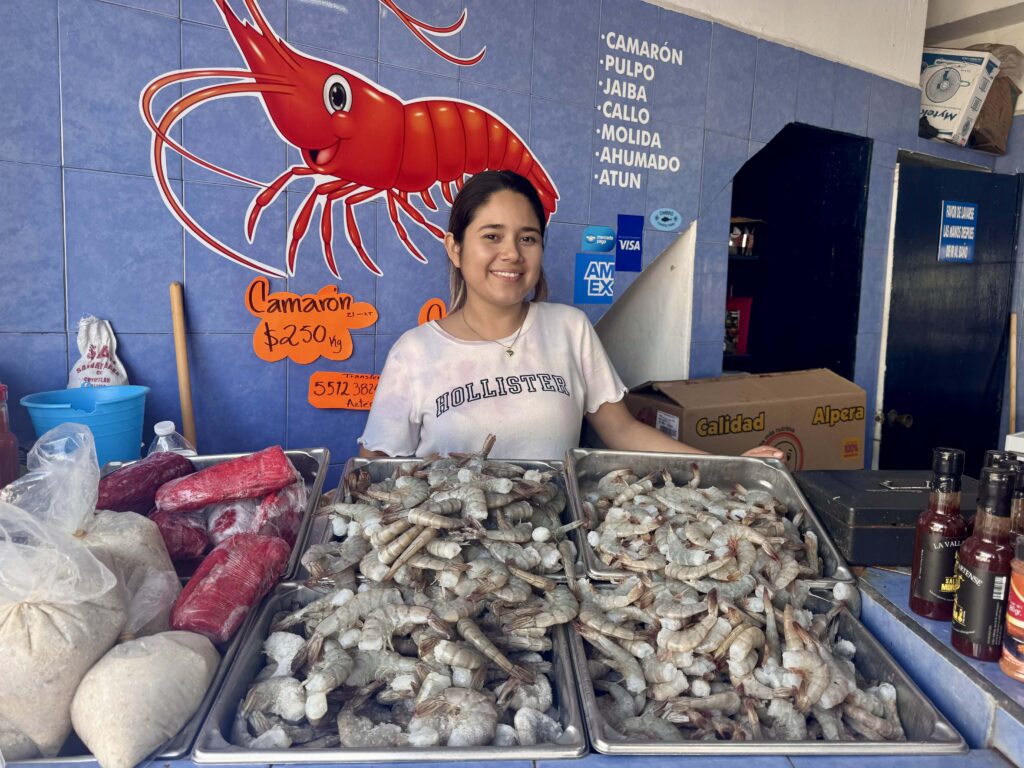
The Food Quality in Mexico. The quality of food in Mexico, especially when compared to its northern neighbors, is a tale of two systems: a traditional, “fresh-first” culture that is often superior in quality, and a modern industrial sector undergoing some of the most aggressive health regulations in the world.
The Food Quality in MexicoComparison
1- Regulation: The Gatekeepers In Mexico, COFEPRIS (the equivalent of the FDA) and SENASICA manage food safety. While the USA and Canada are often cited for more rigorous “cold chain” logistics and pathogen testing (like E. coli), Mexico has recently taken a lead in consumer transparency.
The Food Quality in MexicoComparison
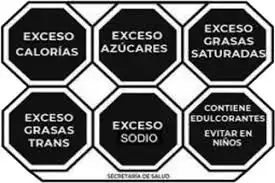
Mexico: Uses a “Black Octagon” warning system on packaging. If a food is high in sodium, sugar, or trans fats, it must display a large black stop sign. It also forbids cartoon characters (like Tony the Tiger) on unhealthy products—a rule the USA has resisted. USA/Canada: Rely more on the “Nutrition Facts” panel, which requires more effort from the consumer to interpret. Canada is moving toward a similar warning system in 2026, but it is currently less stringent than Mexico’s.
The Food Quality in MexicoComparison
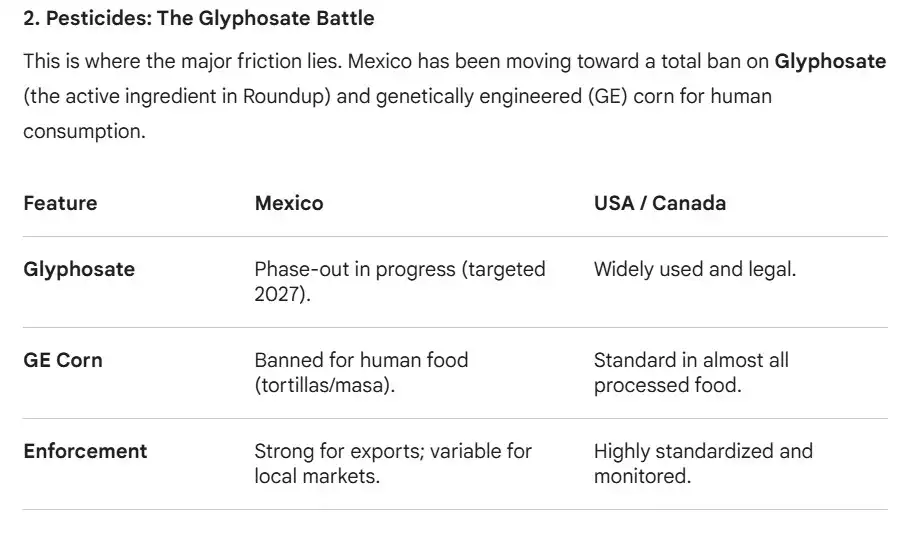
2- Pesticides: The Glyphosate Battle This is where the major friction lies. Mexico has been moving toward a total ban on Glyphosate (the active ingredient in Roundup) and genetically engineered (GE) corn for human consumption.
The Food Quality in MexicoComparison
In 2020, Mexico enacted a law requiring warning labels on the front of food packages that contain “excess” sugar, calories, sodium, or saturated fat by Official Mexican Standards. This was an update to Mexico’s 2014 front-of-pack nutrition labels (FOPNL), and part of a wave of Latin American countries—starting with Chile in 2012—that are implementing laws to curb obesity.
The Food Quality in MexicoComparison
Public health policy expert Eric Crosbie, associate professor at the School of Public Health for the University of Nevada Reno, described this “policy diffusion” of warning labels throughout the Americas as a “boulder going down the hill.”
“The [junk food] industry was really terrified of that diffusion,” Crosbie said. “They put a lot of their energy and efforts into stopping Mexico because Mexico is seen as kind of the fulcrum of Latin America, with influence throughout the region.”
Mexico’s front-of-package labeling system, implemented in October 2020, uses black octagonal warning seals to clearly identify food and beverage products that exceed certain nutritional thresholds. These labels are designed to combat high rates of childhood obesity and empower consumers to make healthier choices. Key Aspects of the Octagon Labeling System The Warning Labels: The black octagons contain white text stating “EXCESO” (Excess) followed by the specific nutrient: EXCESO CALORÍAS (Calories) EXCESO AZÚCARES (Sugars) EXCESO SODIO (Sodium) EXCESO GRASAS SATURADAS (Saturated Fats) EXCESO GRASAS TRANS (Trans Fats) Safety Legends: In addition to the octagons, two rectangular labels exist for ingredients deemed harmful to children: CONTIENE EDULCORANTES, NO RECOMENDABLE EN NIÑOS (Contains Sweeteners, Not Recommended for Children) CONTIENE CAFEÍNA, EVITAR EN NIÑOS (Contains Caffeine, Avoid in Children) Mandatory Requirements: Products with one or more warning seals are prohibited from using child-targeted marketing, including cartoons, celebrities, or athletes on the packaging. Size Constraints: Small products may use smaller, numerical labels indicating the total number of warnings. No Labels: If a product does not carry any, it can bear the label: “Este producto no contiene sellos ni leyendas” (This product does not contain seals or legends). The policy has led to some reformulation of products by companies attempting to avoid the labels, according to 2023 reports. Think Global Health
The Reality: While Mexico’s laws are increasingly stricter than the US regarding “forever chemicals” and GMOs, the enforcement on small, local farms can be less consistent than the high-tech, audited farms in the USA and Canada.
The Food Quality in MexicoComparison
3- Additives: Sweeteners and Dyes Mexico’s 2026 standards for additives have become quite modern. Because of the “Black Octagon” laws, many multinational companies (like Nestle or Coca-Cola) have reformulated their Mexican products to contain fewer additives and lower sugar than the versions sold in the USA to avoid the dreaded warning labels.
Sweeteners: Mexico requires a specific warning label on any product containing non-caloric sweeteners (like Aspartame) stating: “Contains sweeteners, not recommended for children.” The USA and Canada have no such requirement. Dyes: While the USA still widely uses Red 40 and Yellow 5, Mexico’s labeling laws have pushed many brands toward natural colorants like annatto or beet juice to keep their packaging “clean” of warning labels.
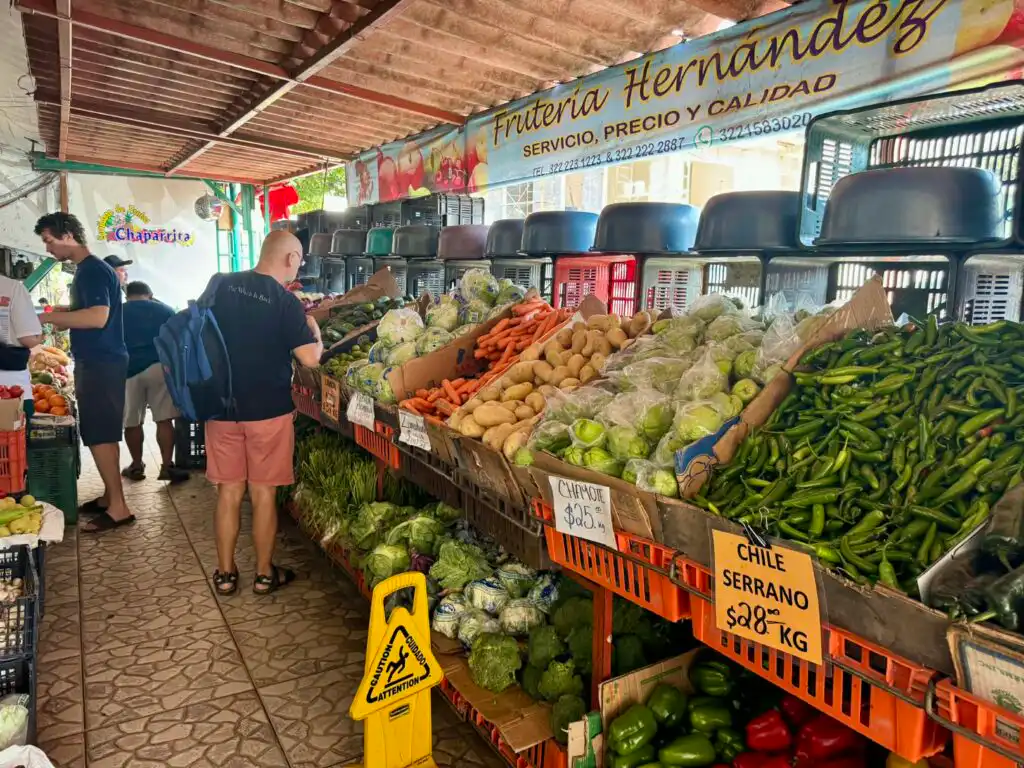
The “Freshness” Advantage: In Mexico, the supply chain for fresh produce is often much shorter. You are frequently eating tomatoes or avocados harvested within days (or hours), whereas in the USA/Canada, produce is often bred for “shelf-life” and “shippability” rather than flavor or nutrient density.
Fresh Food: Mexico wins. The biodiversity and lack of heavy processing in traditional markets (tianguis) often result in higher nutrient density and better flavor. Processed Food: USA/Canada win (on safety, not health). You are less likely to encounter “mystery” processing, and microbial safety is higher, though the food is arguably “deader” (more preservatives/GMOs). Hormones: Mexico has strict regulations on rBGH (bovine growth hormone) in dairy, similar to Canada, whereas it is still permitted in the USA.
In short: If you eat “close to the earth” in Mexico (corn, beans, fresh fruit, local dairy), you are likely consuming fewer chemicals and more nutrients than you would in the USA. However, if you eat processed “supermarket” food, you are entering a regulatory battlefield where Mexico is currently fighting much harder to warn you than the US or Canada.
The Food Quality in MexicoComparison
Puerto Vallarta is not about perfection, it is about connection. At PromovisionPV.com, our goal is to help travelers avoid generic experiences and discover the city as it truly exists.
PromovisionPV emphasizes that Puerto Vallarta is more than just a beach town. Neighborhood reviews and local advice are highly valued because they help travelers avoid tourist traps. Practical Q&A format makes the guide stand out, it directly addresses the most common visitor concerns.
Search on PromovisionPV.com Travel Guide https://promovisionpv.com/search-on-promovisionpv-com-travel-guide/ Use the Search Bar and look on 1,500 Pages Somethings you may not know about Puerto Vallarta, Riviera Nayarit and Mexico. archives Puerto Vallarta, arts, Bucerias, Cirque du Soleil, Costa Alegre, culture, destination wedding, events, events schedule, gastronomy, gay pv, gay vallarta, informations, insurance, Jalisco, lgbtq, medical care, mexican food, Nayarit, news, Nuevo Nayarit, Punta Mita, Rincon de Guayabitos, safety, San Blas, San Pancho, Sayulita, See more
We provide information and resources for visitors to Puerto Vallarta, areas of The Riviera Nayarit and other destinations in both states of Jalisco and Nayarit . You will find variety of content, including articles, blog posts, videos, photos, descriptions and interviews, all of which are designed to help visitors plan their trip, including attractions, restaurants, and events. Follow: https://promovisionpv.com/
Why E-E-A-T Matters More Than Ever for Travel. The travel industry is experiencing one of its most competitive digital moments in history. Puerto Vallarta hit 98% hotel occupancy in February 2026, a historic peak driven simultaneously by luxury travelers, digital nomads, and long-stay expats. That demand surge means one thing for travel content creators: competition for search visibility is fierce and only tightening.
What is #1 E-E-A-T Puerto Vallarta – Nayarit https://promovisionpv.com/what-is-1-e-e-a-t-puerto-vallarta-nayarit/E-E-A-T (Experience, Expertise, Authoritativeness, Trustworthiness) is a framework Google uses to evaluate content quality, particularly for YMYL (Your Money or Your Life) topics.
Why E-E-A-T Matters More Than Ever for TravelExperience, Expertise, Authoritativeness, Trustworthiness
Google’s E-E-A-T framework. Experience, Expertise, Authoritativeness, Trustworthiness is the primary quality signal it uses to rank content in competitive travel niches. When thousands of websites cover the same destinations, the search algorithm surfaces those that prove they have been there, know the destination deeply, are recognized by the broader web, and can be trusted to give accurate information.
For PromovisionPV.com, a locally embedded travel authority covering Puerto Vallarta and the Riviera Nayarit since its founding, E-E-A-T is not a theory. It is the daily operational reality that separates a #1 ranked travel guide from a generic content farm.
“Today’s travelers do not simply search for destinations, they search for guides they can trust with their time, money, and safety. E-E-A-T is how Google identifies who deserves that trust.”
The Stakes for Tourism Businesses If your hotel, restaurant, tour operator, or real estate company relies on organic search traffic from visitors researching Puerto Vallarta, your visibility depends entirely on how much E-E-A-T the content ecosystem around you projects. A trusted, authoritative guide that features your business and links to you carries far more SEO weight than a banner ad on a low-authority directory. This is why being featured on PromovisionPV is a strategic marketing investment, not just a listing.
What E-E-A-T Actually Means? A Practical Definition Google’s Search Quality Evaluator Guidelines define E-E-A-T as the primary lens its human quality raters use to assess whether a page deserves to rank. The four pillars work together but serve distinct purposes:
E First E Experience Has the author personally visited, used, or tested the subject? First-hand interaction is the new differentiator in the AI content era.
E Second E Expertise Does the content demonstrate deep, structured knowledge of the topic, logistics, culture, nuance, and context?
A First A Authoritativeness Is the site recognized as the go-to source by other websites, media, and industry players? Backlinks and citations are the currency.
T First T Trustworthiness Is the site transparent, accurate, and safe? This is the most critical of all four, a site with low trust cannot rank regardless of the other signals.
Google has been explicit that Trustworthiness is the foundation. A site with extraordinary expertise but low trust signals outdated information, broken contact pages, no About section will still underperform in search.
Experience: The First-Hand Authority Nobody Can Fake The addition of the first “E” (Experience) to the original E-A-T framework marked a pivotal shift: Google began explicitly rewarding content created by people who have actually done the thing, not just researched it. In the travel vertical, this is where AI-generated content and generic listicles fall apart and where dedicated travel journalists and local guides like PromovisionPV hold a structural advantage.
What Demonstrates Experience in Puerto Vallarta Travel Content Original photography and video A guide to Yelapa that includes original dated photographs of the village, the waterfall trail conditions, and specific boat departure points proves the author was there. Generic stock imagery of “Mexican beaches” proves nothing. PromovisionPV’s YouTube library of 220+ original videos is one of the strongest experience signals in the entire Puerto Vallarta content ecosystem.
First-person narratives with specific detail Rather than writing “Puerto Vallarta has beautiful beaches,” experienced travel content says: “Walking from Playa Los Muertos toward Mismaloya at low tide, the pelicans follow the fishing boats in from Boca de Tomatlán every morning around 7am.” That specificity cannot be generated without being present.
Honest observations including negatives Experience based content acknowledges what surprised the author, what exceeded expectations, and what to avoid. Readers and Google’s quality raters alike recognize that balanced, honest travel reporting (including practical warnings about rainy season road closures or high-season crowds at Vallarta Botanical Gardens) is far more trustworthy than promotional copy.
Practical specifics: pricing, timing, logistics Current pricing ranges, taxi rates, seasonal differences in water visibility for snorkeling, which months bring humpback whale sightings in Banderas Bay — these details age quickly and require an on-the-ground author to keep them accurate. This is why PromovisionPV’s commitment to regular content updates is a core E-E-A-T strategy, not merely a publishing schedule.
“In the era of AI-generated travel content, first-hand experience is not just a quality signal, it is the only signal that cannot be manufactured at scale.”
Expertise: How Topic Cluster Architecture Dominates Travel SEO Expertise in travel SEO is not demonstrated by a single great article. It is demonstrated by the totality of a website’s content — its coverage depth, its internal linking structure, and its ability to answer every question a traveler might have about a destination. This is called Topical Authority.
The Pillar-Cluster Model for Puerto Vallarta Content The most effective content architecture for a destination travel guide follows a hub-and-spoke model: comprehensive pillar pages covering broad topics, supported by a web of interlinked cluster articles on specific sub-topics. Every cluster article reinforces the pillar, and every pillar links out to its cluster, creating a semantic web that tells Google: this site owns this topic.
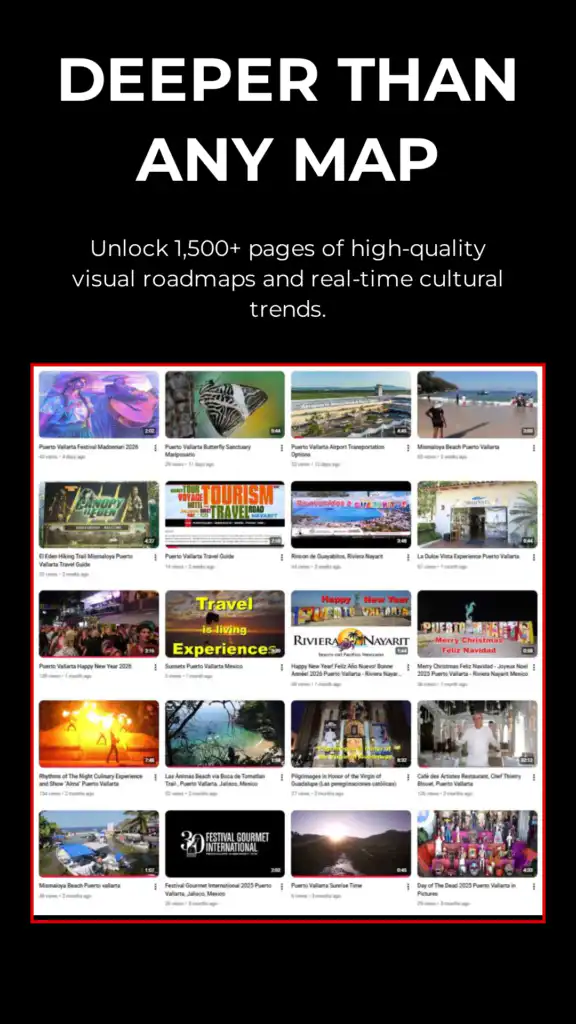
Pillar Pages (Core Authority) Puerto Vallarta Travel Guide — the anchor hub for all PV content Riviera Nayarit Travel Guide — the northern coast authority FYI PV — practical visitor information (safety, costs, logistics) Private Guides — curated, expert-led local experiences Health & Medical Guide — critical for YMYL trust signals Cluster Articles (Supporting Expertise) Destination Deep-Dives: Sayulita, Punta Mita, Bucerias, San Pancho, Lo de Marcos, Rincón de Guayabitos, San Blas Off-the-beaten-path: Yelapa, Mismaloya, Tehuamixtle–Mayto Day Trip Hubs: Guadalajara, Tequila Lifestyle & Long-Stay: Real Estate Puerto Vallarta, Snowbird Guides, Digital Nomad Content Each cluster article should reference the pillar page and vice versa. This bidirectional linking is what transforms individual articles into a cohesive authority network and it is exactly what PromovisionPV’s 1,500+ pages of content are designed to accomplish.
Why E-E-A-T Matters More Than Ever for Travel
Multilingual Content as an Expertise Multiplier PromovisionPV’s Español and Français sections are not simply translations, they represent distinct content tracks for Spanish-speaking domestic Mexican travelers and francophone Canadian visitors, two of Puerto Vallarta’s largest visitor segments. Serving these audiences in their own language is a significant expertise signal and opens the site to keyword opportunities that English-only competitors miss entirely.
Authoritativeness: Becoming the Recognized Voice of Puerto Vallarta Tourism Authority in Google’s model is an external signal — it is not what you say about yourself, it is what others say about you. For a travel website, authority is built through three channels: backlinks from relevant sources, citations and mentions in industry media, and direct partnerships with recognized local entities.
Why E-E-A-T Matters More Than Ever for TravelLuxury Travel III Puerto Vallarta Riviera Nayarit
Backlink Strategy for Travel Guides Every time a hotel, tour operator, restaurant, or travel journalist links to PromovisionPV content, it registers as a vote of confidence. The most powerful backlinks come from:
Official tourism boards (Jalisco Tourism, Riviera Nayarit Tourism Board) Local business directories and booking platforms Travel media outlets covering the Mexico Pacific corridor Featured businesses linking back to their review or profile pages Embeds of original PromovisionPV YouTube videos on external sites Author Transparency and Credentials Google’s quality raters actively look for author identity and credentials. Every article on PromovisionPV should carry:
What Trust Looks Like in Practice Accurate, regularly updated information Nothing destroys trust faster than a “2023 guide” appearing in 2026 search results. Content must be audited seasonally: pricing, hours, entry requirements, safety advisories, and local business status all change. PromovisionPV’s frequent publication cadence is a fundamental trust signal.
Why E-E-A-T Matters More Than Ever for TravelFacebook Puerto Vallarta Groups
Safety information for an LGTBQ+ inclusive destination Puerto Vallarta is internationally recognized as one of Latin America’s most LGBTQ-friendly destinations. Providing accurate, current, non-judgmental coverage of this aspect of the city, including specifics about the Zona Romántica, gay beach areas, events, and community resources is both a service to travelers and a strong trust signal that the guide covers the destination completely and honestly.
Transparent contact information and About page A working email address, clear contact options, and a transparent About page are basic technical trust signals that Google’s quality raters look for as baseline credibility markers.
Why E-E-A-T Matters More Than Ever for Travel
Health and medical resources The Health section covering local medical facilities, travel insurance considerations, and wellness services is a YMYL (Your Money or Your Life) content area. Accuracy and currency here is non-negotiable out dated or incorrect health information is a serious trust failure.
Balanced reviews over promotional copy Travelers can detect marketing-speak instantly. A restaurant guide that acknowledges wait times and noise levels alongside the excellent ceviche is trusted. A guide that reads like an advertisement is not. PromovisionPV’s editorial independence covering the destination as it genuinely is, is its most durable competitive advantage.
Why E-E-A-T Matters More Than Ever for TravelExperience, Expertise, Authoritativeness, Trustworthiness
2026 Puerto Vallarta & Riviera Nayarit Visitor Trends, What Content Must Address E-E-A-T is not a static framework. The relevance of content, whether it answers what travelers are actually asking, is equally critical. In 2026, the Puerto Vallarta and Riviera Nayarit market has evolved significantly, and content that does not reflect these shifts will fall behind regardless of its E-E-A-T quality.
Luxury & Ultra-Luxury Travel One&Only Mandarina, Rosewood, and new ultra-luxury properties in Punta Mita are driving record high-spend visitor numbers. Content covering luxury travel Puerto Vallarta is among the highest-value search real estate on the site.
Why E-E-A-T Matters More Than Ever for TravelLuxury Travel Puerto Vallarta – Riviera Nayarit
Slow Tourism & Long Stays 2026 has seen a measurable rise in visitors staying 2–4 weeks or longer. Guides on cost of living, long-term rentals, neighborhoods, and expat logistics are high-conversion content.
Digital Nomads Puerto Vallarta’s Versalles and Fluvial neighborhoods are now recognized remote-work hubs. Coverage of coworking spaces, internet quality, and “bleisure” planning directly targets this high-value, year-round segment.
🔥 Award-Winning Riviera Nayarit International Rise Riviera Nayarit was named to Forbes Travel Guide’s top 20 global destinations for 2026 and Travel+Leisure’s top 50 — the only Mexican beach destination on the latter. Coverage of Sayulita, Punta Mita, and San Pancho is at peak global search interest.
✦ Eco-Forward Sustainable Travel Nearly 40% of Riviera Nayarit hotels now hold sustainable tourism certifications, with a target of 60% by end of 2026. Eco-tourism content covering whale watching, marine reserves, and responsible adventure tourism aligns perfectly with international traveler values.
Culinary & Cultural Tourism Puerto Vallarta’s gastronomy scene from street tacos in the Romantica to tasting menus in Fluvial, is a top driver of repeat visits. Food-focused content, chef interviews, and market guides serve a visitor who plans their trip around eating experiences.
High-Volume Search Queries to Own in 2026 Aligning content with actual search behavior means understanding what visitors type into Google before and during trip planning. The following queries represent the highest-traffic opportunities directly tied to PromovisionPV’s existing content architecture: Things to do in Puerto Vallarta — highest-volume, year-round intent Is Puerto Vallarta safe for tourists? — YMYL query with massive conversion value Best beaches in Puerto Vallarta — perennial visual search leader Puerto Vallarta travel guide 2026 — explicitly date-qualified, high commercial intent Where to stay in Puerto Vallarta — accommodation research phase query Sayulita Mexico travel guide — booming post-Forbes designation interest Punta Mita luxury resorts — ultra-high-value, long-tail commercial query Digital nomads Puerto Vallarta — rapidly growing, year-round segment Puerto Vallarta whale watching — strong seasonal (Nov–Mar) spike LGBTQ travel Puerto Vallarta — globally recognized niche with dedicated search intent Riviera Nayarit travel guide — broad, foundational query with strong growth Best time to visit Puerto Vallarta — planning-phase, evergreen content Puerto Vallarta restaurants — local commercial intent, high engagement Puerto Vallarta real estate — high-value long-stay and investment query Content Strategy: Turning E-E-A-T Into a Publishing System Knowing what E-E-A-T requires is only half the challenge. The other half is building it systematically into every publishing decision. For a travel platform the size and scope of PromovisionPV, this means operating with a structured content calendar and editorial standards that reinforce all four pillars simultaneously.
Why E-E-A-T Matters More Than Ever for TravelExperience, Expertise, Authoritativeness, Trustworthiness
The Content Mix That Signals E-E-A-T Video-first travel journalism Original on-location video is the single most powerful experience signal available. A 3-minute walk-through of the Zona Romántica or a ferry ride to Yelapa communicates experiential authority that no text article can replicate. Embedding YouTube content within articles and ensuring video metadata (titles, descriptions, closed captions) is optimized value across both Google Search and YouTube Search.
Seasonal and trend-responsive publishing Whale watching season (November–March), Semana Santa crowd warnings, Día de los Muertos cultural coverage, rainy season logistics, a travel guide that publishes in sync with the actual rhythms of the destination is demonstrably a living, experienced resource. Automated or evergreen-only sites cannot replicate this cadence.
FAQ and Q&A content structure Google’s Featured Snippets and People Also Ask boxes are overwhelmingly won by content formatted as direct question-and-answer pairs. Structuring articles around the specific questions real travelers ask “Is tap water safe in Puerto Vallarta?”, “Do I need a visa to visit Mexico?”, “What currency should I use?” is both a strong E-E-A-T signal and a Featured Snippet acquisition strategy.
Itinerary and planning guides Long-form itinerary content “5 Days in Puerto Vallarta & Riviera Nayarit,” “3-Day Sayulita–San Pancho Surf Trip,” “A Week in Banderas Bay for First-Timers” — demonstrates deep logistical expertise and earns long dwell times, a positive engagement signal.
Photo essays and visual storytelling Original photography street markets, festival coverage, hidden coves, restaurant interiors with proper EXIF data, geotagging, and descriptive alt text is both experience evidence and image search traffic. PromovisionPV’s extensive photo archive asset.
PromovisionPV.com Site Review & E-E-A-T. PromovisionPV already demonstrates strong E-E-A-T.
Partial Content on Promovisionpv.com1,700 pages
Puerto Vallarta travel guide Riviera Nayarit travel guide things to do in Puerto Vallarta Is Puerto Vallarta safe best beaches Puerto Vallarta Sayulita Mexico guide Punta Mita luxury travel Bucerias Mexico San Pancho Nayarit Yelapa boat trip luxury travel Puerto Vallarta Puerto Vallarta real estate Puerto Vallarta health medical digital nomads Puerto Vallarta LGBTQ travel Puerto Vallarta whale watching Puerto Vallarta eco tourism Riviera Nayarit Nuevo Nayarit Puerto Vallarta restaurants best time to visit Puerto Vallarta Vallarta Botanical Gardens Puerto Vallarta nightlife Zona Romántica guide private tour guide Puerto Vallarta hidden beaches Puerto Vallarta Guadalajara day trip Tequila town Mexico Lo de Marcos beach Rincón de Guayabitos San Blas Nayarit Puerto Vallarta travel tips 2026 snowbirds Puerto Vallarta Puerto Vallarta excursions Puerto Vallarta cost of living Banderas Bay guide Explore PromovisionPV — Internal Resource Guide Puerto Vallarta Travel Guide Riviera Nayarit Guide FYI PV — Essential Visitor Info Sayulita Complete Guide Punta Mita & Luxury Resorts Bucerias Art Town Guide Yelapa Day Trip Guide Mismaloya Beach & Jungle Vallarta Botanical Gardens Private Tour Guides PV Luxury Travel Guide 2026 Real Estate Puerto Vallarta Health & Medical Guide Guadalajara Day Trips San Pancho (San Francisco) Nuevo Nayarit Development Tehuamixtle–Mayto Secret Coast Advertise Your Business Ready to Reach 2 Million Puerto Vallarta
Puerto Vallarta is not about perfection, it is about connection. At PromovisionPV.com, our goal is to help travelers avoid generic experiences and discover the city as it truly exists.
PromovisionPV emphasizes that Puerto Vallarta is more than just a beach town. Neighborhood reviews and local advice are highly valued because they help travelers avoid tourist traps. Practical Q&A format makes the guide stand out, it directly addresses the most common visitor concerns.
Search on PromovisionPV.com Travel Guide https://promovisionpv.com/search-on-promovisionpv-com-travel-guide/ Use the Search Bar and look on 1,500 Pages Somethings you may not know about Puerto Vallarta, Riviera Nayarit and Mexico. archives Puerto Vallarta, arts, Bucerias, Cirque du Soleil, Costa Alegre, culture, destination wedding, events, events schedule, gastronomy, gay pv, gay vallarta, informations, insurance, Jalisco, lgbtq, medical care, mexican food, Nayarit, news, Nuevo Nayarit, Punta Mita, Rincon de Guayabitos, safety, San Blas, San Pancho, Sayulita, See more
We provide information and resources for visitors to Puerto Vallarta, areas of The Riviera Nayarit and other destinations in both states of Jalisco and Nayarit . You will find variety of content, including articles, blog posts, videos, photos, descriptions and interviews, all of which are designed to help visitors plan their trip, including attractions, restaurants, and events. Follow: https://promovisionpv.com/
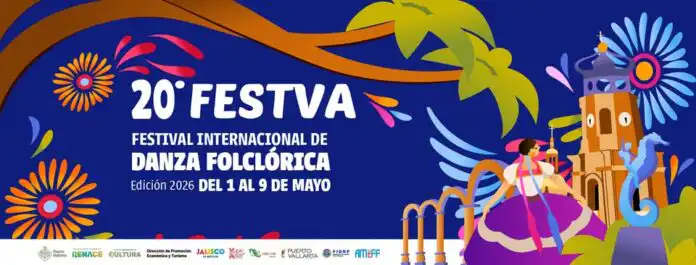
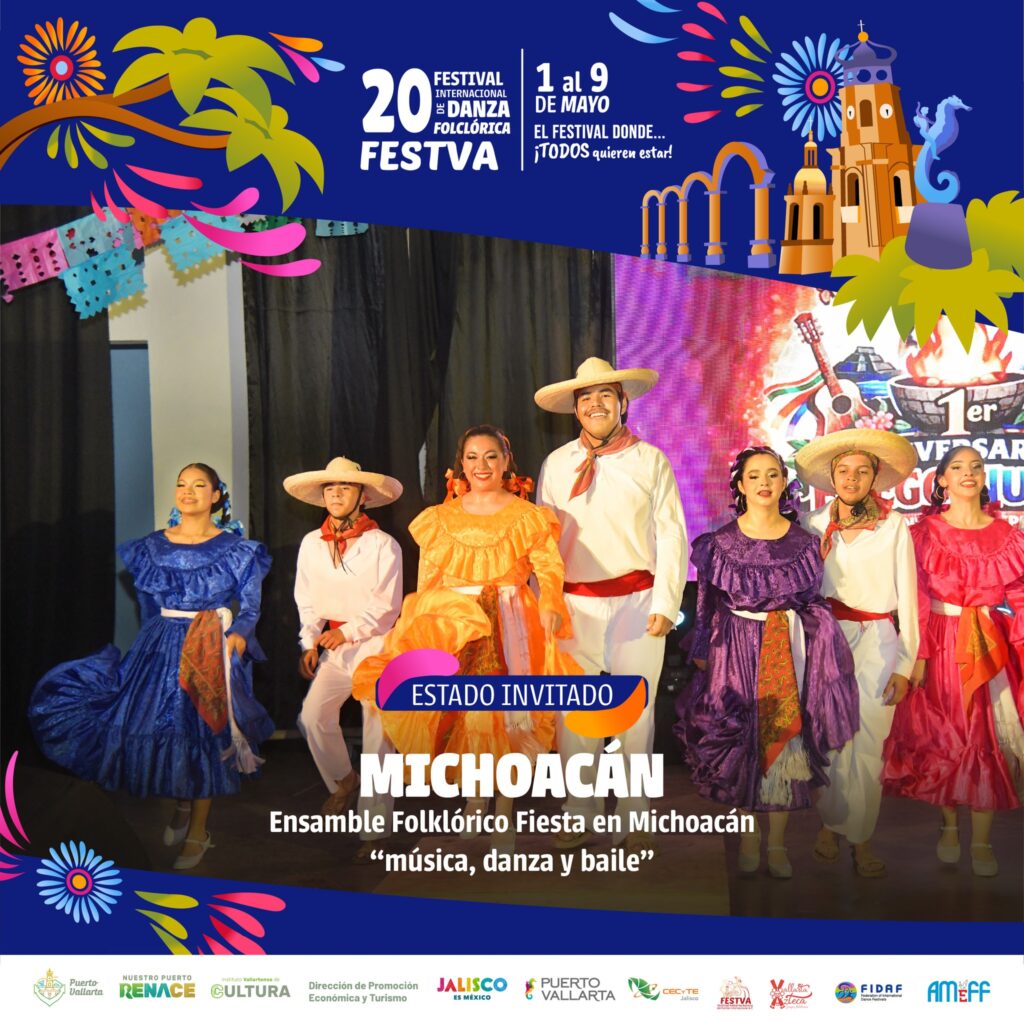
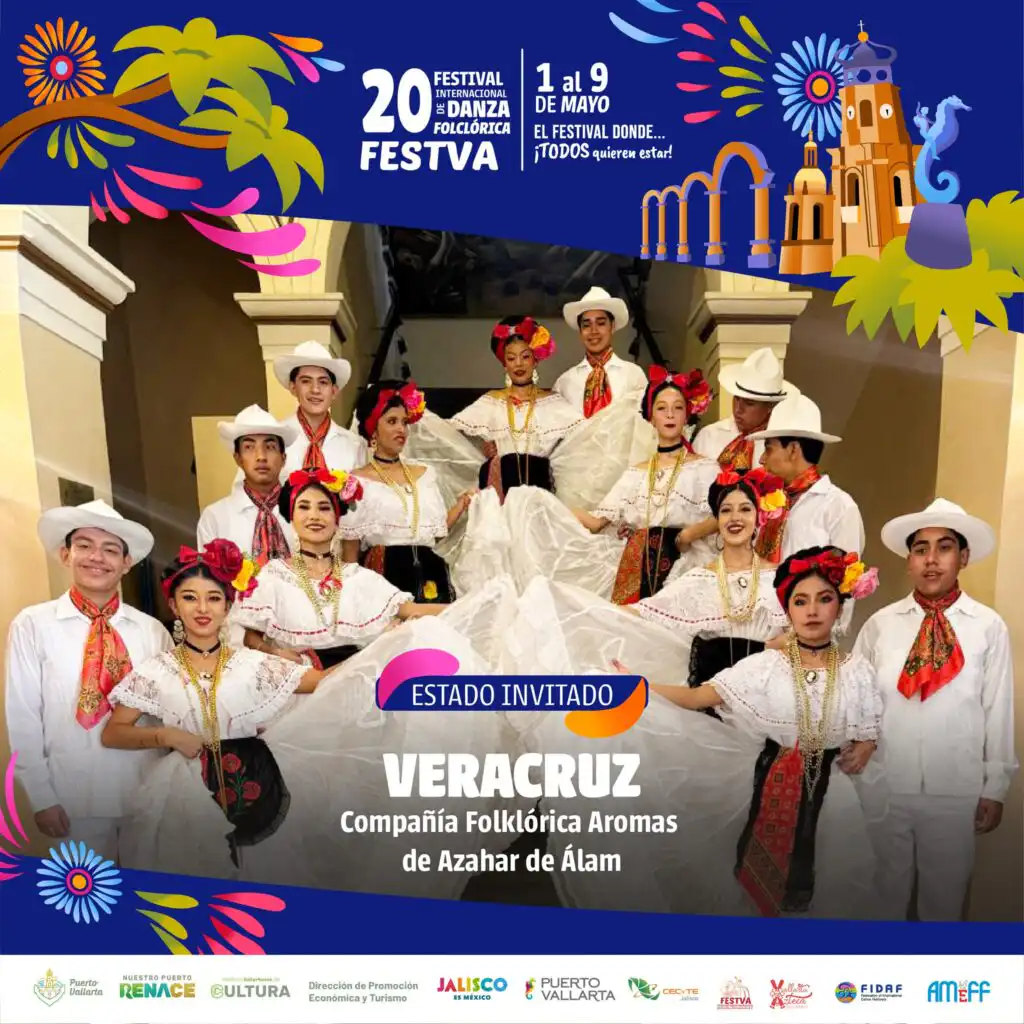
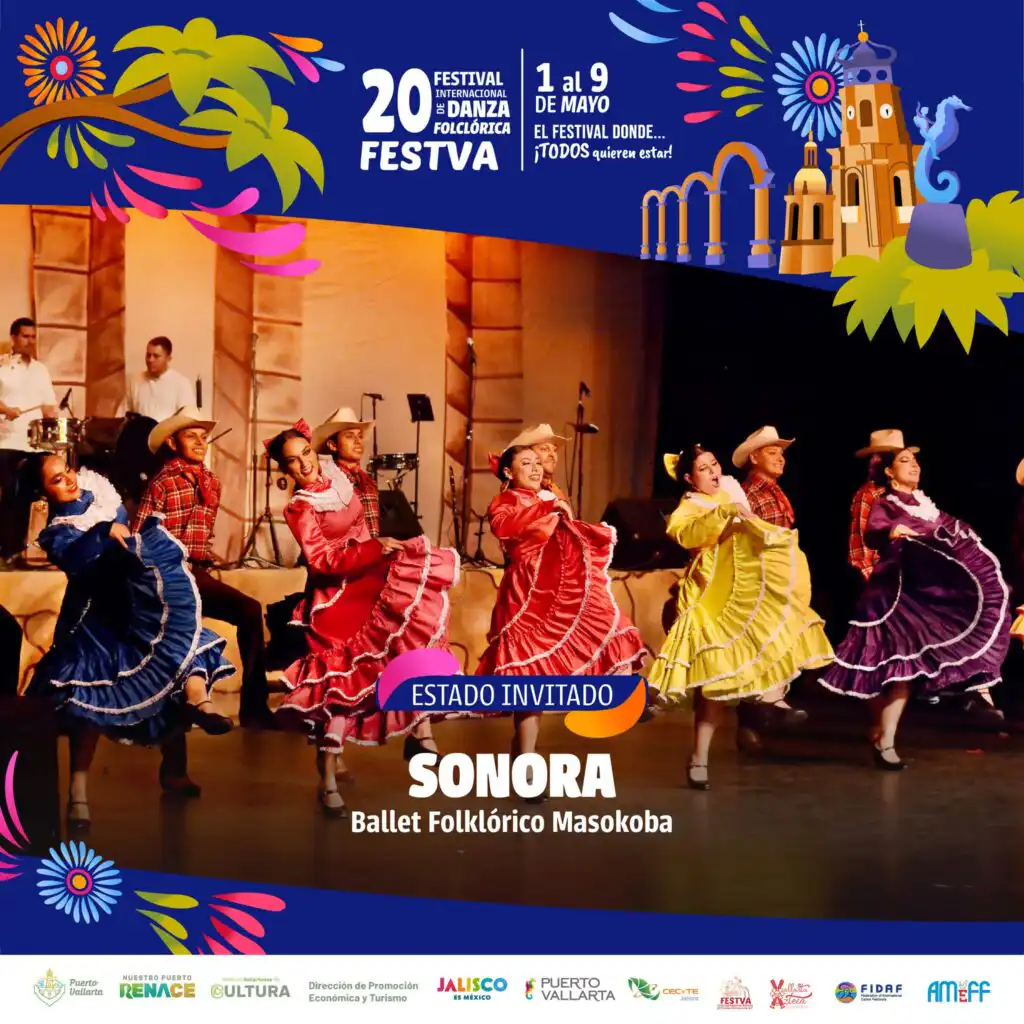
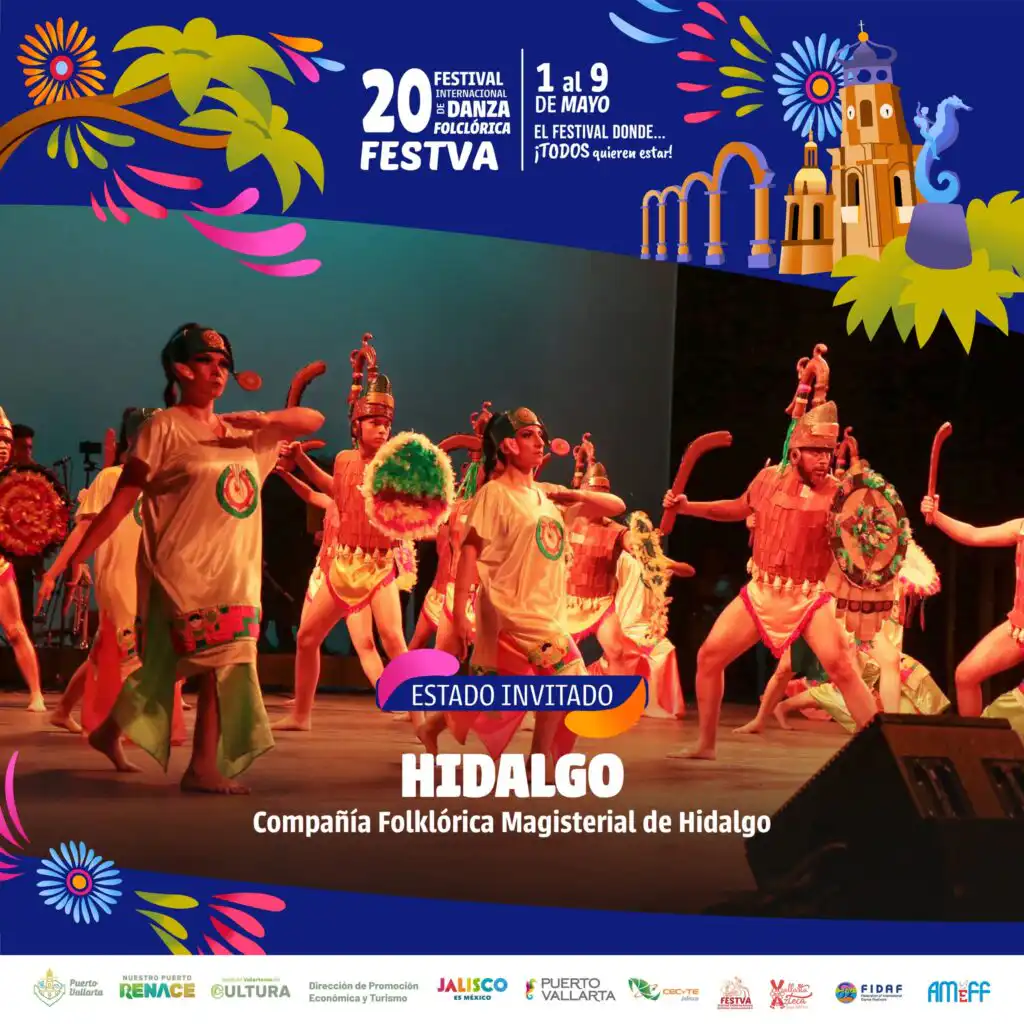
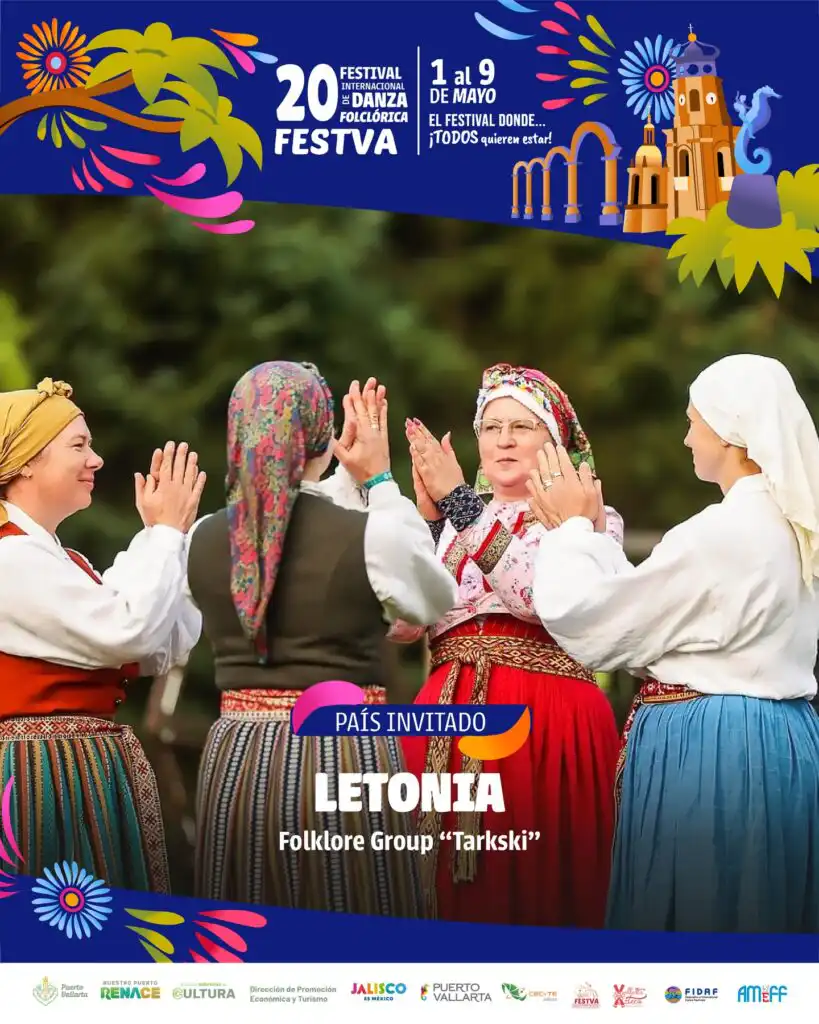
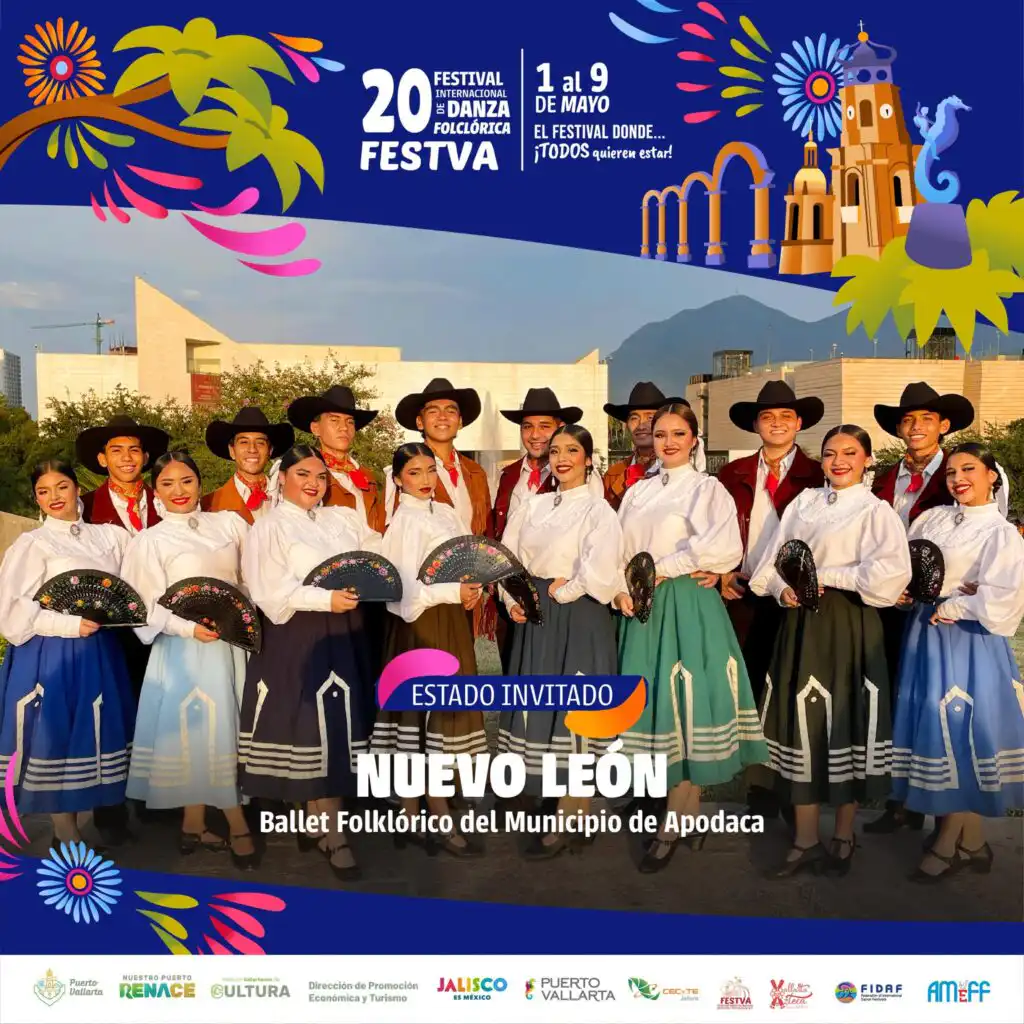
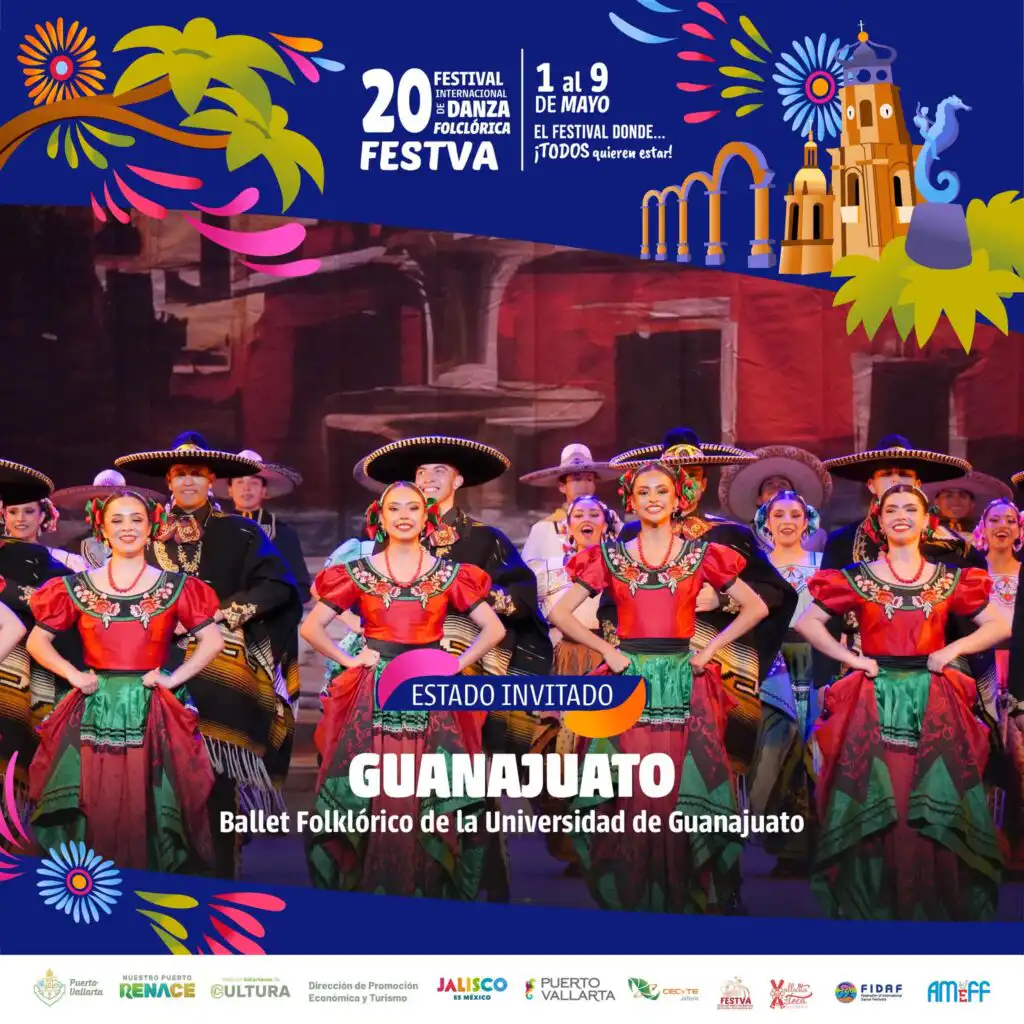
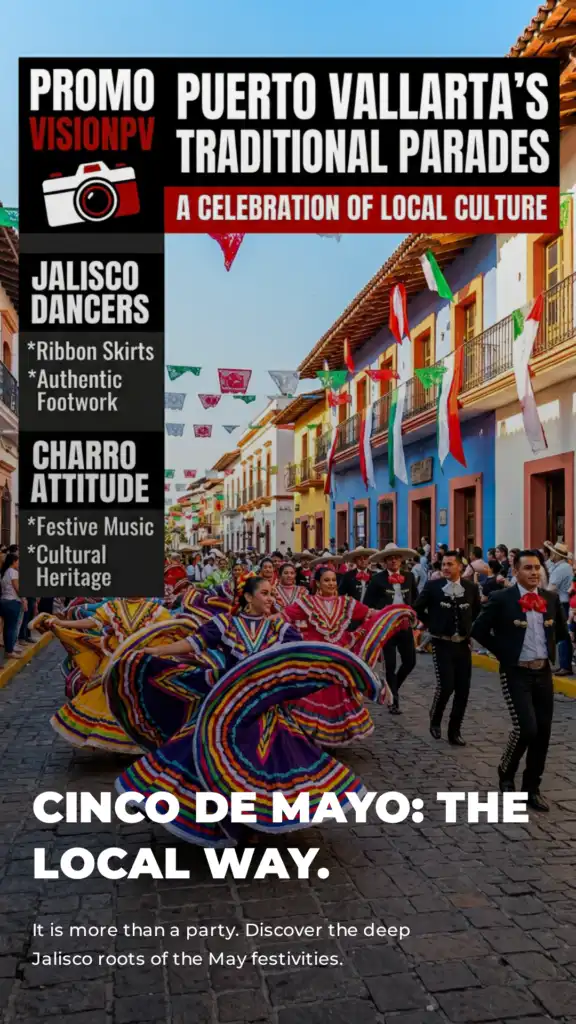
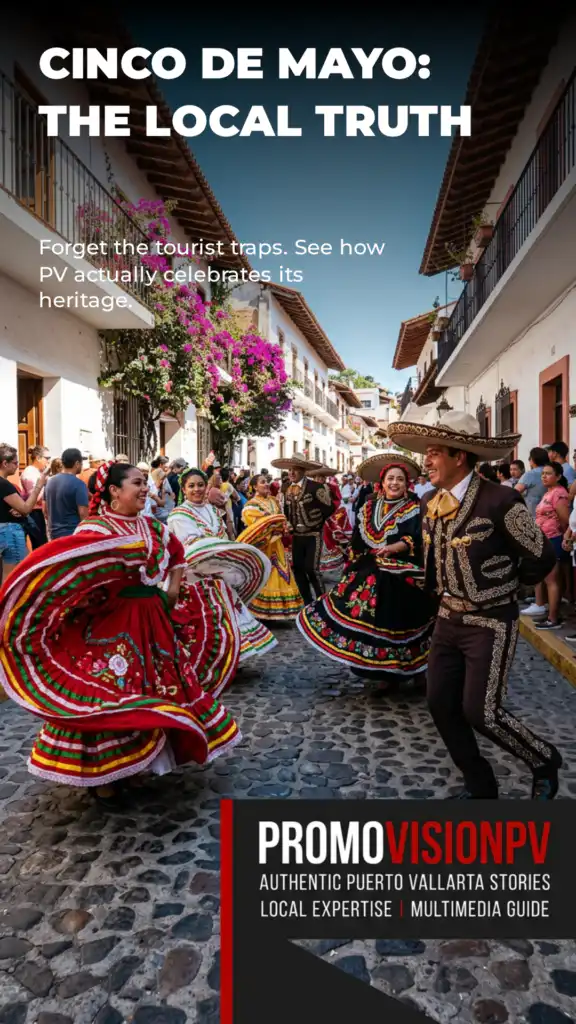
The Vallarta Azteca International Folklore Festival is a space for cultural exchange and dissemination, dedicated to the preservation and dissemination of cultural richness through dance, whose main purpose is to provide society with high-level cultural activities that strengthen our national identity and that can also serve as a renowned tourist attraction for the region. FESTVA “the festival where everyone wants to be”
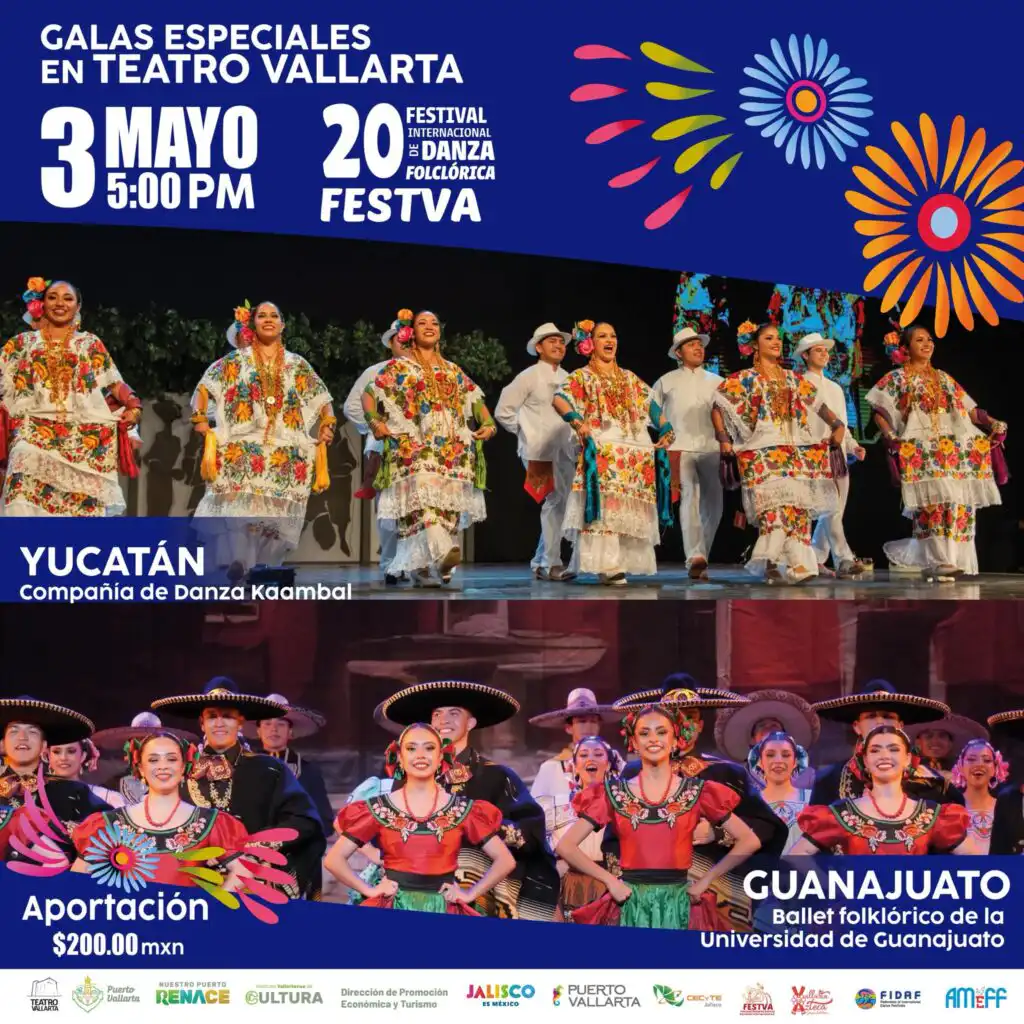
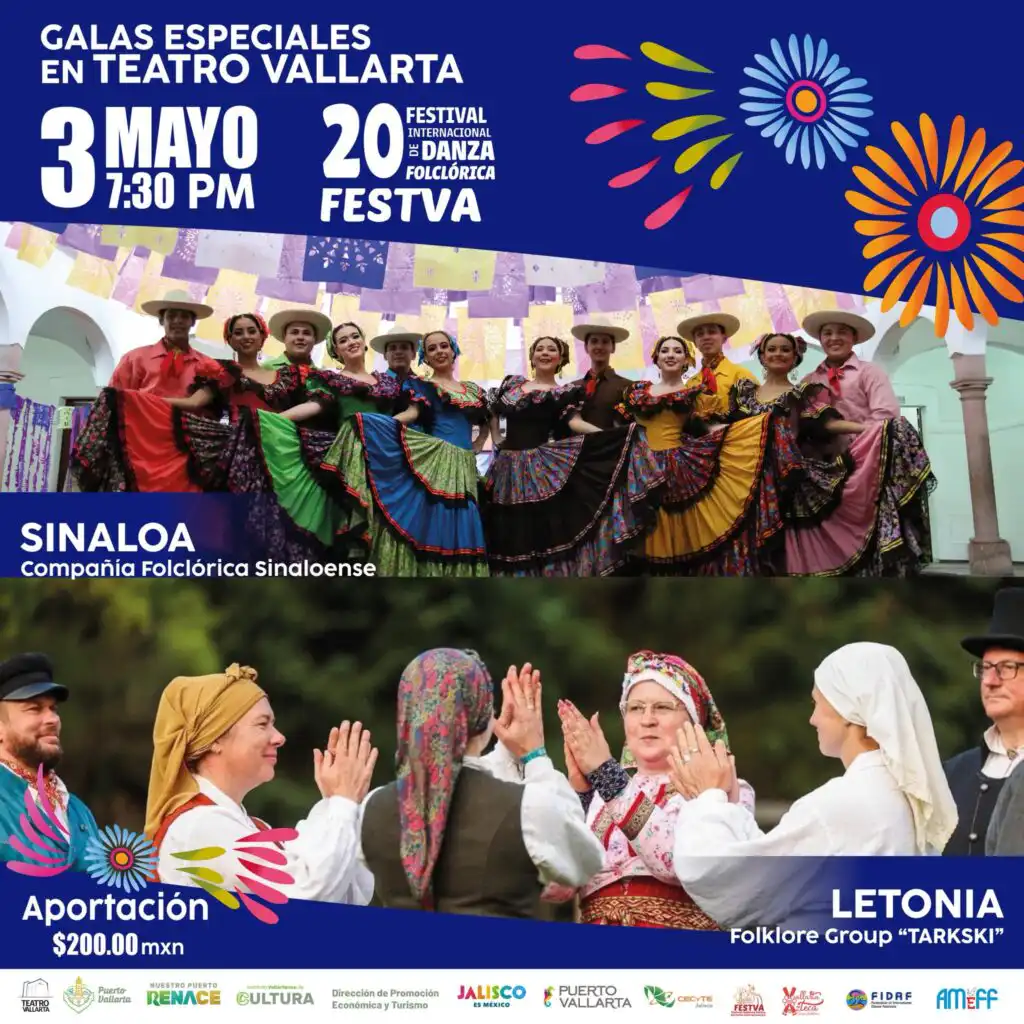
The general director of the Vallarta Azteca International Folklore Festival, Juan Antonio Salcedo Padilla, announced that the twentieth edition of the festival will take place from May 1st to 9th, with the participation of more than 1,200 people, including dance groups, musicians, and directors.
In this regard, he invited the business sector, especially restaurants, to participate in the festival and support the various participating groups by providing food, as some establishments have done in previous years.
“This is our third invitation to join us in supporting our festival, whether by donating a small amount to our daily food supplier or by bringing your own products. This is a great way to provide variety for all the artists, and you can also contribute in kind, even just a little for the 30 directors.
Everything you contribute is important, and it’s also with the goal of giving all our guests the best that Puerto Vallarta has to offer. Right now, it’s about providing support, but in a way, they can also generate posts by leveraging the influencer network. They take photos of the restaurant and the food and send them to the 136 countries that make up the association we belong to.”
He also noted that this year’s festival is expected to draw more than 1,200 participants to its various free events, with the exception of the one at the Teatro Vallarta, which extends to other municipalities.
“Our more than 1,200 participants will be coming to Puerto Vallarta from May 1st to 9th to give free performances. All the shows will be free, except for the one on the 3rd, which we’ll be holding at the Teatro Vallarta. We are doing that to raise some funds.
Importantly, this festival, although we call it Vallarta, encompasses Atenguillo, Mascota, San Sebastián, Puerto Vallarta, Bahía de Banderas, Cabo Corrientes, Tomatlán, and La Huerta.”
Puerto Vallarta is not about perfection, it is about connection. At PromovisionPV.com, our goal is to help travelers avoid generic experiences and discover the city as it truly exists.
PromovisionPV emphasizes that Puerto Vallarta is more than just a beach town. Neighborhood reviews and local advice are highly valued because they help travelers avoid tourist traps. Practical Q&A format makes the guide stand out, it directly addresses the most common visitor concerns.
Search on PromovisionPV.com Travel Guide https://promovisionpv.com/search-on-promovisionpv-com-travel-guide/ Use the Search Bar and look on 1,500 Pages Somethings you may not know about Puerto Vallarta, Riviera Nayarit and Mexico. archives Puerto Vallarta, arts, Bucerias, Cirque du Soleil, Costa Alegre, culture, destination wedding, events, events schedule, gastronomy, gay pv, gay vallarta, informations, insurance, Jalisco, lgbtq, medical care, mexican food, Nayarit, news, Nuevo Nayarit, Punta Mita, Rincon de Guayabitos, safety, San Blas, San Pancho, Sayulita, See more
We provide information and resources for visitors to Puerto Vallarta, areas of The Riviera Nayarit and other destinations in both states of Jalisco and Nayarit . You will find variety of content, including articles, blog posts, videos, photos, descriptions and interviews, all of which are designed to help visitors plan their trip, including attractions, restaurants, and events. Follow: https://promovisionpv.com/
Barcelona Tapas Restaurant Experience Puerto Vallarta
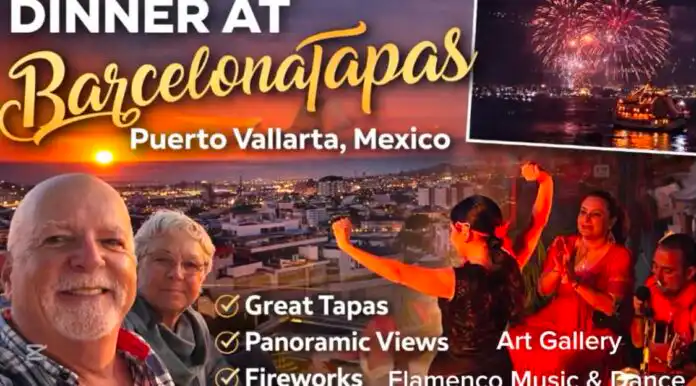
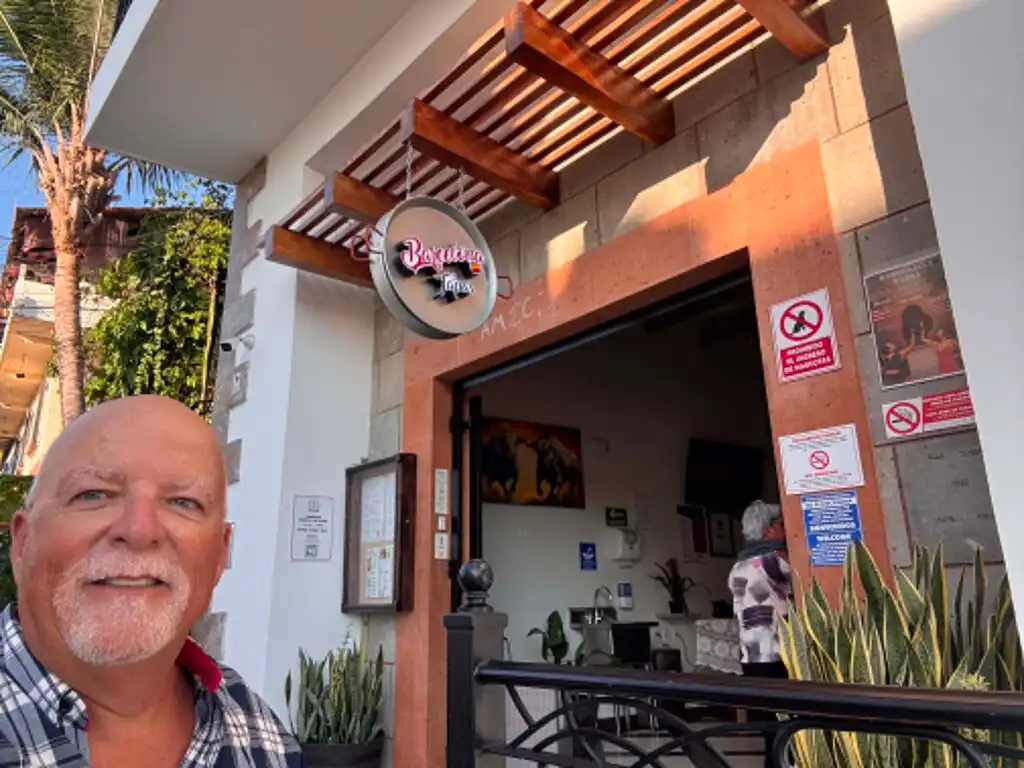
Barcelona Tapas & Flamenco Sunset Magic. A Perfect Night at Barcelona Tapas: Sunset, Spanish Tapas & Flamenco Magic
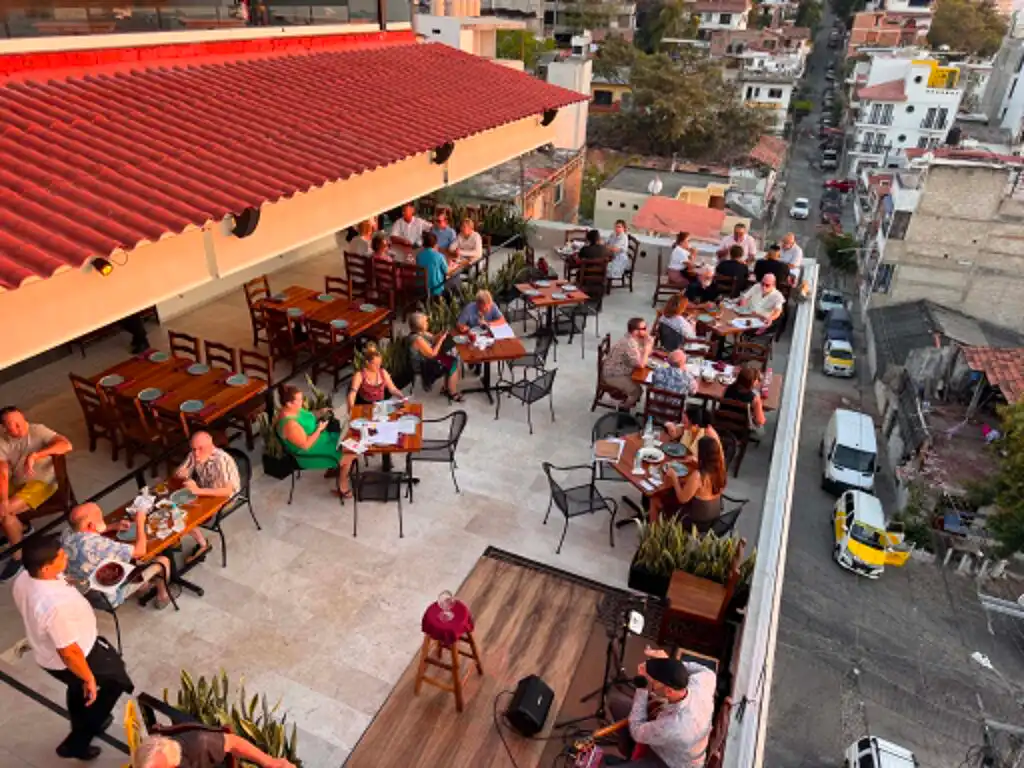
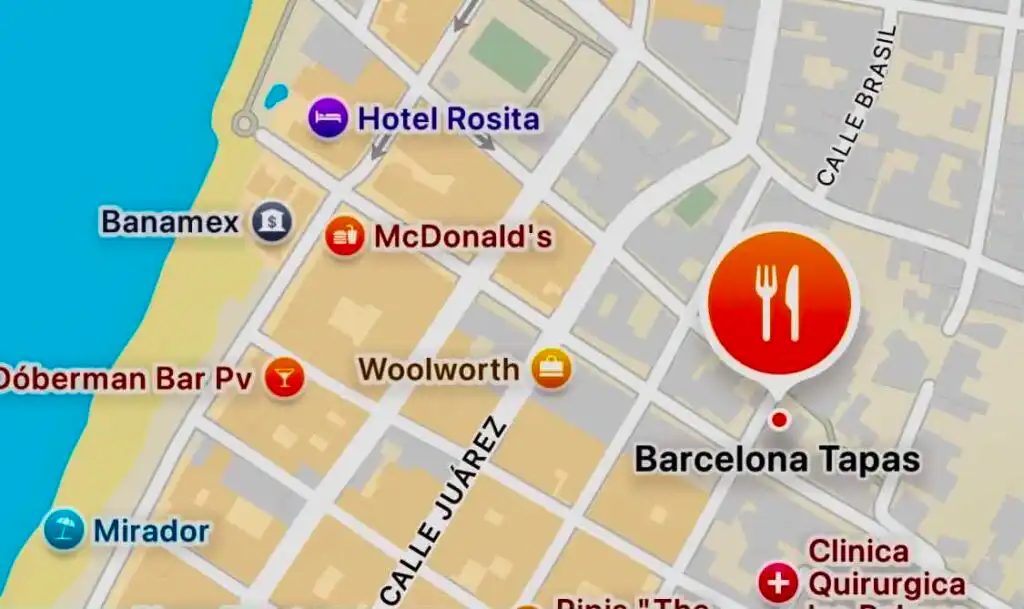
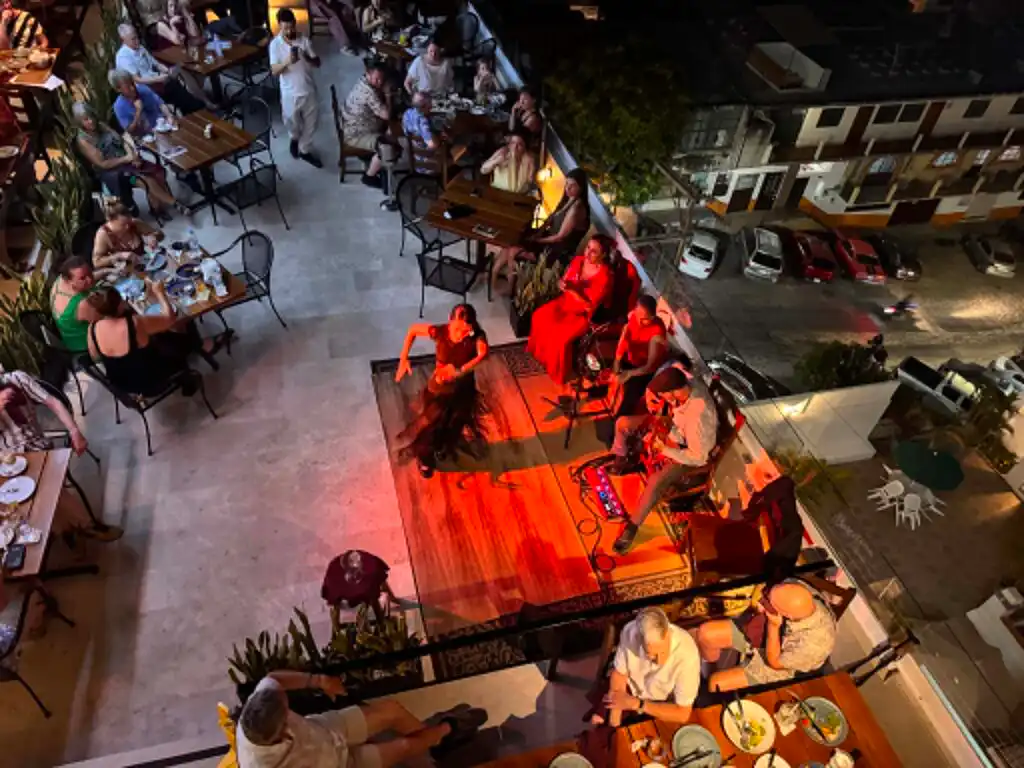
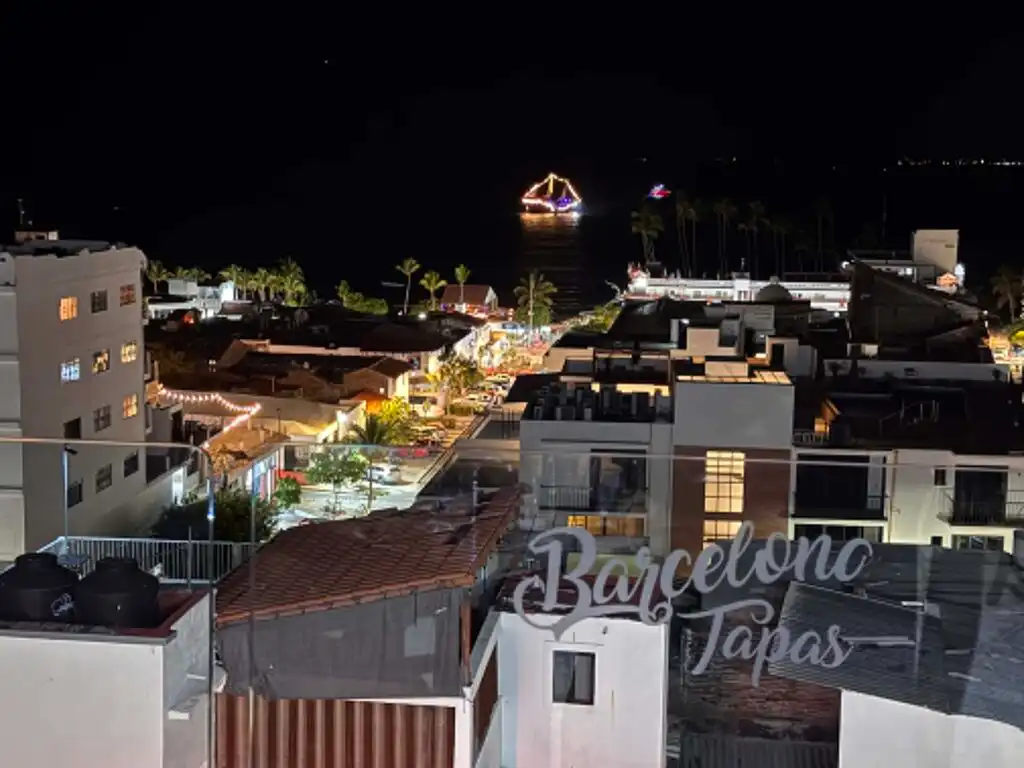
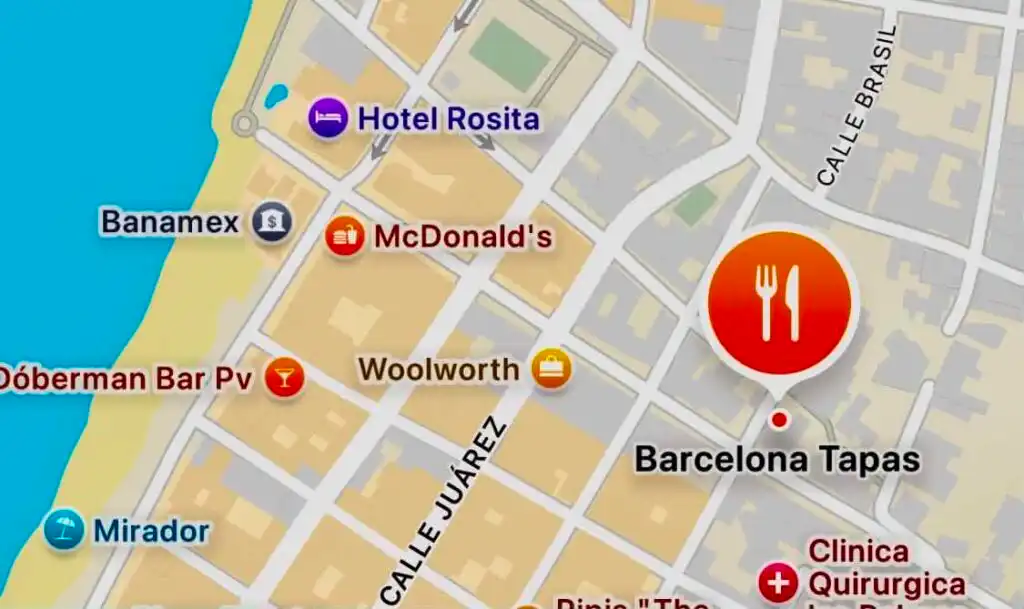
Our evening at Barcelona Tapas was the kind of experience you hope for when dining out in Puerto Vallarta, elevated in every sense of the word. Perched high above the city, we were seated on the fifth floor, easily one of the best vantage points in town. From here, we watched the sun melt into Banderas Bay, the city lights slowly flicker to life, and even caught the glow of the pirate ship fireworks in the distance.
Barcelona Tapas & Flamenco Sunset Magic Travel Guide Video Review
But the real highlight started at the table. Barcelona Tapas is known for its paella and incredible selection of authentic Spanish tapas, and we leaned fully into that experience. Instead of ordering everything at once, we let the evening unfold course by course, just as it should.
Barcelona Tapas & Flamenco Sunset Magic Travel Video Review
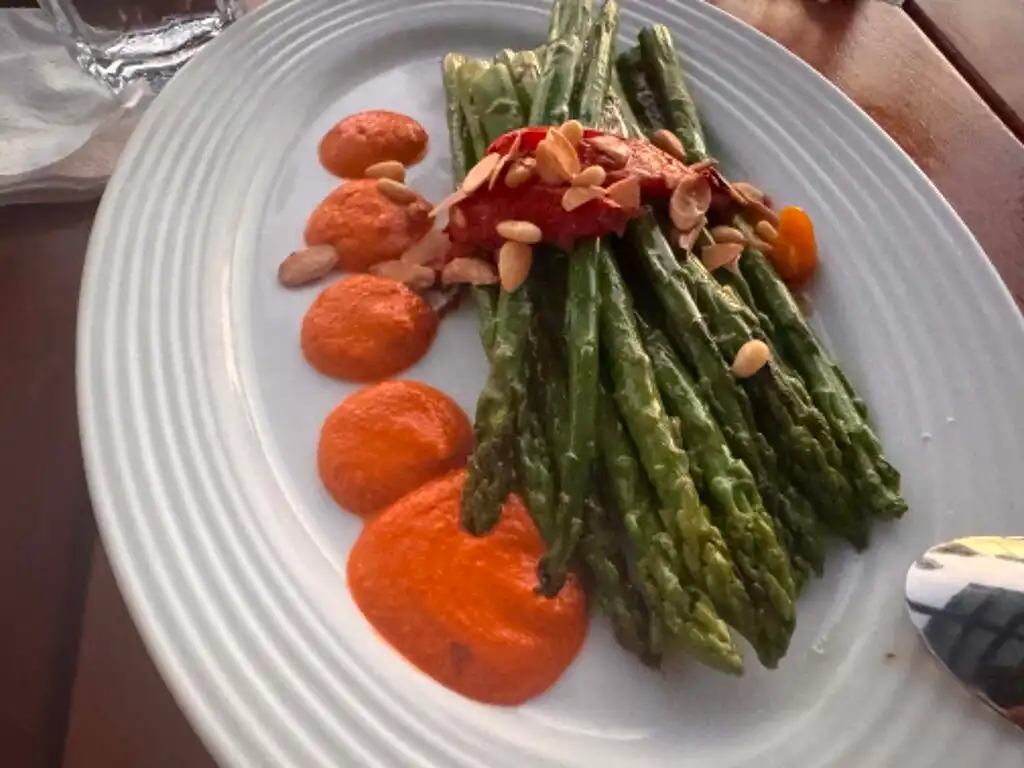
We began with the cold tapas, including a classic ensaladilla rusa (Spanish-style potato salad), light, creamy, and full of flavor. Then came the warm dishes, each one more satisfying than the last. The trío de setas (mushroom trio) was rich and earthy, the patatas bravas perfectly crisp with just the right kick, and the skewers pinchos de pollo and res were tender, seasoned beautifully, and grilled to perfection.
Barcelona Tapas & Flamenco Sunset Magic
Each dish was paired with excellent Spanish wines, which elevated every bite and made the whole experience feel even more authentic.
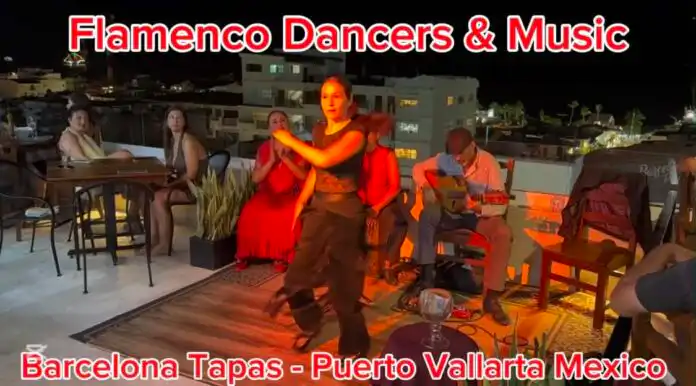
As if the food, wine, and views were not enough, the evening took on a whole new energy around 8 pm. From our seats, overlooking the fourth floor dining area below, we were treated to a live flamenco performance. The dancers, musicians, and singers brought an electric atmosphere passionate, powerful, and completely captivating. The sound of heels striking the floor, the rhythm of the guitar, and the emotion in every movement created a moment that pulled the entire restaurant together.
Barcelona Tapas & Flamenco Sunset Magic
From start to finish, this was not just dinner, it was a full sensory experience. Incredible food, world class views, and unforgettable entertainment. The perfect way to spend an evening in Puerto Vallarta.
Puerto Vallarta is not about perfection, it is about connection. At PromovisionPV.com, our goal is to help travelers avoid generic experiences and discover the city as it truly exists.
PromovisionPV emphasizes that Puerto Vallarta is more than just a beach town. Neighborhood reviews and local advice are highly valued because they help travelers avoid tourist traps. Practical Q&A format makes the guide stand out, it directly addresses the most common visitor concerns.
Search on PromovisionPV.com Travel Guide https://promovisionpv.com/search-on-promovisionpv-com-travel-guide/ Use the Search Bar and look on 1,500 Pages Somethings you may not know about Puerto Vallarta, Riviera Nayarit and Mexico. archives Puerto Vallarta, arts, Bucerias, Cirque du Soleil, Costa Alegre, culture, destination wedding, events, events schedule, gastronomy, gay pv, gay vallarta, informations, insurance, Jalisco, lgbtq, medical care, mexican food, Nayarit, news, Nuevo Nayarit, Punta Mita, Rincon de Guayabitos, safety, San Blas, San Pancho, Sayulita, See more
We provide information and resources for visitors to Puerto Vallarta, areas of The Riviera Nayarit and other destinations in both states of Jalisco and Nayarit . You will find variety of content, including articles, blog posts, videos, photos, descriptions and interviews, all of which are designed to help visitors plan their trip, including attractions, restaurants, and events. Follow: https://promovisionpv.com/
Barcelona Tapas & Flamenco Sunset Magic Travel Guide Video Review
Promote Your Tourism Business, Restaurant, or Tour Puerto Vallarta on PromovisionPV.com https://promovisionpv.com/promote-your-tourism-business-restaurant-or-tour-puerto-vallarta-on-promovisionpv-com/
What is #1 E-E-A-T Puerto Vallarta – Riviera Nayarit. E-E-A-T (Experience, Expertise, Authoritativeness, Trustworthiness) is a framework Google uses to evaluate content quality, particularly for YMYL (Your Money or Your Life) topics. High E-E-A-T is demonstrated by providing first-hand experience (photos/videos), showcasing creator credentials (bios/degrees), building industry reputation (backlinks/mentions), and ensuring site transparency (clear policies/accurate info).
What is #1 E-E-A-T Puerto Vallarta – Nayarit Puerto Vallarta You Need to Know Before You Go
PromovisionPV emphasizes that Puerto Vallarta is more than just a beach town. Neighborhood reviews and local advice are highly valued because they help travelers avoid tourist traps. Practical Q&A format makes the guide stand out, it directly addresses the most common visitor concerns.
Examples of E-E-A-T Experience (First-hand, real-world): A hiking blog post that includes original, dated photos from the trail and specific details about trail conditions, rather than generic tips.
What is #1 E-E-A-T Puerto Vallarta – Nayarit Puerto Vallarta You Need to Know Before You Go
Product Reviews: A review of a mechanical keyboard that includes close-up, original photos, a video sound test, and detailed pros/cons based on personal use.
PromovisionPV establishes high E-E-A-T for the Puerto Vallarta and Riviera Nayarit regions by functioning as a locally embedded, video first authority with over 1,500 expert guides and original content. The platform demonstrates experience and trust through extensive, on-location video production, detailed regional knowledge, and transparent, regularly updated, and verified safety and community information. For more details, visit PromovisionPV.com .
E-E-A-T in Tourism: The Ultimate Guide to Building a High-Ranking Puerto Vallarta & Riviera Nayarit Travel Platform
What is #1 E-E-A-T Puerto Vallarta – Nayarit Puerto Vallarta You Need to Know Before You GoLuxury Travel Puerto Vallarta – Riviera Nayarit
The travel industry has undergone a fundamental transformation. Today’s travelers are not simply searching for destinations, they are searching for trusted guidance, authentic experiences, and reliable expertise before making decisions that involve time, money, and personal safety.
For destinations like Puerto Vallarta and Riviera Nayarit, competition is intense. Thousands of travel blogs, booking platforms, and tourism agencies are competing for the same search visibility. In this environment, Google prioritizes content that demonstrates E-E-A-T: Experience, Expertise, Authoritativeness, and Trustworthiness.
What is #1 E-E-A-T Puerto Vallarta – Nayarit Puerto Vallarta You Need to Know Before You Go
As a top-ranking travel guide for Puerto Vallarta and Riviera Nayarit, E-E-A-T is not optional, it is the framework that determines whether content ranks or gets buried.
What E-E-A-T means in practical terms How it applies to tourism marketing How to align your content with modern traveler behavior How to structure your website for maximum SEO performance How to build authority and trust in a competitive travel niche
What is E-E-A-T? A Practical Definition for Travel Websites
E-E-A-T stands for: Experience Content created from first-hand, real-world interaction with a destination. Expertise Demonstrated knowledge about a subject, including logistics, culture, and travel planning. Authoritativeness Recognition as a reliable source within your niche. Trustworthiness Accuracy, transparency, and credibility across your entire website.
What is #1 E-E-A-T Puerto Vallarta – Nayarit Puerto Vallarta You Need to Know Before You Go
For a travel platform, this translates into a simple reality: The more the content reflects real experiences and reliable information, the more Google will trust and rank it.
Why E-E-A-T is Critical for Puerto Vallarta & Riviera Nayarit Tourism
Puerto Vallarta and Riviera Nayarit attract diverse traveler segments: Vacationers from North America Digital nomads Luxury travelers Adventure seekers Couples and honeymooners
Each group searches differently, but they all share one requirement: They need trustworthy, experience-based information. Common search queries include: Best things to do in Puerto Vallarta Is Puerto Vallarta safe for tourists Where to stay in Riviera Nayarit Best beaches in Puerto Vallarta Puerto Vallarta travel tips
1- First-Person Narratives “We walked the Malecón at sunset and discovered street performers, local art, and some of the best ocean views in Puerto Vallarta.”
2- Real Observations What surprised you What exceeded expectations What to avoid
3- Specific Details Pricing ranges Travel times Seasonal differences
4- Visual Proof Original photos Video content Location-based storytelling
Why This Matters
Modern travelers value: Authenticity Local insight Real recommendations
Experience-driven content not only ranks better,it converts better.
EXPERTISE: Structuring Knowledge for Dominance
Expertise is not just about knowing a destination itis about organizing that knowledge effectively.
Building Topical Authority
To establish expertise, your site must be structured into clear topic clusters: Core Pillar Topics Puerto Vallarta Travel Guide Riviera Nayarit Travel Guide Things to Do in Puerto Vallarta Where to Stay in Puerto Vallarta Puerto Vallarta Food Guide
Supporting Articles Best beaches in Puerto Vallarta Zona Romántica guide Puerto Vallarta nightlife Whale watching season Digital nomad guide
What is #1 E-E-A-T Puerto Vallarta – Nayarit
Each supporting article should link back to the main pillar page, creating a semantic SEO structure.
Benefits of This Structure Improves crawlability Increases keyword coverage Strengthens topical authority Boosts rankings for competitive terms
AUTHORITATIVENESS: Becoming a Recognized Travel Resource. Authoritativeness is built over time through consistent signals that indicate your site is a trusted source of information.
What is #1 E-E-A-T Puerto Vallarta – Nayarit
How to Build Authority
1- Author Transparency Include: Author bios Local expertise Travel credentials
2- Partnerships & Local Integration Work with: Hotels Tour operators Local businesses
3- Content Depth Publish comprehensive guides that cover: Logistics Cultural insights Recommendations FAQs
Authority in Tourism Marketing
In a competitive destination like Puerto Vallarta, authority is what separates: A casual blog A trusted travel platform
TRUSTWORTHINESS: The Key to Rankings and Conversions
Trustworthiness is essential for both SEO and user behavior.
Travel decisions involve: Financial investment Safety considerations Time planning
Key Trust Signals
1- Accurate, Updated Content Regular updates Seasonal relevance Current pricing
2- Transparency Clear contact information About page Disclosure of partnerships
3- Balanced Recommendations Pros and cons Honest insights Potential downsides
4- Safety Information Local safety tips Travel precautions resources
When users trust your content: Bounce rates decrease Engagement increases Conversions improve
Tourism Marketing Trends in Puerto Vallarta & Riviera Nayarit
Content must align with current travel trends.
1- Experience-Based Travel Travelers prioritize: Cultural immersion Local food experiences Hidden destinations
2- Visual Content Dominance High-performing travel content includes: Video guides Short-form content Interactive media
3- Hyper-Specific Search Intent Best tacos in Zona Romántica Quiet beaches near Puerto Vallarta Luxury villas in Riviera Nayarit
4- Digital Nomad Growth Puerto Vallarta is increasingly popular for: Remote work Long-term stays Lifestyle travel You will find:
Promovisionpv.com Puerto Vallarta travel guide Riviera Nayarit travel guide Things to do in Puerto Vallarta Puerto Vallarta beaches Puerto Vallarta restaurants Where to stay Puerto Vallarta Is Puerto Vallarta safe Best time to visit Puerto Vallarta Puerto Vallarta nightlife Puerto Vallarta excursions LGBTQ travel Puerto Vallarta Digital nomads Puerto Vallarta Eco tourism Riviera Nayarit Luxury travel Puerto Vallarta
Puerto Vallarta Travel Guide Safety Guide Digital Nomad Guide Food Guide Activities Guide
What Makes a Travel Website Relevant in 2026 1- Authentic Local Perspective Not generic travel advice, real insight. 2- Comprehensive Coverage From luxury travel to budget experiences. 3- Multimedia Content Video, photography, and interactive elements. 4- User-Focused Content
Answer real questions travelers are asking.
Content Strategy Weekly blog posts Seasonal updates Guides Lists Itineraries Video content Trust-Based Conversion Informed Confident Secure
E-E-A-T is the foundation of modern travel.
To dominate in Puerto Vallarta and Riviera Nayarit: Demonstrate real experience Organize expertise effectively Build authority through content and partnerships Establish trust through transparency and accuracy
As a leading travel authority that ranks consistently and converts visitors into engaged travelers.
Puerto Vallarta is not about perfection, it is about connection. At PromovisionPV.com, our goal is to help travelers avoid generic experiences and discover the city as it truly exists.
PromovisionPV emphasizes that Puerto Vallarta is more than just a beach town. Neighborhood reviews and local advice are highly valued because they help travelers avoid tourist traps. Practical Q&A format makes the guide stand out, it directly addresses the most common visitor concerns.
Search on PromovisionPV.com Travel Guide https://promovisionpv.com/search-on-promovisionpv-com-travel-guide/ Use the Search Bar and look on 1,500 Pages Somethings you may not know about Puerto Vallarta, Riviera Nayarit and Mexico. archives Puerto Vallarta, arts, Bucerias, Cirque du Soleil, Costa Alegre, culture, destination wedding, events, events schedule, gastronomy, gay pv, gay vallarta, informations, insurance, Jalisco, lgbtq, medical care, mexican food, Nayarit, news, Nuevo Nayarit, Punta Mita, Rincon de Guayabitos, safety, San Blas, San Pancho, Sayulita, See more
We provide information and resources for visitors to Puerto Vallarta, areas of The Riviera Nayarit and other destinations in both states of Jalisco and Nayarit . You will find variety of content, including articles, blog posts, videos, photos, descriptions and interviews, all of which are designed to help visitors plan their trip, including attractions, restaurants, and events. Follow: https://promovisionpv.com/
What is Cinco de Mayo Celebration Vallarta. May 5, the date of the commemoration of the Battle of Puebla, marks the victory of the Mexican army against the invasion of the second French Empire, which was the first time it successfully faced a foreign power since its independence.
The United States also celebrates this commemoration because Mexican forces did not allow France to pass onto American soil. In 1861, the country was bankrupt due to half a century of almost constant conflict and war. It could not face the most urgent needs, so on July 17, 1861, President Benito Juárez decreed a two-year extension to pay foreign debt to European countries.
In October 1861, France, England and Spain signed the London Convention and agreed to send soldiers to Mexico to claim their rights as creditors for a debt that amounted to around 80 million pesos. Approximately 69 million were for the English, 9 million for the Spanish and 2 million for France. The latter refused to negotiate, through diplomatic channels, the terms and conditions under which the debt would be paid later, as the Spanish and British did in the preliminary Treaties of La Soledad. So Napoleon III, ruler of France, decided to invade Mexico to establish a monarchy favorable to France, supply himself with raw materials and in the future extend his imperialism to the United States. To that end, he was to dissolve the Mexican Government established by President Benito Juárez.
In April 1862 the French landed in the port of Veracruz, and began the military campaign towards the center of the Republic. After several attacks, on May 5, 1862, the battle took place on the Loreto hill, at the top of which was a chapel converted into a fort to defend the city of Puebla. The hero of the first battle of Puebla was General Ignacio Zaragoza in command of almost 2,000 soldiers and 2,700 peasants using machetes and spears called “chinacas” made of wood with a metal tip. The French used pistols, metal-tipped carbines, bayonets, and cannons. The report that General Zaragoza gave about the Battle of Puebla to President Benito Juárez was brief and significant.
Mexico’s first victory did not last long. A year later, thirty-five thousand French troops managed to defeat the Mexican army, and in this way France managed to take control of Mexico City and imposed the Austrian Maximilian of Habsburg and his wife Carlota as emperor and empress of Mexico. . The emperor did not sustain his empire for long: France’s victory lasted only 4 years. In 1867, and due to the conflictive situation in Europe and pressure from the United States, Emperor Napoleon III ordered the withdrawal of military and economic support for Maximilian. At the same time, Mexican Republicans began to receive American financial and diplomatic support when the Civil War ended in that country, and the new empire began to lose its weak social base. Thus, during 1866 the Republicans were gaining important positions until the area of imperial influence was reduced to Puebla and Veracruz. On April 2, 1867, troops led by the Juarista Porfirio Díaz took the city of Puebla, thus militarily the empire was annihilated. Emperor Maximilian, by then besieged in Querétaro, was taken prisoner and shot in the city of Querétaro in “The Hill of the Bells.”
What is Cinco de Mayo and why is it celebrated in the United States?
Every May 5 in Mexico the victory in the 1862 battle of Puebla against France is commemorated. A century and a half later the festival has crossed the border and has become a holiday also in the United States.
What happened in the Battle of Puebla?
On May 5, 1862, the Army of the East, commanded by the young General Ignacio Zaragoza, defeated the invading troops of Napoleon III. The Battle of Puebla represents one of the most glorious episodes in our history.
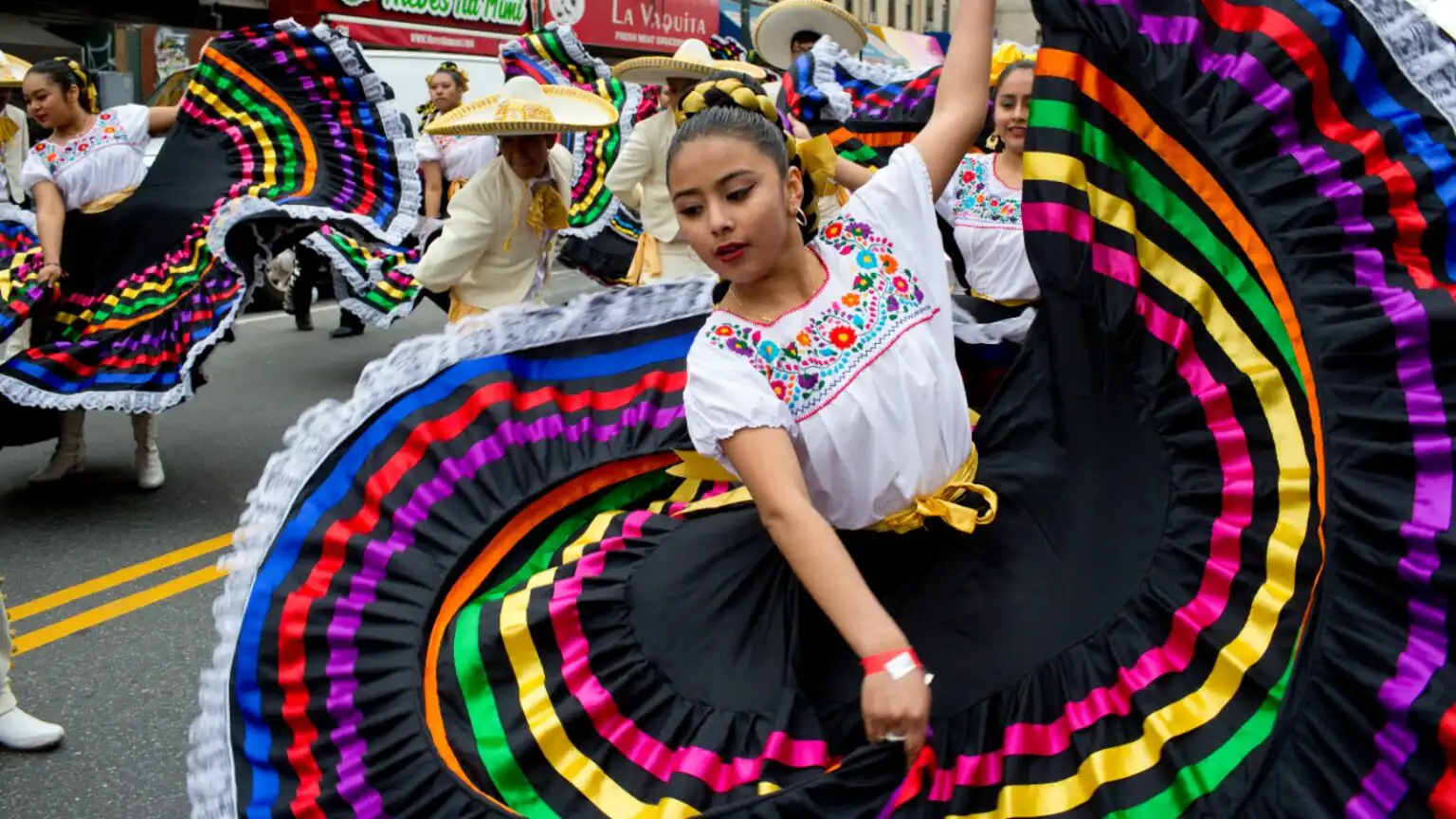
On May 5, the Battle of Puebla is recreated in the place where it occurred: a colorful parade of floats and participants dressed in bright traditional costumes travels through the streets. The entire history of Mexico is shown.
In 1863, the first Cinco de Mayo celebration was held in the United States, where Mexicans living in California remembered the date. In the United States there was fear of the French since they supported the Confederacy in the Civil War that devastated the country. Therefore, the date was remembered.
May 5, a day that in the United States is often confused with Mexican Independence Day. In fact, the historical moment that gave rise to this festival occurred more than fifty years after the date on which the Mexican War of Independence began. So here’s what you need to know about May 5, including how it became a major economic driver for entrepreneurs and beverage companies across the United States.
What is the importance of May 5?
Not widely celebrated in Mexico, 5 de Mayo commemorates an unexpected victory over France at the Battle of Puebla on May 5, 1862. The victory was exhilarating for the Mexican forces (and those who supported them from afar), but it was brief, because soon France occupied Mexico for a few years. Either way, May 5 continued to be celebrated in Puebla and, more interestingly, north of the border by some Americans of Mexican descent.
The country’s Independence Day is September 16 and is a national holiday. On that date in 1810, a priest named Miguel Hidalgo harangued Mexico to rise up against Spain, which gave rise to the War of Independence that ended in 1821.
In the early 1960s, many Mexican-American activists fighting in the civil rights movement in the United States used that day to demonstrate the pride they felt in their roots. Almost two decades later, in 1989, an importer of Mexican beers such as Modelo or Corona launched an advertising campaign related to that celebration. Initially the campaign was aimed at Latinos, but later expanded to a broader audience with advertisements on television and print media. This year, the Corona website has a clock with a “May Corona Countdown” during the hours leading up to May 5.
The commercialization of May 5 (and the criticism of cultural stereotypes) has been very successful. The market research agency Nielsen reported that in 2013 Americans bought more than $600 million worth of beer for May 5, more than for the Super Bowl or St. Patrick’s Day.
The evolution of this celebration from a sincere display of patriotism to a more corporate celebration has been, to say the least, irregular.
Many Latinos specifically avoid celebrating the day, in part due to a generational forgetfulness about the holiday’s origins during the Civil War.
Despite the controversies, many American cities and their Mexican communities will celebrate that day, including Portland, Oregon, Denver, Colorado, New York
5 de Mayo improved and proposed that the holiday could still be part of the celebration, but with greater emphasis on the historical context of the holiday. “Let’s take May 5 back to its roots as a commemoration of civil rights and social justice,” .
Puerto Vallarta’s municipal government recently announced progress in finalizing a Sister City twinning agreement with New York City. As part of the initiative, Puerto Vallarta will be advertised on Time Square screens during a parade on May 5th.
On May 5th, they will have a Cinco de Mayo parade and are looking to showcase Puerto Vallarta on Time Square screens. We’re also working to have Vallarta-themed letters displayed that day, similar to the ones here where people take pictures.”
Puerto Vallarta is not about perfection, it is about connection. At PromovisionPV.com, our goal is to help travelers avoid generic experiences and discover the city as it truly exists.
PromovisionPV emphasizes that Puerto Vallarta is more than just a beach town. Neighborhood reviews and local advice are highly valued because they help travelers avoid tourist traps. Practical Q&A format makes the guide stand out, it directly addresses the most common visitor concerns.
Search on PromovisionPV.com Travel Guide https://promovisionpv.com/search-on-promovisionpv-com-travel-guide/ Use the Search Bar and look on 1,500 Pages Somethings you may not know about Puerto Vallarta, Riviera Nayarit and Mexico. archives Puerto Vallarta, arts, Bucerias, Cirque du Soleil, Costa Alegre, culture, destination wedding, events, events schedule, gastronomy, gay pv, gay vallarta, informations, insurance, Jalisco, lgbtq, medical care, mexican food, Nayarit, news, Nuevo Nayarit, Punta Mita, Rincon de Guayabitos, safety, San Blas, San Pancho, Sayulita, See more
We provide information and resources for visitors to Puerto Vallarta, areas of The Riviera Nayarit and other destinations in both states of Jalisco and Nayarit . You will find variety of content, including articles, blog posts, videos, photos, descriptions and interviews, all of which are designed to help visitors plan their trip, including attractions, restaurants, and events. Follow: https://promovisionpv.com/
Barcelona Tapas Restaurant Puerto Vallarta Experience
Flamenco Nights Puerto Vallarta. After an incredible dinner at Barcelona Tapas, the night took an unforgettable turn with a live flamenco performance that completely stole the show. Set high above Puerto Vallarta with stunning views of the city lights and Banderas Bay, the atmosphere was already special but once the music started, it became something else entirely.
Flamenco Nights Puerto Vallarta Travel Guide Video Review
The rhythmic guitar, the soulful singing, and the powerful footwork of the dancers brought a piece of Spain right here to Mexico. Every step, every clap, every note was filled with passion and intensity you could feel it in the air. It’s one of those experiences that pulls you in and doesn’t let go.
Flamenco Nights in Puerto Vallarta
If you are looking for something beyond just a great meal in Puerto Vallarta, this is it. An after dinner experience that blends culture, energy, and pure artistry. Absolutely worth staying for the show.
Puerto Vallarta is not about perfection, it is about connection. At PromovisionPV.com, our goal is to help travelers avoid generic experiences and discover the city as it truly exists.
PromovisionPV emphasizes that Puerto Vallarta is more than just a beach town. Neighborhood reviews and local advice are highly valued because they help travelers avoid tourist traps. Practical Q&A format makes the guide stand out, it directly addresses the most common visitor concerns.
Search on PromovisionPV.com Travel Guide https://promovisionpv.com/search-on-promovisionpv-com-travel-guide/ Use the Search Bar and look on 1,500 Pages Somethings you may not know about Puerto Vallarta, Riviera Nayarit and Mexico. archives Puerto Vallarta, arts, Bucerias, Cirque du Soleil, Costa Alegre, culture, destination wedding, events, events schedule, gastronomy, gay pv, gay vallarta, informations, insurance, Jalisco, lgbtq, medical care, mexican food, Nayarit, news, Nuevo Nayarit, Punta Mita, Rincon de Guayabitos, safety, San Blas, San Pancho, Sayulita, See more
We provide information and resources for visitors to Puerto Vallarta, areas of The Riviera Nayarit and other destinations in both states of Jalisco and Nayarit . You will find variety of content, including articles, blog posts, videos, photos, descriptions and interviews, all of which are designed to help visitors plan their trip, including attractions, restaurants, and events. Follow: https://promovisionpv.com/