Home Blog Page 119

Festival Raicilla, Qu’est-ce que Raicilla ?

0

Qu’est-ce que Raïcilla ? Boisson d’appellation d’origine Jalisco. Vidéo de voyage Puerto Vallarta https://promovisionpv.com/quest-ce-que-la-raicilla-boisson-dappellation-dorigine-jalisco/

Une fête des saveurs et des traditions sera à vivre les 16 et 17 mars prochains, avec le 7. édition du Festival Raicilla ‘DamaJuana’, qui, qui se déroulera sur l’esplanade du Centre Culturel Rio Cuale, proposera un attractif programme artistique, culturel et gastronomique accompagné de cette boisson emblématique qui donne l’identité à notre région.

Tout au long de ces 7 années, plus qu’un festival, l’agence municipale rend hommage aux producteurs qui, avec leur travail, leurs efforts et leur dévouement, proposent cette boisson 100% artisanale typique de la région de la côte ouest de la Sierra pour la faire connaître comme un produit fédérateur. de cette région.

« Le Festival ‘DamaJuana’ a réussi à faire connaître un distillat peu connu, et par conséquent peu commercialisé, non seulement dans cette région mais aussi au niveau international en raison du nombre d’étrangers qui nous visitent à chacune de ses éditions. Ils viennent goûter les produits qu’ils proposent et par conséquent les acheter, la fête a donc servi à unifier les deux régions productrices de raicilla: raicilla de la Costa Sierra et raicilla de la Costa, réaffirmant ainsi les liens d’amitié qui existent entre les producteurs, ” il a noté.

Cette année, cinq municipalités seront présentes, à savoir Mixtlán, Cabo Corrientes, Mascota, San Sebastián del Oeste et Puerto Vallarta. Pour cette édition, il y a déjà 14 marques confirmées qui sont : La Imperdonable, El Tío Luis, Los Topete, La Fortunata, Eterno Embrujo, Los Tres Hombres, La Preferida de la Sierra, La Gorupa, Ninfa, Nebulosa, La Jorobada, Real. Roque, La Mía et Cervecería Colima ; Il y aura également 5 stands de restauration dont les restaurants intéressés pourront se rendre dans les locaux de l’IVC pour participer à cet événement important.

Le 16, l’inauguration de cette exposition raicillera aura lieu à midi, comptant tout au long de cette journée avec la participation du mariachi Los Polvitos, des chanteurs José Alfredo Samaniega et Angélica Santiago, du groupe Paranoia Rock Experience, DJ Junior, la Perla Negra. Groupe et présentation du ballet folklorique Xiutla.

Le 17 mars, les activités artistiques se poursuivent avec le ballet folklorique Tradiciones, les chanteurs Martín Rodríguez et Yessi Valente, le mariachi Herencia de México ; Reno, Reno, Reno et les Cumbia Friends, le groupe Sierreño Code Initial et le groupe polyvalent Farra.

Puerto Vallarta est une destination gastronomique mondiale représentative du pays, ce qui implique dans ce cas le jumelage avec la raicilla pour que « la tenue de ce type d’événements soit une promotion de la destination, des restaurants, de la gastronomie à base de produits locaux ».

Teléfono: +52 322 155 5160
ventas@tesorodeloeste.com

Concernant la présentation du livre, David Benjamín Baumgarten Macedo, qui appartient à la cinquième génération de raicilleros de sa famille, a déclaré que l’ouvrage reflète la recherche menée pendant quelques mois sur le terrain sur cette boisson, tant en montagne qu’en la côte. , donc pour la première fois il y aura une publication de cette taille. Il a également raconté l’histoire de la raicilla dans cette région et la lutte pour sa reconnaissance, en obtenant la marque collective en 2000 et en juin 2019 en obtenant l’appellation d’origine et avec elle, la protection de l’État mexicain.

Nous fournissons des informations et des ressources aux visiteurs de Puerto Vallarta, des régions de la Riviera Nayarit et d’autres destinations dans les deux États de Jalisco et de Nayarit. Vous trouverez une variété de contenus, notamment des articles, des articles de blog, des vidéos, des photos, des descriptions et des interviews, tous conçus pour aider les visiteurs à planifier leur voyage, y compris les attractions, les restaurants et les événements. Puerto Vallarta en Français https://promovisionpv.com/francais/

Puerto Vallarta Français

Visitez et Enregistrez vous a notre canal Youtube pour plus de videos de Puerto Vallarta – Riviera Nayarit: https://www.youtube.com/@promovision/videos

YouTube Puerto Vallarta

Web site: https://promovisionpv.com
YouTube: https://youtube.com/promovision
Instagram: https://instagram.com/promovisionpv/
Tweeter: https://x.com/promovisionpv
Threads: https://www.threads.net/@promovisionpv
Facebook: https://facebook.com/ray.dion.73
Blue Sky: https://bsky.app/profile/promovision.bsky.social

Festival Raicilla What is Raicilla?

0

What is Raicilla? Jalisco Denomination of Origin Drink. Travel Video Puerto Vallarta https://promovisionpv.com/what-is-raicilla-jalisco-denomination-of-origin-drink-travel-video-puerto-vallarta/

A festival of flavor and tradition will be experienced next March 16 and 17, with the 7th. edition of the ‘DamaJuana’ Raicilla Festival, which, taking place on the esplanade of the Rio Cuale Cultural Center, will offer an attractive artistic, cultural and food program accompanied by this emblematic drink that gives identity to our region.

Throughout these 7 years, more than a festival, the municipal agency pays tribute to the producers who, with their work, effort and dedication, they offer this 100% artisanal drink typical of the Western Sierra Coast region to make it known as a unifying product of this region.

“The ‘DamaJuana’ Festival has managed to make a distillate that was little known, and consequently little marketed, known not only in this region but also internationally due to the number of foreigners who visit us in each of its editions. They come to taste the products they offer and consequently to buy them, so the festival served to unify the two raicilla-producing regions: raicilla de la Costa Sierra and raicilla de la Costa, thus reaffirming the ties of friendship that exist between the producers,” he noted.

This year, there will be the presence of five municipalities, these being Mixtlán, Cabo Corrientes, Mascota, San Sebastián del Oeste and Puerto Vallarta. For this edition, there are already 14 confirmed brands which are: La Imperdonable, El Tío Luis, Los Topete, La Fortunata, Eterno Embrujo, Los Tres Hombres, La Preferida de la Sierra, La Gorupa, Ninfa, Nebulosa, La Jorobada , Real Roque, La Mía and Cervecería Colima; There will also be 5 food stands whose interested restaurants will be able to come to the IVC offices to be part of this important event.

Raicilla Tesoro del Oeste https://tesorodeloeste.com/

Teléfono: +52 322 155 5160
ventas@tesorodeloeste.com

On the 16th, the inauguration of this raicillera exhibition will take place at noon, counting throughout this day with the participation of the mariachi Los Polvitos, the singers José Alfredo Samaniega and Angélica Santiago, the group Paranoia Rock Experience, DJ Junior, the Perla Negra Band and the presentation of the Xiutla folkloric ballet.

For March 17, the artistic activities continue with the folkloric ballet Tradiciones, the singers Martín Rodríguez and Yessi Valente, the mariachi Herencia de México; Reno, Reno, Reno and the Cumbia Friends, the Sierreño group Code Initial and the versatile group Farra.

Puerto Vallarta is a world gastronomic destination representative of the country, which implies the pairing in this case with the raicilla so “that these types of events are held is a promotion to the destination, to the restaurants, to gastronomy using local products.”

Regarding the presentation of the book, David Benjamín Baumgarten Macedo, who belongs to the fifth generation of raicilleros in his family, stated that the work reflects the research carried out during a few months in the field on this drink, both in the mountains and on the coast. , so for the first time there will be a publication of this size. He also gave an account of the background of the raicilla in this region and the fight for its recognition, achieving the collective mark in 2000 and in June 2019 obtaining the designation of origin and with it, the protection of the Mexican state.

We provide information and resources for visitors to Puerto Vallarta, areas of The Riviera Nayarit and other destinations in both states of Jalisco and Nayarit . You will find variety of content, including articles, blog posts, videos, photos, descriptions and interviews, all of which are designed to help visitors plan their trip, including attractions, restaurants, and events. https://promovisionpv.com/
Puerto Vallarta

Visit and Subscribe to our YouTube Channel for more Puerto Vallarta – Riviera Nayarit videos: https://www.youtube.com/@promovision/videos
YouTube Puerto Vallarta

Mexican handcrafts folk art Puerto Vallarta.

0

Mexican handcrafts folk art Puerto Vallarta. Discover the Art and Culture of Mexico through its works. The products shown here are manufactured by Mexican artisans who make our Mexico proud and are authentic works made by Mexicans.

Mexican handcrafts

Artisans keep the country’s ancestral cultural legacy alive through the creation of pieces full of history and meaning. Each technique is unique; However, the variety of adaptations is endless.

Learn more about the history, processes and adaptations of each technique, as well as the master craftsmen.

What type of art is most popular in Mexico?
Ceramics are the most common type of Mexican folk art, which is not surprising considering that there are more than 100 types of clay in the country.

Mexican handcrafts

What is crafts in Mexico?
Mexican crafts and folk art is a collection of objects made of various materials intended as utilities, decoration and other purposes. Some of the objects handcrafted in this country are ceramics, murals, vases, carvings, textiles and much more.

What is the oldest craft in Mexico?
Pottery: the oldest industry in the world – Monte Xanic
In Mesoamerica, pottery stood out for its ceremonial and religious use, however, as civilizations grew, so did the degree of complexity and aesthetic care of these pieces. The main centers are located in Puebla, Oaxaca, Mexico, Hidalgo and Michoacán.

10 types of popular crafts in Mexico

Mexico is a country that has one of the richest and most marked cultures in Latin America, showing its customs and traditions that tell the stories of its different peoples.

Such customs are usually reflected daily in local crafts, since the workmanship of artisans is characterized by offering identity, natural beauty and native features in each of the pieces they make; Whether they are leather items, such as leather key-chains, or showing that cultural touch even in more elegant accessories that could serve as executive gifts.

Therefore, on this occasion we will show you the 10 best-known crafts in Mexico.

  1. Baked clay
Mexican handcrafts
Mexican handcrafts

Clay crafts are one of the most practiced in Mexico, since many of the states exhibit this type of work; especially in Guanajuato, a place where a large number of artisans coexist who make use of this precious material to make accessories of all kinds; among them, pots, vases, food utensils and countless decorative elements with figures and colors typical of each region.

This type of activity is usually widely marketed among tourists who seek to take home a native souvenir of the town, since this type of craft in particular is part of history as it has been present since pre-Hispanic times.

  1. Alebrijes
Mexican handcrafts
Mexican handcrafts

Alebrijes are crafts originating from the town of San Martín Tilcajete, which is part of the state of Oaxaca. These cultural pieces represent imaginary animals mixed between various species; and at first they were designed using cardboard by Pedro Linares, who baptized them with the name “alebrijes”. Although, as time went by, the artisans adapted the figures, carving them in wood with the purpose of making them more resistant.

The interesting thing about these artisanal elements is that, in some towns, such as San Antonio Arrazola, there are workshops that give the public the option of learning about the manufacturing process of these exotic and striking pieces, being able to enjoy their intense colors. and unique styles.

Mexican handcrafts
  1. Silversmith

Jewelry is another of the most in-demand activities in this country. Thanks to the mineral wealth that Mexico has, artisans can make all types of jewelry made from gold, silver and precious stones such as amber or jadeite and can even work on the design of various models of jewelry boxes to protect the garments.

These types of pieces are generally found in Hidalgo or Taxco, State of Guerrero; where local goldsmiths create all kinds of jewelry, such as earrings, chains, bracelets and rings made with high-quality silver.

  1. Piñatas
Mexican handcrafts
Mexican handcrafts

There is nothing more traditional in a celebration than a colorful piñata. Originally these pieces were created with a total of seven points, as a reference to the seven deadly sins taught by the Catholic religion. At that time, piñatas were filled with fruit, unlike what they are used for celebrations today, that is, candy.

And although the tradition of creating piñatas with colorful tips remains, there are piñateros who have adapted to the new era by creating updated piñatas with cartoon figures or more commercial designs, which can be found in any town you visit.

Mexican handcrafts
  1. Leather

Manufacturers of handmade leather goods are also part of Mexican culture, since in this area artisans use their skills to work, treat and process leather to create genuine, quality pieces; such as leather key-chains, straps, jackets, wallets, leather fanny packs or any other useful accessory. This being one of the most attractive areas for tourists.

  1. Huichol art
Mexican handcrafts
Mexican handcrafts

Being emblematic of the states of Nayarit, the north of Jalisco and some areas of Zacatecas, Huichol art has become part of the cultural heritage of Mexico, being a work in demand by local artisans, who are in charge of creating extravagant works very colorful, made of beads woven with tsikurite yarn.

Mexican handcrafts
Mexican handcrafts

Likewise, Huichol art is one of the most valuable artistic expressions, as it has been present since ancient times and it is believed that its peculiar designs are the product of hallucinations from peyote consumption.

  1. Charro hat

Another fundamental piece for Mexican crafts are the charro hats, an accessory that emerged from the mix between Mexican and Spanish culture, being part of the Spanish costume, which at the time was considered a symbol of social status. However, over the years this piece was transformed with the contribution of certain materials and handmade embroidery with colored thread fibers, becoming a work of art, more than just a common hat.

The variations of this accessory were such that today it is considered an emblem of cultural identity, being recognized anywhere in the world as a Mexican charro hat.

Mexican handcrafts
  1. Talavera from Puebla

Originally from the state of Puebla, the Talavera Puebla is a particular piece of ceramics, made by the talent of local artisans, who mixed a little of European culture, after the Spanish conquest.

The work carried out on these pieces consists of decorating the ceramic slabs with a characteristic bluish tone and various designs. Resulting in the creation of illustrated paintings that we can see on objects such as plates, vessels, bowls, among many other applications.

  1. Sarapes
Mexican handcrafts
Mexican handcrafts

When we talk about the world of textiles, we have to refer to sarapes, a typical craft of the Mexican people. These wonderful pieces were originally created in the 18th century in the state of Tlaxcala. Although its popularity arose in the north of the country and the state of Coahuila, more specifically in the city of Saltillo.

It is a garment that serves as a coat to combat the cold, generally made of wool or cotton on wooden looms. To make it, an artisanal spinning process must be carried out by very patient spinners, who are in charge of hand-embroidering a rhombus that indicates the authenticity of the sarape.

  1. Trees of life
Mexican handcrafts
Mexican handcrafts

This handmade sculpture is made of clay and used by citizens mainly for religious purposes, rather than decorative, being originally from Metepec, State of Mexico. The work of the artisans in this type of work is to create different symbols, placing the tree as a basis as a resemblance of life and developing a story of spirituality in a colorful way.

Tourists can get to know them for the Day of the Dead and the impressive altars that decorate the center of town.

Mexican handcrafts

Although these are the most popular types of crafts in Mexico, it is necessary to clarify that each town and corner of this country has its own artistic and cultural expressions that make them traditional.

What type of crafts are there in each region of Mexico?
Discover 7 crafts from 7 different states of the country

The Textiles of Chiapas.
The Baskets of Sonora.
The Piteado of Jalisco.
The Lacquers of Guerrero.
Chihuahua Ceramics.
The Black Mud of Oaxaca.
The Glazed Clay of Michoacán.

Mexican handcrafts
Mexican handcrafts

What is the most important craft in Mexico?
Most representative crafts of Mexico – Popular Art

Ceramics are probably the best known of Mexico’s popular arts, and one of the oldest. Ceramics are found in all regions of the country, in different shapes and styles.


What type of crafts are there in Sinaloa?
Handicrafts from Sinaloa – Destinations Mexico
In Sinaloa you can find carving works in wood and stone, as well as ceramics, basketry and other materials. The production of masks that are used in the various traditional festivities of each of the regions throughout the year stands out.


What are the crafts of Puebla?
Among the artisanal products that Poblanos and tourists will be able to purchase are clothing, coffee and derivatives, soaps, traditional medicine, chocolate, handbags, belts, hats, jewelry, decorative items, Talavera utensils, clay and onyx, among others.


What crafts are made in Chiapas?
We can say that there are 4 most characteristic or representative crafts of the Chiapas culture: amber, Chiapas lacquer, ceramics, and textiles.


What are the most important crafts in Oaxaca?
Crafts from Oaxaca – Oaxaca Mio
These crafts include: jackets, shoes, boots, huaraches, hats, caps, belts, bags, wallets and purses, as well as charrería items.


What is the craftsmanship of Veracruz?
Handicrafts from Veracruz – Destinations Mexico
There is a wide range of raw materials and an enormous wealth of traditions that, combined, result in unique and spectacular crafts. To name a few, Veracruz produces: palm and ware items, vanilla figurines, pottery, wool textiles, musical instruments and tortoiseshell items.


What is the craftsmanship of Sonora?

Etchojoa masks. Masks Various themes.
Seri basketry. Basketry Vegetable fibers.
Ironwood carving. Carved Woods.


What type of crafts are made in Jalisco?
Ceramics, textiles, basketry and jars; corn leaf, chilte or chicle, wood, stone carving, saddlery and leather; metalwork, glass, paper, cardboard and chandlery are the main materials with which artisanal and popular art works are manufactured in the state.


What is the craftsmanship of Durango?

Ixtle backpacks. Vegetable fiber backpacks.
Bows and arrows. Bows, arrows and quivers Various topics.
Tepehuano backpacks. Textile Backpacks.


What type of crafts are there in Zacatecas?
Crafts from Zacatecas – Destinations Mexico
Their creations are varied and include yarns, fabrics, saddles, jewelry, quarry carving, wooden furniture, pottery, blacksmithing, pottery, basketry, blown glass, resins, paper mache, leather objects with pyrography, and works with pita and lechuguilla.


What is the craftsmanship of Queretaro?
Handicrafts from Querétaro – Destinations Mexico
There is a great variety of crafts such as the embroidery from Tolimán, the rag dolls from the Amealco mountains, the quarry sculptures from Pedro Escobedo, the goldsmith work from San Juan del Río or the stick crafts from Tequisquiapan.


What is León’s craftsmanship?

Jiménez de Jamuz Pottery.
Wood crafts.
The textiles of the Val de San Lorenzo.
Other artisan products.
Curueño fishing feathers.
Traditional costumes.


What is the craftsmanship of Tamaulipas like?
Handicrafts from Tamaulipas – Destinations Mexico
In this region, pottery pieces, wooden barrels, wooden carts for teams, otate cane basketry, wooden saddles and saddles, as well as saddlery products in general are made.


What crafts are made in Yucatán?

Throughout Yucatán, articles are made from the most diverse materials, designs and colors, which in addition to being useful, add beauty and elegance to our environment: filigree jewelry in gold and silver; tortoiseshell, shell, snail, wood and carved stone artifacts; mud vessel; musical instruments; fiber fabrics..


What crafts are made in Chiapas?
We can say that there are 4 most characteristic or representative crafts of the Chiapas culture: amber, Chiapas lacquer, ceramics, and textiles.


What type of crafts are there in Oaxaca?
Get to know the Magical Handicraft Route of Oaxaca | Camino Real
Whether made of clay, wood, metal, cardboard, bones, feathers, reeds, palms, paper, textile, tin or leather, Oaxacan artisans have known how to make utilitarian or non-utilitarian items, which show the creativity they have.


What type of crafts are there in Puebla?
Among the artisanal products that Poblanos and tourists will be able to purchase are clothing, coffee and derivatives, soaps, traditional medicine, chocolate, handbags, belts, hats, jewelry, decorative items, Talavera utensils, clay and onyx, among others.


What is the crafts of Guanajuato?
Manuel Doblado Municipality | Blog
5 typical crafts from Guanajuato

Saddlery. …
Carved wood. …
Workmanship. …
Talavera. …
Cardboard.


What crafts are made in Guerrero?
Guerrero Crafts – Wikipedia, the free encyclopedia
Types of crafts

Paintings.
Lacquers.
Silver and other metals.
Palm leaf/basket weaving.
Ceramics.
Wood work.
Textiles.
Other crafts.


What are the crafts of San Luis Potosi?
Handicrafts from Ciudad Valles, San Luis Potosí Here saddlery, pottery, carpentry, cabinetmaking, floristry and basketry products are made. They make mesh fabrics, folders, bedspreads, tablecloths and blankets of fine thread, palm chairs and lasso ropes.


What crafts are there in Xalapa?
In addition, it is a place with a rich artisanal production where pottery, jewelry, textiles, blown glass and saddlery products, among others, are offered. The state capital has rescued the Olmec and Totonac traditions and makes jade and ceramic pieces that recall the creations of these cultures.


What is the craftsmanship of Veracruz?
Handicrafts from Veracruz – Destinations Mexico
There is a wide range of raw materials and an enormous wealth of traditions that, combined, result in unique and spectacular crafts. To name a few, Veracruz produces: palm and ware items, vanilla figurines, pottery, wool textiles, musical instruments and tortoiseshell items.


What is the crafts of Sinaloa?
“Crafts are part of man’s life and in Sinaloa we can talk about basketry, palm weaving, embroidery on sheets, tablecloths, curtains and napkins, utilitarian ceramics; pots, flowerpots, pans, casseroles and various decorative pieces in clay, wood, basketry, palm weaving,” he mentioned.


What are the crafts of Coahuila?

Carved mesquite wood. Wood Carving.
Embroidered deerskin. Embroidered leather Saddlery.
Sarapes de Saltillo. Sarape Textiles.


What is Chihuahua crafts like?
Chihuahua Handicrafts – Destinations Mexico
Crafts in the City of Chihuahua

Basket weaving made with palmilla, soto and pine leaves is also another craft of this state, as are the wooden carved masks that represent some of the most deeply rooted traditions of the Sierra Tarahumara.


What are the crafts of Baja California Sur?
Baskets and baskets are mainly made with bull fiber. For the use and transformation of palm leaves there is a craft workshop in which handbags, hats, flowers, fans, vases, seat covers, jewelry boxes, packaging boxes and simple toys are made.


What type of crafts are there in Michoacán?
Handicrafts from Michoacán – Destinations Mexico
His creations such as the Copper pots from Santa Clara, the glazed earthenware pineapples from San José Gracia, the dotted pottery from Cápula and the colorful furniture from Cuanajo, are just a sample of Michoacan creativity.


What are the crafts of Nayarit?
Nayarit Handicrafts – Destinations Mexico
You can find blown glass crafts, pottery, colonial furniture, palm weaving, wood carving, colonial blacksmithing and huaraches. Of course, you will also find the typical Huichol crafts with their original and colorful designs on jewelry and decorative items.


What is the craftsmanship of Quintana Roo?
Crafts from the Mexican Caribbean – Destinations Mexico
Throughout Quintana Roo you can see artistic expressions such as their beautifully embroidered huipils, their woven hats, their wooden sculptures, their creations with vine, or their original pieces made with snails and seashells.


What are the crafts of San Luis Potosi?
Handicrafts from Ciudad Valles, San Luis Potosí Here saddlery, pottery, carpentry, cabinetmaking, floristry and basketry products are made. They make mesh fabrics, folders, bedspreads, tablecloths and blankets of fine thread, palm chairs and lasso ropes.


What crafts are made in Tabasco?
Tabasco Handicrafts – Destinations Mexico
The town produces utilitarian items such as mats, hats, fans, brooms, baskets, curtains, caps, handbags, as well as various ornaments made of guano and painted joloche, wooden masks, miniature cayucos, flutes and drums of various sizes.


What crafts are there in Mérida?
Yucatan Handicrafts – Destinations Mexico
Crafts in Mérida

Here you can find traditional guayaberas, hammocks, embroidered clothing, jewelry and a wide variety of products. Another good option to buy crafts and souvenirs is the García Rejón Market.


What crafts are made in Campeche?
Handicrafts from Campeche – Destinations Mexico
In this community, artisans make tableware, pots, bowls, planters, plates and other ornamental objects.


What are the crafts of Tuxtla Gutiérrez?
In this city you can find pieces from almost all craft branches, ceramics, lacquered objects, toys, jewelry, masks and of course textiles with embroidery that will leave you speechless.


What crafts are there in Morelia?
Morelia Sweets and Crafts Market – Unknown Mexico
And if you go, don’t forget to purchase one of the beautiful crafts they sell at the market:

colorful Purépecha rebozos.
various copper pieces from the Magic Town of Santa Clara.
the traditional catrinas of Capula.
guitars from the Magic Town of Paracho.
wooden items from the Quiroga area.


Mexican handcrafts and folk art is a complex collection of items made with various materials and intended for utilitarian, decorative or other purposes. Some of the items produced by hand in this country include ceramics, wall hangings, vases, furniture, textiles and much more. In Mexico, both crafts created for utilitarian purposes and folk art are collectively known as “artesanía” as both have a similar history and both are a valued part of Mexico’s national identity. Mexico’s artesanía tradition is a blend of indigenous and European techniques and designs. This blending, called “mestizo” was particularly emphasized by Mexico’s political, intellectual and artistic elite in the early 20th century after the Mexican Revolution toppled Porfirio Díaz’s French-style and modernization-focused presidency.Today, Mexican artesanía is exported and is one of the reasons why tourists are attracted to the country. However, competition from manufactured products and imitations from countries like China have caused problems for Mexico’s artisans.

Definition of Mexican folk arts and crafts

Wood and fiber crafts for sale at the municipal market in Pátzcuaro.
Dolls made of cartonería from the Miss Lupita project.

Mexican handcrafts and folk art is a complex collection of items made with various materials and fashioned for utilitarian, decorative or other purposes, such as wall hangings, vases, toys and items created for celebrations, festivities and religious rites. These arts and crafts are collectively called “artesanía” in Mexican Spanish. This term was invented in Spanish during the 20th century to distinguish merchandise made by traditional methods versus those made by industrial/assembly line methods. The word is also used to promote traditional products to tourists and as a source of Mexican national identity. Mexican artesanía has its foundations in the crafts of the many pre-Hispanic cultures within the country, but 500 years of European influence has transformed it into a mixture of the two and unique to Mexico. Most artesanía produced here shows both European and native influences in the crafting, the design or both.

Artesanía can be defined as those items created by common people, using traditional methods which are well-founded in the past. Most artisans do not have school-based training in their craft, but rather learn it through formal or informal apprenticeship. The term “common people” for Mexico generally applies to people native to rural areas and those outside the upper and middle classes.

For Mexico, artesanía is heavily tied to national identity as well as indigenous identities, and this idea is often played out in movies and television in the country. From the early 20th century to the present day, Mexican folk art has inspired famous artists such as Frida Kahlo, Diego Rivera, Rufino Tamayo, José Clemente Orozco, Fernández Ledezma, Luis Nishizawa and many others. Miguel Covarrubias and Salvador Novo defined true Mexican artesanía as a blending of European and indigenous traditions, with items produced for domestic consumption, mostly for the Mexican middle class. This definition best applies to the production of pottery, leather work, textiles and toys. This definition is founded in the early post-Mexican Revolution era when artists and intellectuals were concerned with creating a native identity for Mexico, which revolved around the concept of “mestizo” or the blend of European and indigenous races. It was even thought by some of its proponents, such as Dr. Atl, that any change in the artesanía of Mexico would lead to its degradation and of the identity they represent.

Pottery with indigenous design

Most of the artesanía produced in Mexico is ordinary things made for daily use, but they are still considered artistic because most contain decorative details and/or are painted in bright colors for aesthetic purposes. The bold use of colors in crafts and other constructions extends back into pre-Hispanic times. Pyramids, temples, murals, textiles and religious objects were painted or colored ochre red, bright green, burnt orange, various yellows and turquoise. These would be joined by other colors introduced by European and Asian contact, but always in bold tones. Even the production of colors ties into the history of craft making. Red pigment since pre-Hispanic times has made from the cochineal bug, which is crushed, dried and ground to a powder to mix into a liquid base.

Design motifs can vary from purely indigenous to mostly European with some other elements thrown in. Geometric designs are prevalent and the most directly connected to Mexico’s pre-Hispanic past and/or items made by the country’s remaining purely indigenous communities. Motifs from nature are as popular, if not more so, than geometric patterns in both pre-Hispanic and European-influenced designs. They are especially prevalent in wall-hangings and ceramics. Mexican artesanía also shows influence from cultures other than European. Puebla’s famous Talavera pottery is a mix of Chinese, Arab, Spanish and indigenous design influences. Lacquered furniture was unknown in Mexico until the Manila galleons brought lacquered wood products here, which local craftsmen copied.

Many Mexican crafts are considered to be of “Baroque” style, with the definition of such as “a decorative style characterized by the use, and the occasional abuse, of ornaments in which the curved line predominates.” This is a result of Spanish Plateresque and Churrigueresque styles being used during the colonial periods and possibly from some highly ornate pre-Hispanic traditions as well.

Since pre-Hispanic times, folk art (arte popular) in Mesoamerica has been the primary vehicle through which people have expressed their dreams and fears, courted their lovers, amused their children, worshiped their gods, and honored their ancestors. By the late pre-Conquest era, the Aztecs had absorbed many of the crafts and trades traditions from the Toltecs, Mixtecs, Zapotecs and the Maya. In some of his writings, Hernán Cortés describes the myriad of handcrafted goods available in Tenochtitlan’s markets such as textiles, feather art, containers made with gourds and objects made of precious metals. Bernardino de Sahagún describes the various items made from the maguey plant, the wide variety of pottery, as well as about the privileged place that artisans held in the native social hierarchy.

In the very early colonial period, the native artisan class was persecuted and was all but destroyed, as many of the designs and techniques they used were linked to pre-Hispanic religious practices, which the Spaniards wanted replaced with Christianity. Conversely, new crafts and new craft techniques were introduced from Europe and often taught to indigenous and mestizo people in missions.

Those crafts that survived the Conquest, such as pottery, were enriched by the new techniques from Europe. New crafts were also brought to Mexico, such as saddlemaking, and naturalized by local artisans, using elements of indigenous designs. However, crafts which did not fit with European lifestyles or tastes, such as like feather mosaics, tended to disappear.

One notable case of the re-establishment of crafts in the early colonial period is the work of Vasco de Quiroga. Quiroga arrived to the newly conquered Michoacán province after Nuño Beltrán de Guzmán had murdered many of the native Purépechans, ruined many crops and disrupted the economy. He began to repair the damage by feeding the hungry, founding schools and hospitals and reconstructing the economy. He worked to re-establish the crafts that had existed previously, often introducing new techniques, and to establish new crafts. To avoid competition for the same limited markets, he encouraged each village to specialize in one particular craft or product. He was successful in bringing many native craftsmen back to their work. Quiroga was the first to systematically blend native and Spanish craft techniques as well as organization of labor. Vasco de Quiroga is still honored in the state of Michoacán, especially the Lake Pátzcuaro region, and the state is well known as a crafts producer.

In time, the crafts redefined themselves, as most of them were dominated by mestizos or those of mixed indigenous and European ancestry. However, tight control was kept on production by the higher classes and government authorities.

Near the end of the colonial period, another member of the clergy was active in promoting the crafts as way to help those in lower social positions in Mexico. In 1803, Miguel Hidalgo y Costilla settled in as the parish priest of Dolores, Guanajuato. Turning over most of his religious duties to a vicar, Hidalgo dedicated himself to commerce, intellectual pursuits and humanitarian activity. He spent much of his time studying literature, scientific works, grape cultivation, the raising of silkworms. He used the knowledge that he gained to promote economic activities for the poor and rural people in his area. He established factories to make bricks and pottery and trained indigenous people in the working of leather. He also promoted beekeeping. He was interested in promoting activities of commercial value to use the natural resources of the area to help the poor. His goal was to make the Indians and mestizos more self-reliant. However, these activities violated policies designed to protect Spanish peninsular agriculture and industry, and Hidalgo was ordered to stop them. The Spanish authority’s treatment of peasants and the lower classes would be one factor in pushing Hidalgo to begin the Mexican War of Independence with his famous Grito de Dolores. Hidalgo’s efforts founded the Majolica pottery industry in Guanajuato state.

16th or 17th century Talavera bowl at the Museo de Arte Popular, Mexico City.

After the Mexican War of Independence, the crafts’ guilds that had regulated manufacture through the colonial period were abolished. Since anyone could call themself a craftsman, product quality deteriorated badly, especially in pottery, foreign products entered the country freely and industrialization began to take hold. To help stop the socio-economic deterioration of artisans, brotherhoods, cooperatives and professional organizations were founded. However, indigenous artists generally did not join these associations, and they remained within their own socioeconomic organizations.

The status of native crafts remained precarious and were further depreciated during what is now known as the Porfirato, or the long rule of President Porfirio Díaz from the 1880s to 1910. Not only crafts, but just about everything native to Mexico was nearly discarded in favor of French-style and modernization.

The Porfirato was ended by the Mexican Revolution. Near the end of the Revolution, there was a desire on the part of artists, intellectuals and politicians to define and promote a national Mexican identity. Part of this effort was aimed at Mexico’s crafts tradition. A number of Mexican intellectuals and artists, including Dr. Atl and Adolfo Best Maugard, were fascinated in folk art. Convinced of its importance, they began to write about the subject, and since then numerous books about the topic have been published.[6] President Alvaro Obregon was interested in promoting Mexican crafts outside of Mexico. A group of academics and artists interested in folk art was commissioned to form the first collections of these for public display. This group included Gerardo Murillo, Javier Guerrero, Ixca Farías, Roberto Montenegro and Gabriel Fernández Ledezma.

Objects made with local marble in Vizarrón, Querétaro

The centennial of the end of the Mexican War of Independence in 1821 prompted two major exhibitions of Mexican folk art, one in Mexico City and the other in Los Angeles. These were conceived of by Roberto Montenegro and Jorge Enciso, with help from Xavier Guerrero, Adolfo Best Maugard and Gerardo Murillo or Dr Atl. At this time period, Dr Atl published a two-volume work called “Las artes populares de México” (Folk arts of Mexico) which became an authority on the subject. This survey included discussions on pottery, fired-clay earthenware, toys, silverwork, goldwork, feather mosaics, basketry, textiles, wood objects, folk religious paintings called ex-votos or retablos as well as other folk art expression such as theater, poetry and printmaking.

In the 1920s, upper-class homes were still mostly arranged in European style, with the middle and lower classes adorning their homes with crafts such as serapes from Oaxaca. During the 1920s and 1930s, Mexican artists and academics such as Diego Rivera, Adolfo Best Maugart and Frida Kahlo promoted Mexican folk arts and crafts as well as foreigners such as Francisca Toor and William Spratling. Diego Rivera and Frida Kahlo encouraged linked Mexican identity with indigenous crafts, with Frida adopting indigenous dress as her look.

Folk art did have significant influence on the fine arts in Mexico during these decades, which can be seen in paintings by Frida Kahlo, María Izquierdo, Roberto Montenegro and others. One particular influence was the use of bold colors. Artesanía was depicted as a phenomenon of the masses, with the aim of promoting Mexican national identity. Despite the support for artesanía by many of Mexico’s elite, foreign collectors, critics and gallery owners in the first decades of the 20th century, the pieces themselves were never considered true art. They were considered to be examples of native intuition, genius and tradition but not individual talent. For most of the 20th century, what had mostly been discussed about Mexican artisanía is its collective meaning, especially identifying it with various ethnic groups. This anonymity assured that such expressions would remain somewhat inferior to “true art,” and its creators called artisans and not artists.

Barro negro (black clay) and majolica ceramics in San Bartolo Coyotepec, Oaxaca.

Mexican handcrafts
Mexican handcrafts

From 1920 to 1950, Mexico was the third largest producer of handcrafts, behind Japan and China, with the support described above. However, this support did not lead to major museum collections or higher valuations on the work being produced. Some crafts did not benefit from being associated with the new myth of Mexican identity. One in particular is waxcrafting, as it is mostly associated with Catholic religious items and motifs. Today, only a handful of people still work with wax and for all intents and purposes, the craft is dead in Mexico. The glorification of crafts and national icons, archetypes and prototypes in the first half of the 20th century had some negative effects. Certain images such as the China Poblana, rural scenes, charros etc.,began to appear almost ubiquitously on products artisans were making. The promotion of Mexican artesanía was accepted earlier by foreigners than by Mexicans themselves. Very few examples of crafts from the early 20th century survive and most of the best collections of it are in North American or European hands.

Native Mexican appreciation of their own crafts would be helped near the mid century, in part because of the popularity of films by Emilio “El Indio” Fernández and Gabriel Figueroa. Eventually, even homes in the exclusive Lomas de Chapultepec neighborhood of Mexico City would have some touch of “lo mexicano” (Mexican-ness) in their décor. At the end of the 1940, governor of the State of Mexico Isidro Fabela created the first museum dedicated to Mexican folk arts and crafts in Toluca. Later Mexican president Miguel Alemán Valdés inaugurated the National Museum of Popular Arts and Industries, naming Fernando Gamboa as curator. Gamboa organized an exposition in Europe with great success. Adolfo López Mateos created a trust to promote Mexican arts and crafts called the Banco Nacional de Fomento Cooperativo which was transformed into the current Fondo Nacional para el Fomento de la Artesanías (FONART) by Luis Echeverría. Various states organized similar support structures, including Casas de Artesanías which are state-run store selling handcrafted merchandise. A private initiative by Banamex supports a large number of artists and arranges expositions where some of the best crafts to be found can be seen and bought.

Huichol bead mask in process
Objects made of barro, Macuspana, Tabasco.

In 1940, the Primer Congreso Indigenista Interamericano took place in Pátzcuaro, giving rise to the Instituto Indigenista Mexicano. In the 1950s, this institute, along with INAH created the Patronato de las Artes e Industrias Populares, which played an important part in the protection and promotion of Mexican handicrafts. During the same decade, the first socio-economic studies of these craft traditions took place, with the aim of establishing economic policies in their regard. In 1969, the first Congreso Nacional de Artesanía took place in Mexico City, which led to the creation of the Consejo Nacional par alas Artesanias, with a store named the Palacio de las Artesanías. Later the Direccion General de Arte Popular and the Fondo Nacional para el Fomento de la Artesanias were created. These would be later replaced with the Dirección General de Culturas Populares and within this entity is the Departamento de Artesanías. Next was established the Junta de Fomento de Artesanos, which published a magazine called Semanario Artístico. To promote Mexican made products, the group organized the Juntas Patrióticas, which has one objective as the exclusive consumption by its members only of folk art and crafts from Mexico. Many of these organizations have recognitions, awards and events related to artesanía including a national prize the Premio Nacional de Arte Popular (National Folk Art Award).

With the rise of intellectual and formal institutional interest in artesanía came also an ebb of interest in the Mexican populace. Much of this was due to the rise of the middle classes in Mexico between 1950 and 1980 who showed a preference for mass-produced items and the desire to be part of a progressive, national culture, rather than a local traditional one. By the end of this period, artesanía was considered to be nothing more than a collection of curiosities. Cheap imitations of Mexican crafts, especially those connected to religion, began to arrive to Mexican markets from North America and Asia, devolving into kitsch, such as images of Christ with optical illusions to make him look like he is blinking. True folk images such as exvotos were no longer made or made for tourists or collectors, not as true religious expression.

Interest in the latter part of the 20th century would be concentrated among academics, collector/“experts” and tourists. Among the artisans themselves, there has been some movement since the 1970s to break from the tradition of anonymity to having the individual’s talents recognized as artists. Some who have managed to do this include Roberto Ruiz, who specializes in works made from bone, Teresa Nava who makes maquettes, Teodoro Torres who makes lead figures and many more. In each of these cases, the artists’ individual talents are part of the value of the works made.

The tourism industry and foreign interest are now an essential part of keeping the Mexican artesanía tradition alive. However, mass production of imitations are often sold to tourists.

Crafts/souvenirs market at Janitzio Island, Michoacán

Mexican artesanía is sold to foreigners in two ways. The first is to tourists, as Mexican handmade items is part of what makes the country attractive to foreign visitors. The second is through exports. Mexican artesanía is widely sold outside of Mexico, especially through the Internet. However, there is no single marketing entity or corporation whose business is to export Mexican artesanía in general. Exporting is mostly done by investments in a particular crafts by particular people, rather than a large scale promotion of Mexican crafts in general.

One example involves smaller enterprises and cooperatives attracting foreign investment and opportunities to sell their wares abroad. One such cooperative, headed by Nurith Alvarez Cravioto, in Hidalgo State consists of rural poor, many of whom have sent men to the United States to work, and ex-convicts who cannot find employment. They needed an investment of almost US$10,000 to build workshops and buy equipment. They were unsuccessful getting money from the Hidalgo or Mexican federal sources. However, their case was well known enough that a state politician mentioned them to the secretary of the Japanese embassy in Mexico. The cooperative made a sales pitch to the Japanese embassy, which agreed to fund the cooperative. This effort is hoped to lead to the ability to export the cooperative’s products to Japan.

Another community in Hidalgo called Axhiquihuixtla makes ceremonial masks of sculpted wood. Sculptor Javier Astora found the community and bought their masks. They masks wound up at a gallery called Biddingtons in New York where they fetched prices of up to 350 dollars each, in comparison to the 250 pesos (roughly $25) they normally sold for.

Maintaining the tradition Man decorating leather with stitching

As in the past, most handcrafted products produced in Mexico are still consumed domestically in everyday family life, especially items such as clothes, kitchen utensils and the like, as well as ceremonial and religious objects. Much of what the world knows as Mexican craft was promoted in the 1920s and is considered luxurious, with Talavera pottery as an example. Tradition survives in the production of many of these products. Only five percent of Mexico’s artisans employ innovative methods in production, design and promotion with success. 65% continue making their crafts with little, if any, differences from their ancestors and 30% are somewhere in between.

Stoneware plate with modern wave design at the Museo de Arte Popular in Mexico City

Many organizations and government programs exist to help craftspeople and promote the production of artsanía. Many art schools in Mexico have classes in certain crafts and the Instituto Nacional de Bellas Artes y Literatura has a Crafts School.[3] In Puebla, artists such as Juan Soriano, Vicente Rojo Almazán, Javier Marín, Gustavo Pérez, Magali Lara and Francisco Toledo were invited to help redesign the decoration of the ceramics produced there (but not the production techniques), which they did by adding human forms, animals and others to the traditional images of flowers and curved designs.

The intervention of artists in the design process has been criticized by experts such as anthropologist Victoria Novelo, who claims that many of these artists “interfere” in the craft process by introducing ideas even though they have no studies in the cultural traditions behind these crafts. She also claims that many college-educated designers believe that with innovative designs, they can help the artisan get out of poverty, without knowing why the artisan is poor in the first place.

Despite organizations and institutions, most Mexican artisans are impoverished with little access to quality materials or designs, because of lack of cultural knowledge. Artisans also must compete with goods manufactured in large factories and copies of Mexican artesania imported from places like China. This keeps prices down, and the time it takes to make authentic artesanía puts the Mexican craftsmen at an economic disadvantage. This is one reason why younger generations have less interest in the craft tradition.

Types of folk arts and crafts in Mexico
Talavera washbasins with traditional designs

Handcrafts in Mexico vary widely from materials used, techniques and employ and styles preferred. The most prevalent of Mexico’s crafts is ceramics/pottery. Ceramics was considered one of the highest art forms during the Aztec Empire, with the knowledge of making pottery said to have come from the god Quetzalcoatl himself. Pre-Hispanic pottery was made by coiling the clay into a circle then up the sides, then scraping and molding the coiled work until the coils could no longer be detected. The Spanish introduced the potters’ wheel and new glazing techniques. Majolica glazed pottery was introduced by the Spanish. Puebla in particular is renowned for its variety of Majolica, which is called Talavera. One distinctive feature of this city is that many kitchens and buildings are decorated with intricately detailed Talavera tiles. Tiles are a subset of ceramic pottery and were used extensively in colonial-era Mexico. These tiles were first fired at a low temperature, then hand-painted with intricate designs, then fired at a high temperature to set the glaze. These are still made, but most decorative tiles used in Mexico are factory-made. Unglazed pottery is still made, but generally it is for decorative purposes only, and copies the designs of pre-Hispanic cultures.

Silver jar with bird handle at the Museo de Arte Popular, Mexico City
Further information: Traditional metal working in Mexico

Metalworking in Mesoamerica, especially of silver, gold and copper, was highly advanced when the Spanish arrived. Gold was inlaid into copper and metals were hammered to paper thinness and cast using the lost wax method. Some copper and iron tools were produced, but pre-Hispanic metal craft was dominated by jewelry and ornaments. The Spanish introduced new techniques such as filigree work, where tiny threads of metal are strung together to make jewelry. During the colonial period, indigenous peoples were forbidden to work with precious metals. Today, ancient designs have been revived with Taxco being the center of silversmithing. Silverwork is now one of Mexico’s major exports. Copper work is particularly abundant in Michoacán. A traditional hammered copper object is a large vessel in which pork fat is rendered or sugar caramelized for making candies. Every year during the month of August Santa Clara del Cobre holds a copper festival.

Mayan woman weaving with a backstrap loom

Many different fibers are twisted, knotted and woven into textiles and objects. Materials include rushes, reeds, thread, plastic string and rope as well as many more. Historically, fibers were dyed using pigments created from plants and animals. Synthetic dyes have replaced natural ones for many craftspeople, but there still are some, especially in Oaxaca state that still use traditional dyes.[34] Woven materials in Mexico started with basketry and mat-making. The agave plant was an important source of fibers and thread and is still used to day for thread and paper. Cotton was also used, spun into thread by itself or combined with feathers or animal fur to provide warmth. Very traditional Mexican women still spin their own thread, which are made from cotton or wool and can be very fine or very coarse. Textiles have long history of tradition. Brightly colored embroidered designs on female garments can identify tribe, age, and marital status of the wearer. Woven textiles were known to pre-Hispanic cultures for hundreds of years before the arrival of the Spanish, using a back-strap loom fastened between a tree and the weaver’s back. The Spanish introduced the treadle loom, which can make larger pieces of cloth.

Weaving is a craft practiced by men, women and children in Mexico and just about every fiber available is crafted into utilitarian objects such as placemats, baskets, hats and bags. Many of the materials used are left in their natural color but some can be dyed vivid colors. In addition, plastic fibers are beginning to be used.

Cut paper banner for Dia de Muertos with mole poblano theme

Paper is both made and used to make crafts in Mexico. Paper-making is a skill that goes back to pre-Hispanic times. The bark of two trees are primarily used, that of the morus or mulberry family for white paper and that of the ficus or fig family for darker varieties. Traditionally, the bark was cut and scraped by men, but the making the paper itself was done by women. The process begins by washing the bark, then boiling it with ashes. It is then rinsed and beaten until the fibers knit together, then dried in the sun. Banderolas, or cut-paper banners, are hung in the streets for special occasions.

Leatherwork in Mexico is closely tied to the charro/vaquero, or cowboy tradition, focusing on the creation of saddles, belts and boots. However, leatherwork can also be seen in seat covers, such as those on equipale chairs and as lampshades. Leatherwork is traditionally decorated with flowing patterns using the labor-intensive punch and tool method and colored with dye or varnish.

Mexican handcrafts
Mexican handcrafts

Parquetry furniture for sale at Ixcateopan de Cuauhtémoc, Guerrero state

The palaces and noble home of the Aztecs had ornate furniture. Entire pieces of hardwoods would be carved into benches and tables, and other items. Furniture was inlaid with gold and some covered in animal skins. A kind of shellac or lacquer existed in pre-Hispanic Mexico and was used in many ceramics. The Mendocino Codex mentions it as a kind of waterproof oil extracted from a worm called “axe” and mixed with oil from the prickly poppy seed or Mexican sage seed and pigments, which resulted in a paint. After the Conquest, the Spanish demanded European style furniture, which was usually made by indigenous craftsmen. As colonial Mexico was Spain’s gateway to Asia, oriental techniques such as parquetry and other types of inlay became common as well. The state of Michoacán is a major producer of handcrafted furniture, which can be simply varnished or stained or painted in bright colors.

Decorated skull made of sugar for Day of the Dead

Ceremonial objects are produced in every region of the country in all different shapes, sizes and colors, whose sole purpose is to celebrate saints and holidays and honor the dead. One of the major holidays for artesanía is Day of the Dead. Objects are created to decorate houses and create “ofrendas” (altars to the deceased) such as candy skulls, decorated skeletons, many of which are dressed to imitate professions such as doctors. Large quantities of flowers and other plant matter to create decorations for ofrendas and for graves. There is also a special burnished black pottery which is used for objects related to the Day of the Dead. Another major holiday for crafts is the Christmas season, where sales of piñatas peak and ornate nativity scenes are constructed in homes. For Palm Sunday, intricate crosses are woven from palm fronds. In some places in Mexico during Holy Week, large papier-mâché effigies of Judas Iscariot are ritually burned. For the feast days of patron saints, cut paper banners are strung over roads and hung in windows.

Mexican traditional style toys for sale in Oaxaca

Mexican handcrafted toys are mostly miniature representations of things in life, such as birds, furniture, mermaids, bullfighting scenes, carts and much more, made with materials on hand such as bulrush, wood, cloth, clay and lead. They were mostly made for children of the Mexican underclasses. They are considered artistic not because of originality but rather the ingenuity of creating something special from practically nothing. These toys, most of which that survive are from the 19th and early 20th century are increasingly valued by collectors but are in disdain among the general Mexican populace. Since the 1950s, with the influence of movies and television, most children stopped wanting these types of toys for mass products produced abroad and based on what they see in media. Most toys sold to tourists now are cheaply made imitations of what used to be common.

From Wikipedia, the free encyclopedia https://en.wikipedia.org/wiki/Mexican_handcrafts_and_folk_art

We provide information and resources for visitors to Puerto Vallarta, areas of The Riviera Nayarit and other destinations in both states of Jalisco and Nayarit . You will find variety of content, including articles, blog posts, videos, photos, descriptions and interviews, all of which are designed to help visitors plan their trip, including attractions, restaurants, and events. https://promovisionpv.com/

Puerto Vallarta

Visit and Subscribe to our YouTube Channel for more Puerto Vallarta – Riviera Nayarit videos: https://www.youtube.com/@promovision/videos

YouTube Puerto Vallarta

Web site: https://promovisionpv.com
YouTube: https://youtube.com/promovision
Instagram: https://instagram.com/promovisionpv/
Tweeter: https://x.com/promovisionpv
Threads: https://www.threads.net/@promovisionpv
Facebook: https://facebook.com/ray.dion.73
Blue Sky: https://bsky.app/profile/promovision.bsky.social

Marketing, Advertising Tourism, Restaurants, Real Estate, Events, Tours, Puerto Vallarta – Riviera Nayarit https://promovisionpv.com/marketing-advertising-tourism-restaurants-real-estate-events-tours-puerto-vallarta-riviera-nayarit-2/
Traditional Mexican Candies Yours to try.

0

Traditional Mexican Candies Yours to try. What are the traditional sweets of Mexico? Typical sweets, flavor and tradition and what they are made of. This is how today we can enjoy meringues, pepitorias, alegrías, peanut palanquetas, ate, cocadas, Glorias, crystallized fruit, jamoncillo, macaroni, muéganos, tamarinds, borachitos, cotton, sweet potatoes, marzipan, and many others that are also examples of the exquisite Mexican culinary art.

All natural made candies in Puerto Vallarta. Healthier then commercial bars.

Traditional Mexican Candies Yours to try.

Dulces Tipicos Mexicanos. Av Mexico 1118, Col 5 Diciembre, Puerto Vallarta. close to (Casa Ley Supermerket) conorgulloazteca@hotmail.com If you go to his store? Please let him know you saw him on this article and saw his video. He is so nice!

If you visit his store, please let him know you saw him on YouTube or on this web site. Dulces Tipicos Mexicanos con Orgullo Azteca. Ave Mexico 118, Col 5 de Diciembre Puerto Vallarta, Jalisco, Mexico. Close to Supermarket Casa Ley.

There is a wide variety of typical Mexican sweets, some more traditional and characteristic than others. Today we want to share with you 8 typical recipes that will allow you to try a wide range of flavors:

Traditional Mexican Candies Yours to try.

calabaza en dulce: pumpkin in sweet
camote en dulce: Sweet potato
cocadas or Mexican coconut sweets
palanqueta : jimmy
mazapán de cacahuate: peanut marzipan
dulce de tamarindo: Tamarindo candy;
cabello de ángel: angel hair;
oblea de pepita, y buñuelo: nugget wafer, and fritter

Making Candies in-house, all natural.

Traditional Mexican Candies Yours to try.

Typical sweets are part of Mexican culinary wealth, they represent their culture in the world and are almost always made by hand.

What are artisanal sweets?
So, artisanal baking differs from industrial baking due to its products free of additives and preservatives. This type of artisan sweets does not contain any type of ingredient that is harmful to our health.

Traditional Mexican Candies Yours to try.

Typical sweets, flavor and tradition
Typical Mexican sweets are an important part of our gastronomy, their aroma, texture and flavor incorporate pre-Hispanic and colonial traditions.

Some history: In pre-Hispanic times, amaranth and pinole joys already existed, but over time and the combination of European and indigenous customs, an identity was created that appropriated ingredients and techniques to perfect their preparation and become the wonders that we now enjoy.

Traditional Mexican Candies Yours to try.

This is how today we can enjoy meringues, pepitorias, alegrías, peanut palanquetas, ate, cocadas, Glorias, crystallized fruit, jamoncillo, macaroni, muéganos, tamarinds, borachitos, cotton, sweet potatoes, marzipan, and many others that are also examples of the exquisite Mexican culinary art. Impossible not to give yourself the pleasure of trying them!

In the country there is a rich sweet tradition, so we find the typical sweet potatoes from Puebla, the cajeta from Guanajuato, the guava rolls from Morelia, the glorias from Nuevo León, and from the south the Oaxacan chocolate, all of Mexico wrapped in sweet centuries of tradition.

Traditional Mexican Candies Yours to try.

You can enjoy the magic of Mexican sweets thanks to the products that the countryside offers us, for example: sugar cane with its more than 56 million tons; cocoa with just over 26 thousand tons; walnut with more than 141 thousand tons and coconut with more than 189 thousand tons annually.

Panorama of typical traditional Mexican sweets

Typical sweets are part of Mexican culinary wealth, they represent their culture in the world and are almost always made by hand. The magic of these sweets is possible thanks to farm products such as sugar cane, cocoa, walnuts, coconuts, plants and all the foods that grow on the land of this country.

Traditional Mexican Candies Yours to try.

The story behind the candy tradition

You can not try a Mexican sweet without knowing its origin! We know that you have come for the recipes and we have a considerable number of them for you to start making your own Mexican sweets, but since we want to preserve the history, let us tell you a little about how they came about.

In many ancient cultures such as the Egyptian, Greek or Roman, there also existed a type of cuisine in which cheeses, fruits, honeys and nuts were combined to create sweet dishes and sweets. Over time, these preparations evolved into what we know today as desserts and cakes.

Traditional Mexican Candies Yours to try.

In a similar way, sweet preparations began to be devised in many of the great civilizations around the world, but although they all had in common the experimentation of sweet flavors, the results were very different in each one, due to the differences in the ingredients used in each region.

In the case of pre-Hispanic Mexico, in the street markets ingredients such as amaranth, maguey honey or piloncillo were traded. It must be remembered that typical Mexican sweets are a mestizo heritage, also formed by the arrival of the Spanish and the introduction of more foods such as sugar cane.

Traditional Mexican Candies Yours to try.

The sweets that Spanish travelers brought helped them gain strength during long expeditions, in this way they maintained their energy. To continue learning more about the history of typical Mexican sweets, register for our Mexican Gastronomy Program. Our experts and teachers will take you by the hand to learn everything about this great culinary art.

Making candies in-house, all natural

Traditional Mexican Candies Yours to try.

When the Spanish conquered America, they introduced their foods to be harvested in “New Spain”, as a consequence the following foods were incorporated into the popular diet: informative scheme of wheat, honey pasta to harvest sweets

The mixture of ingredients and culinary techniques set a pattern when it came to preparing different sweet dishes. Over time, this gastronomy developed even further in the convents, adapting to the events that occurred in Mexico.

Traditional Mexican Candies Yours to try.

You may be interested in: Typical Mexican Food Dishes

Main typical Mexican sweets

There is something for all tastes, all ages, Mexican sweets are famous for their basic ingredients that come together to form genius.

Alegrías. Perhaps the most iconic sweet in our country, as they are not only delicious and nutritious, but they use an element of the Mexican countryside par excellence, amaranth, with an annual production of 5,625 tons.

Traditional Mexican Candies Yours to try.

Cocadas. It is a traditional sweet made with grated coconut, sugar and milk, traditional at any time of the year.

Traditional Mexican Candies Yours to try.

Muéganos.. Originally from Puebla, they are made from piloncillo flour and honey.

Traditional Mexican Candies Yours to try.

Palanquetas. Those made with peanuts are the most traditional, although we can also find them made with pumpkin seeds or pepitas, sesame or walnut, but always joined with a candy made of honey, sugar or piloncillo.

Traditional Mexican Candies Yours to try.

Ate. It is a sweet made from quince pulp and other fruits such as guava, originally from the state of Michoacán.

Traditional Mexican Candies Yours to try.

Jamoncillo. It is one of the most elaborate traditional sweets, it is made with milk, sugar, cinnamon and a copper saucepan to give it the correct cooking and flavor. They are popular in the state of Nuevo León, Durango, Sinaloa, Chihuahua, Sonora, Coahuila, Guadalajara and the State of Mexico, but they have spread throughout the country with different interpretations.

Traditional Mexican Candies Yours to try.

Glorias. Originally from Nuevo León, specifically from the city of Linares, it is a sweet made from burnt milk, corn honey, vanilla and chopped walnut, delicious for any occasion.

Traditional Mexican Candies Yours to try.

Meringues. They are an exquisite sweet that can be prepared in various shapes, such as duchesses, sighs and gullets.

Traditional Mexican Candies Yours to try.

Camotes. Originally from Puebla, it is a sweet prepared with sugar, with essence of different flavors and mixed with water to generate a paste wrapped with waxed paper.

Traditional Mexican Candies Yours to try.

We provide information and resources for visitors to Puerto Vallarta, areas of The Riviera Nayarit and other destinations in both states of Jalisco and Nayarit . You will find variety of content, including articles, blog posts, videos, photos, descriptions and interviews, all of which are designed to help visitors plan their trip, including attractions, restaurants, and events. https://promovisionpv.com/

Puerto Vallarta

Visit and Subscribe to our YouTube Channel for more Puerto Vallarta – Riviera Nayarit videos: https://www.youtube.com/@promovision/videos

YouTube Puerto Vallarta

Web site: https://promovisionpv.com
YouTube: https://youtube.com/promovision
Instagram: https://instagram.com/promovisionpv/
Tweeter: https://x.com/promovisionpv
Threads: https://www.threads.net/@promovisionpv
Facebook: https://facebook.com/ray.dion.73
Blue Sky: https://bsky.app/profile/promovision.bsky.social

Marketing, Advertising Tourism, Restaurants, Real Estate, Events, Tours, Puerto Vallarta – Riviera Nayarit https://promovisionpv.com/marketing-advertising-tourism-restaurants-real-estate-events-tours-puerto-vallarta-riviera-nayarit-2/
Puerto Vallarta Easter (a.k.a Semana Santa)

0

Why is Easter in March 2024?
When is Easter Sunday 2024? The Lent season concludes on Easter Sunday, which in 2024 is March 31. Easter moves around on the calendar from year to year because the date of the holiday is determined as the Sunday after the first full moon after the spring equinox.

Easter week is known as Semana Santa.

What is Easter Week Looks like in Puerto Vallarta?

What dates are Good Friday and Easter Monday in 2024?
While all the adults only get two days off work on Good Friday (29th March) and Easter Monday (1st April), most of the nation’s children can get a full two weeks off school. Exact term dates alternate by school and region, but the Easter holidays in 2024 will likely fall between 23rd March – 6th April.

How long is holy week 2024?
The final week of Lent, or the season leading up to Easter, is Holy Week 2024. It starts on March 24th, Palm Sunday, and finishes on March 30th, Holy Saturday. Christians remember Jesus Christ’s suffering, death, and resurrection during Easter week by participating in a variety of liturgies and devotions.

Why is Passover so late in 2024?
In 2024, Passover will begin on April 22 and end on April 30. This also happens to be a Jewish leap year. Leap years are built into the lunar calendar because the lunar year is about 11 days shorter than the solar year, so an extra month is added to certain years to make up the difference.

Why are Easter and Passover different in 2024?
That cycle takes about 29½ days, making a lunar year about 12 days shorter than a solar year (tracked by the calendar on your wall). That means Easter and Passover fall on different dates each year.

Why do we fast 40 days before Easter?
“Those 40 days are set aside as a time of reflection, repentance and spiritual growth. 40 days are observed to represent the 40 days that Jesus spent in the desert where he fasted and was tempted by the devil. At the end of Jesus’ 40 days, this was when he started his public ministry.”

We provide information and resources for visitors to Puerto Vallarta, areas of The Riviera Nayarit and other destinations in both states of Jalisco and Nayarit . You will find variety of content, including articles, blog posts, videos, photos, descriptions and interviews, all of which are designed to help visitors plan their trip, including attractions, restaurants, and events. https://promovisionpv.com/

Puerto Vallarta Events

Visit and Subscribe to our YouTube Channel for more Puerto Vallarta – Riviera Nayarit videos: https://www.youtube.com/@promovision/videos

YouTube Puerto Vallarta

Web site: https://promovisionpv.com
YouTube: https://youtube.com/promovision
Instagram: https://instagram.com/promovisionpv/
Tweeter: https://x.com/promovisionpv
Threads: https://www.threads.net/@promovisionpv
Facebook: https://facebook.com/ray.dion.73
Blue Sky: https://bsky.app/profile/promovision.bsky.social

Marketing, Advertising Tourism, Restaurants, Real Estate, Events, Tours, Puerto Vallarta – Riviera Nayarit https://promovisionpv.com/marketing-advertising-tourism-restaurants-real-estate-events-tours-puerto-vallarta-riviera-nayarit-2/
La culture Mexicaine à Puerto Vallarta.

0

Il y a tellement de choses à savoir sur le Mexique!

Par exemple, la tequila, la musique mariachi, le sombrero brodé et le costume du charro (gentleman rancher) sont originaires de l’ouest du Mexique. Chaque région/État possède généralement une identité culturelle unique accompagnée d’une cuisine, de chansons folkloriques et d’un savoir-faire dont les habitants sont très fiers.

Quels sont 5 faits culturels sur le Mexique ?
Quelques faits amusants sur la culture mexicaine

 Il existe 59 variétés de maïs.
 Il y a 68 langues autochtones.
 Influence arabe sur l'espagnol mexicain.
 La ville de Mexico abrite les Chinampas.
 Le jour de l’indépendance mexicaine n’est PAS Cinco De Mayo.
 La saison de Noël se termine en janvier.
 Mexico est l'une des plus grandes villes du monde.

Qu’est-ce que La Raïcilla ? Boisson d’appellation d’origine Jalisco.
https://promovisionpv.com/quest-ce-que-la-raicilla-boisson-dappellation-dorigine-jalisco/

Qu’est-ce qui est le plus important dans la culture mexicaine ?
Mexique – Culture, Cuisine, Traditions | Britannique
La famille reste l’élément le plus important de la société mexicaine, tant dans la vie privée que publique.

Que sont les Voladores de Papantla ? Puerto Vallarta
https://promovisionpv.com/que-sont-les-voladores-de-papantla-puerto-vallarta/

Quelle est la culture du Mexique aujourd’hui ?
Les familles mexicaines sont généralement très traditionnelles, le père ayant l’autorité ultime dans les décisions familiales. La mère est très respectée, mais elle est souvent perçue comme le second de son mari. En plus d’être une société axée sur la famille, le Mexique est également une société hiérarchique.

Pourquoi aller à Puerto Vallarta, Mexique?
https://promovisionpv.com/pourquoi-aller-a-puerto-vallarta-mexique/

Quelles sont les croyances de la culture mexicaine ?
Le Mexique n’a pas de religion officielle. Cependant, le catholicisme romain est la foi dominante et profondément omniprésente sur le plan culturel. On estime que plus de 80 % de la population s’identifie comme catholique. De nombreux Mexicains considèrent le catholicisme comme faisant partie de leur identité, transmis à travers la famille et la nation comme un héritage culturel.

Festival de Puerto Vallarta Célébration de la tradition du Jour des Morts est célébrée en grand. https://promovisionpv.com/festival-de-puerto-vallarta-celebration-de-la-tradition-du-jour-des-morts-est-celebree-en-grand/

Qu’est-ce qui est unique à la culture mexicaine ?
S’il y a une chose pour laquelle le Mexique est connu, ce sont les célébrations, comme le Día de Los Muertos et les quinceañeras. Des valeurs telles que la famille et l’amitié sont profondément ancrées dans la culture de ce pays.

Vivre à Puerto Vallarta, Mexique
https://promovisionpv.com/vivre-a-puerto-vallarta-mexique/

Qu’y a-t-il de si spécial dans la culture mexicaine ?
Culture et traditions mexicaines : ce qu’il faut savoir avant de partir…
Une musique passionnée, une cuisine incroyable et un amour de la vie se combinent pour créer une expérience inoubliable pour tout visiteur. Le Mexique possède également le plus grand nombre de musées de tous les pays d’Amérique latine et le deuxième sanctuaire catholique le plus visité au monde après le Vatican. C’est un pays qui vous surprendra constamment.

Pourquoi la culture mexicaine est-elle si populaire ?
Sa riche histoire et sa culture chaleureuse regorgent de coutumes, de festivals et d’art uniques reconnus dans le monde entier. En explorant les meilleures destinations balnéaires et en dégustant par vous-même la célèbre cuisine mexicaine, vous découvrirez des éléments plus emblématiques de la culture du pays.

LES PRINCIPALES ATTRACTIONS DE PUERTO VALLARTA CHOSES À FAIRE
https://promovisionpv.com/les-principales-attractions-de-puerto-vallarta-choses-a-faire/

Pourquoi la culture mexicaine est-elle belle ?
BEAU MEXIQUE. Un mélange de racines européennes et indigènes. La culture mexicaine est riche et variée, alliant traditions anciennes et pratiques modernes. Ses trente-deux États sont véritablement diversifiés, chacun d’eux possédant d’innombrables destinations touristiques offrant un large éventail d’activités.

Qu’est-ce qu’une tradition mexicaine ?
Top 5 des traditions mexicaines à découvrir absolument ! – Hôtel …
Semana Santa (Semaine Sainte) Cinco de Mayo. Día De La Independencia (Jour de l’Indépendance) ‍ Día de Muertos (Jour des Morts) Le pèlerinage traditionnel à la Vierge de Guadalupe.

Les pèlerinages en l’honneur de la Vierge de Guadalupe
https://promovisionpv.com/les-pelerinages-en-lhonneur-de-la-vierge-de-guadalupe/

Qu’est-ce qui est considéré comme le plus respectueux dans la culture mexicaine ?
Montrez un respect accru à ceux qui sont sensiblement plus âgés que vous. Cédez-leur le passage en public et permettez-leur d’être servis en premier ou prenez place si tous sont pleins. Ne lancez pas un objet à quelqu’un pour le lui transmettre. Remettez-le-leur directement et respectueusement.

Quels sont les 10 faits amusants sur le Mexique ?
10 faits surprenants sur le Mexique –

 Le Mexique abrite la plus grande pyramide du monde. ...
 69 langues différentes sont parlées au Mexique. ...
 Mexico est la deuxième ville au monde avec le plus grand nombre de musées. ...
 Le Mexique est le pays qui compte le plus grand nombre de taxis au monde. ...
 Le Mexique est un grand consommateur de Coca-Cola.

Visiter les magnifiques îles Los Arcos Puerto Vallarta
https://promovisionpv.com/visiter-les-magnifiques-iles-los-arcos-puerto-vallarta/

Que font les Mexicains pour s’amuser ?
Les Latinos d’ascendance mexicaine, sud-américaine et centrale ont tendance à privilégier le fútbol (soccer). Les Latinos des Caraïbes hispanophones privilégient les sports de pelote (baseball), de boxeo (boxe) et de baloncesto (basketball), et le jeu de dominos est leur passe-temps favori.

Quelles sont les normes sociales au Mexique ?
Étiquette et coutumes au Mexique

Lorsqu’elles se saluent dans des situations sociales, les femmes se tapotent l’avant-bras ou l’épaule droite, plutôt que de se serrer la main.
Les hommes se serrent la main jusqu’à ce qu’ils connaissent bien quelqu’un, après quoi ils passent aux câlins et aux gifles plus traditionnels.

Puerto Vallarta Mexique, le guide de voyage ultime, la sécurité et les choses à faire
https://promovisionpv.com/puerto-vallarta-mexique-le-guide-de-voyage-ultime-la-securite-et-les-choses-a-faire/

Attendez d’être invité avant d’utiliser le prénom d’un Mexicain.

Quelle culture est hispanique ?
Le terme hispanique désigne les personnes originaires, directement ou par l’intermédiaire de leurs ancêtres, d’un pays majoritairement hispanophone, notamment soit d’Espagne, soit d’un pays d’Amérique latine.

Quelle est la nourriture la plus populaire au Mexique ?
10 plats mexicains les plus célèbres | Temps économiques

 Tacos. C'est le plat mexicain le plus populaire au monde. ...
 Chilaquiles. Tortilla de maïs frite ou grillée garnie de viandes et d'œufs brouillés et servie avec une sauce rouge ou verte. ...
 Menudo. ...
 Des burritos. ...
 Tamales. ...
 Quesadilla. ...
 Enchiladas. ...
 Chili et Nogada.

Pourquoi la culture mexicaine est-elle si heureuse ?
Pourquoi les Mexicains sont-ils parmi les personnes les plus heureuses du monde…
La recette mexicaine du bonheur comprend une grande dose de contact social. Il y a beaucoup de liens sociaux, de discussions, de rires et de plaisanteries ici. Les familles mangent ensemble le dimanche ou le samedi, et ces repas incluent les grands-parents – généralement les hôtes – les fils, les filles, la belle-famille, les petits-enfants, les cousins, etc.

Pourquoi les gens aiment-ils le Mexique ?
Il existe bien plus de 12 raisons d’aimer le Mexique, mais si nous devions choisir, nous dirions les ruines mayas, les plages tropicales de sable blanc, les magnifiques cascades, les villes coloniales pavées, les réserves de papillons monarques et un voyage en train à travers le majestueux pays. Copper Canyon ferait certainement partie de la liste.

Pourquoi Puerto Vallarta – Riviera Nayarit, la meilleure Destination pour prendre sa Retraite https://promovisionpv.com/pourquoi-puerto-vallarta-riviera-nayarit-la-meilleure-destination-pour-prendre-sa-retraite/

De quoi les Mexicains sont-ils fiers ?
De nombreux Mexicains sont très fiers de leur héritage, de leur culture, de leur langue, de leur famille et de leur pays.

Quels sont quelques faits amusants sur le Mexique ?
Faits amusants sur le Mexique

 Le nom « Mexique » vient du Mexique. ...
 Le Mexique compte plus d’hispanophones que tout autre pays au monde. ...
 Le Mexique est en partie responsable de la création des États-Unis. ...
 La fête de l'indépendance du Mexique est célébrée avec ferveur chaque année. ...
 Le Mexique abrite 35 sites du patrimoine mondial de l'UNESCO.

Que font les Mexicains le dimanche ?
Journée de la famille : le dimanche est souvent considéré comme une journée pour passer du temps avec la famille et les proches. De nombreuses personnes se rassemblent pour des repas, des sorties ou d’autres activités. Événements culturels : de nombreux événements et festivals culturels au Mexique ont lieu le dimanche, tels que des concerts de musique, des spectacles de danse et des expositions d’art.

Ce que vous savez ou ne savez pas de Puerto Vallarta, Jalisco, Mexico en Photos et Videos https://promovisionpv.com/ce-que-vous-savez-ou-ne-savez-pas-de-puerto-vallarta-jalisco-mexico-en-photos-et-videos/

  1. Le nom « Mexique » vient de Mexica.

Les Mexicas étaient l’une des tribus puissantes du centre du Mexique qui a établi la première ville appelée Tenochtitlan sur une île marécageuse du lac Texcoco, en 1325 après JC. Les Mexicas formèrent une alliance avec d’autres peuples autour du lac Texcoco et cette alliance devint plus tard l’empire aztèque. C’est de là que vient le nom « Mexique ».

Les restaurants de Puerto Vallarta se classent parmi les 50 meilleurs du Mexique.
https://promovisionpv.com/les-restaurants-de-puerto-vallarta-se-classent-parmi-les-50-meilleurs-du-mexique/

  1. Le Mexique compte plus d’hispanophones que tout autre pays au monde.

Environ 60 % des Mexicains parlent l’espagnol comme première langue. Cela signifie qu’il y a plus de 67 millions de personnes au Mexique qui parlent espagnol, ce qui représente la moitié de la population hispanophone mondiale. La population mexicaine restante parle le nahuatl, le maya et d’autres langues mexicaines indigènes parlées depuis la pré-colonisation.

  1. Le Mexique est en partie responsable de la création des États-Unis.

Un fait historique intéressant : le Mexique s’est battu pour son indépendance contre l’Espagne entre 1810 et 1821, incitant en partie le président américain Thomas Jefferson à créer une république indépendante en Amérique du Nord après avoir vu la guerre d’indépendance mexicaine réussie.

La Street Food est très nombreuse et variée à Puerto Vallarta et autour de la baie de Banderas. https://promovisionpv.com/la-street-food-est-tres-nombreuse-et-variee-a-puerto-vallarta-et-autour-de-la-baie-de-banderas/

  1. La fête de l’indépendance du Mexique est célébrée avec ferveur chaque année.

Les Mexicains célèbrent leur indépendance le 16 septembre de chaque année depuis 1810, lorsque Miguel Hidalgo y Costilla prononça son célèbre discours « Grito de Dolores » ou « Cri de Dolores » sur les marches de l’église de la ville et déclara l’indépendance du Mexique de l’Espagne. C’est l’une des fêtes mexicaines les plus importantes célébrée avec ferveur dans tout le pays.

  1. Le Mexique abrite 35 sites du patrimoine mondial de l’UNESCO.

L’un des faits les plus intéressants sur le Mexique est qu’il existe 35 sites classés au patrimoine mondial de l’UNESCO. Le pays se classe au premier rang des Amériques et au septième rang mondial en termes de nombre de sites patrimoniaux. Certaines des villes UNESCO les plus renommées au Mexique.

  1. Le Mexique célèbre de nombreux festivals.

Chaque semaine, il y a un festival quelque part au Mexique célébrant un saint ou une figure importante de l’histoire ou de la culture mexicaine. En plus de ces célébrations locales, les grandes fêtes mexicaines telles que Noël et Pâques sont célébrées par des fêtes nationales qui attirent des foules immenses de tout le pays.

Le plus grand festival de tous est Dia de los Muertos, ou Jour des Morts, qui a lieu chaque année les 1er et 2 novembre. Ce festival emblématique est une célébration animée en l’honneur des défunts, avec des autels élaborés, des offrandes de nourriture, des fleurs et bien plus encore. Les racines du Jour des Morts remontent à environ 3 000 ans. Lisez notre guide pour célébrer le Jour des Morts à Mexico et à Oaxaca Dia de los Muertos.

  1. La ville de Mexico abrite l’ancienne ville de Tenochitlan.

Bien que Mexico ait accueilli des immigrants pendant des siècles – y compris des Mexicains indigènes et des descendants d’envahisseurs européens – il n’y a qu’une seule véritable ville qui soit restée habitée de manière continue depuis 1524 : San Juan Tenochitlan. Elle a été en grande partie détruite par le conquistador espagnol Hernán Cortés après un siège, et l’actuelle ville de Mexico repose aujourd’hui sur ses vestiges.

Au cœur de la ville se trouvait un espace sacré appelé Templo Mayor. À l’intérieur de l’enceinte se trouvaient plus de soixante-dix bâtiments, entourés d’un mur décoré d’images de serpents. Aujourd’hui, les ruines du Templo Mayor sont encore visibles au cœur du centre historique de Mexico.

LES PRINCIPALES ATTRACTIONS DE PUERTO VALLARTA CHOSES À FAIRE
https://promovisionpv.com/les-principales-attractions-de-puerto-vallarta-choses-a-faire/

  1. La ville de Mexico abrite plus de 22 millions d’habitants.

Avec plus de 22 millions d’habitants, CDMX est estimée être la 10e plus grande ville du monde d’ici 2030. La ville de Mexico est également reconnue comme une mégapole (aux côtés de New York) en raison de son immense population. C’est aujourd’hui l’un des centres culturels, financiers et éducatifs les plus importants au monde.

Cuisine et Gastronomie Mexicaines Puerto Vallarta. Comment s’y retrouver
https://promovisionpv.com/cuisine-et-gastronomie-mexicaines-puerto-vallarta-comment-sy-retrouver/

  1. Les couleurs du drapeau mexicain proviennent des armoiries nationales du Mexique.

La couleur verte symbolise l’espoir, le blanc la pureté et le rouge le sang que les Mexicains ont versé pour accéder à l’indépendance. Le drapeau mexicain comporte trois bandes verticales de tailles égales : verte en haut, blanche et rouge en bas avec un aigle et un serpent dessus.

  1. Le Mexique compte plus de pyramides que l’Égypte.

Un autre fait intéressant à propos du Mexique est qu’il abrite plus de 60 pyramides, soit presque deux fois plus que celles trouvées en Égypte ! Ils ont été construits par les Aztèques et les Mayas. Les Aztèques étaient une ancienne civilisation mésoaméricaine, tandis que les Mayas étaient une civilisation répandue dans le Mexique et l’Amérique centrale d’aujourd’hui.

Tout sur Puerto Vallarta et Plus en Français
https://promovisionpv.com/tout-sur-puerto-vallarta-et-plus-en-francais/

Puerto Vallarta Français
  1. Le Mexique abrite la plus grande pyramide du monde.

Le Mexique possède non seulement un grand nombre de pyramides, mais aussi la plus grande pyramide du monde. Les pyramides de Teotihuacan sont des structures massives situées à seulement une heure de Mexico et construites par l’ancienne civilisation mexicaine du même nom il y a plus de 2 000 ans. Aujourd’hui, vous pouvez facilement visiter les pyramides de Teotihuacan lors d’une excursion d’une journée au départ de Mexico.

Connaisser les vins Mexicains à partir de Puerto Vallarta
https://promovisionpv.com/connaisser-les-vins-mexicains-a-partir-de-puerto-vallarta/

  1. Le Mexique abrite le plus grand nombre d’espèces menacées au monde.

Certaines des espèces les plus colorées et les plus précieuses du Mexique sont au bord de l’extinction. Plus de 60 % des 113 espèces menacées du Mexique sont classées comme en voie de disparition. Certaines de ces espèces menacées comprennent le marsouin vaquita, la tortue luth, le loup gris mexicain, l’ara écarlate et le jaguar.

  1. Le Mexique abrite plus de 200 volcans, plus que tout autre pays au monde.

Le Mexique compte environ 200 volcans, mais seulement 48 environ sont considérés comme actifs. L’État du Chiapas abrite la plus forte concentration de volcans de tout le Mexique, avec 5 grands et 30 petits sommets à l’intérieur de ses frontières. Les volcans les plus actifs du pays sont le Popocatepetl, le Colima et le Chichon, qui ont connu une éruption majeure en 1982.

Festival de Puerto Vallarta Célébration de la tradition du Jour des Morts est célébrée en grand. https://promovisionpv.com/festival-de-puerto-vallarta-celebration-de-la-tradition-du-jour-des-morts-est-celebree-en-grand/

  1. Il existe une grande disparité dans la répartition des richesses au Mexique.

La valeur nette du milliardaire mexicain Carlos Slim Helú est estimée à 69,6 milliards de dollars (le 10ème plus riche du monde). En comparaison, le salaire annuel du président mexicain Enrique Peña Nieto est de 152 000 dollars américains ; Les policiers mexicains gagnent en moyenne 14 000 dollars par an et le salaire mensuel des enseignants commence à 1 237 pesos (90 dollars). Dans la ville la plus riche du Mexique, Monterrey, vous trouverez le quartier fastueux de San Pedro à côté de Colonia Independence, en proie à la criminalité.

  1. Les Mexicains boivent plus de Coca-Cola par habitant que n’importe quel autre pays au monde!

Les Mexicains consomment le plus de Coca-Cola par habitant au monde, l’État du Chiapas étant en tête du classement avec une consommation quotidienne moyenne de 2,2 litres de Coca-Cola. Parmi les raisons pour lesquelles Coca-Cola est si populaire au Chiapas figurent l’accès limité à l’eau potable et les campagnes de marketing agressives dans les langues autochtones. Sans surprise, le diabète constitue un problème majeur à San Cristobal de las Casas, faisant plus de 3 000 morts par an.

Les pèlerinages en l’honneur de la Vierge de Guadalupe
https://promovisionpv.com/les-pelerinages-en-lhonneur-de-la-vierge-de-guadalupe/

  1. Les Mexicains mangent également plus de chocolat que n’importe quel autre pays.

Chaque année, les Mexicains consomment en moyenne 70 livres de chocolat, soit plus que tout autre pays. À l’époque coloniale du Mexique, les Aztèques préparaient une boisson amère à base de fèves de cacao appelée « chocolatl » qui était servie chaude à l’empereur Montezuma tous les soirs.

Le Chiapas est connu pour produire le meilleur chocolat du Mexique ; voici quelques-uns des meilleurs cafés de San Cristobal de las Casas pour les essayer. Outre le chocolat, il existe également toutes sortes de friandises mexicaines traditionnelles.

Puerto Vallarta se positionne comme l’une des 10 « villes les plus conviviales du monde » https://promovisionpv.com/puerto-vallarta-se-positionne-comme-lune-des-10-villes-les-plus-conviviales-du-monde/

  1. Les Mexicains ont introduit le chocolat en Europe.

Le chocolat mexicain a été introduit en Europe par Hernan Cortez à son retour du Mexique. Il est rapidement devenu un régal populaire pour la royauté dans toute l’Europe en raison de sa saveur épicée unique qui le rendait très différent des chocolats européens de l’époque. Vers 1700, le chocolat était devenu une boisson populaire au Mexique et en Europe.

Le chocolat d’Oaxaca est le meilleur du pays. Lorsque vous êtes à Oaxaca, assurez-vous de passer chez Mayordomo Oaxacan (qui compte quelques chaînes dans tout l’État) pour une tasse de chocolat chaud. Il est préparé de manière traditionnelle, mousseux au batteur.

Pourquoi Puerto Vallarta est si populaire ? Questions et Réponses
https://promovisionpv.com/pourquoi-puerto-vallarta-est-si-populaire-questions-et-reponses/

  1. La tequila doit son nom à une ville de l’État de Jalisco dont elle est originaire.

Vous ne pensiez pas que j’écrirais une liste de faits amusants sur le Mexique et que j’oublierais de mentionner la tequila, n’est-ce pas ? La tequila est le berceau de la boisson emblématique et c’est une petite ville située à 1 heure de Guadalajara au nord-ouest du Mexique appelée Jalisco. Pour être certifiée 100 % mexicaine, la tequila doit être composée d’au moins 51 % d’agave bleu.

  1. Le mezcal n’est pas de la tequila !

Beaucoup de gens confondent le mezcal avec un type de tequila, mais c’est en réalité l’inverse. La tequila est un type de mezcal fabriqué à partir de plantes d’agave bleu ou de maguey, tandis que les mezcals peuvent être préparés avec plus de 30 types différents d’agaves cultivés localement. Le mezcal est une boisson parfaite pour accompagner tout type d’antojito mexicain

Les restaurants de Puerto Vallarta se classent parmi les 50 meilleurs du Mexique.
https://promovisionpv.com/les-restaurants-de-puerto-vallarta-se-classent-parmi-les-50-meilleurs-du-mexique/

  1. Le Mexique possède une riche variété de fruits frais.

Une anecdote amusante sur le Mexique qui ne vous surprendra probablement pas ! Il existe plus de 60 sortes de bananes cultivées au Mexique, et le Mexique produit près de la moitié des ananas trouvés dans le monde ! Peu importe où vous allez au Mexique, vous trouverez les fruits et le licuado les plus frais.

  1. Les chihuahuas tirent leur nom de l’État mexicain de Chihuahua.

Dans les années 1880, les marchands mexicains ont commencé à vendre le petit chien aux touristes frontaliers, dont beaucoup les ont ramenés aux États-Unis pour les garder comme animaux de compagnie. À l’époque, le chien n’avait pas de nom officiel. Les gens lui ont donc donné le nom de la région de Chihuahua dans laquelle il a été vu.

Restaurants et Club de Plage de Puerto Vallarta
https://promovisionpv.com/restaurants-et-club-de-plage-de-puerto-vallarta/

  1. Mais le chien national du Mexique est le Xoloitzcuintli.

Le Xoloitzcuintli, ou chien nu mexicain, est un chien originaire du Mexique et son apparence est assez unique. Son vrai nom est une combinaison de Xolotl, le dieu aztèque de la foudre et de la mort (naturellement), et d’itzcuintli, le mot aztèque signifiant chien. Le chien Xolo a toujours été un symbole du Jour des Morts, car on pense qu’il est le gardien des esprits de leur vie souterraine.

  1. Le Mexique a remporté plus de médailles d’or olympiques en boxe que tout autre pays !

Le Mexique a remporté sa première médaille d’or olympique en boxe en 1968 et conserve depuis lors cette première place. Il a également produit de nombreux autres champions sportifs, notamment l’athlète d’athlétisme Paola Longoria, qui détient trois records du monde de racquetball.

Visiter Puerto Vallarta pendant l’été ! Pour Quoi? Ou? Comment? Quand? Avec Qui? À ce sujet? https://promovisionpv.com/visiter-puerto-vallarta-pendant-lete-pour-quoi-ou-comment-quand-avec-qui-a-ce-sujet/

  1. L’artiste mexicaine la plus célèbre est Frida Kahlo.

Frida Kahlo, l’une des artistes mexicaines les plus célèbres de tous les temps, est connue dans le monde entier pour son œuvre artistique exceptionnelle et sa forte personnalité. Ses peintures comportaient souvent de forts éléments autobiographiques et mélangeaient réalisme et fantaisie.

Au Mexique, elle est considérée comme une héroïne nationale et l’une des figures culturelles les plus marquantes du pays. Aujourd’hui, les touristes affluent vers son ancienne maison de Coyoacan, à Mexico, transformée en musée Frida Kahlo.

Le marché nocturne du Jeudi de Marina Puerto Vallarta à ne pas manquer.
https://promovisionpv.com/le-marche-nocturne-du-jeudi-de-marina-puerto-vallarta-a-ne-pas-manquer/

  1. Le Mexique abrite l’homme qui vit le plus longtemps au monde !

La femme reconnue par Guinness World Records comme la personne vivante la plus âgée du monde, Leandra Becerra Lumbreras, est décédée à l’âge de 127 ans. Elle était une prétendue révolutionnaire mexicaine et supercentenaire qui prétendait être née le 31 août 1887, ce qui aurait fait d’elle la plus longue personne vivante dans l’histoire.

Y a-t-il des auberges de jeunesse à Puerto Vallarta, c’est une excellente option pour les voyageurs ! https://promovisionpv.com/y-a-t-il-des-auberges-de-jeunesse-a-puerto-vallarta-cest-une-excellente-option-pour-les-voyageurs/

  1. La ville de Mexico possède le deuxième plus grand réseau de métro au monde.

Le Mexique abrite également une prouesse d’ingénierie remarquable : le train El Chepe. Grimpant de la côte Pacifique jusqu’au Copper Canyon, il serpente à travers les vastes paysages accidentés du plus grand État du Mexique, Chihuahua. Cette piste de 656 km est une véritable prouesse d’ingénierie, avec 37 ponts et 86 tunnels, et a été achevée après 60 ans de construction en 1961.

Cartographie les zones de Puerto Vallarta ou votre hôtel par rapport à la ville ou à l’océan. https://promovisionpv.com/cartographie-les-zones-de-puerto-vallarta-ou-votre-hotel-par-rapport-a-la-ville-ou-a-locean/

  1. Mexico est en train de sombrer.

Ce n’est pas un de ces faits amusants sur le Mexique, mais c’est vrai. La ville de Mexico a été construite sur un ancien lit de lac asséché, ce qui signifie qu’il n’y a tout simplement pas assez de drainage dans le sous-sol pour toutes les personnes qui y vivent. De plus, le sol mou sous les rues de la mégalopole peut se comprimer sous la pression. À ce rythme-là, on s’attend à ce que Mexico soit au niveau de la mer d’ici 2050 !

  1. Le Mexique possède le plus grand nombre d’arènes au monde.

L’histoire de l’Espagne en tant que puissance coloniale a fait que le pays compte environ 225 arènes. La saison taurine s’étend de novembre à avril, comme indiqué précédemment. Elle peut accueillir 41 262 personnes et constitue la plus grande arène du monde (la saison des corridas se déroule de novembre à avril). C’est l’une de ces traditions mexicaines que nous ne cautionnons pas car elle implique de la cruauté envers les animaux.

  1. Le Mexique possède plusieurs lacs colorés.

Un autre fait intéressant à propos du Mexique est qu’il abrite des lacs et des mers colorés. Les magnifiques lacs roses de Las Coloradas sont situés au cœur de la péninsule du Yucatan au Mexique. La teinte rose brillante de ces lagons salés est due aux algues rouges, au plancton et aux artémias qui prospèrent dans l’environnement salé. Vous pouvez réserver une excursion d’une journée au lac rose depuis Cancun ou le visiter dans le cadre de votre road trip au Yucatan.

  1. Le Mexique abrite le deuxième plus grand système de récifs coralliens au monde.

Le deuxième plus grand récif corallien du monde, le récif mésoaméricain, englobe environ 600 milles de côtes sinueuses de Cancun jusqu’au Guatemala et au Belize. Le récif constitue un habitat important en eaux peu profondes pour les animaux marins, créant certains des meilleurs sites de plongée au monde.

Si vous avez manqué les articles en Français de Puerto Vallarta. (Liste au 15 Fev. 2024)

Nous fournissons des informations et des ressources aux visiteurs de Puerto Vallarta, des régions de la Riviera Nayarit et d’autres destinations dans les deux États de Jalisco et de Nayarit. Vous trouverez une variété de contenus, notamment des articles, des articles de blog, des vidéos, des photos, des descriptions et des interviews, tous conçus pour aider les visiteurs à planifier leur voyage, y compris les attractions, les restaurants et les événements. Puerto Vallarta en Français https://promovisionpv.com/francais/

Puerto Vallarta en Français

Visitez et Enregistrez vous a notre canal Youtube pour plus de videos de Puerto Vallarta – Riviera Nayarit: https://www.youtube.com/@promovision/videos

YouTube Puerto Vallarta

Web site: https://promovisionpv.com
YouTube: https://youtube.com/promovision
Instagram: https://instagram.com/promovisionpv/
Tweeter: https://x.com/promovisionpv
Threads: https://www.threads.net/@promovisionpv
Facebook: https://facebook.com/ray.dion.73
Blue Sky: https://bsky.app/profile/promovision.bsky.social

Mexican Culture experience in Puerto Vallarta

0

There is SO Much to know and discover about Mexico.

For example, tequila, mariachi music, embroidered sombrero and costume of the charro (gentleman rancher) originated in the west of Mexico. Each region/state generally has a unique cultural identity and accompanying cuisine, folk songs and craftsmanship that residents are very proud of.

What are 5 cultural facts about Mexico?
Some Fun Facts About Mexican Culture

There Are 59 Varieties of Corn.
The Are 68 Indigenous Languages.
Arabic Influence on Mexican Spanish.
Mexico City Is Home of the Chinampas.
Mexican Independence Day Is NOT Cinco De Mayo.
Christmas Season Ends in January.
Mexico City Is One of the Largest Cities in the World.

What is Raicilla? Jalisco Denomination of Origin Drink. Travel Video Puerto Vallarta https://promovisionpv.com/what-is-raicilla-jalisco-denomination-of-origin-drink-travel-video-puerto-vallarta/

What is most important to Mexican culture?
Mexico – Culture, Cuisine, Traditions
Family remains the most-important element of Mexican society, both in private and in public life.

What is the culture of Mexico today?
Mexican families are typically very traditional, with the father having ultimate authority in family decisions. The mother is highly-respected, but she is often perceived as second-in-command to her husband. Besides being a family-oriented society, Mexico is also a hierarchical society.

What are the beliefs of Mexican culture?
Mexico does not have an official religion. However, Roman Catholicism is the dominant faith and deeply culturally pervasive. It is estimated over 80% of the population identifies as Catholic. Many Mexicans see Catholicism as part of their identity, passed on through the family and nation like cultural heritage.

What are the Voladores de Papantla? Puerto Vallarta https://promovisionpv.com/what-are-the-voladores-de-papantla-puerto-vallarta/

What is unique to Mexican culture?
If there’s one thing Mexico is known for, it’s the celebrations, such as Día de Los Muertos and quinceañeras. Values such as family and friendship are deeply embedded in this country’s culture.

What is so special about Mexican culture?
Mexican Culture & Traditions: What to Know Before You Go …
Passionate music, incredible food, and a love of life combine to create an unforgettable experience for any visitor. Mexico also has the most museums of any country in Latin America, and the second most visited Catholic sanctuary in the world after the Vatican. It is a country that will constantly surprise you.

Why is Mexican culture so popular?
Its rich history and warm culture are filled with unique customs, festivals, and art that are recognized around the world. As you explore the best beach destinations and sample the famous Mexican food for yourself, you’ll come to recognize more iconic parts of the country’s culture.

Why is Mexican culture beautiful?
BEAUTIFUL MEXICO. A mixture of European and indigenous roots Mexican culture is rich and varied combining old traditions with modern practices. Its thirty-two states are truly diverse, as each one has countless tourist destinations offering a wide array of activities.

What is a Mexican tradition?
Top 5 Mexican Traditions You Have to Experience! – Hotel …
Semana Santa (Holy Week) Cinco de Mayo. Día De La Independencia (Independence Day) ‍ Día de Muertos (Day of The Dead) The Traditional Pilgrimage to The Virgin of Guadalupe.

What is considered most respectful in Mexican culture?
Show heightened respect to those that are noticeably older than yourself. Give way to them in public, and allow them to be served first or take your seat if all are full. Do not toss someone an object to pass it to them. Hand it to them directly and respectfully.

What are 5 fun facts about Mexico?
Mexico is home to the world’s largest pyramid. …
69 different languages are spoken in Mexico. …
Mexico City is the second city of the world with the largest number of museums. …
Mexico is the country with the largest number of taxi cabs in the world. …
Mexico is a big time Coca-Cola consumer.

Xiutla with free performances of native dances. Puerto Vallarta, Mexico. https://promovisionpv.com/xiutla-with-free-performances-of-native-dances-puerto-vallarta-mexico/

What do Mexicans do for fun?
Latinos of Mexican, South, and Central American ancestry tend to favor fútbol (soccer). Latinos from the Spanish-speaking Caribbean favor the sports of pelota (baseball), boxeo (boxing), and baloncesto (basketball), and the game of dominoes is their favorite pastime.

What are some social norms in Mexico?
Etiquette & Customs in Mexico

When greeting in social situations, women pat each other on the right forearm or shoulder, rather than shake hands.
Men shake hands until they know someone well, at which time they progress to the more traditional hug and back slapping.
Wait until invited before using a Mexican's first name.

What are the Voladores de Papantla? Puerto Vallarta https://promovisionpv.com/what-are-the-voladores-de-papantla-puerto-vallarta/

What culture is Hispanic?
The term Hispanic denotes people who originate, either directly or through their ancestors, from a predominantly Spanish-speaking country, particularly either from Spain or from a Latin American country.

What is the most popular food in Mexico?
10 most famous Mexican dishes | EconomicTimes
10 most famous Mexican dishes

Tacos. It's the most popular Mexican dish globally. ...
Chilaquiles. Fried or toasted corn tortilla topped with meats and scrambled eggs and served with red or green sauce. ...
​Menudo. ...
Burritos. ...
Tamales. ...
Quesadilla. ...
Enchiladas. ...
Chile en Nogada.

Restaurants in Puerto Vallarta are positioned among the best 50 in Mexico. https://promovisionpv.com/restaurants-in-puerto-vallarta-are-positioned-among-the-best-50-in-mexico/

Why is Mexican culture so happy?
Why Are Mexicans Among the Happiest People in the World …
The Mexican recipe to happiness includes a large dose of social contact. Lots of social bonding, talking, laughing, and joking takes places around here. Families eat together Sundays or Saturdays, and these meals include grandparents— usually the hosts — sons, daughters, in-laws, grandchildren, cousins, etc.

Why do people love Mexico?
There are many more than 12 reasons to love Mexico, but if we had to choose, we’d say the Maya ruins, tropical white-sand beaches, magnificent waterfalls, cobblestoned colonial towns, monarch butterfly reserves, and a railroad trip through the majestic Copper Canyon would definitely make the list.

What are Mexicans proud of?
Many Mexicans are very proud of their heritage, their culture, their language, their family, and their country.

What are some fun facts about Mexico?
Mexico Fun Facts

The name 'Mexico' comes from Mexica. ...
Mexico is home to more Spanish speakers than any other country in the world. ...
Mexico was partly responsible for the creation of the USA. ...
The Mexican independence day is celebrated in fervor each year. ...
Mexico is home to 35 UNESCO world heritage sites.

What do Mexicans do on Sunday?
Family day: Sunday is often seen as a day to spend time with family and loved ones. Many people gather for meals, outings, or other activities. Cultural events: Many cultural events and festivals in Mexico take place on Sundays, such as music concerts, dance performances, and art exhibitions.

  1. The name ‘Mexico’ comes from Mexica.

Mexica was one of powerful tribes of Central Mexico that first established city called Tenochtitlan on marshy island on Lake Texcoco, during 1325 AD. The Mexica formed an alliance with other peoples around Lake Texcoco and this alliance later became the Aztec empire. This is where the name “Mexico” came from.

  1. Mexico is home to more Spanish speakers than any other country in the world.

About 60% of Mexicans speak Spanish as their first language. That means there are over 67 million people in Mexico who speak Spanish, making up half of the world’s Spanish-speaking population. The remaining Mexican population speak the Nahuatl, Maya and other native Mexican languages which have been spoken since pre-colonization times.

  1. Mexico was partly responsible for the creation of the USA.

An interesting historical fact: Mexico fought for its independence during 1810-1821 against Spain, partially inspiring US President Thomas Jefferson to create an independent republic in North America after seeing Mexican’s successful war of independence.

Mexico revolution Day
  1. The Mexican independence day is celebrated in fervor each year.
  1. Mexico is home to 35 UNESCO world heritage sites.

One of the most interesting facts about Mexico is that there are 35 UNESCO World Heritage Sites in Mexico. The country ranks first in the Americas and seventh worldwide by number of Heritage sites.

  1. Mexico celebrates a lot of festivals.

Every single week, there is a festival somewhere in Mexico celebrating a saint or important figure from Mexican history or culture. In addition to these local celebrations, major Mexican holidays such as Christmas and Easter are celebrated with nationwide fiestas that draw huge crowds from across the country.

The biggest festival of them all is Dia de los Muertos, or Day of the Dead, that occurs every year on November 1st and 2nd. The iconic festival is a lively celebration to honor the deceased, with elaborate altars, food offerings, flowers and more. The roots of the Day of the Dead go back some 3,000 years.

  1. Mexico City is home to the Tenochitlan ancient city.

Although Mexico City has been host to immigrants for centuries – including indigenous Mexicans and descendants of European invaders – there’s only one true city that has remained inhabited continuously since 1524: San Juan Tenochitlan. It was largely destroyed by the Spanish conquistador Hernán Cortés after a siege, and modern-day Mexico City now lies over its remains.

At the heart of the city was a sacred area called Templo Mayor. Within the enclosure were more than seventy buildings, and these were surrounded by a wall decorated with images of serpents. Today, the ruins of Templo Mayor can still be seen in the heart of Mexico City’s historical center.

  1. Mexico City is home to more than 22 million people.

With more than 22 million people, CDMX is estimated to be the 10th-largest city in the world by 2030. Mexico city is also recognized as a mega-city (alongside New York City) due to its huge population. It is now one of the most important cultural, financial, and educational centers in the world.

  1. The Mexican flag’s colors come from Mexico’s national coat of arms.

The green color symbolizes hope, the white symbolizes purity and the red stands for the blood Mexicans have shed to achieve independence. The Mexican flag has three equally sized vertical bands: green on the top, white and red on the bottom with an eagle and a snake on it.

  1. Mexico has more pyramids than Egypt.

Another interesting fact about Mexico is that it’s home to over 60 pyramids, almost twice as many as those found in Egypt! They were built by the Aztecs and the Mayas. The Aztecs were an ancient Mesoamerican civilization, while the Mayas were a civilization spread across modern-day Mexico and Central America.

  1. Mexico is home to the world’s largest pyramid.

Mexico not only has a large number of pyramids, it also has the biggest pyramid on Earth. The Teotihuacan Pyramids are massive structures located just an hour outside Mexico City that were built by the ancient Mexican civilization of the same name over 2,000 years ago. Today, you can easily visit the Teotihuacan Pyramids on a daytrip from Mexico City.

  1. Mexico has the highest number of endangered species in the world.

Some of Mexico’s most colorful and treasured species are being driven to the brink of extinction. Over 60% of Mexico’s 113 threatened species are classified as endangered. Some of these endangered species include the vaquita porpoise, leatherback sea turtle, Mexican gray wolf, scarlet macaw, and jaguar.

  1. Mexico is home to over 200 volcanoes, more than any other country in the world.

Mexico has around 200 volcanoes, but only about 48 are considered active. The state of Chiapas is home to the highest concentration of volcanoes in all of Mexico, with 5 large and 30 small peaks within its borders. The most active volcanoes of the country are Popocatepetl, Colima and El Chichon, which had a major eruption in 1982.

What are the Piñatas you will find in Puerto Vallarta, for your parties ? https://promovisionpv.com/what-are-the-pinatas-you-will-find-in-puerto-vallarta-for-your-parties/

  1. There is a large disparity of wealth distribution in Mexico.

Mexican billionaire Carlos Slim Helú’s net worth is estimated at US$ 69.6 billion (10th richest in the world). In comparison, Mexican President Enrique Peña Nieto’s annual salary is US$152,000; Mexican police officers average an annual salary of US$14,000 and teachers’ monthly salaries begin at $1,237 pesos (US$ 90). In Mexico’s wealthiest city, Monterrey, you’ll find the glitzy neighborhood of San Pedro side by side with the crime-ridden Colonia Independence.

  1. Mexicans drink more Coca-Cola per capita than any other nation in the world!

Mexicans consume the most Coca-Cola per capita in the world, with the state of Chiapas topping the charts with average daily consumption of 2.2 liters of Coca-Cola. Among the reasons why Coca-Cola is so popular in Chiapas are the limited access to clean drinking water and aggressive marketing campaigns in indigenous languages. Unsurprisingly, diabetes is a major problem in San Cristobal de las Casas, claiming more than 3,000 lives per year.

  1. Mexicans also eat more chocolate than any other country.

Every year Mexicans eat an average of 70 pounds of chocolate, more than any other country. In Mexico’s colonial period, the Aztecs made a bitter drink from cocoa beans called ‘chocolatl’ which was served warm to the emperor Montezuma every night.
See also 25 Most Famous Mexican Artists of All Time

Chiapas is known to produce the best chocolate in Mexico; here are some of the best cafes in San Cristobal de las Casas to try them. Besides chocolate, there are also all kinds of traditional Mexican sweets.

Eco Tourism Adventures Puerto Vallarta, Jalisco, Mexico/ https://promovisionpv.com/eco-tourism-adventures-puerto-vallarta-jalisco-mexico/

  1. Mexicans introduced chocolate to Europe.

Mexican chocolate was introduced to Europe by Hernan Cortez upon his return from Mexico . It quickly became a popular treat for royalty all over Europe due to its unique spicy flavor that made it quite different from European chocolates at that time. By 1700, chocolate had become a popular drink throughout Mexico and Europe.

Oaxacan chocolate is the best in the country. When in Oaxaca, be sure to drop by Mayordomo Oaxacan (which has a few chains around the state) for a cup of hot chocolate. It’s prepared in the traditional way, made frothy with a stirrer. Read more on things to do in Oaxaca.

  1. Tequila is named after a town in Jalisco state where it originates .

You didn’t think I would write a list of Mexico fun facts and forget to mention tequila, would you? Tequila is the birthplace of the iconic drink and it’s a small town located 1 hour from Guadalajara in northwest Mexico called Jalisco. To be certified as 100% Mexican, Tequila must be made with at least 51% blue agave.

  1. Mezcal is not tequila!

Many people confuse mezcal as a type of tequila – but it is actually the other way round. Tequila is a type of mezcal made using blue agave or maguey plants, while mezcals can be made with over 30 different types of native-grown agaves. Mezcal is a perfect drink to accompany any kind of Mexican antojito (street food).

YouTube Puerto Vallarta
  1. Mexico has a rich variety of fresh fruit.

A Mexico fun fact that probably doesn’t surprise you! There are over 60 kinds of bananas grown in Mexico, and Mexico produces almost half the pineapples found across the world! Regardless of where you go in Mexico, you’ll find the freshest fruit and licuado

  1. Chihuahuas are named after the Mexican state of Chihuahua.

In the 1880s, Mexican merchants began selling the small dog to border tourists, many of whom brought them back to the U.S. to keep as pets. Back then, the dog didn’t have an official name. So the people named it after the Chihuahua region in which it was seen.

  1. But Mexico’s national dog is Xoloitzcuintli.

The Xoloitzcuintli, or Mexican Hairless Dog, is a native dog from Mexico and it’s quite unique in appearance. Its real name is a combination of Xolotl, the Aztec god of lightning and death (naturally), and itzcuintli, the Aztec word for dog. The Xolo dog has always been a Day of the Dead symbol as the dog is believed to be a guardian of the spirits in their under life.

  1. Mexico has won more Olympic gold medals for boxing than any other country!

Mexico won its first Olympic gold medal in boxing way back in 1968, and has held onto that number one spot ever since. It has also produced many other sports champions, including track athlete Paola Longoria, who holds three world records for racquetball.

Know Your Mexican Wines Tourism Starting from Puerto Vallarta https://promovisionpv.com/know-your-mexican-wines-tourism-starting-from-puerto-vallarta/

  1. The most famous Mexican artist is Frida Kahlo.

One of the most famous Mexican artists of all time, Frida Kahlo is well known throughout the world for her outstanding art work and strong personality. Her paintings often had strong autobiographical elements and mixed realism with fantasy.

In Mexico, she is considered a national heroine and one of the country’s most outstanding cultural figures. Today tourists flock to her old home in Coyoacan, Mexico City, which has been converted into the Frida Kahlo Museum.

  1. Mexico is home to the world’s longest-living person!

The woman recognized by Guinness World Records as the world’s oldest living person, Leandra Becerra Lumbreras, died at the age of 127. She was a purported Mexican revolutionary and super centenarian who claimed to have been born August 31, 1887 which would have made her the longest living person in history.

Celebrate Puerto Vallarta Mexican Independence Day Sep 15-16 https://promovisionpv.com/celebrate-puerto-vallarta-mexican-independence-day-sep-15-16/

  1. Mexico City has the world’s second largest subway system.

Mexico is also home to a remarkable engineering feat: el Chepe train. Climbing from the Pacific Coast to the Copper Canyon, it snakes through the vast, rugged landscapes of Mexico’s largest state, Chihuahua. This 656km track is a true engineering feat, boasting 37 bridges and 86 tunnels, and was completed after 60 years of construction in 1961.

  1. Jalisco has 9 Magical Towns https://promovisionpv.com/jalisco-has-9-magical-towns/

This isn’t one of those happy Mexico fun facts, but it’s true. Mexico City was built over an ancient dry lake bed which means that there just isn’t enough drainage into the subsoil for all the people living there. Plus, the soft soil beneath the megalopolis’ streets can compress under pressure. At this rate, it’s expected that Mexico City will be at sea level by 2050!

  1. Mexico has the most number of bullrings in the world.

Spain’s history as a colonial power has resulted in the country having approximately 225 bullrings. The season for bullfighting runs from November through April, as previously stated. It seats 41,262 people and is the world’s largest bullring (November to April is bullfighting season). This is one of those Mexican traditions that we don’t condone as it involves animal cruelty.

  1. Mexico has several colored lakes.

Another interesting fact about Mexico is that it is home to colorful lakes and seas. The beautiful pink lakes of Las Coloradas are located deep in Mexico’s Yucatan Peninsula. The brilliant pink hue of these saline lagoons is due to red algae, plankton, and brine shrimps that thrive in the salty environment. You can book a daytrip to the pink lake from Cancun or visit this as part of your Yucatan road trip.las coloradas pink lakes

Scuba Diving Puerto Vallarta after 50 https://promovisionpv.com/scuba-diving-puerto-vallarta-after-50

  1. Mexico is home to the world’s second-largest coral reef system.

The second largest coral reef in the world, the Mesoamerican Reef, encompasses around 600 miles of meandering coastline from Cancun down to Guatemala and Belize. The reef forms a significant shallow-water habitat for marine animals, creating some of the best dive sites in the world. Scuba divers alert, you’ll love diving the waters off Cozumel Island, Playa del Carmen, and Cancun!

All About Puerto Vallarta https://promovisionpv.com/all-about-puerto-vallarta/

We provide information and resources for visitors to Puerto Vallarta, areas of The Riviera Nayarit and other destinations in both states of Jalisco and Nayarit . You will find variety of content, including articles, blog posts, videos, photos, descriptions and interviews, all of which are designed to help visitors plan their trip, including attractions, restaurants, and events. https://promovisionpv.com/

Puerto Vallarta

Visit and Subscribe to our YouTube Channel for more Puerto Vallarta – Riviera Nayarit videos: https://www.youtube.com/@promovision/videos

YouTube Puerto Vallarta

Web site: https://promovisionpv.com
YouTube: https://youtube.com/promovision
Instagram: https://instagram.com/promovisionpv/
Tweeter: https://x.com/promovisionpv
Threads: https://www.threads.net/@promovisionpv
Facebook: https://facebook.com/ray.dion.73
Blue Sky: https://bsky.app/profile/promovision.bsky.social

Marketing, Advertising Tourism, Restaurants, Real Estate, Events, Tours, Puerto Vallarta – Riviera Nayarit https://promovisionpv.com/marketing-advertising-tourism-restaurants-real-estate-events-tours-puerto-vallarta-riviera-nayarit-2/
The Piñatas in Puerto Vallarta for parties

0

A piñata is a container, often made of papier-mâché, pottery, or cloth, that is decorated, filled with candy, and then broken as part of a celebration. Piñatas are commonly associated with Mexico. The idea of breaking a container filled with treats came to Europe in the 14th century.

Viva Fiesta, 1331 Peru / San Salvador, Col 5 Diciembre.

The piñata is most strongly identified with Mexico. The art of making modern piñatas falls under the Mexican craft heading of “cartonería”, which refers to the making of items from paper and cardboard. This puts piñatas in the same category as amate paper craft, Judas figures and Mexico City style alebrijes. The Museo de Arte Popular held the first “Concurso de Piñatas Mexicanas” (Mexican Piñata Contest) in 2007 with prizes of 15,000, 10,000 and 5,000 pesos. The purpose of the contest is to help retain this tradition and help it to be continued to be valued. The Museo del Caracol in Mexico City held a workshop on how to make traditional piñatas, as part of its outreach program to the public.

While the religious significance has been mostly lost, the ceremony that occurs with it has remained mostly intact. Piñatas remain most popular during Las Posadas with birthday parties coming in second. Each participant, usually a child, will have a turn at hitting the piñata, which is hung from above on a string. The participant is blindfolded, given a wooden stick, and then spun a number of times. As the participants works to hit the piñata, another moves it to make it harder to hit. There is a time limit to any one person’s attempts, which is marked out by the singing of a traditional song, “Dale, dale, dale, no pierdas el tino”.

Dulce e Reposteria Mi Casita, 334 Lazaro Cardenas / Insurgentes, Zona Romantica. Right behind the OXXO

Piñatas were traditionally made with a clay pot base and many artisans make a living selling just the pot for people to decorate as they wish. However, clay pot piñatas have mostly been replaced by those made with cardboard and papier-mâché, usually fashioned over balloons. One reason for this is that broken pot pieces can be dangerous to children. These are then decorated with crepe paper, other colored paper and other items. Piñatas today come in all shapes and sizes, with many representing cartoon or other characters known to most children. Popular shapes today can include Batman, Superman, Spider-Man or characters based on popular movies and television shows such as Nemo, the Lion King and more. For Christmas, the traditional style with the points is popular as it is associated with the Star of Bethlehem. However, for the most part, piñata designs have been completely commercialized.

Traditionally in Mexico, especially at Christmas, piñatas are filled with fruit and candies such as guavas, oranges, jicamas, pieces of sugar cane, tejocotes and wrapped candies. Some piñatas are “traps” filled with flour, confetti or water. Special baskets of treats may be given to children who come up empty handed after a piñata is broken. These are called colaciónes and are given to prevent hurt feelings.

There are a number of localities in Mexico that specialize in the making of piñatas for sale. Acolman, the origin of piñatas, along with neighboring Otumba are one. Acolman hosts an annual National Piñata Fair. This event includes cultural events, workshops on the making of piñatas, piñata contests and traditional Posadas. The event has attracted as many as 100,000 visitors over the days that it is held, many of whom come from Mexico City.

About 400 families in the town of San Juan de la Puerta, in the south of the Cuerámaro municipality in Guanajuato, are dedicated to the creation of piñatas, and produce about 16,000 pieces each month. The making of piñatas supports about half of the people in the town. It is the second most important economic activity after agriculture. This tradition began in 1960 by Juan Remigio Anguiano, who brought the craft to the town after living in Mexico City. Today, piñatas from the town are sold in various parts of the state.

In the penal facility of Huajuapan de León, prisoners make piñatas to sell. This began when several prisoners brought the craft with them when they were incarcerated about twenty years ago. These piñatas have become traditional for the population of the city for Christmas.

The busiest time for the sale of piñatas in Mexico is December for posadas. During bad economic times, sales of piñatas can fall as much as thirty percent as they did in 2008. Store in Tabasco selling both traditional star-shape and contemporary design piñatas.

The star shape, or ball with points, still remains popular for the Christmas season, but for other events, traditional designs such as donkeys have almost entirely been replaced by cartoon characters based on U.S. movies and television shows.

One niche market for piñatas in Mexico is of those themed for adults. These include political figures, especially those who are not particularly liked. Another type for the adult market are sexually-themed piñatas, mostly those in the form of exotic dancers and strippers. Of the female of this type, the most popular are blondes. For the male, darker shades are preferred. These piñatas will be filled with adult items such as condoms in addition to candy.

Source: Wikipedia https://en.wikipedia.org/wiki/Pi%C3%B1ata

We provide information and resources for visitors to Puerto Vallarta, areas of The Riviera Nayarit and other destinations in both states of Jalisco and Nayarit . You will find variety of content, including articles, blog posts, videos, photos, descriptions and interviews, all of which are designed to help visitors plan their trip, including attractions, restaurants, and events. https://promovisionpv.com/

Puerto Vallarta

Visit and Subscribe to our YouTube Channel for more Puerto Vallarta – Riviera Nayarit videos: https://www.youtube.com/@promovision/videos

YouTube Puerto Vallarta

Web site: https://promovisionpv.com
YouTube: https://youtube.com/promovision
Instagram: https://instagram.com/promovisionpv/
Tweeter: https://x.com/promovisionpv
Threads: https://www.threads.net/@promovisionpv
Facebook: https://facebook.com/ray.dion.73
Blue Sky: https://bsky.app/profile/promovision.bsky.social

Marketing, Turismo Publicitario, Restaurantes, Bienes Raíces, Eventos, Tours, Puerto Vallarta – Riviera Nayarit https://promovisionpv.com/marketing-publicidad-restaurantes-real-estate-events-tours-puerto-vallarta-riviera-nayarit-2/
The Importance of Wedding Videography

0

Reasons You MUST Hire a Wedding Videographer and not only photos

An emotional wedding videos always surprised that many couples choose not to hire a wedding videographer. We completely understand that videography is an added expense, but we think it is worth it if at all possible.

Still photos provide an image of a moment in time, but wedding videos capture both movement and sound. With a wedding video, you will be able to hear your spouse gasp during your first look, your dad’s toast and your mom’s laughter. You’ll be able to watch your first kiss as newlyweds, your first dance, and your grandmother’s amazing dance moves. For as beautiful and artistic as still photos can be, they cannot capture motion or sound, which makes a wedding video a must-have.

A professional videographer who will not only capture the raw footage of your big day, but also edited down to create an emotional movie, frequently set to music, that will truly tell the story of your wedding from start to finish. You will laugh, you will cry—it is the closest thing to reliving your wedding day.

Your wedding day will go by very quickly, and unfortunately, you won’t be able to see everything. You will not be able to watch your flower girl walk down the aisle while you are waiting in the wings. You won’t see your mother-in-law shed a tear while you are saying your vows. You might not see your parents dancing cheek-to-cheek while you are mingling with guests. But a videographer can capture these moments on video, and allow you to watch them as though you were really there, and see even more moments you were not able to see on your wedding day.

You may share the recap of your wedding onto platforms such as YouTube or Vimeo or a short clips for you to share family members and friends who were not unable to attend feel like they were actually there. A videographer is also ideal for those who are having smaller or destination wedding.

Host a viewing bash with your wedding party, or watch it every year on your anniversary. Your wedding video will make a special occasion even more special. Watch it Again and Again

Then you will say: We are so happy that we have a video that captures our favorite moments from the ceremony and reception. The day goes by in a blur and photos will not give you the same effect as hearing special moments on tape. There is so much to take in as a couple on wedding day, having video of the ceremony, first dances, speeches, and all of the little details. There are little things that you will not notice on your wedding day because there was just so much going on and it goes by so quickly. The video makes those small details totally worthwhile.

You can not reconstruct the memories of your wedding from photos alone. Your wedding is one of the most special life events you will experience.

Allow us to preserve those memories for you with video. Capture the special and cherished moments of your life, using a wedding videographers. We are passionate about producing the highest quality digital wedding videos available at the lowest possible price.

Nothing can preserve a memory as perfectly as video; your wedding memories can be recorded and saved for a lifetime.

We can offer magical videos in Full HD format that will be cherished forever. With our cameras silently witnessing your wedding ceremony we capture your joyous celebration as we respect the intimacy of this special occasion.

When you come to Puerto Vallarta – Riviera Nayarit to celebrate your LOVE, it magically becomes a part of you.

Our Video’s documentary and candid style of wedding videos is what sets us apart from the rest. During the ceremony we are looking for emotions of couples, parents and friends, we try to work as unnoticed and candid as possible.

Video package #1 : 1,500$US for 7 hours of coverage.

Full HD 1920 x 1080 resolution
2 Cameraman (a 3rd camera if available)

NO TIME LIMIT TO WHAT IS INCLUDED
Divided in Segments
2- Getting ready with a song of your choice
3- Ceremony ( complete with original sound )
4- Coverage of the photo session
5- Speeches (toasts, complete of everyone) Cutting of the cake
6- First dances and party time coverage. (throw of bouquet and garter if within time coverage)
7- Overall recap with a song of your choice. (as seen on our youtube channel)
We send you your video via WeTransfer in full HD (Shipped within 45 days)
( you will watch in full resolution on your TV, make all copies you want on DVD, share any segments
with your friends and family, (on memory sticks or facebook, youtube,…)

Video package #2 : 1,200 for 5 hours of coverage.

I will be happy to answer all your questions.
Ray
https://promovisionpv.com
promovision@hotmail.com

(p.s. Other companies will only offer you ONLY 30 min recap)
We have close to 15 years in the event business. (30 if we count the corporate video business) Aerial Drone coverage also available (extra $/hour)

Recommended Wedding venue: Hotel Playa Fiesta: https://playafiesta.com

Recommended wedding planner: Weddings by Barbara http://www.weddingsbybarbara.com

We provide information and resources for visitors to Puerto Vallarta, areas of The Riviera Nayarit and other destinations in both states of Jalisco and Nayarit . You will find variety of content, including articles, blog posts, videos, photos, descriptions and interviews, all of which are designed to help visitors plan their trip, including attractions, restaurants, and events. https://promovisionpv.com/

Puerto Vallarta

Visit and Subscribe to our YouTube Channel for more Puerto Vallarta – Riviera Nayarit videos: https://www.youtube.com/@promovision/videos

YouTube Puerto Vallarta

Web site: https://promovisionpv.com
YouTube: https://youtube.com/promovision
Instagram: https://instagram.com/promovisionpv/
Tweeter: https://x.com/promovisionpv
Threads: https://www.threads.net/@promovisionpv
Facebook: https://facebook.com/ray.dion.73
Blue Sky: https://bsky.app/profile/promovision.bsky.social

Marketing, Turismo Publicitario, Restaurantes, Bienes Raíces, Eventos, Tours, Puerto Vallarta – Riviera Nayarit https://promovisionpv.com/marketing-publicidad-restaurantes-real-estate-events-tours-puerto-vallarta-riviera-nayarit-2/
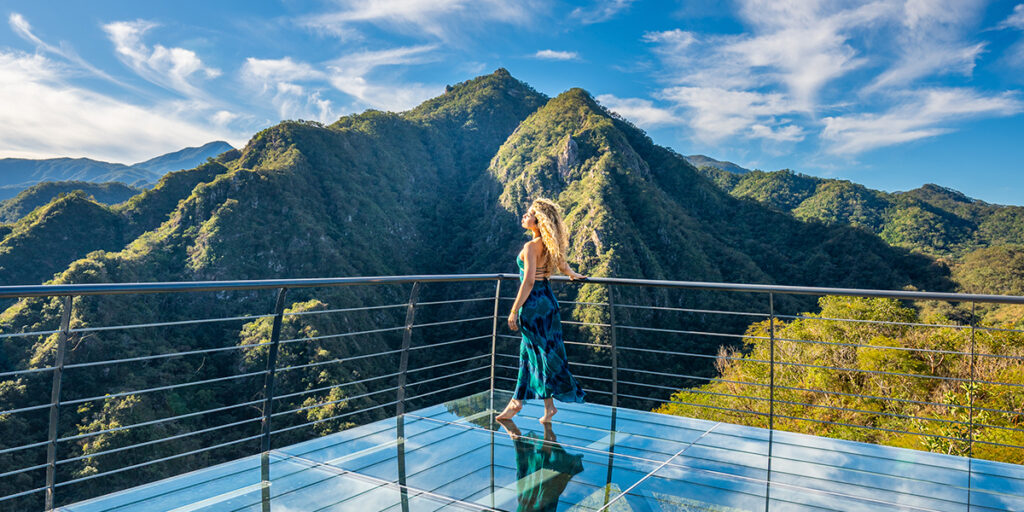
San Diego – Puerto Vallarta 2024 Regatta

0

San Diego Yacht Club’s Biennial Race to the Mexican Mainland

This page will be up-dated as the information is provided

Standing Feb 27 2024

Monday Morning PV Race Updates
Posted February 26, 2024

Most boats on the course are about 24 hours behind last year’s record-setting pace. Compared with their 2022 position at this same elapsed time, Rio 100 and BadPak are roughly 200 miles short. Such Fast, a Thursday starter, is about 140 miles short of last year’s Monday morning location.

The Race is on to Puerto Vallarta
Posted February 24, 2024

The 2024 edition of the San Diego to Puerto Vallarta International Yacht Race features a staggered start so the smaller boats can sail their best race and hopefully finish within a day or two of the larger, presumably faster boats.

With the Thursday starters from division ORR 6 sailing about 140nm on their initial 24 hours down the course, Friday saw divisions ORR 5 and ORR 4 start in what amounted to a ‘fair’ breeze. While the forecasts called for mostly calm with some models even suggesting a southeast wind (which would mean upwind sailing) a modest 5-8 kts from the west showed up in the harbor to move both fleets smartly out of San Diego harbor and into a building westerly for the rest of their run for the day.

We provide information and resources for visitors to Puerto Vallarta, areas of The Riviera Nayarit and other destinations in both states of Jalisco and Nayarit . You will find variety of content, including articles, blog posts, videos, photos, descriptions and interviews, all of which are designed to help visitors plan their trip, including attractions, restaurants, and events. https://promovisionpv.com/

Puerto Vallarta

Visit and Subscribe to our YouTube Channel for more Puerto Vallarta – Riviera Nayarit videos: https://www.youtube.com/@promovision/videos

YouTube Puerto Vallarta

Web site: https://promovisionpv.com
YouTube: https://youtube.com/promovision
Instagram: https://instagram.com/promovisionpv/
Tweeter: https://x.com/promovisionpv
Threads: https://www.threads.net/@promovisionpv
Facebook: https://facebook.com/ray.dion.73
Blue Sky: https://bsky.app/profile/promovision.bsky.social

Marketing, Turismo Publicitario, Restaurantes, Bienes Raíces, Eventos, Tours, Puerto Vallarta – Riviera Nayarit https://promovisionpv.com/marketing-publicidad-restaurantes-real-estate-events-tours-puerto-vallarta-riviera-nayarit-2/