

Expats in Mexico Living Long-term Realities. Living in Mexico Long-Term: The Complete Puerto Vallarta & Riviera Nayarit Expat, Retirement and Snowbird Guide
PromovisionPV.com · Updated October 2026 · Audience: American and Canadian expats, retirees, snowbirds, digital nomads and future residents of Mexico

What is it really like to live in Mexico for years rather than weeks? Why do Americans and Canadians choose Puerto Vallarta and the Riviera Nayarit for winter escapes, retirement, second homes and permanent relocation? And what should prospective expats understand before exchanging a familiar life in the United States or Canada for a new life on Mexico’s Pacific coast?
These are the questions that matter when a vacation becomes a lifestyle decision.
Mexico offers much more than sunshine, beaches and lower living costs. Long-term residents experience a different pace of life, a new language and culture, different healthcare and administrative systems, and the opportunity to build relationships that extend beyond the tourist season. At the same time, they must adapt to local infrastructure, summer heat and humidity, residency requirements, financial planning and the realities of living in another country.

For many people, Puerto Vallarta and the Riviera Nayarit offer an especially attractive combination of tropical scenery, established international communities, Mexican culture, healthcare access, outdoor activities and year-round services. But choosing the right neighborhood or coastal town can make the difference between enjoying a successful relocation and discovering that the destination does not match your expectations.
This comprehensive living in Mexico guide from PromovisionPV brings together destination knowledge, neighborhood comparisons, lifestyle considerations, practical relocation advice and video resources to help readers make informed decisions.
Start with these related PromovisionPV resources:
- Puerto Vallarta Ultimate Travel Guide 2026 — the broader destination guide.
- Puerto Vallarta Relocation Report 2026 — relocation, residency, housing and lifestyle considerations.
- Canadian Snowbird & Retirement Guide — considerations for Canadians planning a winter stay or retirement.
- Retirement and Living in Puerto Vallarta — an introduction to the advantages and challenges of making Puerto Vallarta home.
- Move Permanently in Mexico: A Relocation Guide — a broader look at choosing a destination.
Expats in Mexico Living Long-term Realities
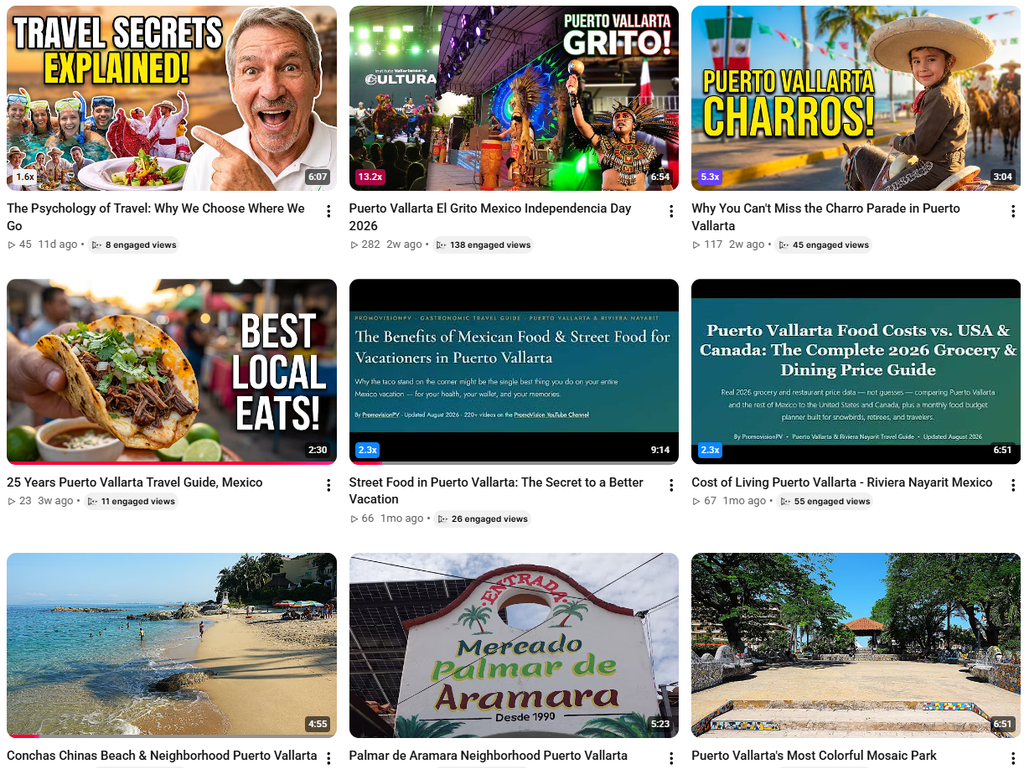
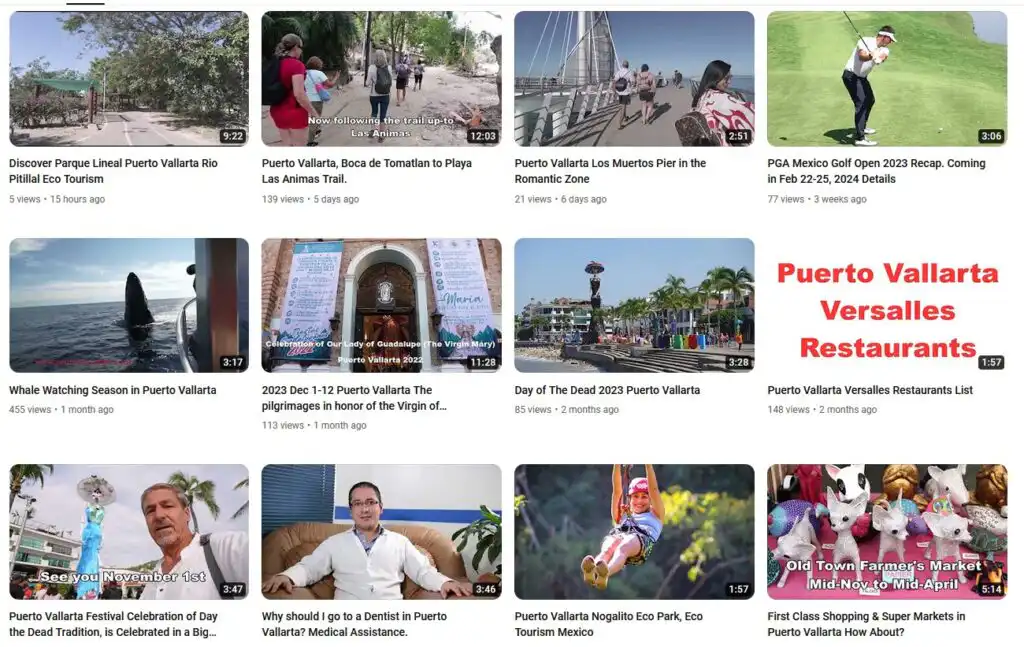
Watch the destination, not just the dream: the Promovision YouTube video library complements these written guides with visual coverage of Puerto Vallarta, its neighborhoods, nearby beach towns, attractions and the wider Riviera Nayarit.
Quick answer: Is Mexico a good place to live long-term?
Yes, Mexico can be an excellent long-term home for people who value a warm climate, cultural experiences, community, outdoor activities and a potentially lower cost of living. The outcome depends on the person’s finances, legal residency, healthcare needs, language skills, location and willingness to adapt.
Puerto Vallarta is particularly attractive to people who want a functioning coastal city rather than an isolated beach resort. The adjacent Riviera Nayarit offers additional choices, from established residential beach towns to upscale resort communities and quieter coastal villages.
At a glance: Living in Puerto Vallarta and Riviera Nayarit
Best for an active urban lifestyle
Puerto Vallarta offers restaurants, markets, cultural events, beaches, healthcare facilities, shopping and neighborhoods with varying levels of walkability.
Best for a relaxed snowbird lifestyle
Bucerías combines beach-town character, local businesses, restaurants and an established international seasonal community.
Best for planned residential communities
Nuevo Nayarit appeals to people considering condominiums, golf, marina access and resort-style amenities.
Best for a smaller coastal community
San Pancho and Lo de Marcos offer a different rhythm from the busier city, with local character and fewer big-city conveniences.
The central lesson is simple: do not choose Mexico based only on photographs, holiday memories or someone else’s cost-of-living estimate. Choose the location that matches your everyday life.
1- The long-term realities of living in Mexico
Moving to Mexico can be rewarding, but long-term living is different from spending two weeks at an all-inclusive resort.
Visitors generally experience the beaches, restaurants, excursions and hospitality businesses designed for tourism. Residents also deal with groceries, utilities, banking, transportation, medical appointments, paperwork, home maintenance, rainy-season weather and the everyday demands of running a household.
Understanding this distinction is the first step toward a successful relocation.
The advantages that attract expats
A warmer climate and an outdoor lifestyle. Many people leave colder northern winters behind for beach walks, swimming, boating, hiking, outdoor dining and time in the sunshine. Puerto Vallarta also combines a tropical coastline with the Sierra Madre mountains, rivers and jungle landscapes.
A different relationship with daily life. Neighborhood markets, independent restaurants, public plazas, local celebrations and informal social interactions can become part of the weekly routine. People who enjoy discovering local culture often find this particularly rewarding.
Potentially lower living costs. Housing, domestic services, dining and some routine healthcare expenses can cost less than comparable services in many American and Canadian cities. However, the savings depend on housing choices, insurance, imported goods, private schooling, transportation and personal spending habits.
An established international community. Puerto Vallarta and several Riviera Nayarit towns have long attracted seasonal visitors, retirees and permanent residents from abroad. Newcomers can find social groups, language exchanges, volunteer opportunities and professional services familiar with international clients.
Geographic proximity to North America. Puerto Vallarta’s international airport and scheduled connections make visits to family and travel back to the United States or Canada practical for many residents. Flight availability varies by season and departure city.
The realities that can surprise new residents
The same destination that feels effortless during a holiday can require more planning when you live there every month.
- Summer weather: Heat, humidity, heavy rain and mosquitoes can change your preferred daily routine.
- Housing costs: Desirable beachside neighborhoods and newer developments can be expensive, particularly during high season.
- Administrative tasks: Immigration, banking, vehicle arrangements, property transactions and utility services may require appointments, documentation and patience.
- Language: English is common in many tourism businesses, but Spanish is important for independence and meaningful local integration.
- Infrastructure: Traffic, road conditions, water supply, drainage, internet reliability and public transportation vary by neighborhood and town.
- Healthcare planning: Private medical services may be accessible, but insurance coverage, exclusions, specialist availability and emergency arrangements need to be checked.
- Distance from family: Time zones, travel expenses, caregiving responsibilities and family emergencies can affect the experience of living abroad.
- Cultural adjustment: Different communication styles, service expectations and administrative processes can take time to understand.
A successful expat life is not about finding a place without problems. It is about finding a place whose benefits outweigh its challenges for your circumstances.
The first year versus the fifth year
During the first few months, newcomers often focus on finding accommodation, discovering restaurants, joining activities and meeting other foreigners.
After several years, priorities may shift toward reliable healthcare, friendships with Mexican residents, long-term housing costs, taxes, family visits, home maintenance and the sustainability of the lifestyle.
That is why a long-term relocation plan should consider more than the first winter. The best destination is one that remains practical when the novelty wears off.
2- Why Puerto Vallarta is one of the most attractive destinations for expats and snowbirds
Puerto Vallarta is more than a winter holiday destination. It is a coastal city with established residential neighborhoods, local markets, hospitals, schools, restaurants, cultural events and connections to the wider world.
For Americans and Canadians considering living in Mexico, that combination can be more important than a spectacular beach alone.
2.1 A warm winter without abandoning city life
Puerto Vallarta has a tropical climate with a pronounced rainy season. Winters are generally drier and more comfortable for outdoor activities, while summer brings higher humidity, hotter conditions and frequent rainfall.
The winter season attracts snowbirds who want to escape snow, ice and cold temperatures. Many arrive for a few weeks, extend their stay to several months and eventually consider a second home or permanent relocation.
The long-term advantage is that residents can combine beach living with ordinary city amenities.
You can spend the morning walking along the Malecón, visit a local market, work remotely from a café, attend a cultural event, arrange a medical appointment or take an excursion into the surrounding mountains.
Explore PromovisionPV’s Puerto Vallarta Ultimate Travel Guide for a broader introduction to the city’s neighborhoods, beaches, attractions and travel logistics.
2.2 A social environment for newcomers
An established international community can make the first year abroad less intimidating.
New residents may find:
- Social clubs and interest groups.
- Language exchanges and Spanish classes.
- Walking, hiking, cycling and boating groups.
- Volunteer opportunities and cultural organizations.
- Expat and snowbird communities on social media.
- Professional contacts for real estate, immigration, insurance and relocation services.
However, an expat community should be a starting point, not a substitute for engaging with Mexico.
Learning Spanish, shopping at neighborhood businesses, understanding local traditions and developing relationships with Mexican residents can make long-term living much more fulfilling.
2.3 Food, culture and everyday discovery
Puerto Vallarta combines regional Mexican cooking, seafood, street food, traditional markets, contemporary restaurants and international cuisine.
Residents can explore tacos, birria, fresh fish, ceviche, local produce, regional specialties and seasonal gastronomic events. They can also visit neighboring towns, attend community celebrations and discover cultural traditions that most short-term visitors never encounter.
For a deeper look at the region, connect this article to the PromovisionPV travel guide, which serves as the main destination hub for Puerto Vallarta and Riviera Nayarit.
2.4 Nature and activities throughout the year
Living in Puerto Vallarta creates opportunities to enjoy the surrounding natural environment repeatedly rather than trying to fit everything into one vacation.
Activities include:
- Snorkeling, scuba diving and boat excursions.
- Whale-watching trips during the seasonal migration.
- Hiking and nature walks.
- Kayaking, paddleboarding and sailing.
- Visits to beaches south of Puerto Vallarta.
- Excursions to Yelapa and other coastal communities.
- Exploring traditional mountain towns.
- Food tours, art walks and local markets.
Conditions and tour availability vary by season. Marine wildlife encounters are never guaranteed, and activities should be selected with attention to weather, safety and environmental rules.
For example, explore the PromovisionPV guides to Los Arcos Marine Park and the Vallarta Botanical Garden.
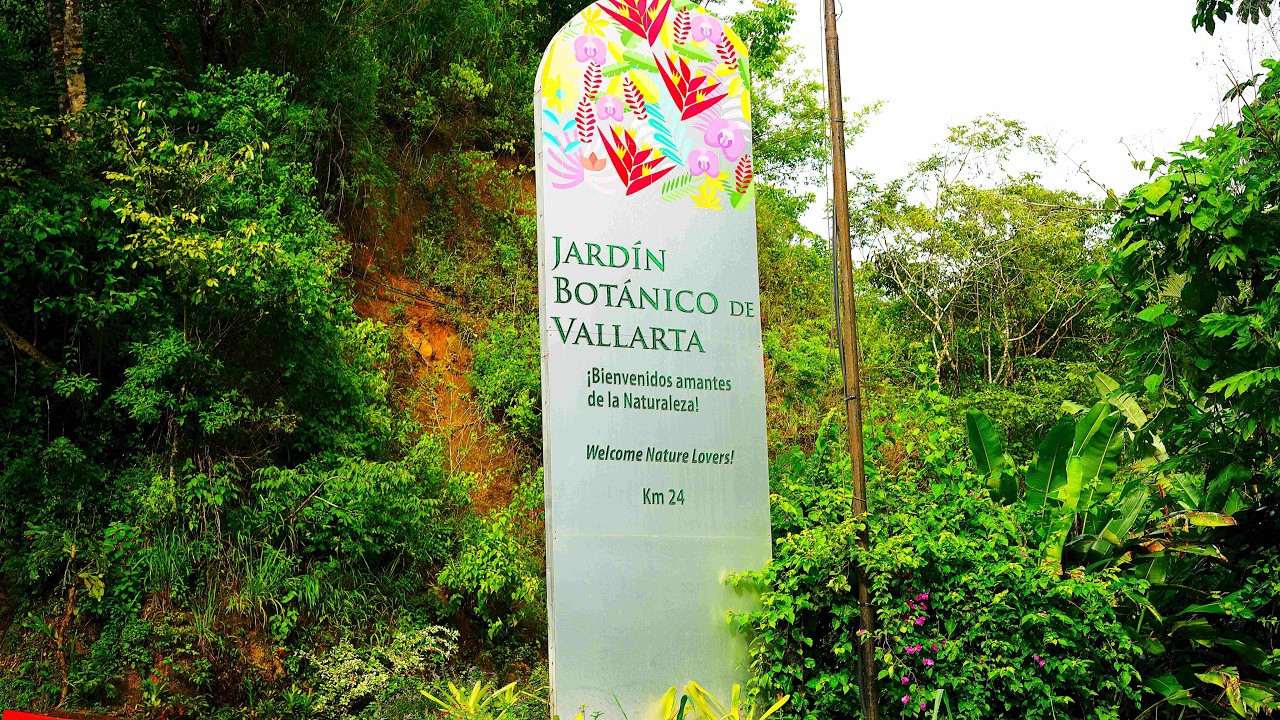
These are particularly useful videos because readers can see the landscape, transportation and surroundings before deciding whether an excursion fits their interests.
2.5 A location that supports different stages of life
Puerto Vallarta can appeal to different groups for different reasons.
| Type of resident | Why the region may appeal |
|---|---|
| Canadian snowbirds | Escaping winter while remaining connected to home |
| American retirees | Coastal living, outdoor activities and established services |
| Digital nomads | International connectivity, cafés and residential options |
| Families | Beaches, activities, schools and community life |
| LGBTQ+ residents | An established LGBTQ+-friendly visitor and social environment, particularly in parts of central Puerto Vallarta |
| Long-term investors | Potential second-home use, subject to careful financial and legal analysis |
| Active retirees | Walking, boating, golf, hiking and cultural activities |
| Slower-paced lifestyle seekers | Smaller coastal towns in the Riviera Nayarit |
No single destination is perfect for every household. The important question is whether the available amenities, housing, healthcare, climate and social environment match your priorities.
3. Puerto Vallarta versus Riviera Nayarit: where should expats live?
One of the most important decisions is not simply whether to move to Mexico. It is where to live within the Puerto Vallarta–Riviera Nayarit region.
The coastal communities around Banderas Bay differ in walkability, housing styles, services, traffic, nightlife, beach access and the pace of everyday life.
Puerto Vallarta: the urban coastal lifestyle
Puerto Vallarta is a strong choice for residents who want access to a wider range of city services, restaurants, shopping, entertainment and cultural activities.
Its neighborhoods offer different lifestyles.
Expats in Mexico Living Zona Romántica
Suitable for people who prioritize walkability, restaurants, cafés, nightlife, beaches and a lively international community.
Trade-offs include seasonal crowds, noise in some streets, limited parking and housing costs that can be high for particularly desirable properties.
Read the Ultimate Guide to Puerto Vallarta’s Romantic Zone.
Expats in Mexico Living Centro and Gringo Gulch
These areas offer historic architecture, hillside streets, traditional city character and access to downtown attractions.
Some properties involve steep climbs, stairs or uneven sidewalks, making physical accessibility an important consideration.
Explore Historic Gringo Gulch.
Expats in Mexico Living Versalles
Versalles appeals to residents who want a neighborhood with restaurants, cafés, local businesses and residential streets outside the busiest tourist core.
Its suitability depends on the specific block, building, traffic exposure and walking distance to daily services.
Read the Versalles neighborhood guide.
Expats in Mexico Living Marina Vallarta
The marina area offers restaurants, a waterfront promenade, golf and residential developments. It can suit retirees who value a planned environment and convenient access to the airport.
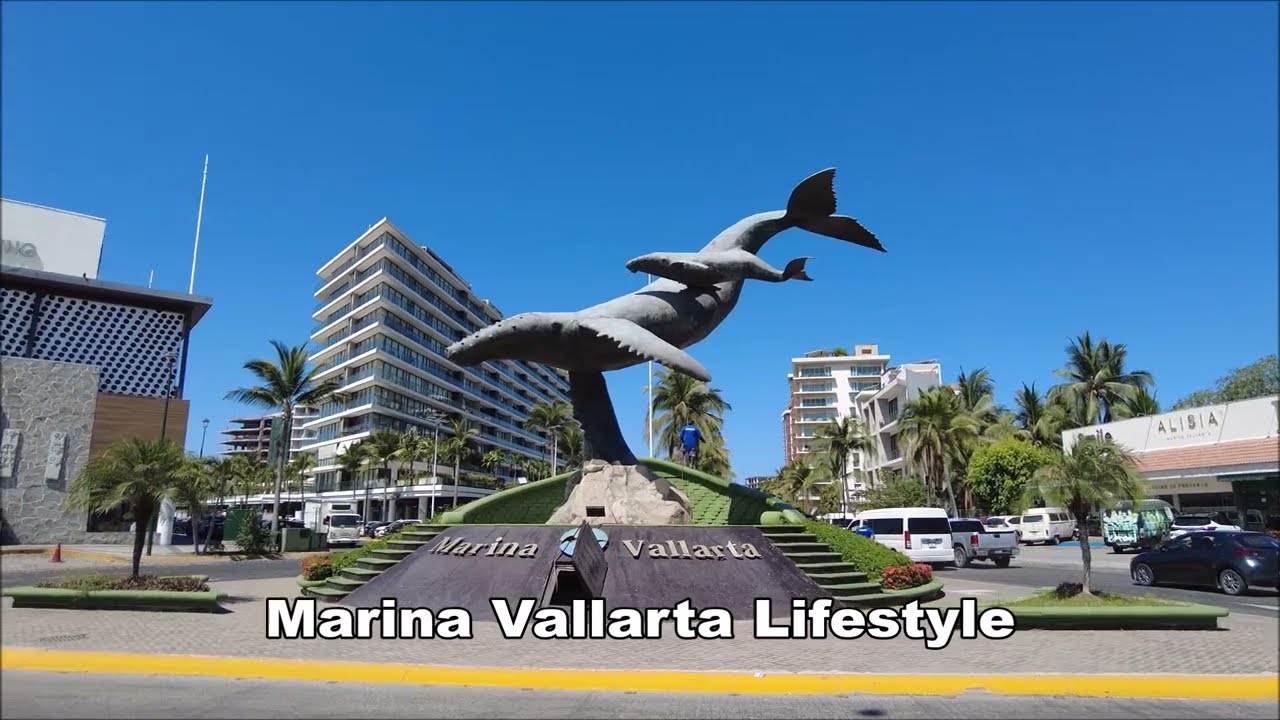
Evaluate walking distances, building fees, transportation and proximity to medical services before committing.

Hotel Zone and surrounding residential areas
These areas provide access to shopping, beaches, hotels and transport corridors. They may appeal to residents who prefer condominium living and easy access to major roads.
Beach access, noise, pedestrian infrastructure and traffic differ significantly by location.
Riviera Nayarit: beach towns and residential communities
Riviera Nayarit lies north of Puerto Vallarta in the state of Nayarit. It includes a diverse collection of coastal communities rather than one uniform destination.
Expats in Mexico Living Nuevo Nayarit
A good option to investigate if you prefer newer residential developments, resort amenities, golf and marina-oriented living.
Check actual walking distances, transport requirements, condominium maintenance fees and the cost of services.
Expats in Mexico Living Bucerías
Bucerías combines a traditional town center, restaurants, local shops and a beach-oriented lifestyle. It has long appealed to seasonal visitors and international residents.
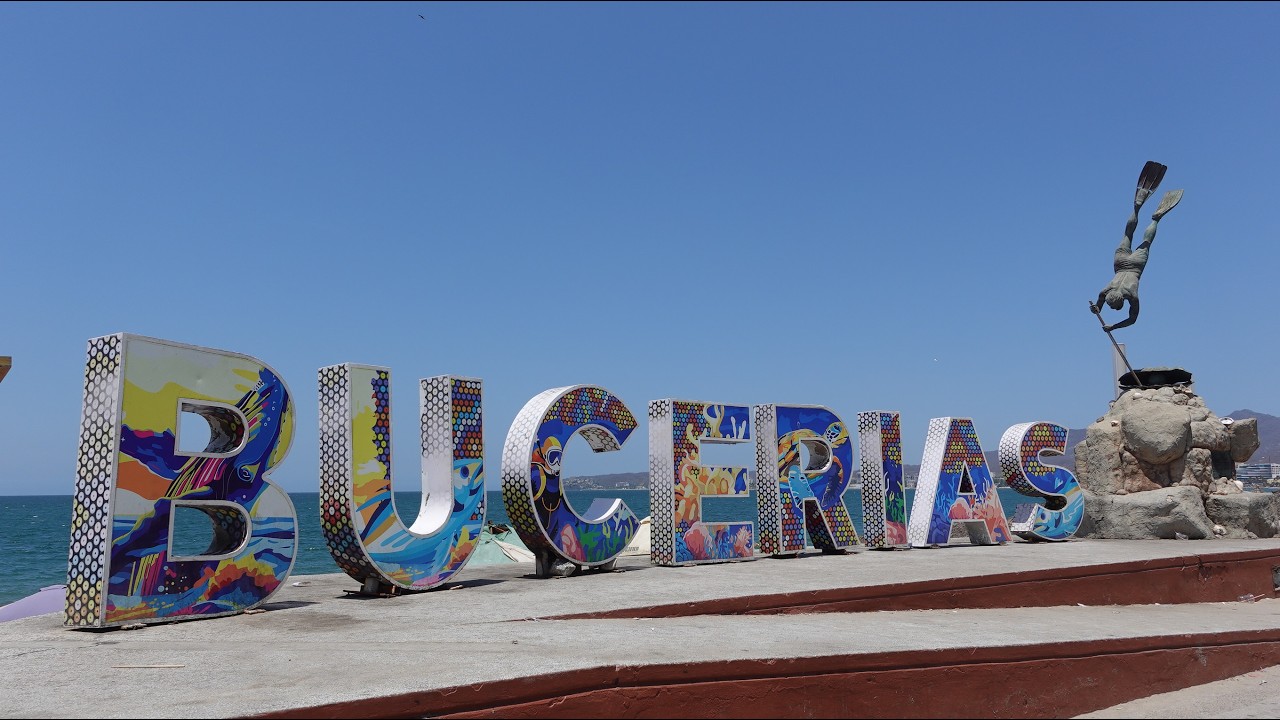
It may suit people who want a smaller-town atmosphere without moving too far from the larger services of the Banderas Bay region.
Expats in Mexico Living Punta de Mita
This area is associated with luxury resorts, upscale residential developments, golf and premium coastal properties.
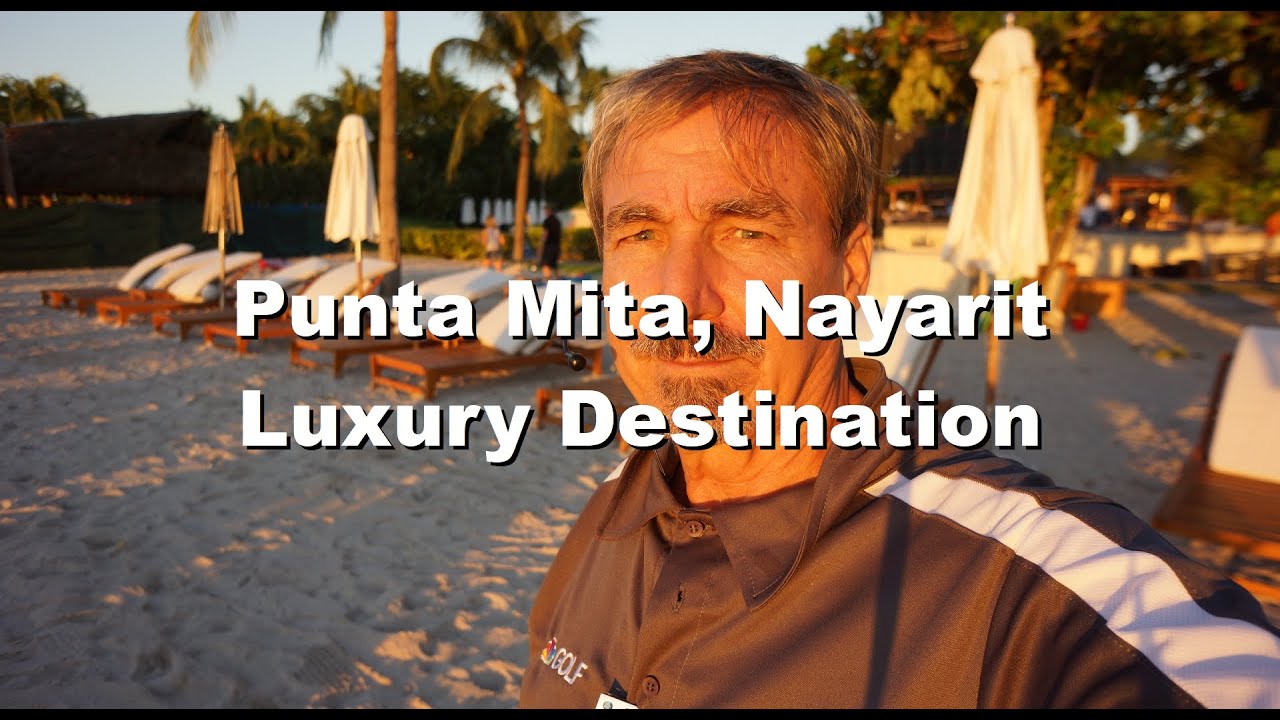
It is not automatically the most practical choice for budget-conscious retirees. Housing, dining, transport and service costs must be evaluated against the intended lifestyle.
Expats in Mexico Living Sayulita
Sayulita offers surf culture, independent businesses, restaurants and a lively visitor scene.
It may appeal to younger retirees, remote workers and people seeking an active beach-town atmosphere. Crowds, parking, seasonal conditions and the specific location of a home should be considered.
Expats in Mexico Living San Pancho (San Francisco, Nayarit)
San Pancho offers a smaller-town environment with arts, community activities, local businesses and a relaxed coastal character.
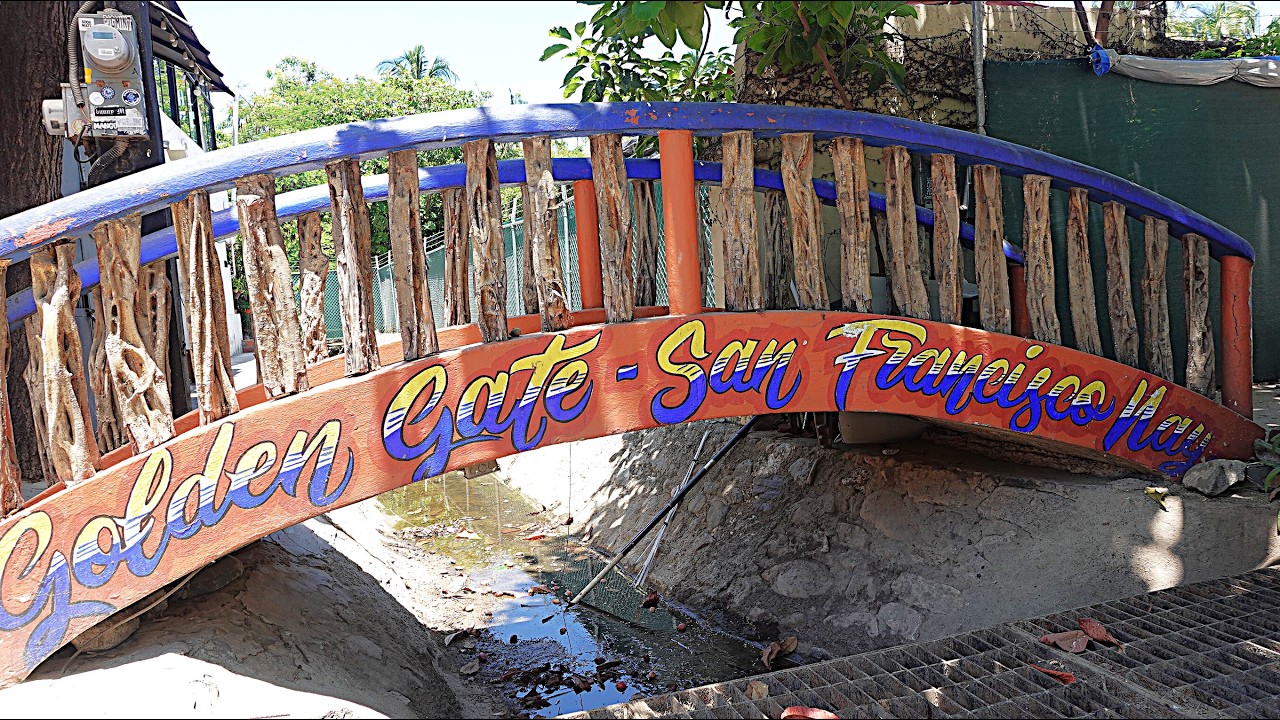
It can appeal to people who want a slower pace but are comfortable with fewer large-city amenities nearby.
Expats in Mexico Living Lo de Marcos
Lo de Marcos is worth considering for people seeking a quieter beach community. Before relocating, evaluate access to medical services, shopping, transport and other essential facilities.
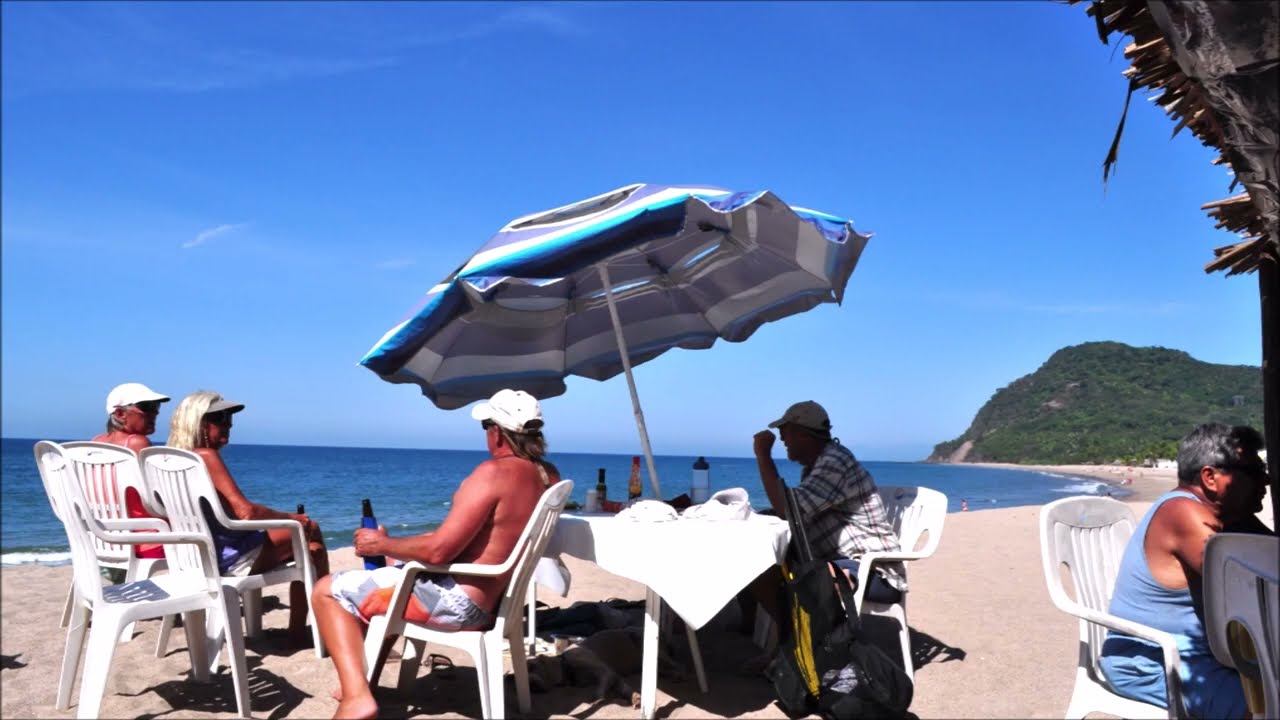
Expats in Mexico Living Rincón de Guayabitos and San Blas
These destinations offer additional options for residents who want to explore beyond the main Banderas Bay urban area. They have different local economies, services and travel distances, so they should be assessed independently rather than treated as interchangeable with Puerto Vallarta.

For a broader comparison, use the PromovisionPV relocation guide.
Expats in Mexico Living How to choose your location
| Priority | Areas to investigate first |
|---|---|
| Walkable restaurants and nightlife | Zona Romántica, Centro |
| Local neighborhood atmosphere | Versalles, Bucerías |
| Marina and golf-oriented living | Marina Vallarta, Nuevo Nayarit |
| Upscale residential lifestyle | Punta de Mita |
| Surf and creative community | Sayulita, San Pancho |
| Quieter coastal living | Lo de Marcos |
| A broader city-service network | Puerto Vallarta’s established urban neighborhoods |
These are starting points, not guarantees. Two apartments in the same neighborhood can offer very different experiences because of noise, slope, construction, building quality and proximity to essential services.
Editorial recommendation: Include an internal link from every neighborhood mentioned in this table to its dedicated PromovisionPV page. This helps readers move from a general relocation guide to specific local research.
4- The true cost of living in Mexico: can expats really save money?
The cost of living in Mexico is one of the most searched topics among prospective expats, snowbirds and retirees.
However, the question is not simply whether Mexico is cheaper than the United States or Canada. It is whether your preferred lifestyle in a particular Mexican location fits your available income.
A resident renting a modest apartment and shopping at local markets will have a very different budget from someone renting a luxury ocean-view condominium, dining out daily and maintaining an expensive vehicle.
The main monthly expenses
| Expense category | What to consider |
|---|---|
| Housing | Rent, mortgage or purchase costs, building fees and maintenance |
| Utilities | Electricity, water, gas, internet and mobile service |
| Food | Groceries, restaurants, imported products and special diets |
| Transportation | Walking, buses, taxis, rideshares, fuel, parking and vehicle upkeep |
| Healthcare | Insurance premiums, medical consultations, prescriptions and dental care |
| Household support | Cleaning, repairs, laundry and gardening |
| Recreation | Tours, golf, boating, gym memberships and entertainment |
| Travel | Flights home, visitors, domestic trips and emergency travel |
| Taxes and administration | Tax advice, residency renewals and professional services |
| Contingencies | Emergency medical expenses, repairs and unexpected price changes |
Why housing determines the budget
Housing is often the largest variable in a relocation budget.
A home close to the beach, restaurants and popular attractions may reduce transportation costs but command a premium in rent or purchase price. A property farther from the tourist center may be less expensive but require a car or frequent taxi trips.
Before comparing listings, calculate the total monthly housing cost, including:
- Rent or mortgage payments.
- Condominium or homeowners’ association fees.
- Electricity, particularly where air conditioning is used.
- Internet and water charges.
- Maintenance and repair reserves.
- Furnishing costs.
- Seasonal rent changes and lease conditions.
Do not assume a property is affordable because its advertised rent is low. Verify what is included, whether the price changes in high season and whether the lease protects your intended length of stay.
A practical budget exercise
Use this worksheet to estimate your monthly spending. The figures are your own planning inputs, not claims about average Puerto Vallarta prices.
Monthly living-cost calculator
Enter estimated monthly amounts in one currency. Adjust each category to reflect your lifestyle.
Housing
$1,800
2,500
5,000
Utilities and internet
$180
Groceries and dining
$650
Transportation
$180
Healthcare and insurance
$400
Activities and entertainment
$350
Other expenses and reserves
$300
Estimated monthly total
$3,860
Annual equivalent
$46,320
US dollars – Canadian dollars
Copy my budget
The calculator excludes one-time moving costs, major emergencies, property acquisition costs and taxes not included in your estimates. It does not convert between currencies.
Can retirees live comfortably on less?
Potentially, yes, depending on their housing costs, healthcare requirements, location and expectations.
A person who owns a home outright may have a very different monthly budget from a renter. A couple who enjoys local restaurants and free outdoor activities may spend less than someone who regularly books private excursions, travels frequently and maintains a second home.
For snowbirds, compare the cost of renting for several months with the cost of maintaining a property year-round. Include travel, insurance, utilities, building fees and periods when the property is unoccupied.
For property owners, distinguish between the cost of living in a home and the cost of owning it. Property taxes are only one part of the equation; maintenance, insurance, repairs, transaction expenses and condominium assessments also matter.
Explore Puerto Vallarta’s cost-of-living guide for snowbirds for additional budgeting context.
5- Healthcare in Mexico: what long-term residents need to know
Healthcare should be a central part of any retirement or permanent relocation decision.

Puerto Vallarta has private clinics, medical practices, laboratories, pharmacies and hospitals. The broader region also has healthcare providers, although access to particular specialties and emergency services depends on the location.
Some routine consultations and procedures may cost less than comparable private-pay services in the United States or Canada. However, treatment costs vary, and a lower consultation fee does not guarantee that complex care, medication or long-term treatment will be affordable.
Expats in Mexico Living Private healthcare
Many foreign residents use private providers for convenience, access to specialists or English-language communication.
Before moving, investigate:
- Hospitals and clinics close to your intended home.
- The availability of your required medical specialties.
- Emergency transport and hospital admission procedures.
- Prescription availability and medication costs.
- Access to medical records and test results.
- The language spoken by your preferred healthcare providers.
Do not select a home solely because it is near the beach. For older residents or people with ongoing healthcare needs, access to medical services can be more important than ocean views.
Health insurance for American and Canadian expats
Insurance requires particular attention because coverage varies by country, age, policy, residency status and medical history.
Investigate whether your existing policy covers you while living in Mexico, whether it pays providers directly or reimburses you, and whether it includes emergency evacuation or treatment abroad.
Compare Mexican private health insurance, international medical insurance and any applicable public or social security options.
Mexico’s IMSS provides information about social security and health coverage programs. Eligibility and exclusions depend on the specific program and applicant. The official IMSS information for foreign residents explains voluntary enrollment possibilities for eligible people legally residing in Mexico.
Important questions to ask insurers include:
- Are pre-existing conditions covered or excluded?
- Are there waiting periods?
- What are the annual and lifetime limits?
- Are outpatient consultations and prescription drugs covered?
- Which hospitals are in the provider network?
- What deductibles and co-payments apply?
- Is medical evacuation included?
- How does the policy handle renewal as you age?
Canadian retirees should also confirm how an extended stay abroad affects provincial health insurance eligibility and any supplementary coverage. American retirees should verify how Medicare and any supplementary insurance apply outside the United States.
Do not assume that Medicare, a provincial health plan or travel insurance will cover all your medical expenses during long-term residence in Mexico. Confirm the rules with the relevant provider before relocating.
For related reading, see Health Insurance in Mexico for Expats.
6- Residency, visas and immigration: living in Mexico legally
A long-term move requires more than booking a flight and signing a lease.
Foreign nationals must understand the difference between visiting Mexico and establishing legal residence.
Mexico’s immigration rules, application requirements and fees should always be checked with the relevant Mexican consulate and the Instituto Nacional de Migración (INM).
Expats in Mexico Living
Temporary residency
Temporary residence is generally the category to investigate when you plan to remain in Mexico for more than 180 days but no more than four years.
Applications may involve proof of financial solvency or another qualifying basis. The documentation and financial thresholds depend on the applicable requirements and the consulate processing the application.
Permanent residency
Permanent residence may be available to people who qualify under the relevant immigration categories, including certain retirees and pensioners, as well as qualifying family relationships and other circumstances.
Do not assume that everyone who is retired automatically qualifies. Verify the specific criteria before applying.
Important immigration steps
1- Determine the correct immigration category for your circumstances.
2- Contact the Mexican consulate with jurisdiction over your application.
3- Confirm the current documentation, financial criteria and appointment process.
4- Prepare the required original documents and supporting evidence.
5- Follow the consulate’s instructions for the visa application.
6- Complete any required steps with INM after arrival.
7- Keep your immigration documents current and understand renewal deadlines.
For official information, start with the Mexican government’s permanent residence visa guidance and the INM immigration procedures portal.
The Mexican consular services website provides further information about visas and consular procedures.
Immigration mistakes to avoid
- Assuming every visitor automatically receives 180 days.
- Treating a tourist stay as equivalent to residency.
- Relying on old online financial thresholds.
- Applying with incomplete financial documentation.
- Assuming property ownership automatically grants residence.
- Confusing immigration residency with tax residency.
- Delaying required post-arrival procedures.
Immigration rules and consular requirements can change. Confirm the current criteria directly before making financial commitments.
Expats in Mexico Living
7- Taxes, banking and finances: the side of expat life people overlook
Moving to Mexico does not automatically eliminate tax obligations in your home country. Nor does Mexican immigration residency alone settle every question about tax residency.
Your situation can depend on your nationality, tax residence, source of income, business structure, investment income, pensions, rental property and applicable tax treaties.
Before a permanent move, speak with qualified tax professionals familiar with both Mexico and your home country.
Financial questions to resolve before moving
- Will you continue receiving pension or retirement benefits?
- Will you earn employment income, consulting income or rental income?
- Do you have investments or property in another country?
- Will you maintain bank accounts in your home country?
- How will you transfer money and pay bills in Mexico?
- What exchange-rate fluctuations could affect your budget?
- Do you have an emergency fund accessible in both countries?
- Could your move change your reporting or filing obligations?
Banking and currency
Residents commonly need a reliable method for receiving funds, paying rent, handling utilities and making everyday purchases.
Research the requirements for opening a Mexican bank account, which can vary by bank and immigration status. Check identification requirements, transfer fees, withdrawal limits and exchange rates.
If your income is paid in Canadian dollars or US dollars while your expenses are in Mexican pesos, currency movements can affect your purchasing power.
A budget that works comfortably at one exchange rate may become less comfortable when the peso strengthens against your income currency.
Estate planning and inheritance
Property ownership, bank accounts, beneficiaries, wills and inheritance arrangements can become more complicated when assets are held in multiple countries.
Foreign property ownership in Mexico’s restricted coastal zone may involve a bank trust, commonly known as a fideicomiso, or another legally permitted structure.
Obtain independent Mexican legal advice before purchasing property. Confirm ownership rights, title, liens, condominium rules, transaction costs and estate-planning implications.
Expats in Mexico Living For broader property guidance, visit PromovisionPV’s Puerto Vallarta real estate section.
8- Is Puerto Vallarta safe for expats and retirees?
Safety is an essential part of choosing where to live. It should be evaluated through current information and the conditions of the specific neighborhood, rather than through blanket statements that an entire city or country is safe or unsafe.
Puerto Vallarta has established residential areas and a substantial tourism economy. Nevertheless, residents should take sensible precautions, just as they would in other cities.
Everyday safety considerations
- Research the immediate neighborhood and the route between home and daily destinations.
- Visit prospective homes at different times of day.
- Check lighting, building access and security arrangements.
- Use reputable transportation services, especially at night.
- Protect valuables and avoid displaying expensive items unnecessarily.
- Be cautious with unsolicited investment and rental offers.
- Verify real estate ownership and contracts independently.
- Keep emergency contacts and insurance information accessible.
- Follow current official travel advisories and local instructions.
The US Department of State publishes a Mexico travel advisory. Canadian travelers should consult the Government of Canada’s travel advice for Mexico.
Read the advisories in context, including state-specific guidance, and review updates before travel or relocation.
Safety and neighborhood selection
Do not choose a neighborhood based on a single online comment or a general reputation.
Walk the streets, evaluate transportation, ask residents about everyday conditions and examine the location of the actual property. Consider whether you will return home late from restaurants, need to walk to medical appointments or regularly use public transportation.
The right home is one where you feel comfortable carrying out your normal daily routine.
9- The language barrier: why Spanish matters more over time
Many people can enjoy a vacation in Puerto Vallarta using English. Long-term residents generally benefit from learning Spanish.
Spanish helps with medical appointments, property maintenance, banking, government procedures, neighborhood conversations and unexpected situations.
You do not need to become fluent before moving. You do need a realistic plan to improve.
A practical Spanish-learning plan
Before arriving: Learn basic greetings, numbers, directions, food vocabulary and emergency phrases.
During the first three months: Practice ordering food, shopping, using transportation and explaining everyday needs.
During the first year: Develop enough vocabulary to communicate about housing, utilities, healthcare and routine administrative tasks.
Over the long term: Use local classes, language exchanges, community activities and conversations with Mexican residents to deepen your understanding.
Spanish is not merely a practical tool. It can also change your experience of living in Mexico by giving you greater access to the culture and the people who make the region distinctive.
10- The climate reality: winter paradise versus summer living
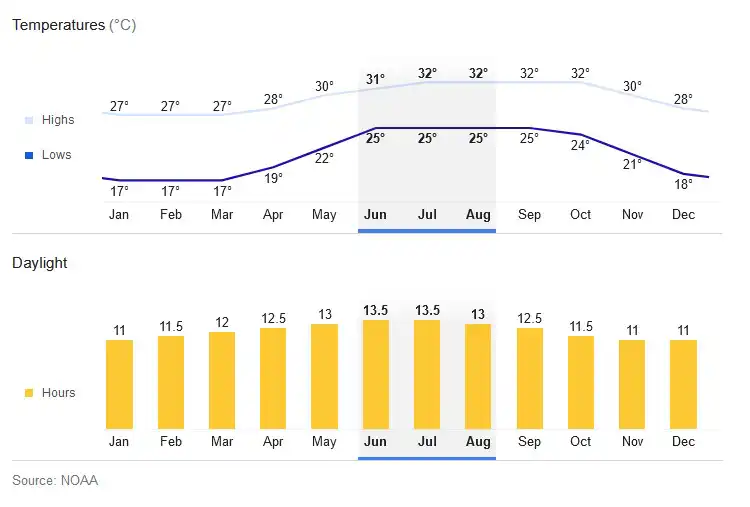
The winter climate is a major attraction for snowbirds. However, anyone considering permanent relocation should experience the other seasons before deciding.
Puerto Vallarta generally has a drier winter and a hotter, more humid rainy season. Rainfall timing and intensity vary from year to year.
Winter
Winter is popular for beach activities, outdoor dining, walking, golf, boating and sightseeing. Accommodation demand can be higher during major holiday periods and the winter visitor season.
Spring
Spring can offer warm weather and a variety of outdoor activities. Conditions become hotter as the year progresses.
Summer

Summer brings heat, humidity and rain. Air conditioning may become an important household expense, and heavy rainfall can affect traffic, drainage and outdoor plans.
Autumn
Autumn can bring continued humidity and rain before the drier winter pattern becomes established. Seasonal weather systems can affect travel and coastal activities.
Why a full-year trial matters
A neighborhood that seems perfect during a dry January may feel very different in August.
Before buying a home, consider renting for an extended period that includes the rainy season. Observe ventilation, air conditioning costs, drainage, mold prevention, building maintenance and access to essential services during heavy rain.
For weather and destination planning, start with the PromovisionPV Puerto Vallarta travel guide.
11- Snowbird life versus permanent relocation: which is right for you?
Not everyone who loves Mexico needs to become a permanent resident.
For some, spending the winter in Puerto Vallarta and returning home for the rest of the year is the ideal arrangement. Others prefer to establish a permanent home and build a life in Mexico.
| Consideration | Seasonal snowbird | Long-term or permanent resident |
|---|---|---|
| Length of stay | Usually a defined winter period | Extended or year-round |
| Housing | Seasonal rental or second home | Long-term rental or owned residence |
| Immigration | Must comply with visitor conditions and authorized stay | May require temporary or permanent residency |
| Healthcare | Travel coverage and home-country arrangements are critical | Requires a sustainable long-term healthcare plan |
| Taxes | Depends on individual facts and applicable rules | More extensive cross-border tax planning may be necessary |
| Community | Seasonal friendships and activities | Deeper integration into local life |
| Home maintenance | Must arrange care during absences | Ongoing household responsibilities |
| Climate exposure | Can avoid much of the hot, rainy season | Must adapt to the full annual climate |
| Flexibility | Easier to return home for extended periods | More complex financial and personal arrangements |
Why many snowbirds eventually stay longer
A recurring winter visit can become familiar. Visitors learn their preferred restaurants, meet friends, discover local activities and develop routines.
Over time, some decide that the destination offers a better balance of climate, recreation, community and living expenses than their previous winter arrangements.
Others discover that seasonal living suits them better because of family commitments, healthcare needs, tax considerations or a preference for maintaining their primary residence at home.
Both choices can be successful.
For a focused Canadian perspective, read the Puerto Vallarta Canadian Snowbird & Retirement Guide.
12- How to make a successful move to Puerto Vallarta or Riviera Nayarit
A well-planned relocation is usually more successful than a rushed decision based on an attractive property or a particularly enjoyable holiday.
Use the following process to reduce avoidable mistakes.
Your Mexico relocation checklist
Use this checklist to track your preparation.
Preparation progress
0 of 12 weeks
Define the purpose of the move: winter escape, retirement, remote work or permanent relocation.
Establish a realistic monthly budget and emergency reserve.
Research immigration eligibility and current consular requirements.
Confirm healthcare coverage, insurance and nearby medical services.
Compare Puerto Vallarta neighborhoods with Riviera Nayarit towns.
Rent before buying and, if possible, experience the rainy season.
Check internet reliability, utilities, transportation and accessibility.
Review cross-border tax, banking and pension considerations.
Learn basic Spanish and identify local community activities.
Verify property contracts, ownership structures and legal advice independently.
Plan for visits home, family responsibilities and emergency travel.
Create a long-term plan for housing, healthcare and financial sustainability.
Copy checklist
A useful three-stage strategy
Stage 1: Research from home. Compare destinations, estimate costs, investigate legal residency, identify healthcare options and shortlist neighborhoods.
Stage 2: Test everyday life. Stay in a residential area, shop for groceries, use transportation, visit clinics if appropriate, work remotely if necessary and experience ordinary routines rather than spending every day on holiday activities.
Stage 3: Commit only when the facts work. Review your budget, residency, healthcare, property options and personal priorities. Make the long-term decision when you understand both the benefits and the compromises.
13- How PromovisionPV helps future expats discover the real Puerto Vallarta
A destination guide should help people make decisions, not simply persuade them to book a holiday.
That is where PromovisionPV can distinguish its content from generic Mexico retirement articles and broad tourism websites.
The region includes many neighborhoods and communities that differ in character, services, costs and lifestyle. A useful relocation resource must connect the big-picture questions with the practical details of individual locations.
PromovisionPV’s Puerto Vallarta Ultimate Travel Guide 2026 provides a central entry point for readers exploring the region. Its destination articles and YouTube video library allow prospective visitors and residents to research places visually as well as through written information.
What makes local destination knowledge valuable?
Neighborhood-level information
Readers need to understand the differences between Zona Romántica, Versalles, Marina Vallarta, Bucerías, Nuevo Nayarit and smaller coastal towns.
Visual familiarity
Videos can show streets, beaches, access routes, surrounding development and the general character of a place. They help readers ask better questions before visiting.
Practical destination comparisons
A retiree considering a quiet town needs different information from a digital nomad seeking cafés, reliable internet and a walkable neighborhood.
Connections between travel and relocation
Visitors often begin with articles about beaches, restaurants and things to do. Over time, their questions expand to housing, healthcare, residency, cost of living and community.
A connected library of information
A well-organized website allows readers to move naturally from the main destination guide to neighborhood guides, activity articles, relocation resources and videos.
The objective is not to claim that one website can replace an immigration lawyer, healthcare professional, financial planner or licensed real estate expert. It is to help readers understand the destination and identify the questions they should resolve before making a decision.
PromovisionPV resources to integrate into this article
| Reader’s question | Recommended internal resource |
|---|---|
| What is Puerto Vallarta really like? | All About Puerto Vallarta |
| What are the major attractions? | Top Attractions and Things to Do |
| Where should I stay or live? | Puerto Vallarta Area and Hotel Maps |
| What is retirement like? | Retirement and Living in Puerto Vallarta |
| What should snowbirds budget? | Cost of Living for Snowbirds |
| How should digital nomads prepare? | Digital Nomad Guide 2026 |
| What about medical insurance? | Health Insurance in Mexico for Expats |
| What if I want to buy property? | Puerto Vallarta Real Estate Guide |
| What is life like beyond the city? | Yelapa Guide |
| Where can I see the region? | Promovision YouTube Videos |
14- YouTube turn a written relocation guide into a visual experience
Written content answers questions. Video helps readers understand the place behind the words.
For a subject as location-dependent as living in Puerto Vallarta and Riviera Nayarit, video help visitors assess the character of neighborhoods, see the landscape and discover activities before planning a visit.
PromovisionPV’s YouTube channel is available at: https://youtube.com/promovision/videos
The channel’s visual companion role in the article: readers can watch destination footage alongside written explanations of neighborhoods, activities, beaches and coastal towns.
Recommended video
A walk through Puerto Vallarta
Place after the section on city life and neighborhoods.
The Malecón, downtown streets, residential areas and everyday amenities. Help prospective residents understand the difference between a tourist district and a residential neighborhood.
Bucerías and the Riviera Nayarit lifestyle
Place after the Puerto Vallarta versus Riviera Nayarit comparison.
Town streets, beach access, local businesses and the surrounding environment. Link to the dedicated Bucerías or Riviera Nayarit guide.
Video 3: Activities and nature around Banderas Bay
Los Arcos, boat trips, beaches, snorkeling or other relevant activities. Explain seasonality, transportation and what visitors should verify before booking.
15- What long-term expats wish they had known before moving
The most useful relocation advice is often practical rather than glamorous.
While experiences vary, prospective residents should investigate several questions before committing.
Rent before buying
A short holiday does not reveal how a property performs during the rainy season, how noisy the neighborhood becomes at night or how convenient daily errands will be.
An extended rental provides a low-commitment way to test your assumptions.
Visit outside the high season
Experience the region when weather, traffic, business hours and tourism patterns differ from the peak winter period.
Build a realistic healthcare plan
Do not wait until a medical emergency to find out whether your insurance works, where your preferred hospital is located or how you would arrange treatment.
Learn to navigate the local systems
Banking, utility accounts, leases, repairs and government procedures may require more time and documentation than you expect.
Do not confuse an expat network with the whole community
International friendships can be invaluable, but a richer experience often develops when residents also engage with their Mexican neighbors and local organizations.
Keep a financial cushion
Unexpected medical expenses, home repairs, family emergencies, currency movements and trips home can undermine an otherwise sensible budget.
Be honest about what you will miss
Family, friends, familiar healthcare providers, food, climate, professional opportunities and cultural routines can all affect your long-term satisfaction.
Relocation is not just a move toward a more attractive lifestyle. It is also a decision about which parts of your current life you are willing to change.
16- Frequently asked questions about living in Mexico
Is Puerto Vallarta a good place for American expats?
Puerto Vallarta can be an excellent option for Americans who want a coastal lifestyle, outdoor recreation, an established international community and access to urban services. The decision depends on budget, healthcare, legal status, neighborhood preferences and comfort with Mexican culture.
Is Puerto Vallarta a good place for Canadian snowbirds?
It can be a strong choice for Canadians seeking a warm winter destination with restaurants, beaches, outdoor activities and international connections. Snowbirds should compare seasonal accommodation costs, travel insurance, provincial health coverage rules and the practicalities of spending extended periods abroad.
Is it cheaper to live in Puerto Vallarta than in the United States or Canada?
It can be, especially for some housing arrangements, dining and routine services. However, desirable rentals, private insurance, imported goods, vehicle ownership and luxury lifestyles can substantially increase expenses. Compare actual budgets rather than assuming a universal percentage of savings.
Can foreigners buy property in Puerto Vallarta?
Foreigners can acquire property in Mexico subject to applicable legal requirements. Because Puerto Vallarta is in the coastal restricted zone, foreign residential property ownership commonly involves a bank trust known as a fideicomiso, or another legally permitted structure. Obtain independent legal advice and verify title and transaction costs before purchasing.
Can I retire in Mexico on Social Security or a pension?
Possibly. The answer depends on your income, savings, housing costs, healthcare arrangements, immigration eligibility and spending habits. Pension income alone does not establish immigration eligibility, so check the applicable Mexican consular requirements.
Do I need to speak Spanish to live in Puerto Vallarta?
You can manage some everyday activities using English, particularly in tourism-oriented areas. However, Spanish is important for greater independence, administrative tasks, healthcare communication and integration into local life.
Is Puerto Vallarta suitable for full-time retirement?
It can suit retirees who value warm weather, restaurants, outdoor activities, community and access to city services. Those with particular medical needs should investigate specialist availability and healthcare arrangements before choosing a neighborhood.
Is Riviera Nayarit better than Puerto Vallarta for retirees?
Neither is universally better. Puerto Vallarta offers a broader urban environment, while Riviera Nayarit includes a range of beach towns and residential developments. The right choice depends on walkability, housing, services, transportation, budget and desired pace of life.
What is the best neighborhood in Puerto Vallarta for expats?
Zona Romántica suits people who prioritize walkability and nightlife. Versalles offers a different residential and dining environment, while Marina Vallarta appeals to people interested in a marina-oriented setting. Compare individual streets and buildings before deciding.
Should I rent or buy a home when moving to Mexico?
Renting first is generally a prudent approach because it allows you to experience the neighborhood, climate and everyday logistics before making a significant investment. Buying may make sense later, once your long-term plans and legal arrangements are clear.
Can I live in Mexico all year on a tourist stay?
You must comply with the conditions and authorized period of your admission. A visitor status is not the same as temporary or permanent residence. If you intend to remain long-term, consult official Mexican immigration sources about the appropriate status.
Is healthcare in Puerto Vallarta affordable?
Some routine private services may cost less than comparable services in the United States or Canada, but prices and coverage vary. Specialist care, hospital admissions, medication and insurance can create substantial expenses. Investigate actual providers and policies for your needs.
What is the biggest mistake expats make when moving to Mexico?
A common planning mistake is committing to housing or property before understanding the everyday reality of the location. Rent first, examine the full-year climate, verify healthcare access and immigration requirements, and establish a realistic budget.
Where can I find reliable information about living in Puerto Vallarta and Riviera Nayarit?
Start with the PromovisionPV website, particularly its destination, relocation, neighborhood, cost-of-living and retirement resources. Supplement destination research with official immigration information, qualified legal and tax advice, healthcare providers and current travel advisories.
Watch the Promovision YouTube channel for additional visual context about the region.
17- Final thoughts: is Puerto Vallarta the right place to build your future?
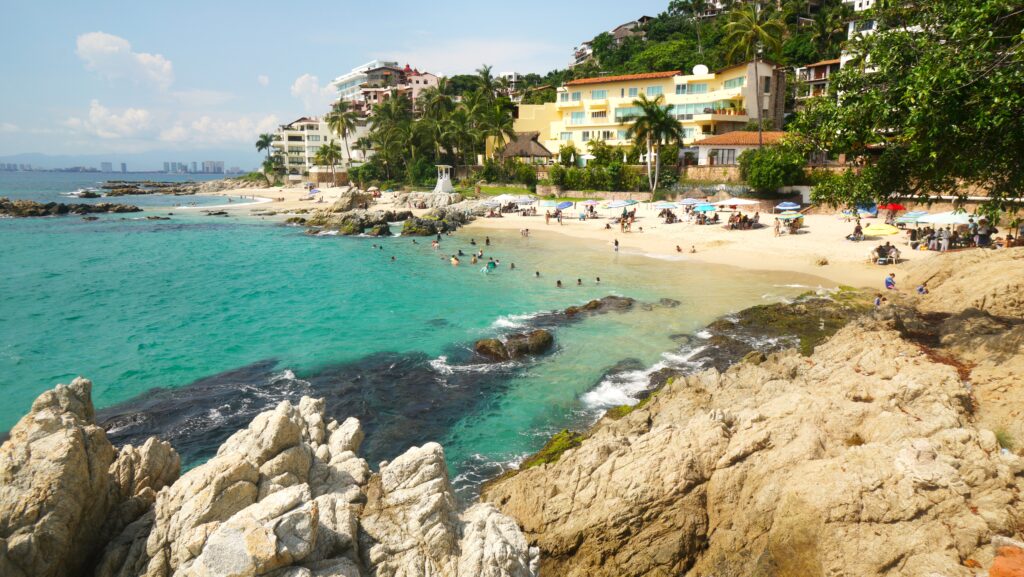
Living in Mexico long-term can be a rewarding choice, but it works best when expectations match reality.
Puerto Vallarta and the Riviera Nayarit stand out because they offer a broad range of lifestyles within one coastal region. Residents can choose an active city neighborhood, a marina-oriented community, an established beach town, an upscale residential development or a quieter coastal village.
For snowbirds, the region offers a winter escape with the possibility of extending a stay. For retirees, it offers a potential new home, provided that housing, healthcare, immigration and finances are carefully planned. For digital nomads and other long-term visitors, it offers a combination of scenery, community and activities that can make everyday life appealing.
But the best relocation decision is not the one that looks most attractive in a photograph. It is the one that works in practice when you shop for groceries, pay the bills, visit the doctor, navigate the rainy season and build a life beyond tourism.
Research the destination. Experience the neighborhoods. Understand the costs. Verify the legal requirements. Then decide whether Puerto Vallarta or Riviera Nayarit is the right place for you.
PromovisionPV’s role is to help future residents discover the region through destination guides, local information, neighborhood resources and video coverage that complements the written content.
Start exploring:
- PromovisionPV — Puerto Vallarta & Riviera Nayarit Travel Guide
- Puerto Vallarta Ultimate Travel Guide 2026
- Puerto Vallarta Relocation Report 2026
- Promovision YouTube Video Library
We provide information and resources for visitors to Puerto Vallarta, areas of The Riviera Nayarit and other destinations in both states of Jalisco and Nayarit. You will find variety of content, including articles, blog posts, videos, photos, descriptions and interviews, all of which are designed to help visitors plan their trip, including attractions, restaurants, and events. Follow: https://promovisionpv.com
Visit and Subscribe to our YouTube Channel for more Puerto Vallarta – Riviera Nayarit 420+ videos: Subscribe: https://www.youtube.com/@promovision/videos
Follow: Web site: https://promovisionpv.com
Subscribe: YouTube: https://youtube.com/promovision/videos
Subscribe: Instagram: https://instagram.com/promovisionpv/
Follow: LinkedIn: https://www.linkedin.com/in/ray-dion-48861926/
Follow: Facebook Group: https://facebook.com/groups/794486120348295
Follow: Facebook: https://www.facebook.com/profile.php?id=61576061534287