


Puerto Vallarta Travel Guide for US & Canadian Travelers
Everything you need to plan a Puerto Vallarta vacation beaches, food, culture, neighborhoods, flights, safety, and the Riviera Nayarit towns most guides never mention. Promovisionpv.com 1,800 pages
ON this Page
Why Puerto Vallarta
Flights & Getting There
Neighborhoods
Riviera Nayarit
Beaches & Nature
Food & Gastronomy
Arts, Culture & Events
LGBTQ+ Travel
Snowbird & Real Estate
Practical Info
PV vs. Cancún vs. Los Cabos
FAQ
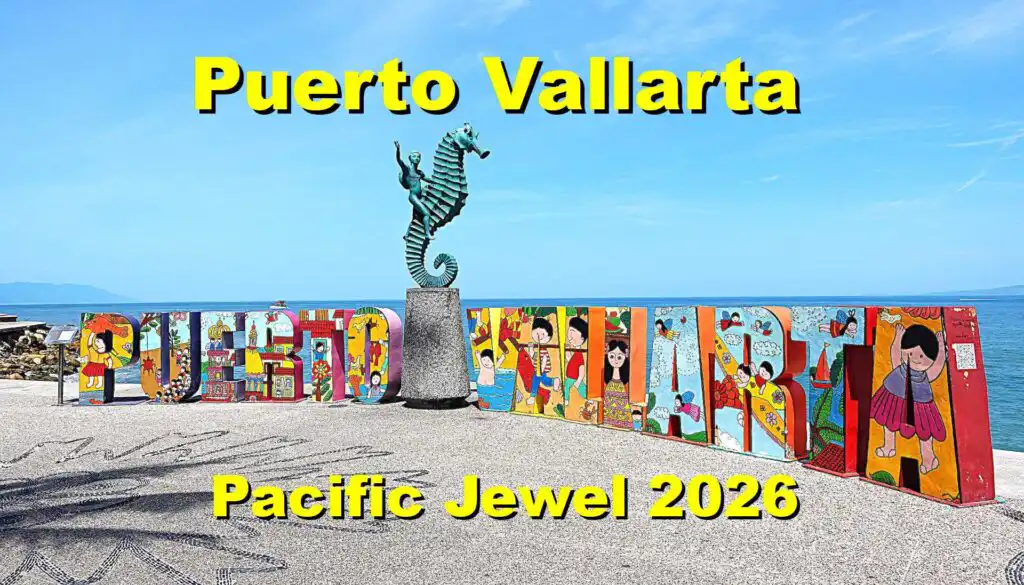
Every year, hundreds of thousands of travelers from the United States and Canada land at Licenciado Gustavo Díaz Ordaz International Airport (PVR) and step into one of the few places on Mexico’s Pacific coast where jungle-covered mountains fall straight into a wide, protected bay. That destination is Puerto Vallarta, Jalisco and it doesn’t stop at the city limits. Across Banderas Bay and up the coastline, the string of towns known as the Riviera Nayarit extends the experience through surf villages, fishing towns, and luxury enclaves most first-time visitors never hear about until they’re already there.
Puerto Vallarta Travel Guide for US & Canadians
This guide is built specifically for US and Canadian travelers weighing Puerto Vallarta against the usual short list — Cancún, Los Cabos, Riviera Maya — and for returning visitors who are ready to go deeper than the resort strip. It draws on more than 25 years of on-the-ground coverage from PromovisionPV, a Puerto Vallarta-based video production company and travel guide with over 1,000 published pages and a 420-video YouTube library documenting the region in English, Spanish, and French.
Quick answer for the skimmers: Puerto Vallarta gives you a walkable, culturally rich colonial-style city with a real Malecon boardwalk, a thriving restaurant scene, warm year-round water, and direct flights from dozens of US and Canadian cities — plus, unlike almost every other Mexican beach destination, a full network of distinct neighboring towns (the Riviera Nayarit) you can day-trip to or split your stay between.
Why Puerto Vallarta Stands Out for US & Canadian Travelers
Cancún and the Riviera Maya were purpose-built for tourism on flat, jungle-cleared land along the Caribbean. Los Cabos is a desert resort corridor at the tip of the Baja peninsula. Puerto Vallarta is different: it grew as a real fishing town on the Pacific, and that history is still visible in its cobblestone streets, red-tile roofs, and a Malecon boardwalk lined with public sculpture instead of resort walls. The Sierra Madre mountains rise directly behind the city and drop into tropical dry forest, giving Puerto Vallarta a green, dramatic backdrop that flatter Caribbean destinations simply don’t have.
For US and Canadian travelers specifically, the appeal comes down to a few consistent themes:
Direct flight access from a wide range of US and Canadian cities, with seasonal capacity that expands heavily every winter.
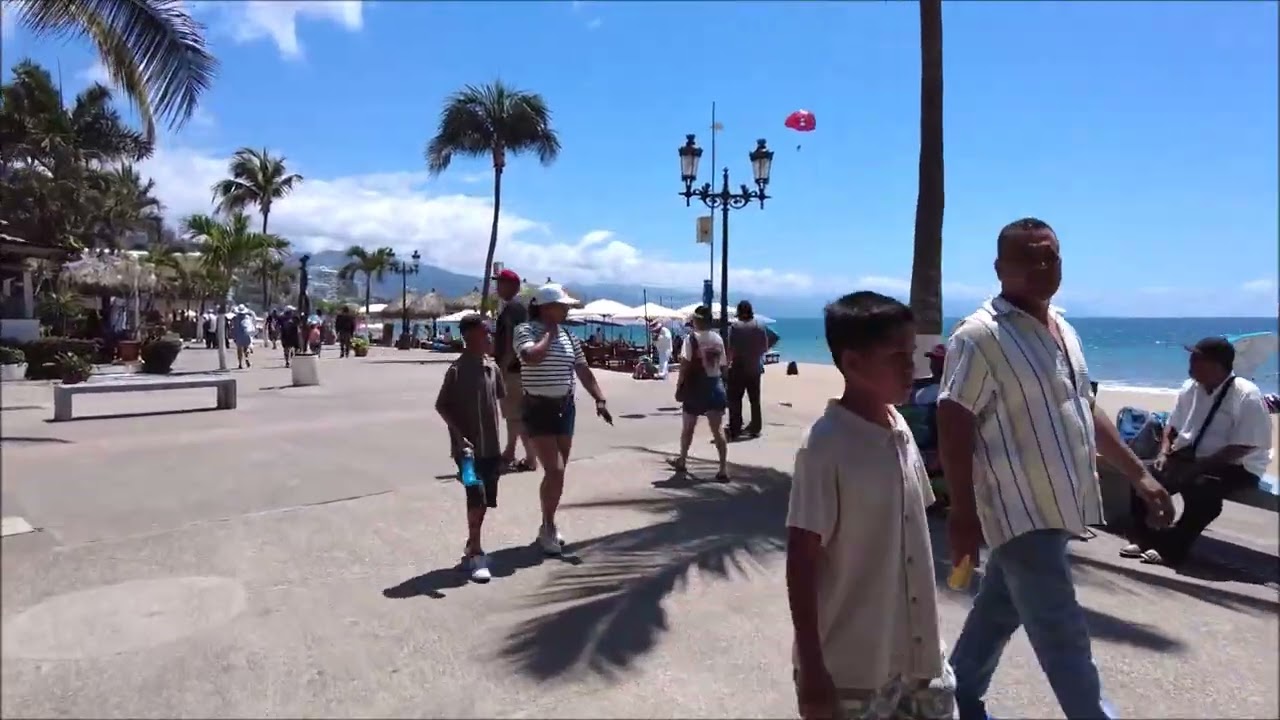
A walkable, human-scaled city center (Zona Romantica and the Malecon) where you don’t need a rental car to have a full vacation.
Warm Pacific water and consistent weather across a long high season, plus a genuine wet-season shoulder period for value travelers.
An established expat and snowbird community, particularly among Canadians, which means English is widely spoken in tourist areas and long-stay logistics (banking, healthcare, real estate) are well understood. Review the page on all the facebook expats groups. Puerto Vallarta – Nayarit Facebook Groups
A connected region, not just one resort strip — the Riviera Nayarit towns give returning visitors new places to explore without changing destinations entirely.
Search interest and feeder-market data consistently show Puerto Vallarta punching well above its size among Pacific coast destinations, with the region drawing particularly strong repeat traffic from California, Texas, the Pacific Northwest, and the Canadian prairie provinces and British Columbia — a pattern covered in more depth in PromovisionPV’s Puerto Vallarta Ultimate Travel Guide 2026.
Flights & Getting to Puerto Vallarta

Puerto Vallarta is served by Licenciado Gustavo Díaz Ordaz International Airport (airport code PVR), located about 20 minutes north of downtown along the Riviera Nayarit corridor — which means your flight lands closer to Nuevo Nayarit and Bucerias than to the Zona Romantica. During peak winter season (November through April), airlines add substantial direct capacity from both countries. Puerto Vallarta Popular US States & Canadians
From the United States
Direct routes commonly run from Los Angeles, San Francisco, Phoenix, Dallas-Fort Worth, Houston, Denver, Chicago, Seattle, Portland, Las Vegas, and Atlanta on carriers including Alaska Airlines, American Airlines, United, Delta, and Southwest, with additional seasonal routes added by low-cost carriers each winter.
From Canada
WestJet and Air Canada anchor a heavy winter schedule from Vancouver, Calgary, Edmonton, Toronto, and Montreal, supplemented by charter and vacation-package carriers. Winter capacity from Canada to PVR is among the highest of any Mexican Pacific destination, reflecting the size of the snowbird market.
Once you land, getting into town is straightforward: authorized airport taxis, prepaid transfer services, and rideshare apps all operate from PVR, and most hotels in the Hotel Zone, Marina Vallarta, and Zona Romantica are 15–35 minutes away depending on traffic. Travelers heading straight to Riviera Nayarit towns like Bucerias or Punta Mita are often closer to the airport than those staying in Old Town.
Puerto Vallarta’s Neighborhoods, Explained
One of the most common points of confusion for first-time visitors is that “Puerto Vallarta” isn’t one strip — it’s a series of distinct neighborhoods strung along Banderas Bay, each with its own character.
Zona Romantica (Old Town)
The heart of PV’s walkable charm: cobblestone streets, the southern end of the Malecon, Los Muertos Beach, and the highest concentration of independent restaurants, galleries, and nightlife in the city. It’s also the center of Puerto Vallarta’s long-established LGBTQ+ scene. PromovisionPV’s dedicated Romantic Zone Travel Guide breaks the neighborhood down block by block.
El Centro & the Malecon
Home to the iconic Parroquia de Nuestra Señora de Guadalupe (the church with the crown-shaped tower), the seaside Malecon boardwalk with its bronze sculptures, and the main town square where evening life spills into the streets.
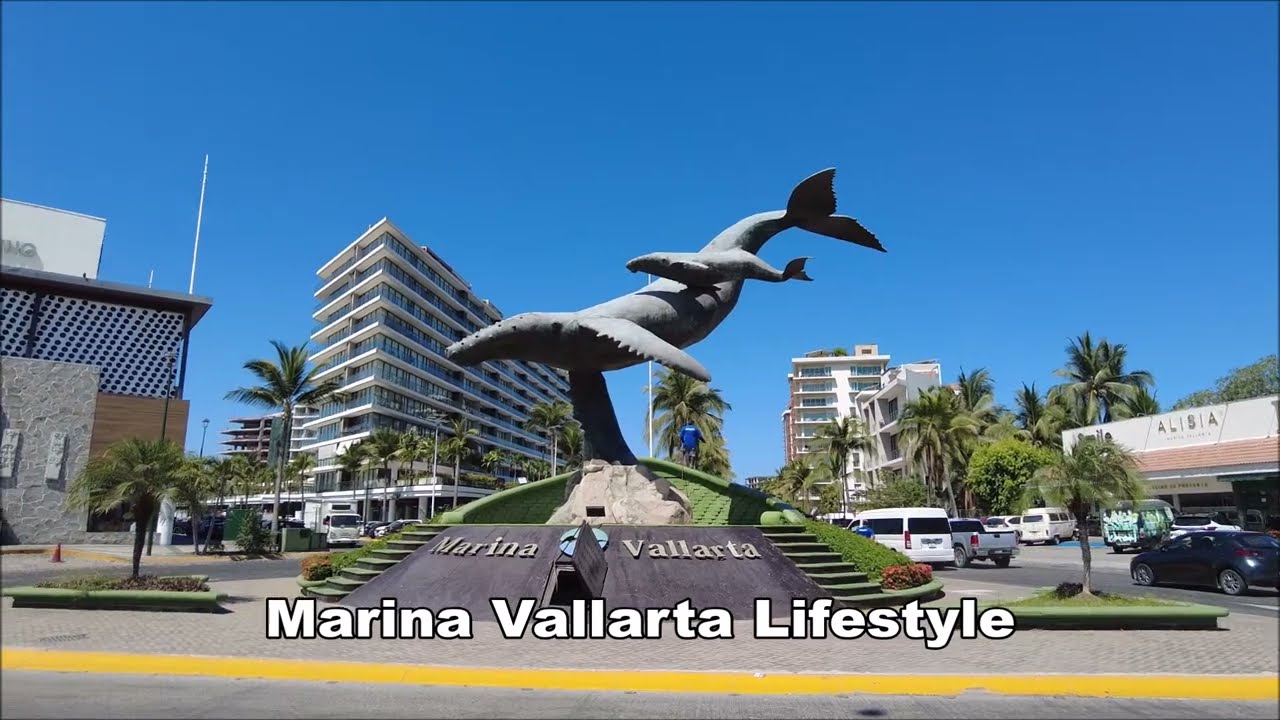
Marina Vallarta
A planned marina district with a golf course, upscale condos, yacht charters, and a quieter, more residential pace — popular with longer-stay visitors who want proximity to the airport without the density of Old Town.
Hotel Zone
The classic beachfront strip of larger resorts and all-inclusive properties between the Marina and El Centro — the easiest option for travelers who want a resort-style stay with walkable access to the Malecon.
South Shore: Mismaloya, Boca de Tomatlán & Beyond
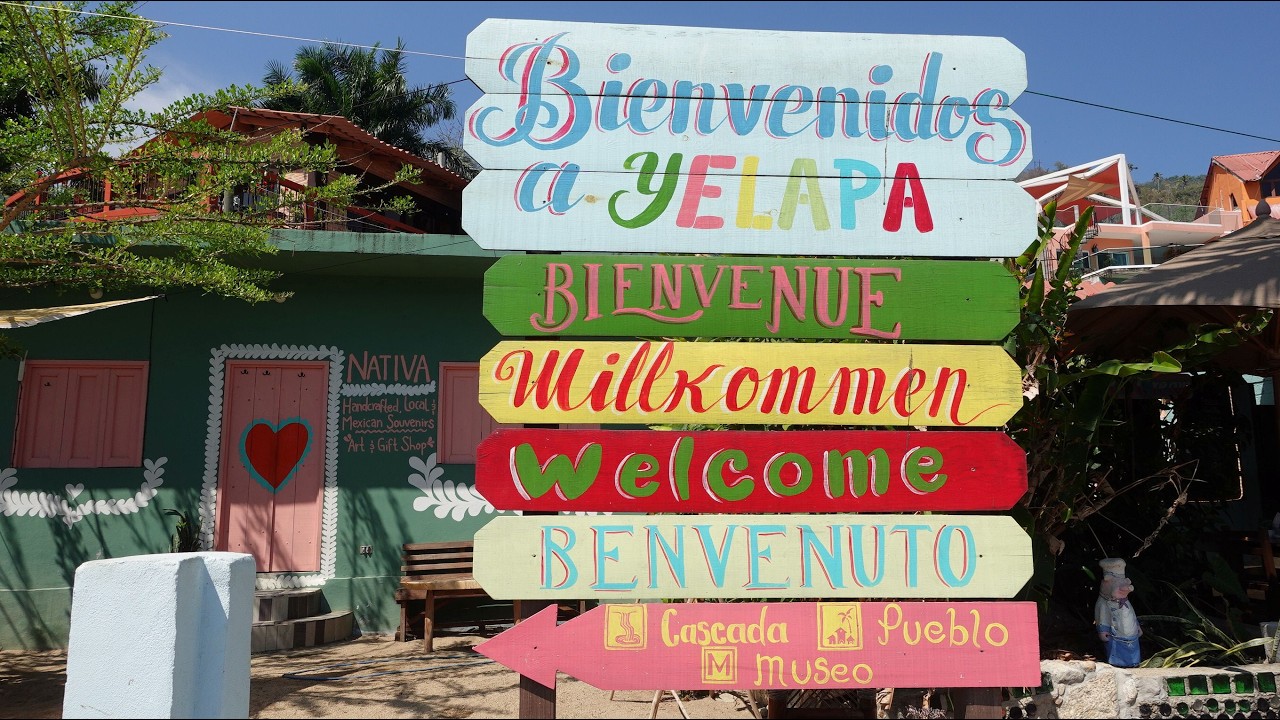
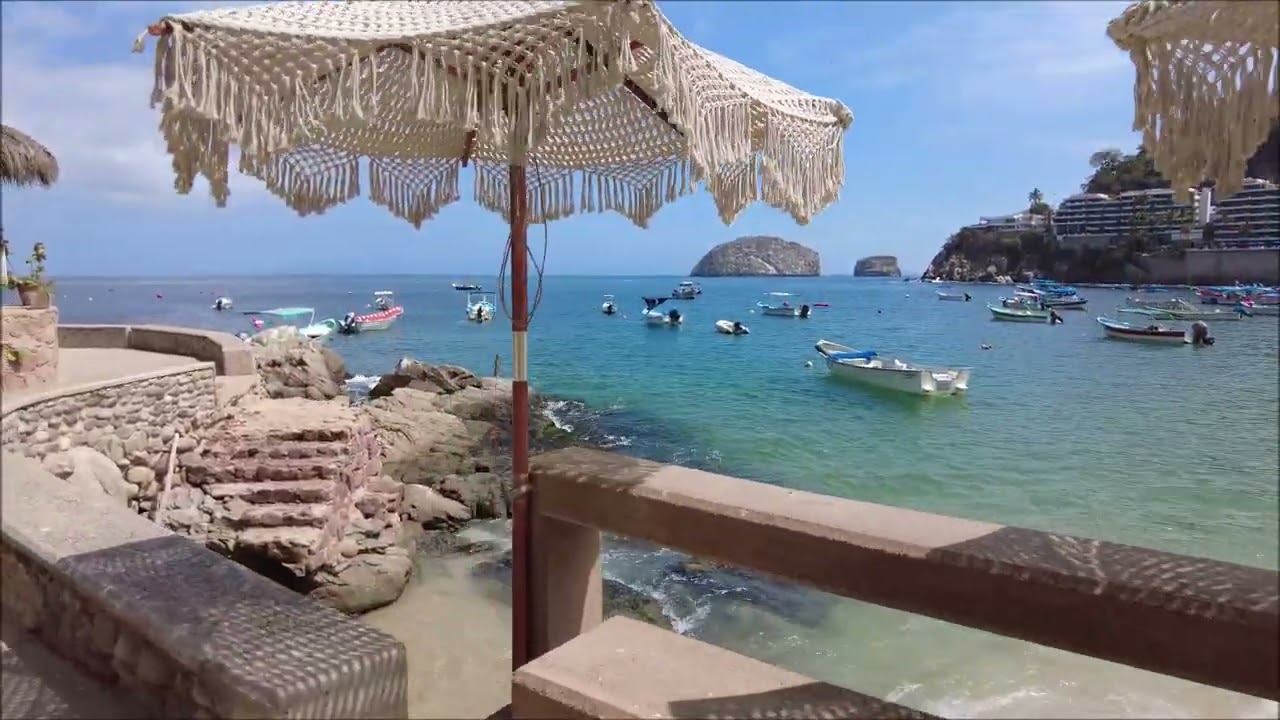
South of the Zona Romantica, the coast road climbs into the jungle past Mismaloya (the filming location of The Night of the Iguana) toward Boca de Tomatlán, where water-taxis depart for boat-access-only beaches. Further south still, Tehuamixtle and Mayto and the boat-access village of Yelapa reward travelers willing to leave the road behind entirely.
Riviera Nayarit: The Region Most Guides Skip
This is where PromovisionPV’s coverage diverges from almost every mainstream Puerto Vallarta guide. Cross the Ameca River north of the airport and you leave Jalisco for the state of Nayarit — and the towns of the Riviera Nayarit, each with a genuinely different personality:
Nuevo Nayarit
The closest Riviera Nayarit town to PVR airport, with a fast-growing marina district, golf corridor, and beachfront hotel zone popular with both vacationers and new residents.
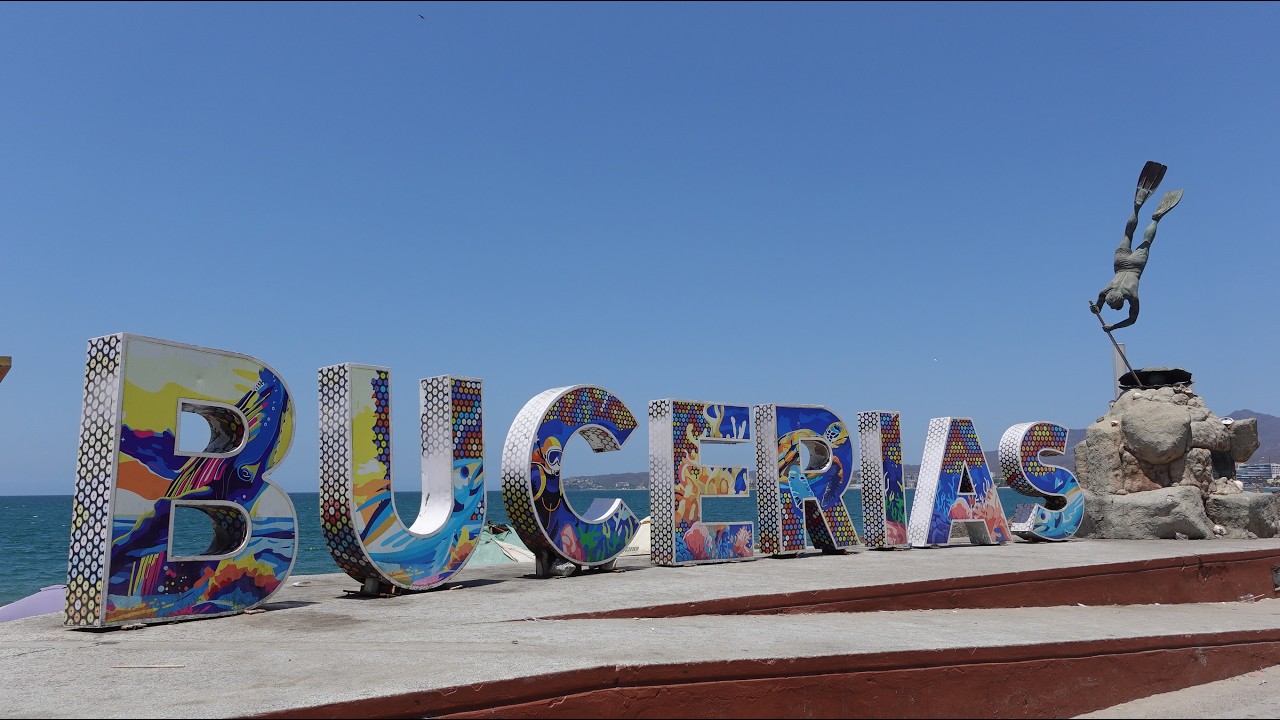
Bucerias
A long, walkable beach town with a genuine local market scene, a large Canadian and American snowbird population, and easy access to both PV and the rest of Riviera Nayarit.
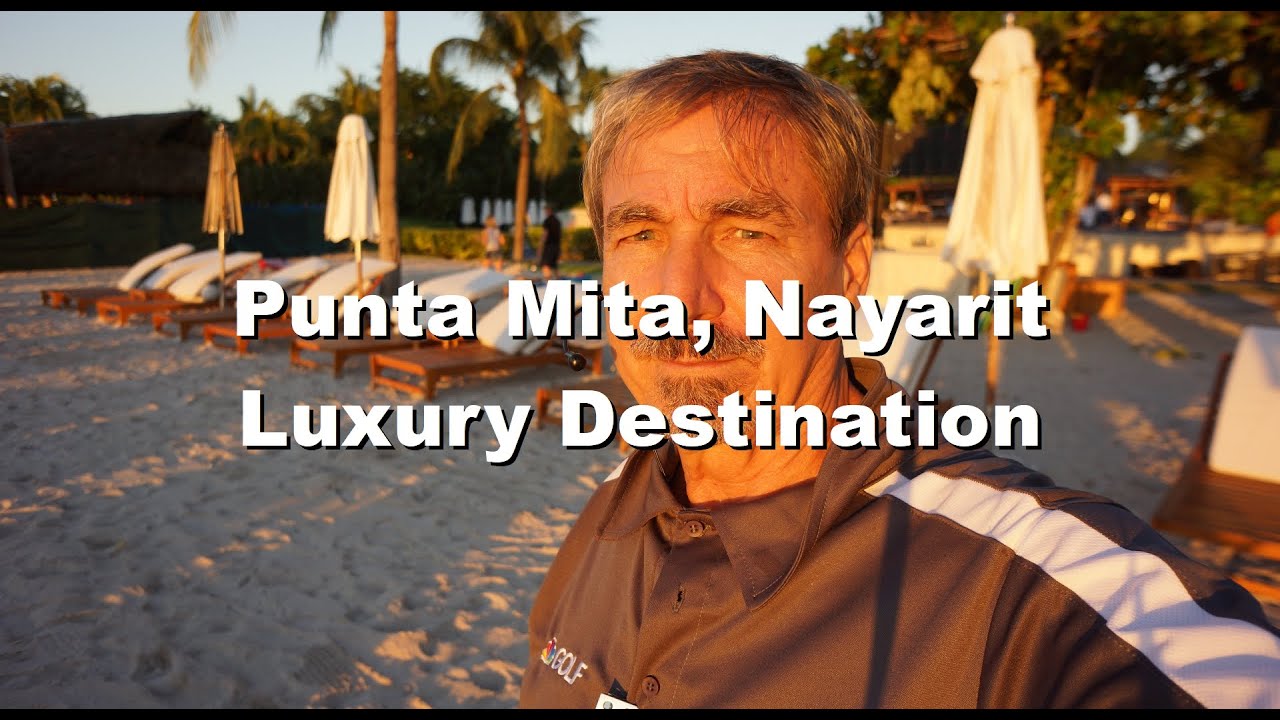
Punta Mita
An exclusive peninsula of luxury resorts, world-class surf breaks, and championship golf — the region’s answer to Los Cabos-style high-end travel, minus the desert.
Sayulita
A designated Pueblo Mágico and the region’s best-known surf town, with a colorful, walkable center, beginner-friendly waves, and a dense cluster of boutique hotels and cafes.
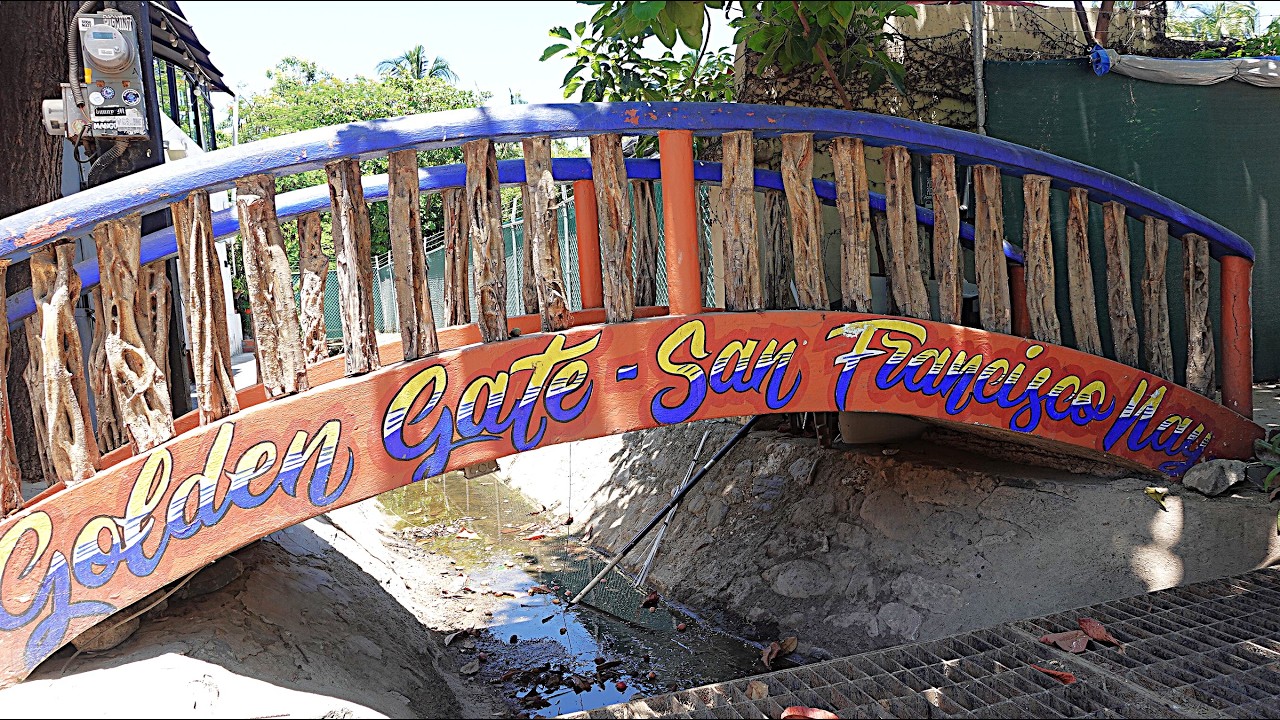
San Pancho
Sayulita’s quieter neighbor: a wide beach, a slower pace, and a strong community of long-term snowbirds and creatives, covered in PromovisionPV’s dedicated San Pancho destination guide.
Lo de Marcos
A low-key beach town further up the coast, popular with RV travelers and long-stay visitors looking for a slower, more local pace.
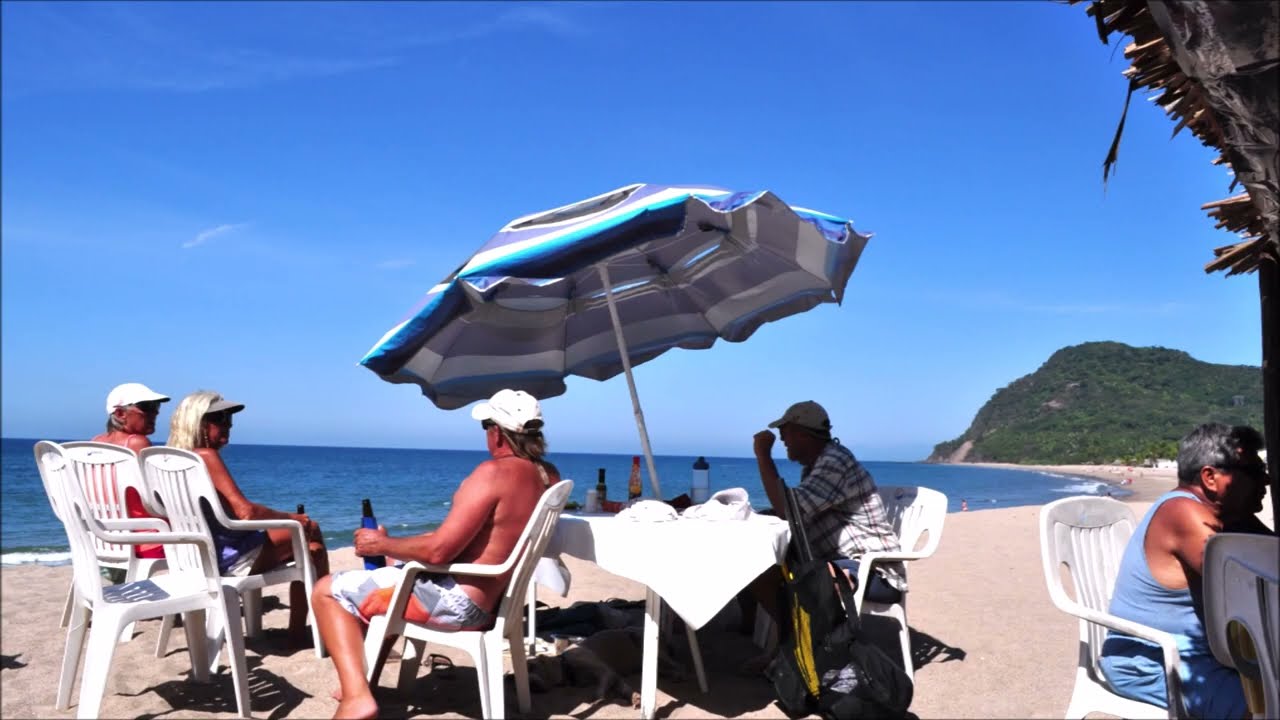
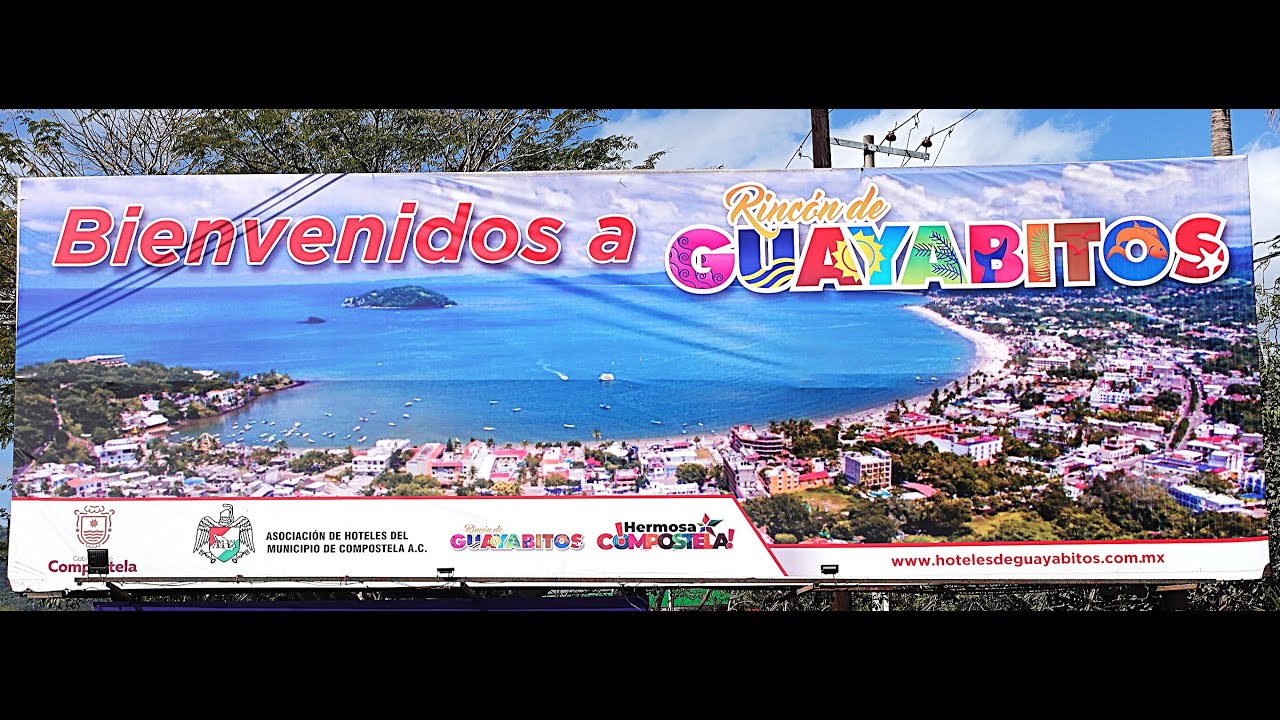
Rincon de Guayabitos
A family-oriented beach town with calm, shallow water — a longtime favorite with Mexican domestic tourism that’s increasingly on the radar for North American visitors.
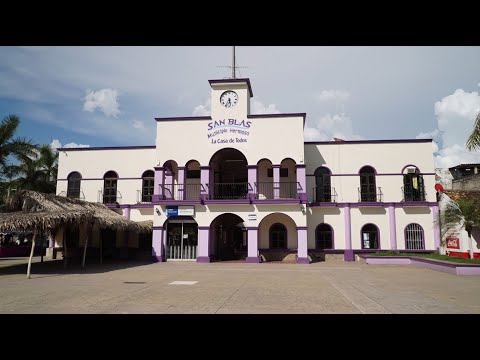
San Blas
The Riviera Nayarit’s wild edge: colonial ruins, mangrove estuary tours, and some of the best birdwatching on Mexico’s Pacific coast.
PromovisionPV’s Riviera Nayarit Travel Guide & Itinerary lays out how to sequence these towns into a single road trip, and it’s consistently the differentiator that separates a one-week Puerto Vallarta vacation from a one-week Puerto Vallarta obsession.
Beaches, Whales & Outdoor Experiences
Banderas Bay is one of the largest bays in North America, and it does double duty as a marine sanctuary. From roughly December through March, humpback whales migrate into the bay to breed and calve, making whale watching tours one of the single most requested experiences among winter visitors. The bay’s protected waters also support year-round snorkeling, sport fishing, and boat access to the Marietas Islands, a nature reserve known for its hidden “Hidden Beach” (Playa del Amor) accessible only by swimming through a rock tunnel at low tide.
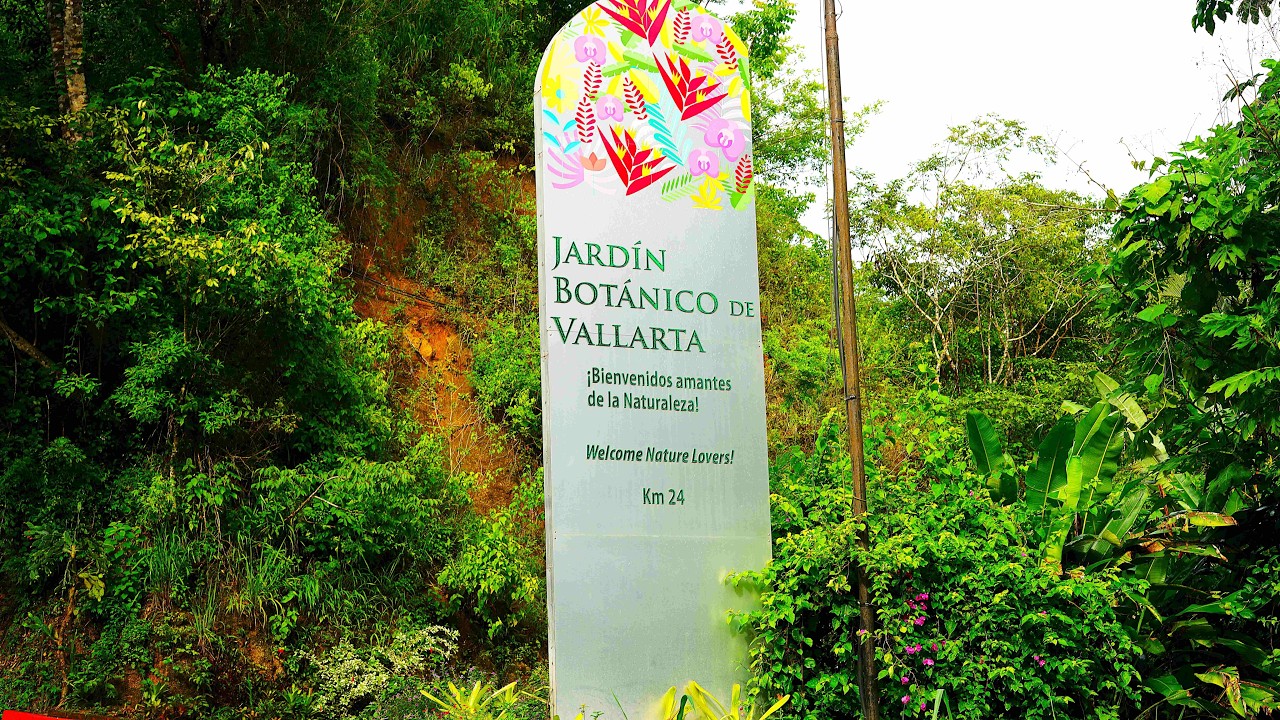
Inland, the Sierra Madre foothills open up a completely different set of experiences: zip-lining canopy tours, ATV and horseback trips into the jungle, and the Vallarta Botanical Gardens, a working conservation garden with river swimming, an orchid house, and a restaurant overlooking the Horcones River — one of the most complete half-day trips in the entire region and a frequent stop on PromovisionPV’s video coverage.
Food & Gastronomy
Mexican cuisine’s UNESCO-recognized status is on full display in Puerto Vallarta, where street-level tacos al pastor sit a few blocks from internationally reviewed fine dining. For US and Canadian travelers used to paying resort prices for mediocre food, the value gap is dramatic a theme covered in detail in PromovisionPV’s Puerto Vallarta Food Costs vs. USA & Canada comparison and its companion piece on why street tacos are a healthy, safe choice for visitors who follow basic food-safety common sense. Puerto Vallarta Food Costs vs. USA & Canada https://promovisionpv.com/puerto-vallarta-food-costs-vs-usa-canada/


Seasonal food culture adds another layer for repeat visitors: the region hosts cacao and chocolate festivals, seafood cook-offs, and traditional dishes tied to the Mexican calendar, from mole and chiles en nogada in late summer to fresh-caught red snapper year-round along the Malecon’s seafood row.
Arts, Culture & Events
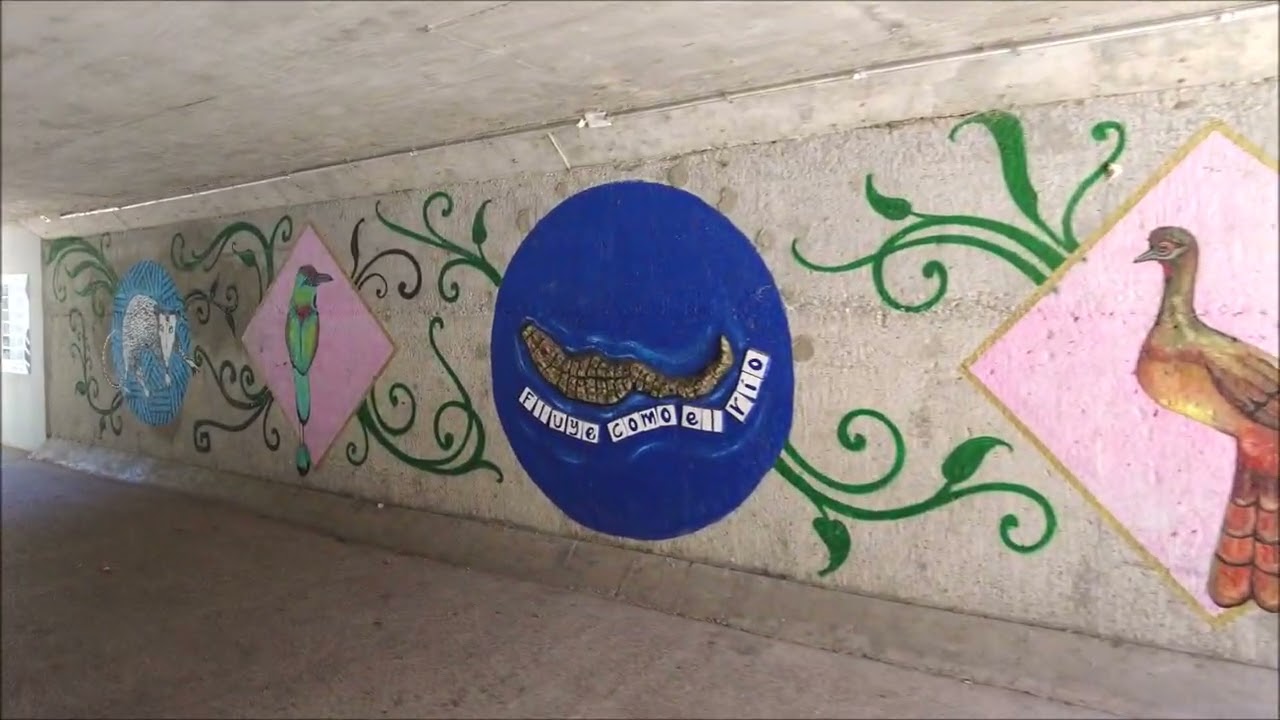
Puerto Vallarta’s identity as an arts town runs deeper than most first-time visitors expect. The Malecon itself functions as an open-air sculpture gallery, the Zona Romantica hosts a long-running gallery scene and a weekly art walk during high season, and the city’s calendar is anchored by major events including December’s Fiestas Guadalupanas, a multi-week religious and cultural celebration, alongside music, film, and food festivals that run throughout the year across both Puerto Vallarta and the Riviera Nayarit towns.
LGBTQ+ Travel in Puerto Vallarta
Puerto Vallarta has been one of Mexico’s leading LGBTQ+ destinations for decades, with the Zona Romantica hosting a dense, walkable cluster of gay-owned hotels, bars, and beach clubs alongside a well-established Pride celebration. PromovisionPV’s dedicated Gay/LGBTQ+ Puerto Vallarta, Riviera Nayarit & Nuevo Nayarit travel guide — built from more than a decade of coverage across the site and YouTube channel — remains one of the deepest single resources on the topic for US and Canadian LGBTQ+ travelers researching the destination.
Snowbird Living & Real Estate
A meaningful share of Puerto Vallarta and Riviera Nayarit’s North American visitors aren’t one-and-done vacationers they are repeat snowbirds, and a growing number eventually explore real estate in Puerto Vallarta as a second home or retirement option. The appeal is straightforward: a lower cost of living than most of the US and Canada, an established foreign-resident community (particularly strong among Canadians), direct flights home, and a well-documented path through Mexico’s fideicomiso (bank trust) structure for foreign coastal property ownership.
PromovisionPV’s long-form coverage of this decision — including a dedicated pros/cons breakdown for Canadians weighing repeat vacationing against retiring or relocating pulls together health insurance considerations, the Bucerias snowbird scene, and the active Facebook communities that have grown up around the region’s expat population.
Practical Information for First-Time Visitors

Best time to visit
November through April for dry weather, whale watching, and peak festival season. June through October brings lower prices, greener jungle scenery, and short daily rain showers rather than all-day storms.
Currency & language
The Mexican peso is the official currency, though US dollars are widely accepted in tourist areas at a markdown exchange rate. English is common in tourist zones; a little Spanish goes a long way in local markets and Riviera Nayarit towns.
Health & wellness
Puerto Vallarta has an established medical tourism sector for dental work, cosmetic procedures, and elective surgery, covered in PromovisionPV’s Health section, with pricing typically a fraction of US or Canadian equivalents.
Getting around
Zona Romantica and El Centro are fully walkable. Local buses connect the Hotel Zone, Marina Vallarta, and Riviera Nayarit towns cheaply, while rideshare apps and rental cars cover longer day trips.
Puerto Vallarta vs. Cancún vs. Los Cabos
How Puerto Vallarta compares to Mexico’s other top beach destinations for US & Canadian travelers
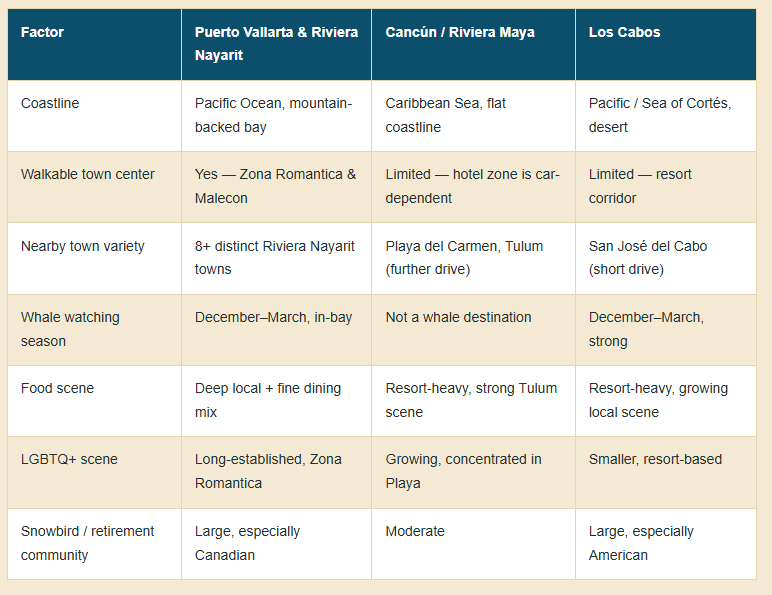
Factor Puerto Vallarta & Riviera Nayarit Cancún / Riviera Maya Los Cabos
Coastline Pacific Ocean, mountain-backed bay Caribbean Sea, flat coastline Pacific / Sea of Cortés, desert
Walkable town center Yes — Zona Romantica & Malecon Limited — hotel zone is car-dependent Limited — resort corridor
Nearby town variety 8+ distinct Riviera Nayarit towns Playa del Carmen, Tulum (further drive) San José del Cabo (short drive)
Whale watching season December–March, in-bay Not a whale destination December–March, strong
Food scene Deep local + fine dining mix Resort-heavy, strong Tulum scene Resort-heavy, growing local scene
LGBTQ+ scene Long-established, Zona Romantica Growing, concentrated in Playa Smaller, resort-based
Snowbird / retirement community Large, especially Canadian Moderate Large, especially American

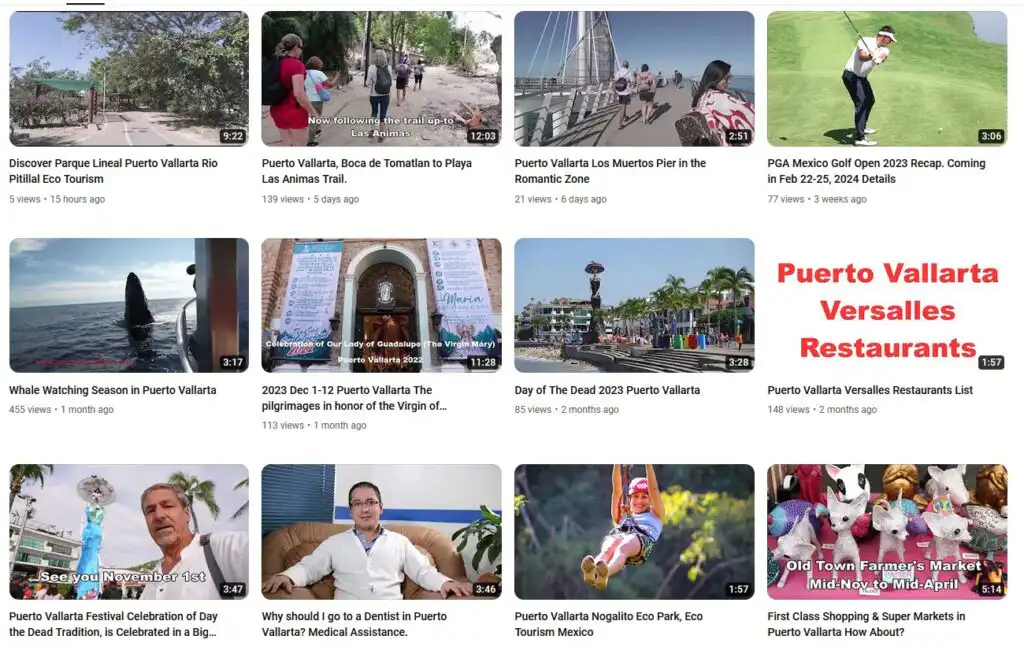
PromovisionPV has filmed over 220 videos across Puerto Vallarta and the Riviera Nayarit — neighborhoods, beaches, festivals, and honest walkthroughs of what each town actually feels like. Watch the PromoVision YouTube Channel
Frequently Asked Questions
Is Puerto Vallarta safe for US and Canadian travelers? Puerto Vallarta’s tourist zones — the Malecon, Zona Romantica, Marina Vallarta, and the Hotel Zone — see heavy day-to-day foot traffic from international visitors. As with any destination, use ordinary travel precautions: stick to well-lit areas at night, use registered taxis or rideshare, and check official travel advisories from your home country before booking.
How do I fly to Puerto Vallarta from the US or Canada? Fly into Licenciado Gustavo Díaz Ordaz International Airport (PVR). Direct flights run from dozens of US and Canadian cities on carriers including Alaska, American, United, Delta, Southwest, WestJet, and Air Canada, with the heaviest schedules during the November–April high season.
What is the difference between Puerto Vallarta and Riviera Nayarit? Puerto Vallarta is in Jalisco, on the southern side of Banderas Bay. Riviera Nayarit is the string of towns across the state line in Nayarit — Nuevo Nayarit, Bucerias, Punta Mita, Sayulita, San Pancho, Lo de Marcos, Rincon de Guayabitos, and San Blas — all within easy driving distance and increasingly treated as one combined vacation region.
When is the best time to visit Puerto Vallarta? November through April for dry weather and whale season, with December through February the busiest and driest stretch. June through October is the value shoulder season, with lush scenery and short evening rain rather than all-day storms.
Is Puerto Vallarta good for a first trip to Mexico? Yes — it pairs an established, walkable tourist infrastructure with real Mexican culture, making it approachable for first-timers while still offering the depth that keeps experienced travelers coming back year after year.
Explore More on PromovisionPV
External Resources
For official planning information alongside PromovisionPV’s on-the-ground coverage, see the VisitMexico national tourism board, the Riviera Nayarit Convention & Visitors Bureau, and Mexico’s Secretariat of Tourism (SECTUR) for entry requirements. Travelers researching property should also review the Asociación Mexicana de Profesionales Inmobiliarios (AMPI), Mexico’s national real estate association, and check current guidance from the US State Department or Government of Canada travel advisories before booking.
PromovisionPV — Puerto Vallarta & Riviera Nayarit Travel Guide, Travel Blogger, Travel Vlogger & Video Production Company based in Puerto Vallarta, Jalisco, Mexico. Content available in English, Spanish, and French. Facebook · YouTube
© PromovisionPV