
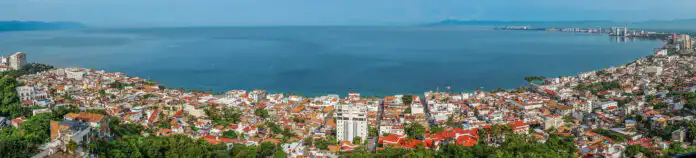

Puerto Vallarta History Evolution. Before the hotels, cruises, and Instagram-worthy sunsets, Puerto Vallarta was just a peaceful village nestled between the Sierra Madre mountains and the Pacific Ocean. In the 19th century, the area was called Las Peñas, a modest port used by fishermen and cattle ranchers from the nearby valley.
Puerto Vallarta began as a quiet coastal landing point and trading village before growing into an internationally famous Pacific resort city.
Early and Indigenous Roots
Ancient Inhabitants: Human presence on Banderas Bay dates back to 580 BC, with the Aztatlán culture dominating the region from 900 to 1200 AD, alongside indigenous groups like the Huichol people.
Spanish Arrival: Spanish explorers named the bay Bahía de Banderas after encountering local tribes, and in 1644 the Spanish built a rudimentary shipyard there for expeditions heading toward Baja California.
Founding as Las Peñas (1851)
Establishment: Puerto Vallarta’s traditional founding date is December 12, 1851, when Guadalupe Sánchez Torres and his family established a settlement at the mouth of the Cuale River named Las Peñas de Santa María de Guadalupe.
Role as a Hub: The village operated primarily as a coastal landing and salt-transport route supplying the silver mines and agricultural centers of the Sierra mountains.
Municipality and Renaming (1918)
New Name: On October 31, 1918, the Jalisco State Congress made Las Peñas an official municipality (Decree No. 1889) and renamed it Puerto Vallarta in honor of Ignacio Luis Vallarta, a prominent Jalisco jurist and former state governor.
Early Industries: The local economy expanded through banana plantations in the 1920s, shark fishing during World War II, and regional trade, though the town remained relatively isolated by road for decades.
Hollywood and Global Discovery (1960s)
The Turning Point: Global attention arrived in 1963 when director John Huston filmed The Night of the Iguana in nearby Mismaloya Beach.
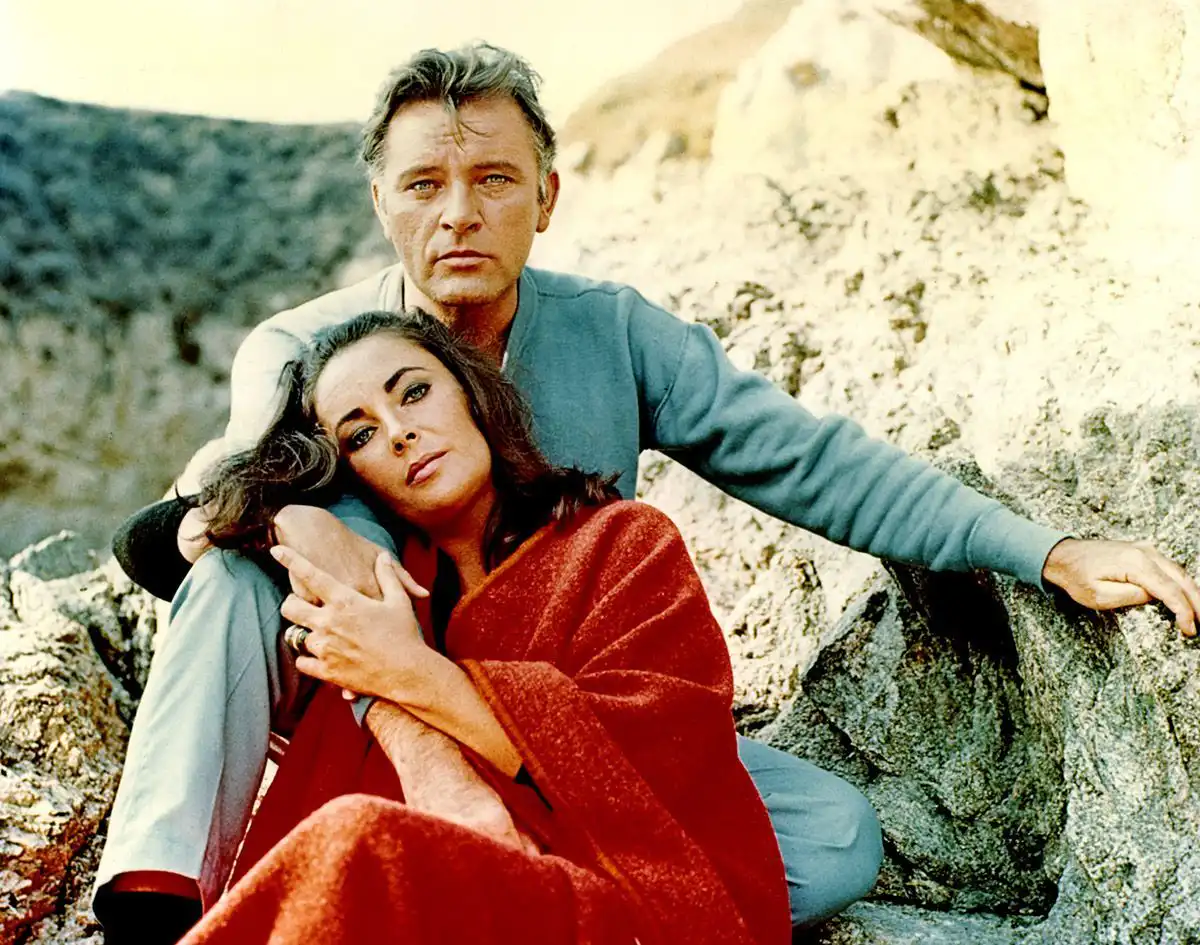
Celebrity Spotlight: High-profile romances—most notably between Elizabeth Taylor and Richard Burton—drew worldwide media frenzy, turning a sleepy fishing village into a jet-set hotspot.
City Status: On May 31, 1968, Puerto Vallarta officially achieved city status on its 50th anniversary as a municipality, coinciding with major infrastructure investments like new highways and the international airport.
Modern Era
Growth and Expansion: Development spread south into Mismaloya and north across the Ameca River into Riviera Nayarit (including Marina Vallarta and Nuevo Vallarta).
Landmarks: The iconic Parish of Our Lady of Guadalupe and the oceanfront El Malecón anchor a vibrant cultural identity that blends modern tourism with historic Mexican traditions.

What makes Old Vallarta so charming today, its narrow streets, steep inclines, and unexpected turns, stems from a surprising fact: the streets were laid out along the old paths of cows and mules. These animals naturally followed the most accessible routes down to the Cuale River and the sea. When the population grew, these paths were simply paved over, without ever redesigning the town.
That’s why, even today, Puerto Vallarta retains its organic, almost vibrant feel, where every alleyway seems to follow the rhythm of the landscape rather than an architect’s plan. Walking its streets is like traveling back in time—to where the footsteps of fishermen, animals, and the first inhabitants gently shaped the heart of the city.
Puerto Vallarta History Evolution Untill Hollywood
Puerto Vallarta, where love and cinema collide…
In 1963, actor Richard Burton arrived in Puerto Vallarta to film The Night of the Iguana. His partner, Elizabeth Taylor, immediately captured the world’s attention. Their love, their eccentricity, and their presence would forever change the destiny of this small fishing village, which became a legendary destination on the Mexican Riviera.
1- The film shoot that changed everything
John Huston’s film brought Puerto Vallarta to the attention of the general public. The Burton-Taylor couple, hounded by the international press, transformed the hills of Mismaloya and the cobblestone streets into a veritable movie set.

Puerto Vallarta Some History Night of the Iguana
2- The Bridge of Love
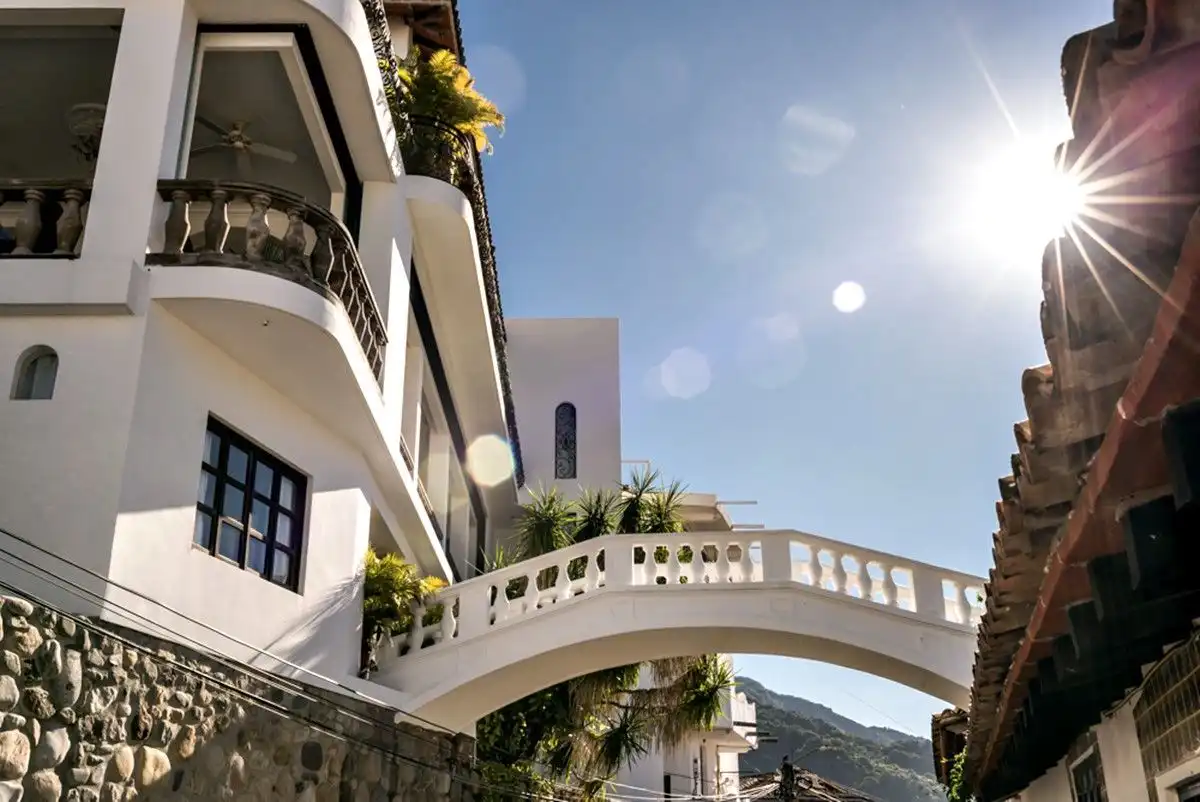
Richard Burton gifted Elizabeth Taylor a villa (the famous Casa Kimberly) before buying the house across the street. Between the two, he had a small suspension bridge built: the Puente del Amor (Bridge of Love). A secret passageway to escape prying eyes… or to make peace after an argument.
3- An eternal legend
Today, Casa Kimberly is a charming boutique hotel. The bridge, the original tiles, and the bay views still evoke Hollywood glamour and the couple’s passionate romance. A bronze statue, installed right in front of the house, perpetuates this romantic myth.

Burton-Taylor Anecdotes
The Filming That Changed Vallarta’s Destiny
In 1963, director John Huston set up his cameras in the wild cove of Mismaloya to film The Night of the Iguana. Under the sun and the cries of parrots, Richard Burton, Ava Gardner, Deborah Kerr, and Sue Lyon brought to life a scorching drama set between jungle and ocean.
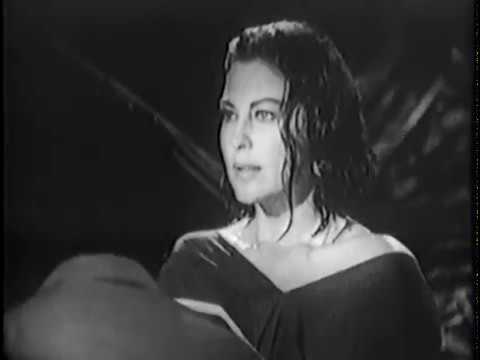
But the real story unfolded off-camera with the arrival of Elizabeth Taylor.
When the jungle became a film set, Puerto Vallarta entered the annals of history.
Even Hollywood stars sometimes find themselves upside down!
One afternoon, Richard Burton wanted to show Elizabeth Taylor the cobblestone streets of Old Vallarta, behind the wheel of a brand-new jeep. The locals laughed, the children waved… until a sharp turn sent the jeep tumbling onto its side! More of a scare than anything else: Burton got up, laughing – “That day, Puerto Vallarta brought me back down to earth!” The anecdote spread throughout the town and forever cemented the bond between the couple and the city.
A small fall that became a great legend in the streets of Vallarta.
The forbidden parties of the jungle
In Mismaloya, near the filming of The Night of the Iguana, Richard Burton and Elizabeth Taylor had transformed their villa into a timeless refuge. At night, the jungle came alive: lanterns hung overhead, music filled the air, and laughter and whispers filled the air as guests came from far and wide. Actors, fishermen, journalists, even politicians—all drawn by the aura of the legendary couple.
These parties were considered “forbidden”: too free, too noisy, too scandalous for the time. But it was from this nocturnal frenzy that the legend of Puerto Vallarta was born: a small fishing village that, in just a few nights, became the stage for the world’s passions.
John Huston: The legendary director of The Night of the Iguana fell deeply in love with the region. He later established a long-term home and sanctuary at Las Caletas, a secluded cove just south of Puerto Vallarta accessible only by boat, where he lived for many years.
Did you know about the Movies Shot in Puerto Vallarta? https://promovisionpv.com/did-you-know-about-the-movies-shot-in-puerto-vallarta/
We provide information and resources for visitors to Puerto Vallarta, areas of The Riviera Nayarit and other destinations in both states of Jalisco and Nayarit. You will find variety of content, including articles, blog posts, videos, photos, descriptions and interviews, all of which are designed to help visitors plan their trip, including attractions, restaurants, and events. Follow: https://promovisionpv.com

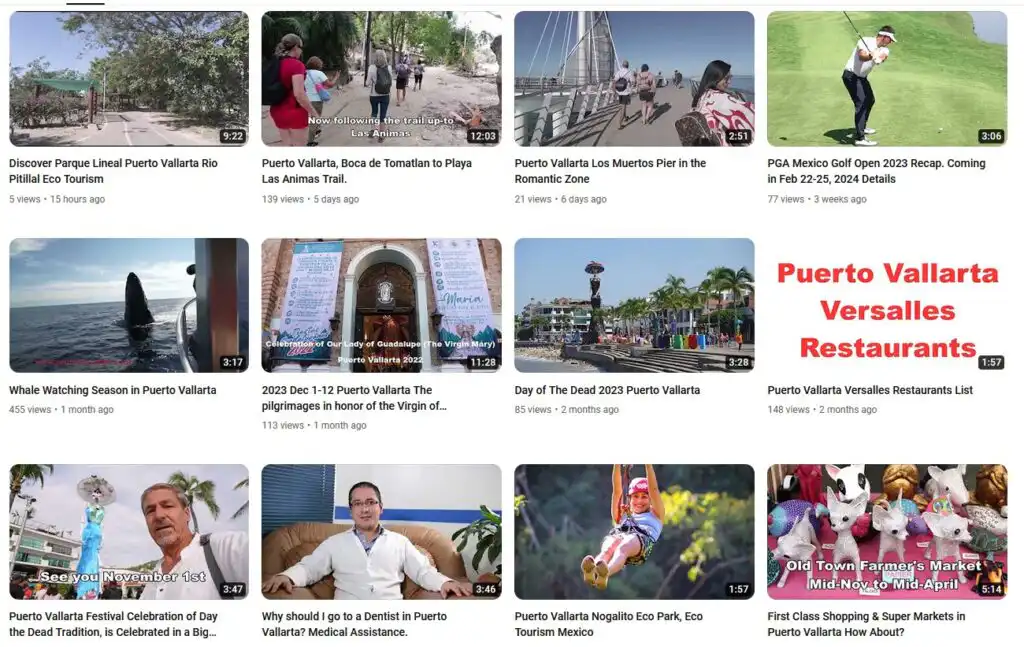
Visit and Subscribe to our YouTube Channel for more Puerto Vallarta – Riviera Nayarit 420+ videos: Subscribe: https://www.youtube.com/@promovision/videos
Follow: Web site: https://promovisionpv.com
Subscribe: YouTube: https://youtube.com/promovision/videos
Subscribe: Instagram: https://instagram.com/promovisionpv/
Follow: LinkedIn: https://www.linkedin.com/in/ray-dion-48861926/
Follow: Facebook Group: https://facebook.com/groups/794486120348295
Follow: Facebook: https://www.facebook.com/profile.php?id=61576061534287