
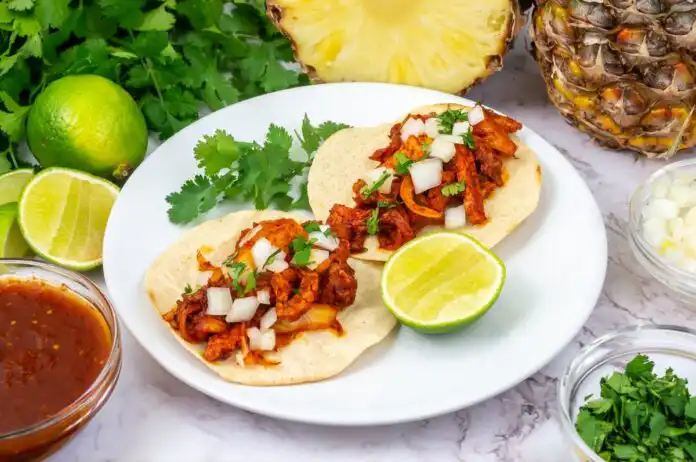

Mexican Food Tacos al Pastor stand as one of Mexico’s most iconic culinary masterpieces. Blending centuries-old international trade history with vibrant indigenous and regional Mexican flavors, they offer a masterclass in how global culinary traditions evolve when they cross borders.
1- The History: From Beirut to Puebla
Few dishes tell a richer story of cultural collision and migration. In the late 19th and early 20th centuries, Lebanese immigrants (many fleeing the Ottoman Empire) settled in central Mexico, particularly in Puebla and Mexico City.
They brought with them the tradition of shawarma—lamb roasted on a vertical rotating spit. Over the decades, second-generation Mexican-Lebanese families adapted the dish to local palates:
The Meat Shift: Lamb was replaced with pork, which was widely available and integrated smoothly into local butcher culture.
The Marinade Transformation: Middle Eastern spices were fused with native Mexican ingredients like dried chiles and achiote.
The Vessel: The original flour flatbreads or pita evolved into small, pliable corn tortillas.
The name al pastor translates literally to “shepherd style,” a nod to the original lamb-herding roots of shawarma. By the mid-20th century, the style exploded in popularity across Mexico City and beyond.
2- Anatomy of the Perfect Pastor Taco
The magic of a great pastor taco relies on precise layering of flavor, texture, and technique:
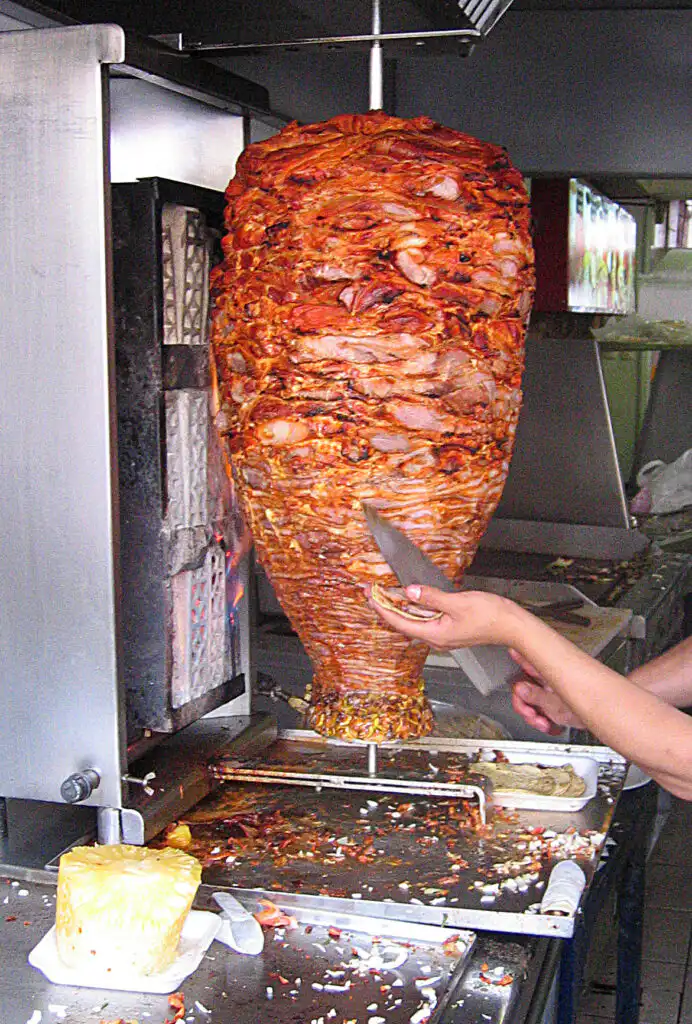
The Trompo (Vertical Spit): Thinly sliced, stacked pork shoulder is built into a massive, spinning top-like cone, typically crowned with a peeled onion and a whole pineapple. As it rotates against a vertical flame, the outer layers caramelize and crisp up while the interior stays juicy.
The Adobo Marinade: The deep red color and complex flavor profile come from an adobo paste made of rehydrated guajillo chiles (for color and mild, smoky depth), achiote paste (earthy annatto), garlic, vinegar, and citrus or pineapple juice.
The Essential Toppings:
Piña (Pineapple): Shaved fresh from the top of the trompo, adding a sweet, acidic contrast to the savory pork.
Cilantro & Cebolla: Finely chopped white onion and fresh cilantro for crunch and herbal brightness.
Salsa: Finished with a splash of fiery salsa verde (tomatillo-based) or a smoky salsa roja, alongside a wedge of fresh lime.
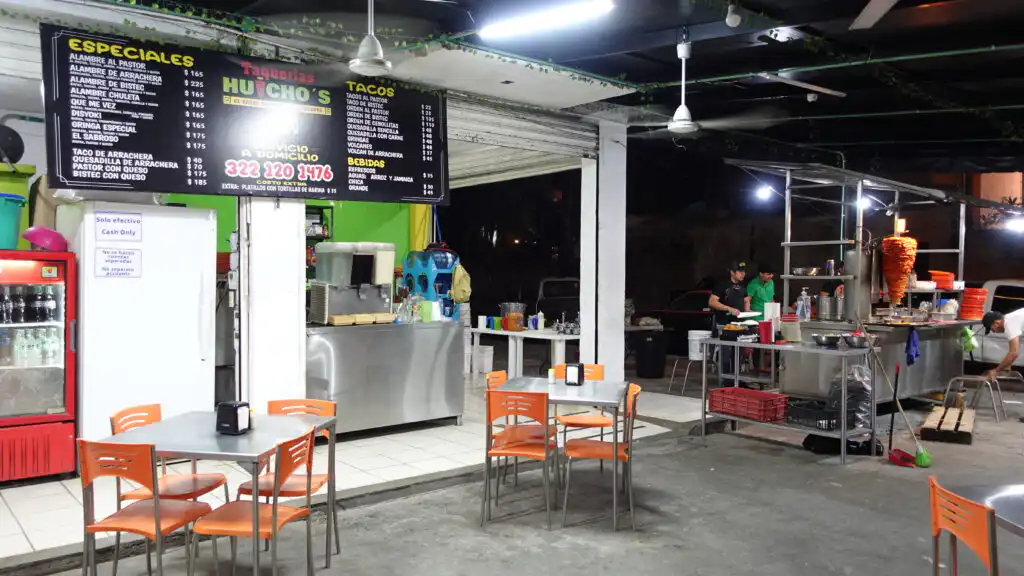
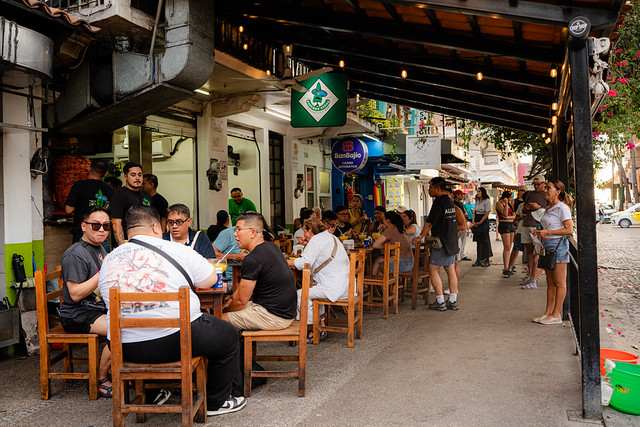
Mexican Food Tacos al Pastor Puerto Vallarta
3- Regional Variations Across Mexico
While “al pastor” is the universal name in central and southern Mexico, you will encounter distinct regional terms and twists as you travel the country:
Tacos de Trompo / Adobada: In Northern Mexico (such as Monterrey) and parts of coastal regions like Baja California, they are frequently called tacos de trompo or carne adobada.
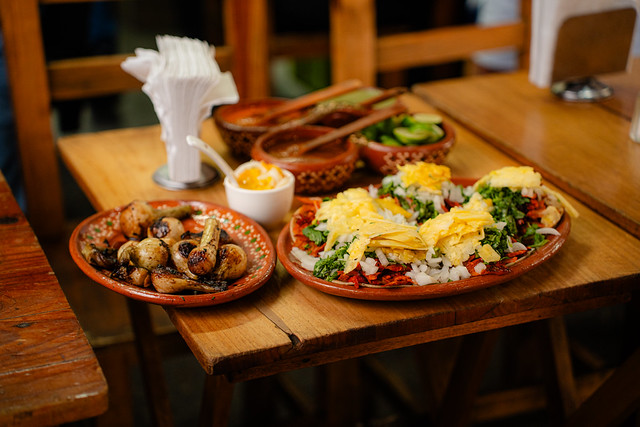
Gringas: When al pastor meat is paired with melted cheese inside a flour tortilla (essentially a pastor quesadilla), it takes on the name gringa.
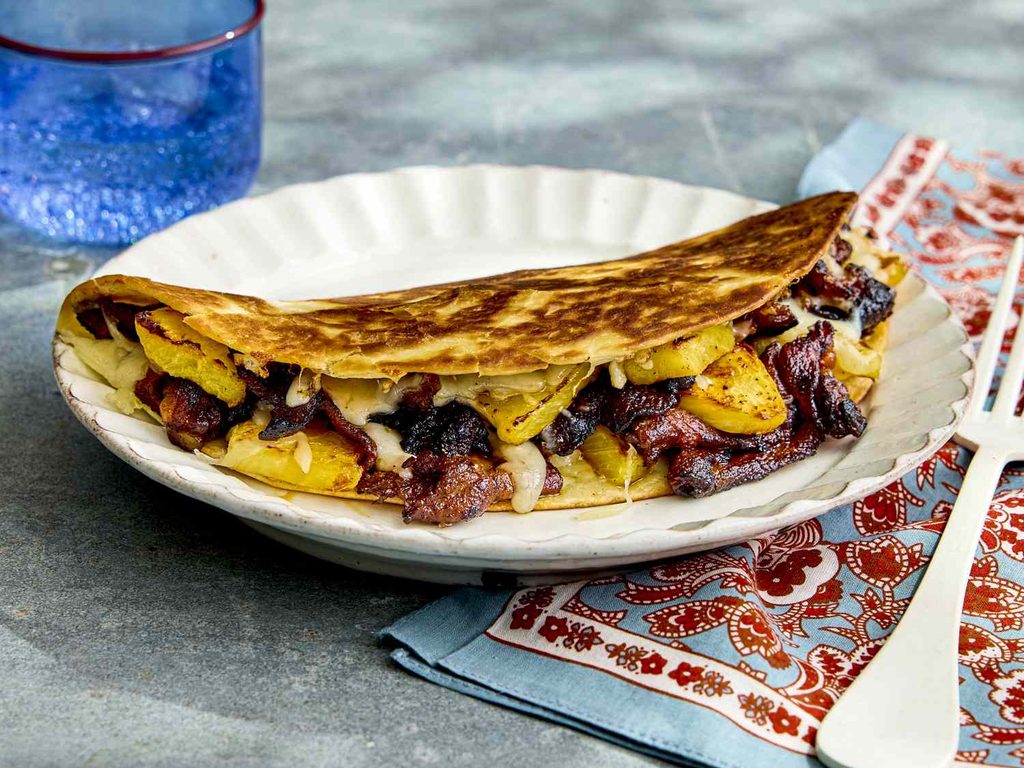
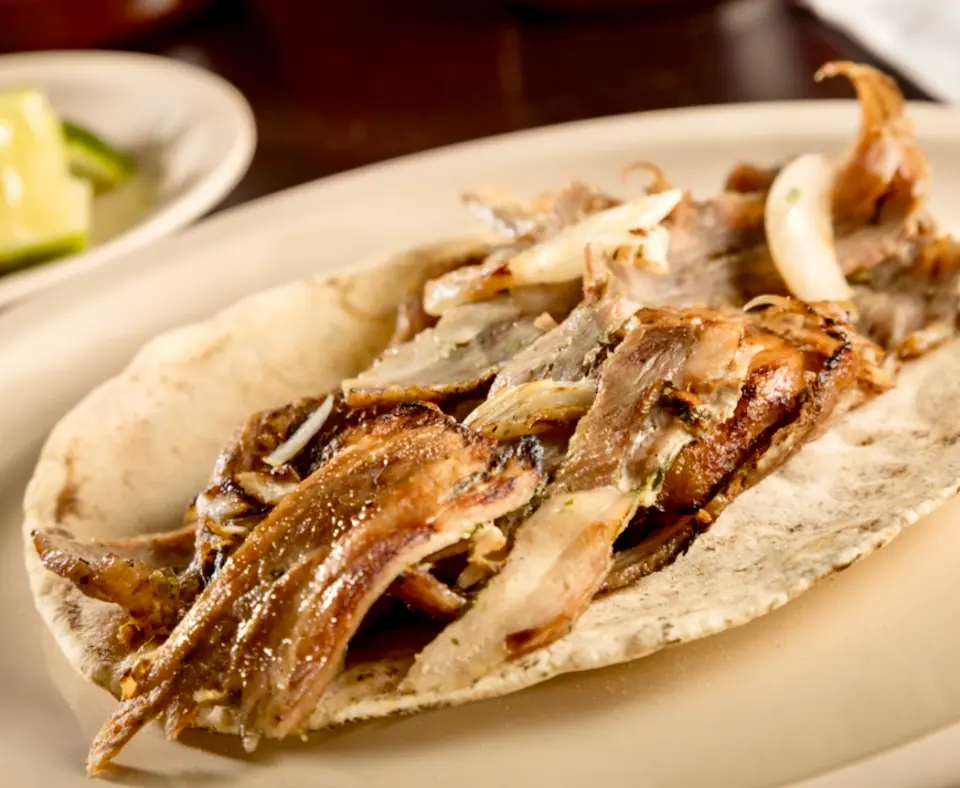
Tacos Árabes: The closest living relative to the original Puebla creation, featuring similar spiced pork or meat served inside thick pita-style bread (pan árabe) rather than a corn tortilla.
We provide information and resources for visitors to Puerto Vallarta, areas of The Riviera Nayarit and other destinations in both states of Jalisco and Nayarit. You will find variety of content, including articles, blog posts, videos, photos, descriptions and interviews, all of which are designed to help visitors plan their trip, including attractions, restaurants, and events. Follow: https://promovisionpv.com

Visit and Subscribe to our YouTube Channel for more Puerto Vallarta – Riviera Nayarit 420+ videos: Subscribe: https://www.youtube.com/@promovision/videos

Follow: Web site: https://promovisionpv.com
Subscribe: YouTube: https://youtube.com/promovision/videos
Subscribe: Instagram: https://instagram.com/promovisionpv/
Follow: LinkedIn: https://www.linkedin.com/in/ray-dion-48861926/
Follow: Facebook Group: https://facebook.com/groups/794486120348295
Follow: Facebook: https://www.facebook.com/profile.php?id=61576061534287