
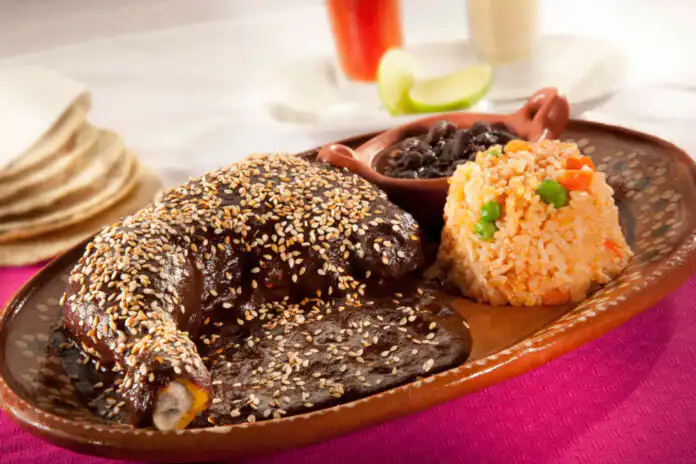

Mexican cuisine’s iconic dish: What is Mole. When you see the word Mole on the menu, what is it made of. The soul of Mexico in every bite of its cuisine.
The soul of Mexico in every bite of its cuisine. Many people think of Mexican food and the first thing that comes to mind is tacos, but there’s a world of flavors and traditions waiting to be discovered. From mole poblano, which tells stories of love and sacrifice, to the delicious tlayudas (small sweet corn tortillas). Mexican cuisine is a celebration of colors, aromas, and textures that goes beyond what we usually see on menus. Talking about Mexican cuisine truly means immersing yourself in the soul of peoples, history, and traditions.
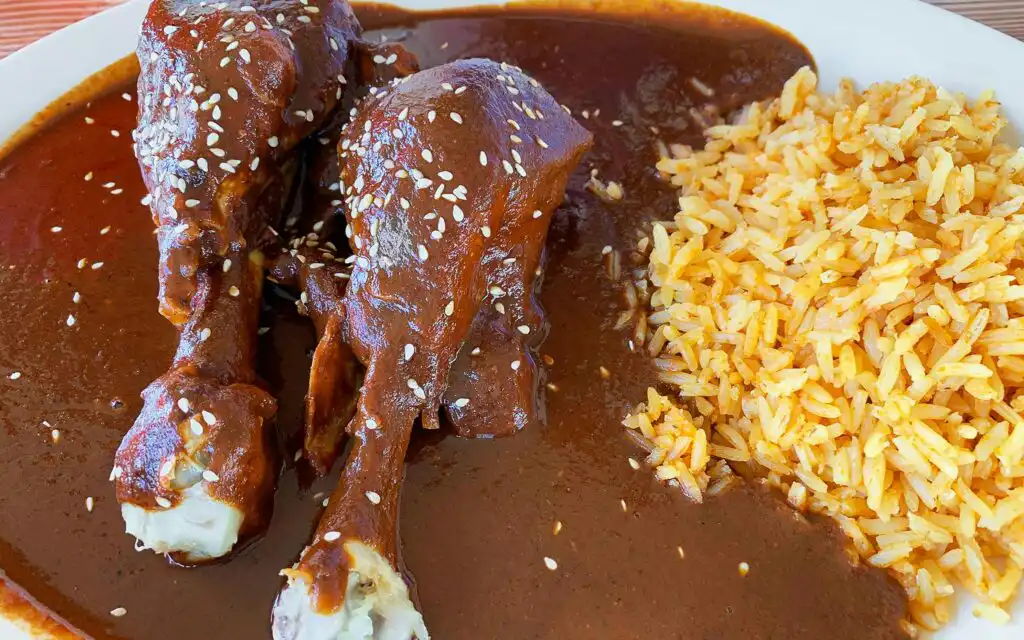
The ingredients and techniques used connect generations and highlight Mexico’s enormous cultural richness. Recognized as an Intangible Cultural Heritage of Humanity by UNESCO, Mexican cuisine is a true national pride, a true treasure that not only captivates the palate but also touches the heart. Today I want to share with you some of the most emblematic dishes of our cuisine and, of course, some places where you can enjoy them: Mole Poblano. When I think of Mexico, the first thing that comes to mind is this dish.
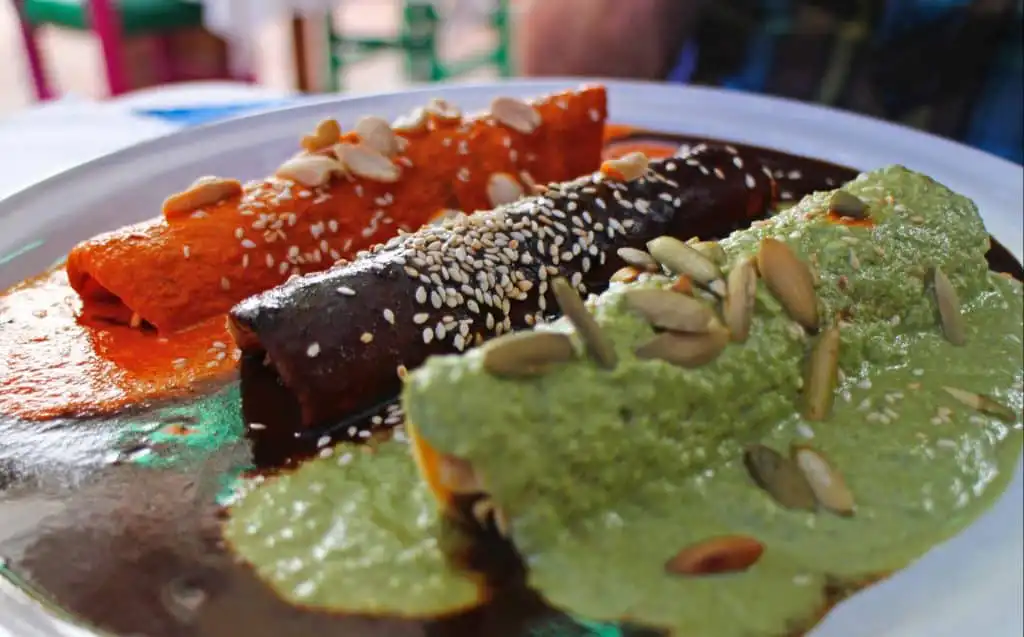
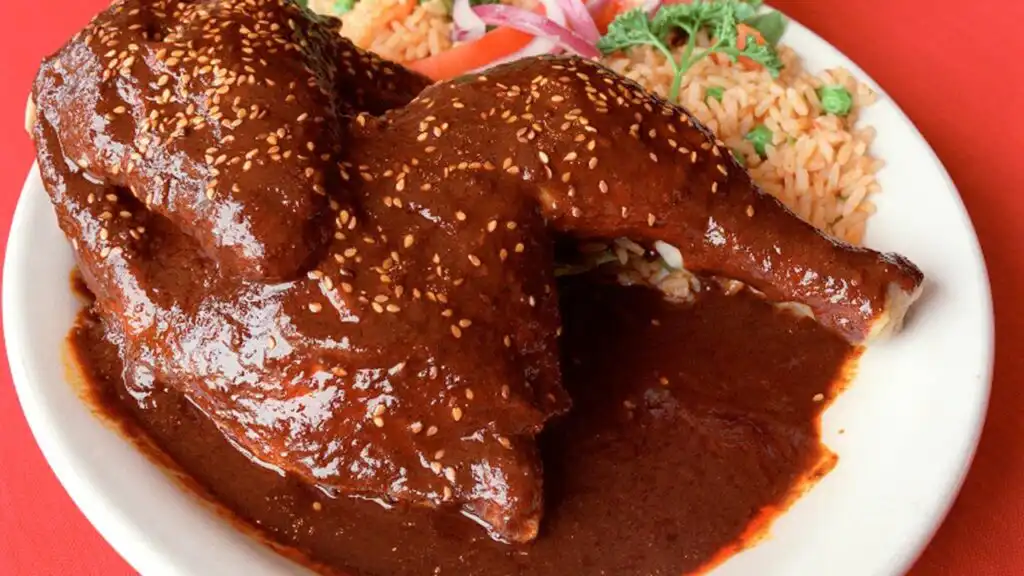
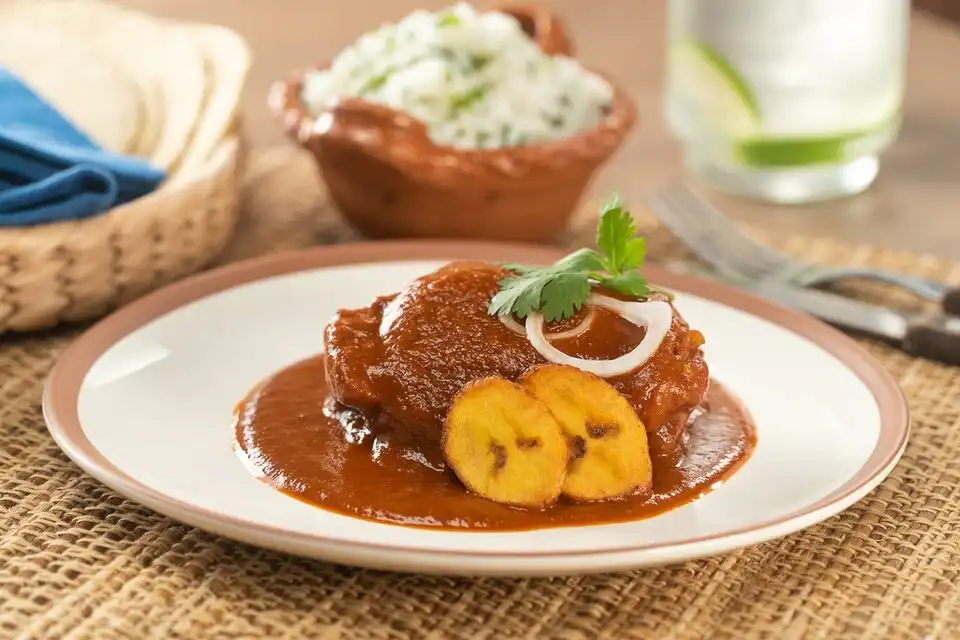
Mole is a true reflection of our history and how each ingredient has a purpose. The number of ingredients in this recipe is impressive, but more than a recipe, mole poblano is a showcase of Mexico’s cultural richness. The preparation varies slightly depending on the region or the chef, but its most traditional version has at least 20 ingredients: chocolate, banana, nuts, seeds, aromatic herbs, a pan, tomato, spices, and a variety of chilies. The result is a sauce that combines sweet and spicy, enveloping chicken or turkey in an explosion of flavors.
One of my favorite places to enjoy this exquisite dish is INTRO, chef Ángel Vázquez’s restaurant, where mole poblano is presented with a modern and flavorful interpretation. Pozole Another traditional Mexican dish that can’t be missing from the list is pozole. Depending on the region and the ingredients, we have green, red, and white pozole, but its base is always nixtamalized corn, that popped kernel of corn that, through the nixtamalization process (cooking the corn in an alkaline solution), becomes a delicious soup.
The texture is soft, the flavor is deep, and when accompanied with radishes, oregano, chili powder, and a touch of lemon, it becomes a true feast for the palate. The best thing about pozole is that, although you can find it in any diner, every place has its own version, and everyone has their favorite. It is one of those delicacies that transports you to special moments with the family! Cochinita Pibil Originally from Yucatán, cochinita pibil is a dish that combines pre-Hispanic history and Spanish influence.
Originally, pheasant, wild boar, or venison were cooked in the traditional “pib,” an earth oven. With the arrival of the Spanish, pork replaced local meats. Cochinita is pork marinated in achiote, orange juice, garlic, salt, and pepper, and slowly cooked in banana leaves until tender and juicy. You can enjoy it in tortas, tacos, quesadillas… and with a touch of habanero sauce, it’s simply irresistible! Tlayuda From Oaxaca, tlayudas are one of those gems that you fall in love with from the first bite. These enormous corn tortillas, about 30 centimeters in diameter, are cooked until they reach a brittle yet flexible consistency. Originally topped with black beans, enchilada meat, chorizo, and cheese, tlayudas are the perfect street food to enjoy anywhere in the Oaxacan region. The name comes from the Nahuatl “tlao-li,” meaning “shelled corn,” and the suffix “-uda,” indicating “abundance,” reflecting the generosity of this dish.
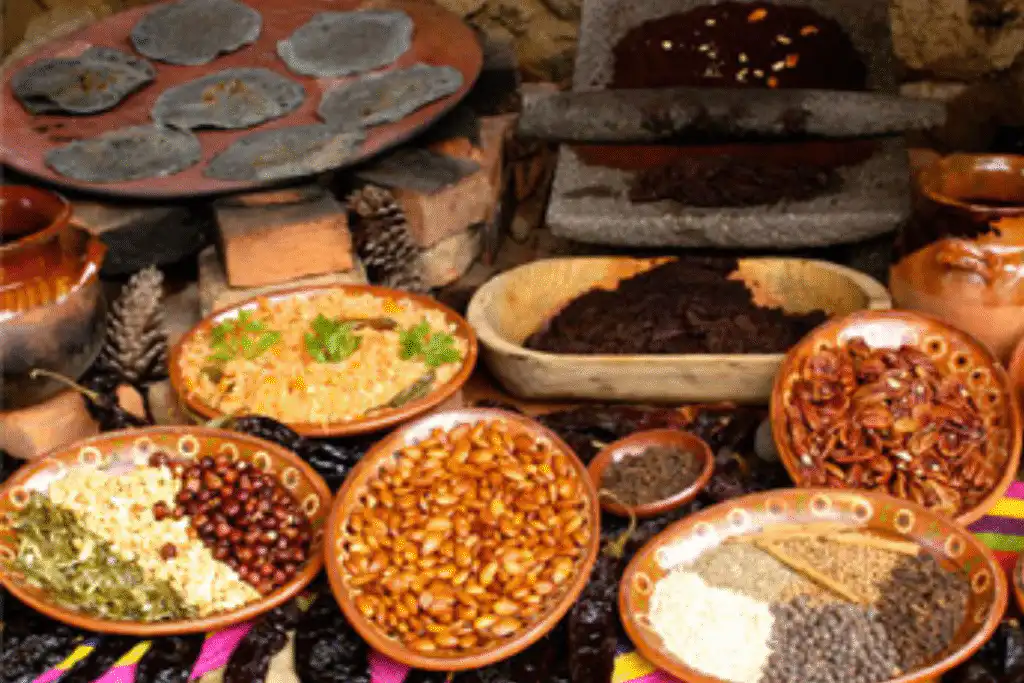
Beyond the Well-Known In this brief overview, I’ll mention just four of the most traditional and widely consumed dishes in our cuisine, but Mexico’s culinary richness goes far beyond that. From tamales, empanadas, and tacos to regional moles, soups, and desserts, the variety and nuances of flavors are endless. A common denominator among many of these dishes is corn, that ancient grain that has been fundamental not only to our diet but also to the culture, economy, and religion of Mexico.
Corn has been our sustenance since pre-Hispanic times and remains the basis of many of our most beloved recipes. If you haven’t tried any of these dishes yet, you’re missing out on a little piece of Mexico!
The story of Topo, the undeniable favorite for Mexico’s national dish, goes deeper. Ask any Mexican, and mole is our culinary treasure, a pure manifestation of our cuisine in its most authentic and fundamental form. The stew is rich in ingredients—most include dozens of chilies, seeds, nuts, and spices and a pillar of our national identity. Whether homemade or store-bought, each bite of mole invites us to experience pre-Hispanic culture and food while also acknowledging the centuries of hardship, ambition, tradition, and innovation that make it possible for us to order mole virtually any day we want it in the U.S. and Mexico today.
Let’s take a trip back in time. The First Mole in History Books
The first known reference to mole in historical records dates back to the 16th-century review of Mesoamerican ethnography: Historia General de las Cosas de Nueva España (General History of the Things of New Spain) written by Friar Bernardino de Sahagún. In his account, we learn about the elaborate preparation rituals of the Aztecs to honor Xiuhtecuhtli, the Aztec god of fire.
We draw your attention to the last third of this word: mulli—or as it is also spelled: molli. In Classical Nahuatl, a Uto-Aztecan language, molli means “sauce” or “mixture,” giving us our modern-day mole. Aztec salteadores cooked and mashed pre-Hispanic ingredients such as pepitas (pumpkin seeds), xocolate (Nahuatl for “chocolate”), tomatoes, and chiles (from the Nahuatl chile, for “hot pepper”).
They blended them in stone molcajetes to achieve a creamy delicacy. Guacamole, or as the Aztecs called guac in Nahuatl: ahuacamolli, shares the same purpose (mashing) and etymological root (molli), although they were only blending one ingredient: ahuacatl (yes, avocado), rather than chiles and spices.
An overview of the ingredients and origin of the most famous moles
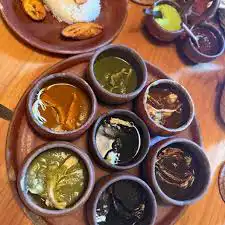
What What differentiates moles from each other is their unique combination of chilies, nuts, spices, vegetables, fruits, and meats. As we break down the ingredients of your favorite moles, it begins to become clear how each one gets its name, color, and recommended food combinations.
Here’s a quick primer on the most familiar moles from Mexico:
Yellow Mole

Chiles:
Yellow chilcostles or chilhuacles, guajillos, anchos, and yellow costeño
Also contains:
Chayote, zucchini, green beans, potatoes, and spices
Serve with: Chicken or turkey, accompanied by white or Mexican rice
From: Oaxaca Mole Chichilo
Chiles:
Chilhuacle, ancho
Also contains:
Chayote, green beans, green tomato, avocado leaves, onion, garlic, tomato, and spices
Serve with: Chicken or turkey, accompanied by white or Mexican rice, garnished with sesame seeds and sliced Onion
From: Oaxaca Mole Coloradito

Chiles:
Ancho, chile costle, guajillo
Also contains:
Chocolate, plantain, cinnamon, tomato, garlic, sesame, and other spices
Served with: Chicken or pork, accompanied by white rice.
From: Oaxaca Mole Manchamantel
Chile:
Anclas
Also contains:
Apple cider vinegar, peanuts, raisins, bread, cloves, cinnamon, and other herbs and spices
Served with: White rice and vegetables
From: Oaxaca, Puebla Mole Negro
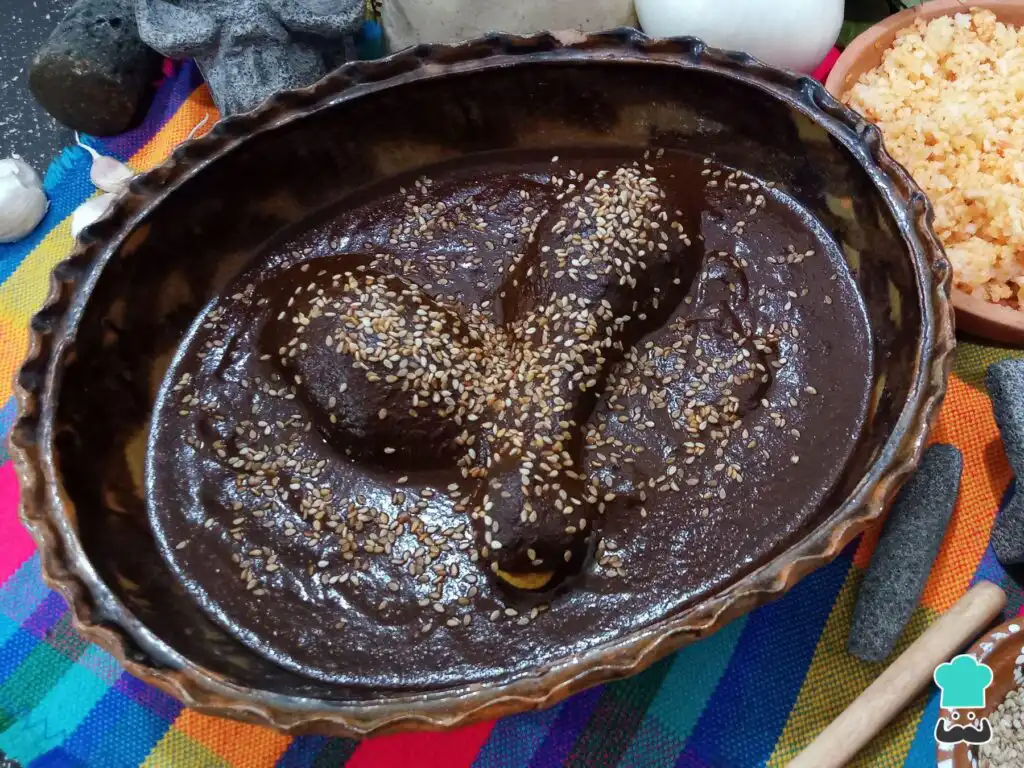
Chiles:
Chihuacle, mulato, pasilla
Also contains: Plantains, pumpkin seeds, peanuts, chocolate, almonds, raisins, sesame seeds, and various spices.
Serve with: Chicken or turkey, white or Mexican rice, garnished with sesame seeds or Onion slices
From: Oaxaca
Poblano mole
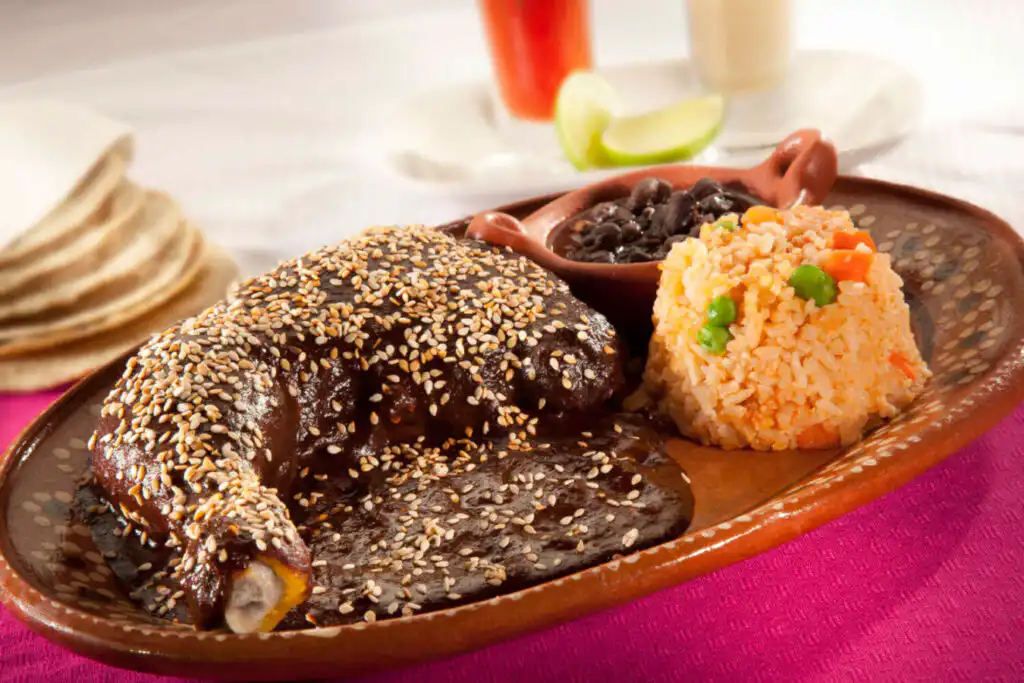
Chiles:
Ancho, guajillo, pasilla
Also contains:
Cinnamon, almonds, pumpkin seeds, peanuts, chocolate, tomato, garlic spices, and herbs
Serve with:
Turkey or chicken, with a side of Mexican rice
From: Puebla Red mole
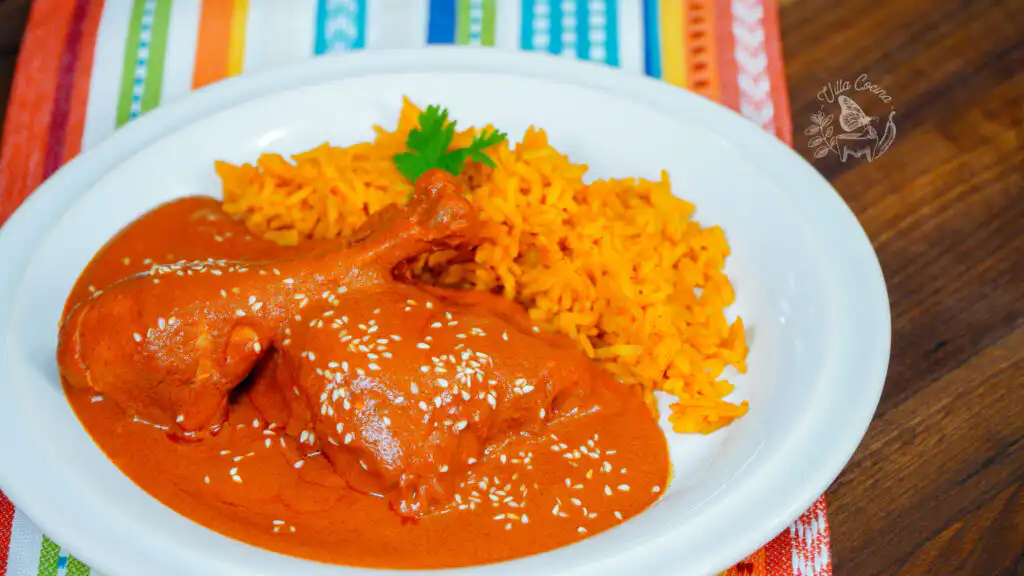
Chiles:
Ancho guajillo
Also contains:
Plantain, sesame seeds, peanuts, almonds, chocolate, raisins, herbs, and spices
Serve with: Chicken, turkey, or pork, with a side of white or Mexican rice.
From: Oaxaca, Puebla
Green mole

Chile:
Serrano
Also contains:
Green tomato, green beans, epazote, chayote, garlic, and other spices
Serve with: Chicken or turkey, with white or Mexican rice Mexican
From: Oaxaca

Did you notice that each type of mole uses pre-Hispanic ingredients? This is a testament to the central role mole has played for centuries in the culture, tradition, and history of Mexican food.
Mexican Food & Gastronomy Puerto Vallarta https://promovisionpv.com/mexican-food-gastronomy-puerto-vallarta/
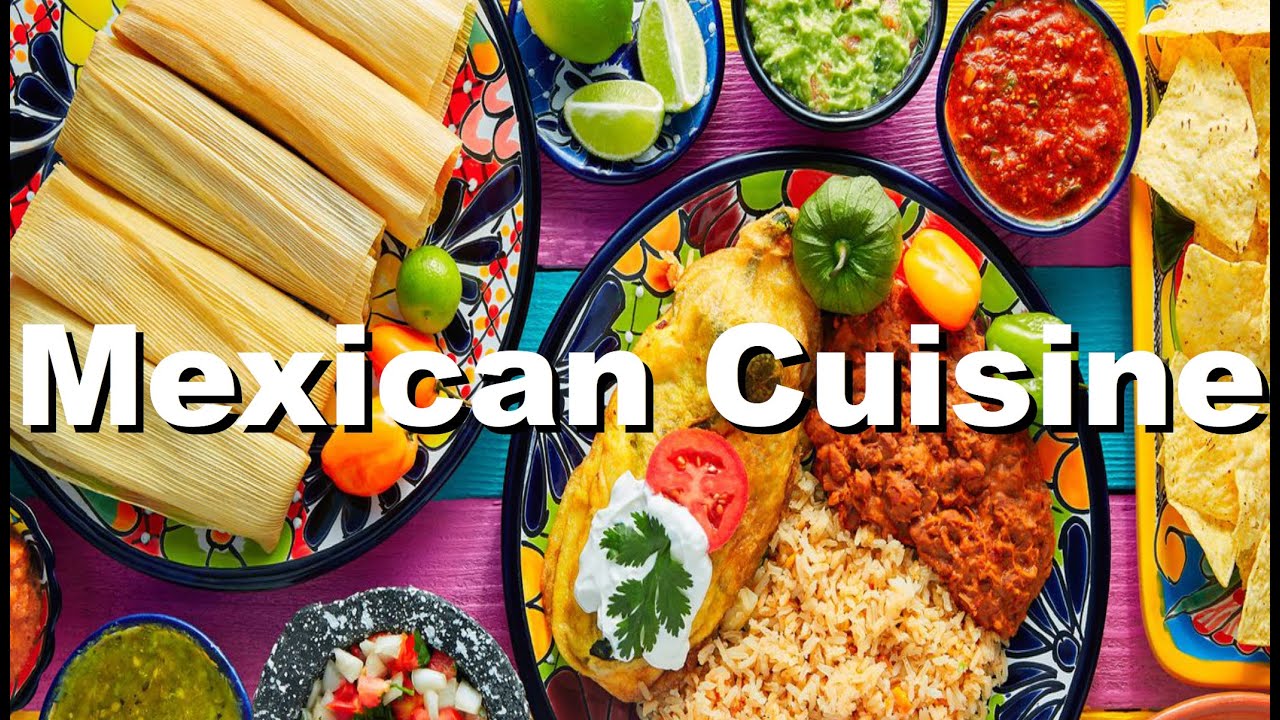
If the sheer number of ingredients to make mole overwhelms you, don’t worry! The mole pastes at your local supermarket are usually top-notch and carefully blended with authentic, quality ingredients. Plus, you can always add your own chiles and other spices and local produce to make the mole you like best, as this family does with their chicken enchiladas with mole.
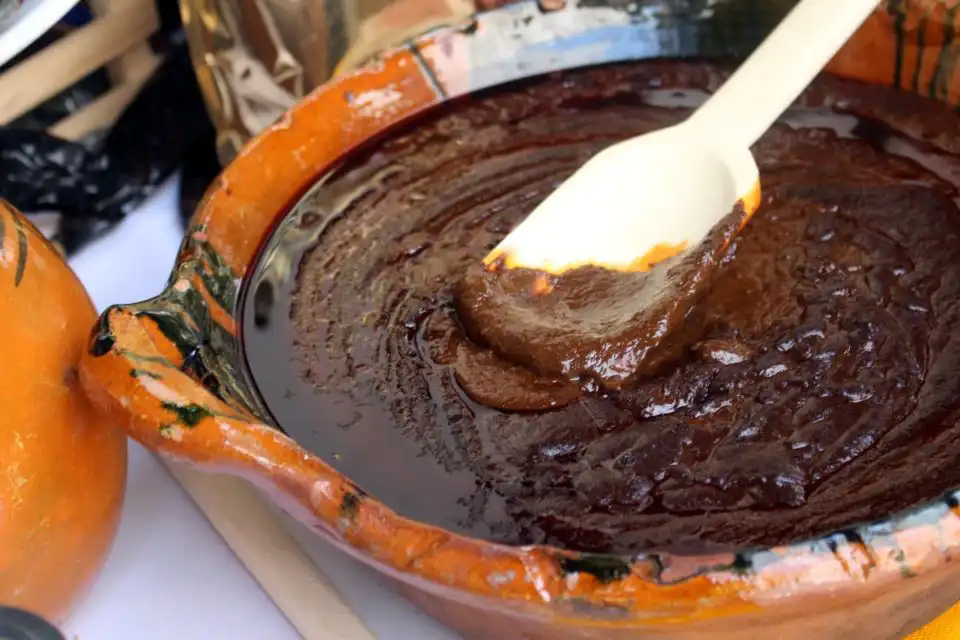
Frida Kahlo’s Black Mole from Oaxaca

Frida Black Mole Negro This is one of the mole recipes that was served in Frida Kahlo’s homes: the traditional black mole of Oaxaca.
Making mole is a powerful ritual that combines ancient and modern culinary practices. And it is still served with family and friends. It is worth the work and time we put into it: a good mole is velvety, earthy, spicy, smoky, sometimes sweet, and always delicious.
We provide information and resources for visitors to Puerto Vallarta, areas of The Riviera Nayarit and other destinations in both states of Jalisco and Nayarit . You will find variety of content, including articles, blog posts, videos, photos, descriptions and interviews, all of which are designed to help visitors plan their trip, including attractions, restaurants, and events. Follow: https://promovisionpv.com/

Visit and Subscribe to our YouTube Channel for more Puerto Vallarta – Riviera Nayarit 220+ videos: Subscribe: https://www.youtube.com/@promovision/videos

Puerto Vallarta – Riviera Nayarit Archives 2024 Follow: https://promovisionpv.com/puerto-vallarta-nayarit-archives-2024/ Over 500 pages:
Somethings you may not know about Puerto Vallarta, Riviera Nayarit and Mexico
archives puerto vallarta, arts, bucerias, cirque du soleil, costa alegre, culture, destination wedding, events, events schedule, gastronomy, gay pv, gay vallarta, informations, insurance, Jalisco, lgbtq, medical care, mexican food, Nayarit, news, Nuevo Nayarit, Punta Mita, Rincon de Guayabitos, safety, San Blas, San Pancho, Sayulita, tourism, tours, travel, travel blog, travel guide, travel tips, wedding, YouTube videos, attractions, beaches, blog,
Follow: Web site: https://promovisionpv.com
Subscribe: YouTube: https://youtube.com/promovision/videos
Subscribe: Instagram: https://instagram.com/promovisionpv/
Follow: LinkedIn: https://www.linkedin.com/in/ray-dion-48861926/
Follow: Threads: https://www.threads.net/@promovisionpv
Follow: Facebook: https://www.facebook.com/groups/794486120348295
Follow: Blue Sky Social: https://bsky.app/profile/promovision.bsky.social
Marketing, Advertising Tourism, Restaurants, Real Estate, Events, Tours, Puerto Vallarta – Riviera Nayarit https://promovisionpv.com/marketing-advertising-tourism-restaurants-real-estate-events-tours-puerto-vallarta-riviera-nayarit-2/
The “7 Ps of Marketing” are: Product, Price, Promotion, Place, People, Packaging, and Process. This marketing mix is an expansion of the classic “4 P Marketing Mix” (Product, Price, Placement, and Promotion) that was established by Professor of Marketing at Harvard University, Prof.
Promote Your Tourism Business, Restaurant, or Tour Puerto Vallarta on PromovisionPV.com https://promovisionpv.com/promote-your-tourism-business-restaurant-or-tour-puerto-vallarta-on-promovisionpv-com/