
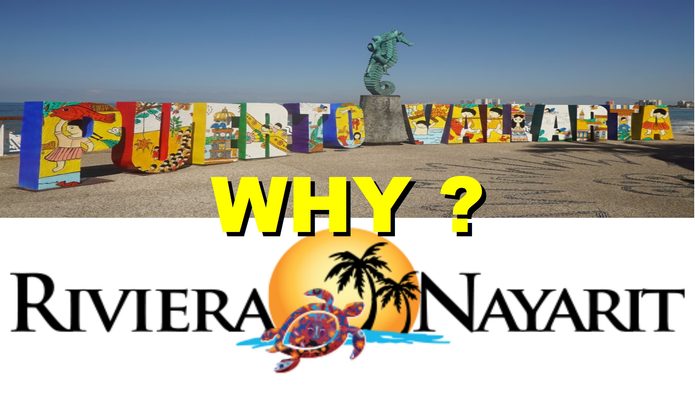

What is Puerto Vallarta, Mexico ? Pros and Cons. Did you know that Puerto Vallarta is one of Mexico’s most famous tourist destinations, renowned for its tropical beaches, breathtaking sunsets, and lush mountains? Located on the Pacific coast in the state of Jalisco, this city combines the charm of its traditional streets with modern hotels and the natural beauty of Banderas Bay.
General Information
Country: Mexico
City: Puerto Vallarta
State: Jalisco
Municipality: Puerto Vallarta
Population: Approximately 224,000 inhabitants in the city and 291,839 in the municipality, according to the 2020 census
Municipal Area: Approximately 680 km²
Altitude: Around 10 meters above sea level
Location: West coast of Mexico
Ocean: Pacific
Bay: Banderas
Topography: Beaches, valleys, and mountains of the Sierra Madre del Sur
Vegetation: Tropical rainforests and mangroves
Climate: Warm tropical
Average annual temperature: Approximately 26 °C
Rainy season: Primarily from June to October
Language: Spanish
Currency: Mexican peso (MXN)
Foundation: December 12, 1851
Demonym: Puerto Vallarta
Airport: Licenciado Gustavo Díaz Ordaz International Airport
Economy: Tourism, hotels, commerce, gastronomy, and services
What is Puerto Vallarta, Mexico ? Pros and Cons
Main attractions in Puerto Vallarta and its surroundings
- Puerto Vallarta Boardwalk
- Los Muertos Beach
- Romantic Zone
- Our Lady of Guadalupe Parish
- Marina Vallarta
- Cerro de la Cruz Lookout
- Conchas Chinas Beach
- Vallarta Botanical Garden
- Mismaloya Beach
- Marietas Islands National Park, off the coast of Nayarit
All About Puerto Vallarta EXTENDED https://promovisionpv.com/all-about-puerto-vallarta-extended/
10 interesting facts
1- It is located next to one of the most famous bays on the Mexican Pacific coast: Banderas Bay, which stretches between the states of Jalisco and Nayarit.
2- It receives humpback whales during the winter: These enormous marine mammals arrive in the region to reproduce and raise their calves.
3- It achieved international fame thanks to film: The movie The Night of the Iguana, released in 1964, helped boost the region’s tourism recognition.
4- It combines tropical beaches with verdant mountains: The nearby hills create landscapes where vegetation slopes down to the Pacific Ocean.
5- It is relatively close to the famous Marietas Islands: This protected archipelago is known for its rock formations, seabirds, and beaches.
6- Its boardwalk is one of Mexico’s most iconic tourist promenades: It features sculptures, restaurants, cultural spaces, and views of the Pacific Ocean.
7- It has a church with a distinctive crown: The Parish of Our Lady of Guadalupe is one of Puerto Vallarta’s most recognizable architectural symbols.
8- Its beaches are part of sea turtle nesting areas: Conservation and nest protection programs are implemented during certain seasons. 9- It boasts a diverse coastal cuisine: Highlights include grilled fish, ceviche, seafood, and various specialties from Jalisco.
10- It is part of a major interstate tourist region: Puerto Vallarta and Banderas Bay, in Nayarit, form a tourist corridor with hotels, beaches, and international services.
Key fact: Puerto Vallarta stands out for its location on the Mexican Pacific coast, facing Banderas Bay and nestled among tropical mountains. Its beaches, marine biodiversity, and importance as a tourist destination make it one of Mexico’s most iconic coastal cities.
Puerto Vallarta (Jalisco) and the adjacent Riviera Nayarit (Nayarit) form a popular Pacific coast destination centered on Banderas Bay. PromovisionPV.com represents a local travel guide and video production resource covering attractions, restaurants, events, food, neighborhoods, safety, and practical planning for both areas. It emphasizes variety (city + beach towns + nature), local storytelling, and helping visitors go beyond generic tourist experiences.
The site highlights Puerto Vallarta’s walkable downtown/Malecón, cultural scenes, LGBTQ+ friendliness, and access to jungle, whales, and boat-only beaches, alongside Riviera Nayarit’s more relaxed beach towns (e.g., Bucerías, Sayulita, Punta Mita, San Pancho, Nuevo Nayarit). Many visitors split time between the livelier city and quieter northern beaches.
All About Puerto Vallarta, Mexico, 2026 https://promovisionpv.com/all-about-puerto-vallarta-mexico-2026/
Pros for Travelers
- Scenic beauty and outdoor activities: Dramatic Sierra Madre backdrop, beaches along a large bay, jungle, waterfalls, and boat access to secluded spots (e.g., Yelapa, Las Ánimas). Strong options for whale watching (typically Dec–Mar), surfing, snorkeling, hiking, canopy tours, and sunsets on the Malecón.
- Food and culture: Excellent range from street tacos/seafood (ceviche, zarandeado) to fine dining and international options. Vibrant markets, festivals (Day of the Dead, gourmet events), art walks, and a mix of traditional Mexican and cosmopolitan vibes. Puerto Vallarta retains more “real town” character than pure resort strips.
- Convenience and accessibility: International airport (PVR) close to town and resorts. English widely spoken in tourist areas. Walkable core (especially Zona Romántica/Old Town and Centro). Good mix of hotels, resorts, boutique stays, and rentals. Relatively easy for first-time Mexico visitors.
- Atmosphere and inclusivity: Welcoming locals and strong expat/digital nomad/retiree communities. LGBTQ+-friendly (notably Zona Romántica). Nightlife, beach clubs, and family-friendly options. Generally viewed as one of the safer major tourist destinations in Mexico when normal precautions are taken.
- Value relative to peers: Often more affordable than Cancún or Los Cabos for comparable experiences, with strong private healthcare access. Shoulder seasons (e.g., April–June, parts of fall) offer better deals and fewer crowds.
- Variety across the region: Puerto Vallarta for energy, dining, and culture; Riviera Nayarit for calmer beach-town or resort stays, surf, and nature. Easy day trips or multi-base trips.

Cons for Travelers
- Crowds and commercialization: Peak season (roughly Nov–April) brings heavy tourism, busy beaches/restaurants/streets, and a more commercial feel in core tourist zones. Aggressive timeshare sales pitches are a frequent complaint (airport, beaches, restaurants).
- Weather seasonality: Dry, pleasant winters are ideal but busy/expensive. Summers (especially June–Oct) bring heat, high humidity, afternoon rains, and hurricane season risks that can disrupt outdoor plans or cause occasional outages. Some beaches can see seaweed or water clarity issues at times.
- Rising costs and tourist pricing: Still generally cheaper than U.S./Canadian equivalents, but prices (especially lodging, dining in tourist zones, and rentals) have increased. Higher than many inland Mexican destinations. Traffic and parking challenges in popular areas.
- Touristy vs. authentic balance: Core areas can feel commercialized or “cheesy” to some (souvenir shops, party scenes). Infrastructure strains under growth. Quieter or more local experiences require intentional choices (neighborhoods outside the main strips, boat trips, or northern Riviera towns).
- Practical hassles: Taxi/bus navigation can require local knowledge or negotiation. Language barriers increase outside tourist bubbles. Occasional noise (nightlife, events, construction). Standard travel precautions still apply for petty crime.
Overall Perspective
Short-term visitors often find Puerto Vallarta + Riviera Nayarit fun, convenient, beautiful, and rewarding—especially for beach time combined with food, culture, and nature access—provided expectations match the season and neighborhood chosen. It works well for first-timers, couples, families, LGBTQ+ travelers, and those wanting a mix of city energy and relaxation.
It is less ideal if you seek empty/pristine powder beaches, complete isolation from tourism, rock-bottom prices, or consistently cool/dry weather year-round. Shoulder seasons and splitting time between Puerto Vallarta and Riviera Nayarit towns help balance the trade-offs. The PromovisionPV site itself stresses realistic local insight, neighborhood differences, and avoiding purely generic experiences.
Practical tips drawn from the guide and broader sources: Visit Nov–April for ideal weather (book ahead); consider May–June or October for value; prioritize walkable zones or specific Riviera towns based on vibe; be firm with timeshare approaches; use boats for quieter beaches; and check current events/weather. Always verify latest safety and entry details from official sources before travel.
We provide information and resources for visitors to Puerto Vallarta, areas of The Riviera Nayarit and other destinations in both states of Jalisco and Nayarit. You will find variety of content, including articles, blog posts, videos, photos, descriptions and interviews, all of which are designed to help visitors plan their trip, including attractions, restaurants, and events. Follow: https://promovisionpv.com

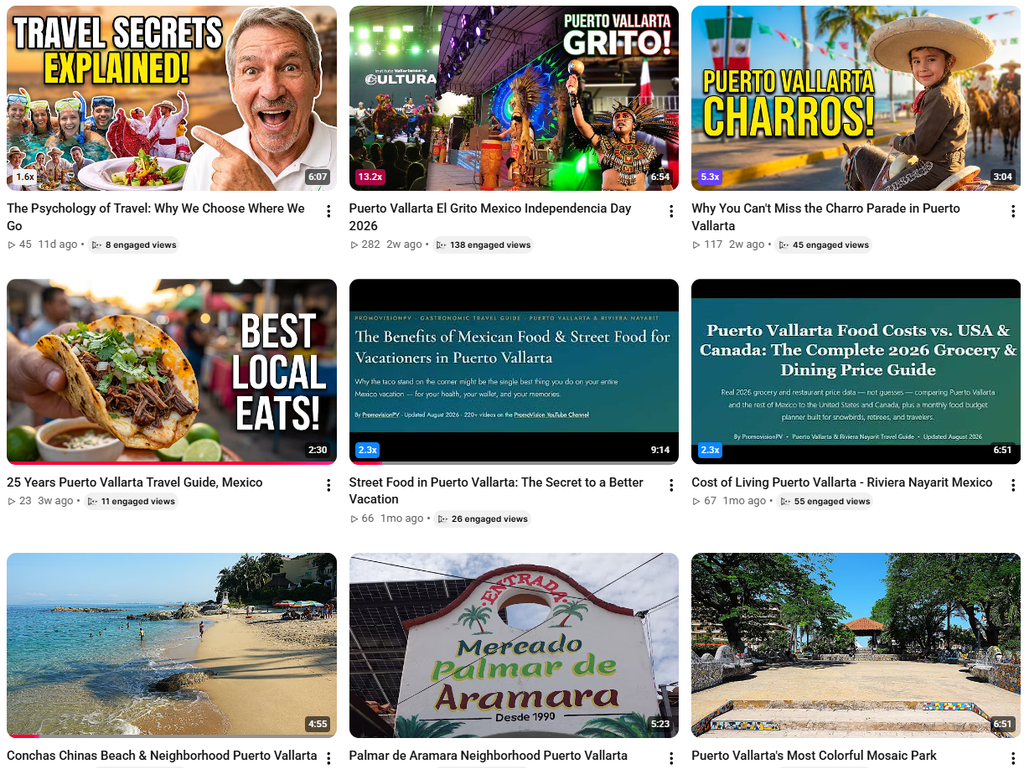
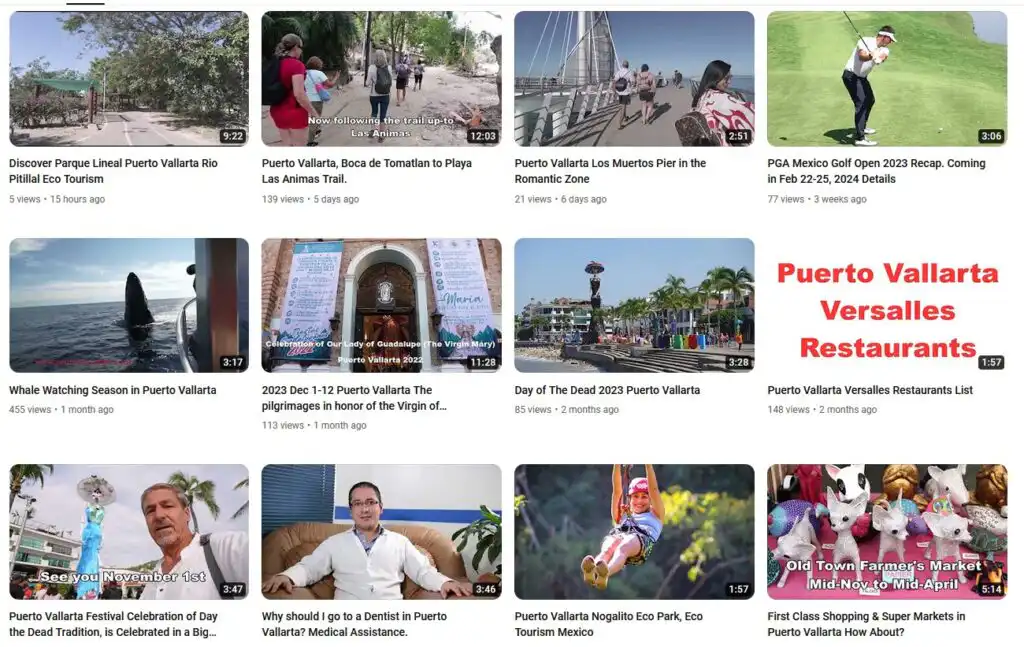
Visit and Subscribe to our YouTube Channel for more Puerto Vallarta – Riviera Nayarit 420+ videos: Subscribe: https://www.youtube.com/@promovision/videos
Follow: Web site: https://promovisionpv.com
Subscribe: YouTube: https://youtube.com/promovision/videos
Subscribe: Instagram: https://instagram.com/promovisionpv/
Follow: LinkedIn: https://www.linkedin.com/in/ray-dion-48861926/
Follow: Facebook Group: https://facebook.com/groups/794486120348295
Follow: Facebook: https://www.facebook.com/profile.php?id=61576061534287