
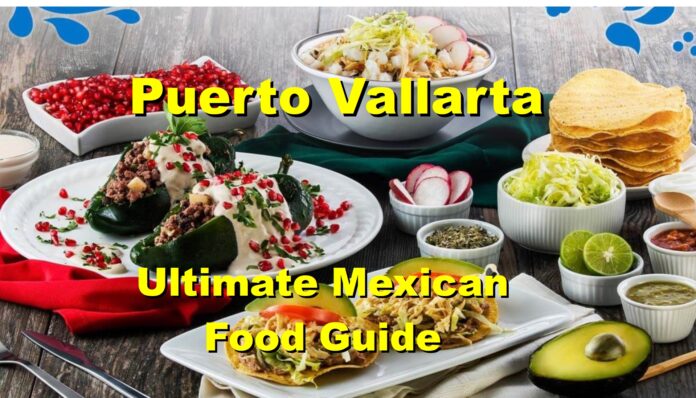

Ultimate Mexican Food Guide Puerto Vallarta. Mexican cuisine is not just food, it is a living, breathing expression of thousands of years of history, culture, and human connection. Recognized by UNESCO as an Intangible Cultural Heritage of Humanity in 2010, Mexican gastronomy stands as one of the world’s most beloved, complex, and diverse culinary traditions. Whether you are wandering the sun-soaked cobblestone streets of Puerto Vallarta, exploring the vibrant local markets of Jalisco, or sitting beachside on the shores of Banderas Bay, every bite you take tells a story of ancient civilizations, colonial fusion, and coastal creativity. This guide is your passport to understanding, tasting, and falling deeply in love with authentic Mexican food.
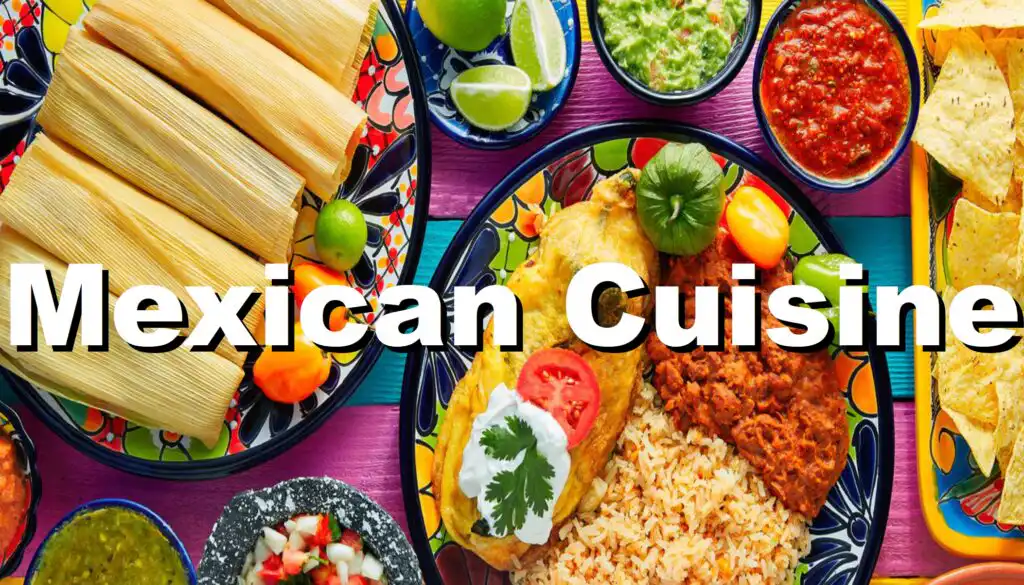
What is Inside This Guide
The Heritage of Mexican Cuisine
Base Ingredients of Mexican Cooking
Know Your Tacos: The Complete Guide
Every Type of Taco You Must Try
Best Seafood Dishes in Mexico
Coastal Favorites in Puerto Vallarta
Classic Mexican Dishes to Try
Street Food & Regional Specialties
Jalisco’s Signature Dishes
Mexico’s Gifts to World Cuisine
Where to Eat in Puerto Vallarta
Plan Your Puerto Vallarta Food Trip
Section 01 · UNESCO Heritage
The Heritage of Mexican Cuisine: More Than Just Food
UNESCO Intangible Cultural Heritage — 2010
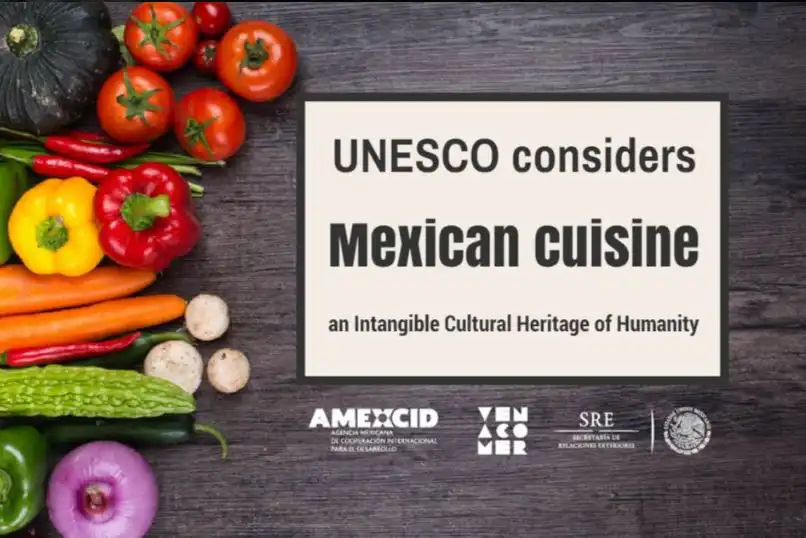
Mexican gastronomy recognized for its ritual practices, ancient knowledge, culinary techniques, customs and ancestral community cultures.
When travelers ask what makes Mexican food culture so extraordinary, the answer lies not just in the flavors on the plate, but in the millennia of human ingenuity behind every tortilla, mole, and taco. Mexican gastronomy is the product of a unique fusion between ancient pre-Hispanic techniques and European ingredients introduced centuries ago during the colonial era. This blending of civilizations — Aztec, Mayan, Zapotec, and Spanish created one of the richest, most nuanced culinary traditions on Earth.
Corn, chili, beans, and squash, the milpa, or traditional Mexican agricultural system, form the sacred trio at the heart of every meal. Long before the Spanish arrived, indigenous cooks were grinding corn on volcanic stone metates, fermenting cacao for ritual drinks, and slow-cooking meats wrapped in maguey leaves underground. These ancient techniques did not disappear with the Conquest; they evolved, absorbed, and persisted and today you can taste them in every street taco, every bowl of mole, and every fresh ceviche served along the Pacific Coast of Jalisco. Base Ingredients of The Mexican Cuisine https://promovisionpv.com/base-ingredients-of-the-mexican-cuisine/
In Puerto Vallarta, this culinary heritage is especially alive. As one of Mexico’s most visited and beloved coastal destinations, Puerto Vallarta offers travelers a uniquely authentic window into both traditional Jalisco cooking and the vibrant Pacific seafood culture. This is not just a place to eat well, it is a place to understand Mexico through food.
“Puerto Vallarta is not about perfection — it is about connection. And nowhere is that connection deeper than at the table.”
PromovisionPV.com Travel Guide
Read More:
Mexican Cuisine is More Than Just Food Discover the Flavors of Mexico https://promovisionpv.com/mexican-cuisine-is-more-than-just-food/
Mexican Food & Gastronomy Puerto Vallarta Complete Overview https://promovisionpv.com/mexican-food-gastronomy-puerto-vallarta/
Section 02 · Building Blocks
Base Ingredients of Mexican Cuisine: The Foundation of Flavor
Understanding Mexican food culture begins with understanding its ingredients. Mexican gastronomy is a diverse and globally recognized culinary tradition known for its bold flavors, vibrant colors, and deep cultural significance and that identity is built on a core set of foundational ingredients that have been used for thousands of years.
Deep Dive: Base Ingredients of The Mexican Cuisine — Full Guide https://promovisionpv.com/base-ingredients-of-the-mexican-cuisine/
Corn (Maíz) — The Soul of Mexico
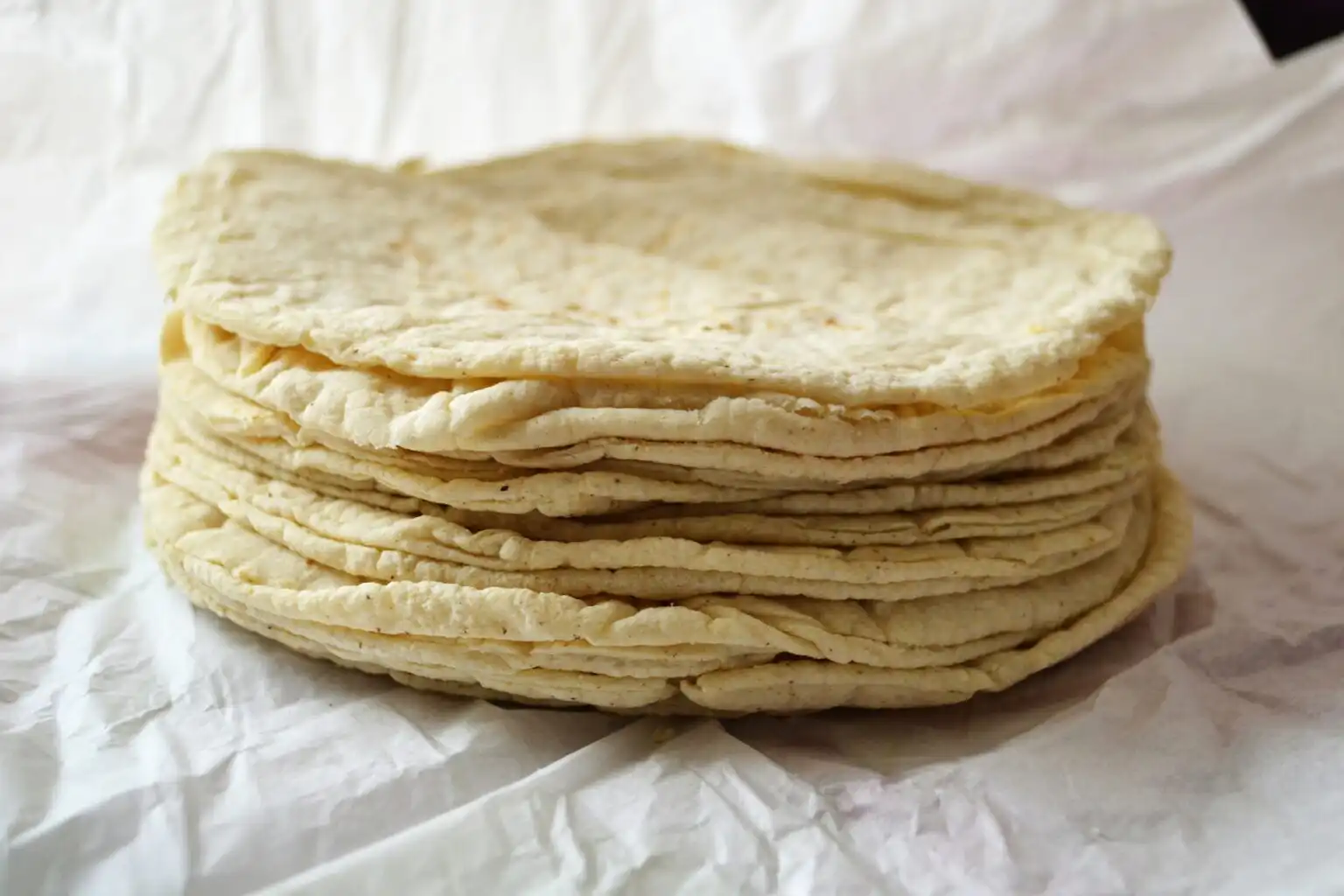
At the absolute heart of Mexican gastronomy lies corn, a staple ingredient cultivated for over 10,000 years. Whether as masa (corn dough for tortillas), hominy in pozole, or cornmeal for tamales, corn is undeniably the most essential of all Mexican cuisine ingredients and a symbol of the nation’s agricultural and spiritual heritage. Without corn, there are no tortillas. Without tortillas, there are no tacos. It is that simple, and that profound.
Chilies — Heat, Smoke, and Soul
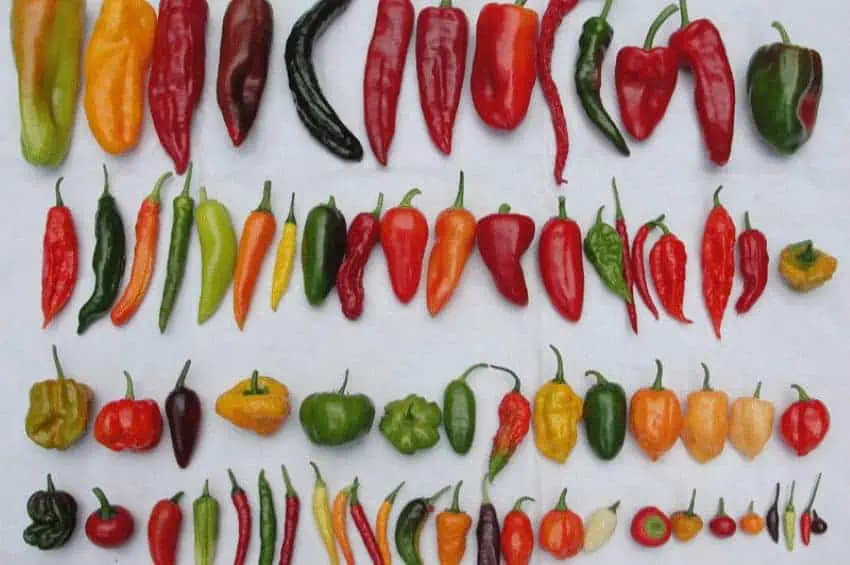
From the earthy, fruity flavor of pasilla to the volcanic heat of habanero, Mexican cuisine ingredients are incomplete without chiles. Mexico is the birthplace of over 60 varieties of chili pepper. Dried chilies like ancho, guajillo, mulato, and chipotle are used to create the rich, smoky sauces that define dishes like mole negro, adobo, and birria. Fresh chilies like jalapeño, serrano, and poblano are used in salsas, stuffed dishes, and as table condiments. Learning to read a Mexican menu means learning to understand your chilies.
Beans — The Everyday Essential
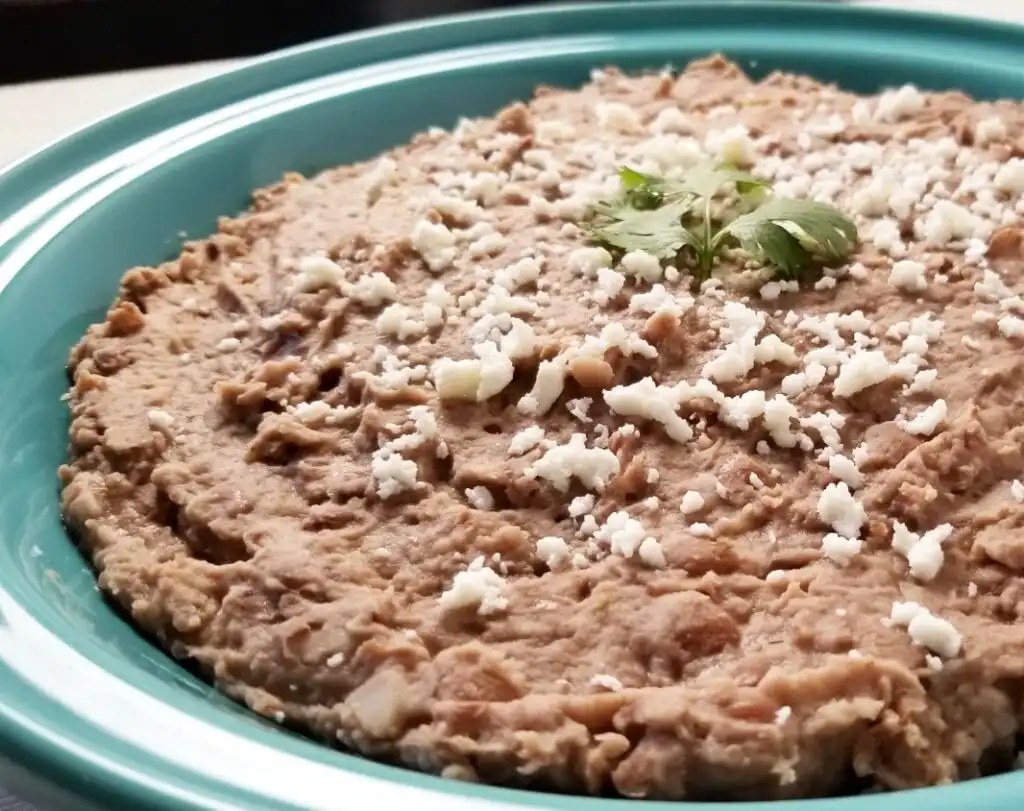
Another foundational element of authentic Mexican food, beans appear at nearly every meal as a side dish of frijoles refritos, as a filling for burritos and tacos, or in hearty soups like sopa de frijoles. Black beans, pinto beans, flor de mayo, and Peruvian beans all feature across Mexico’s diverse regional cuisines.
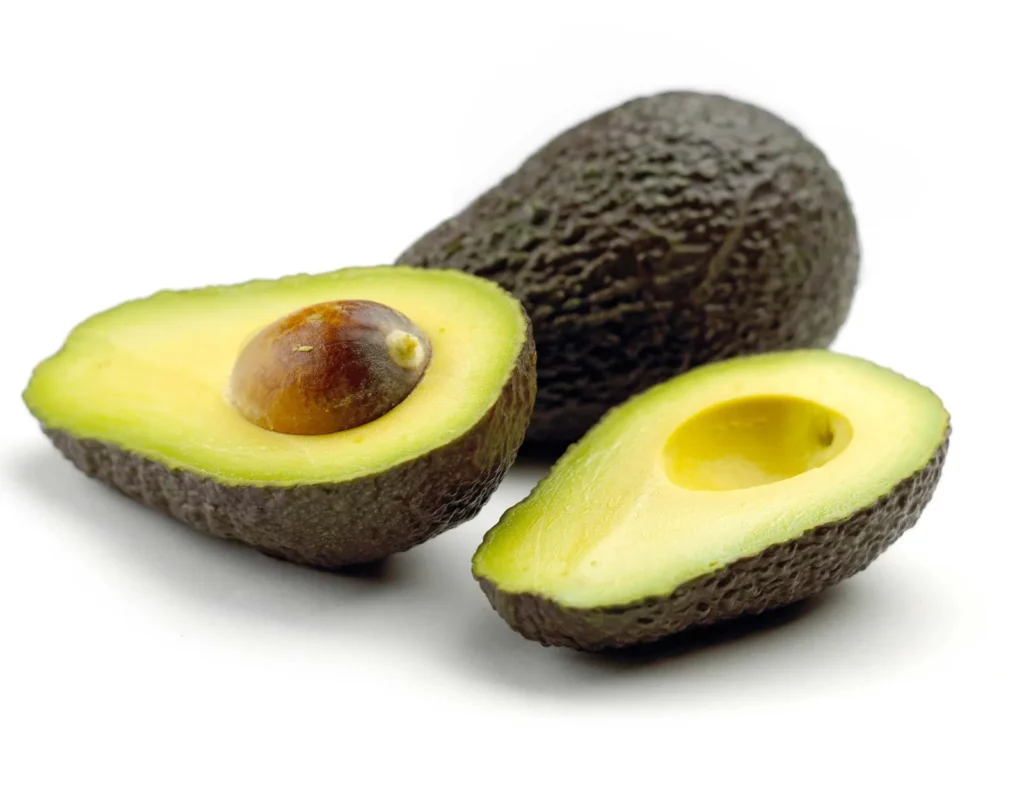
Avocado — Mexico’s Creamy Gift to the World
Known for their creamy texture and rich, buttery flavor, avocados are among the most beloved of all Mexican ingredients. Born in Mexico, the avocado became globally indispensable through guacamole but in Mexican cuisine, it serves a hundred purposes: as a garnish, a sauce base, a filling, a balancing element against spice, and even a key ingredient in cold seafood dishes like aguachile.
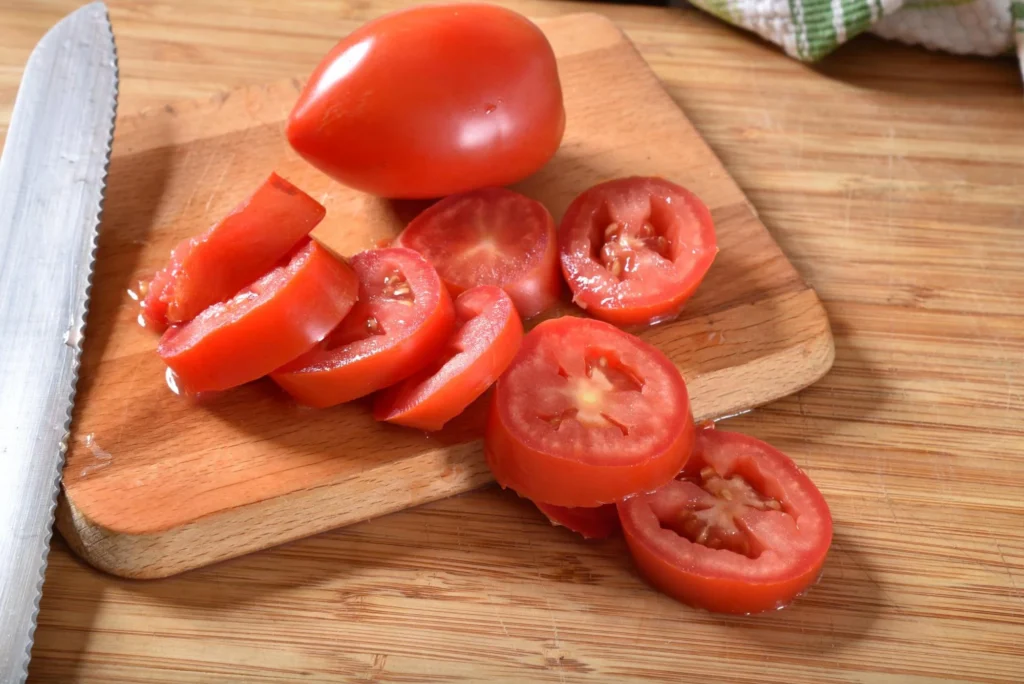
Tomatoes & Tomatillos
The tomato — another gift from Mexico to the world combines with chilies, onions, and cilantro to create the salsas that accompany every meal. The green tomatillo brings a tart, bright acidity to salsa verde, the base for green chilaquiles, enchiladas verdes, and many of Jalisco’s most beloved dishes.
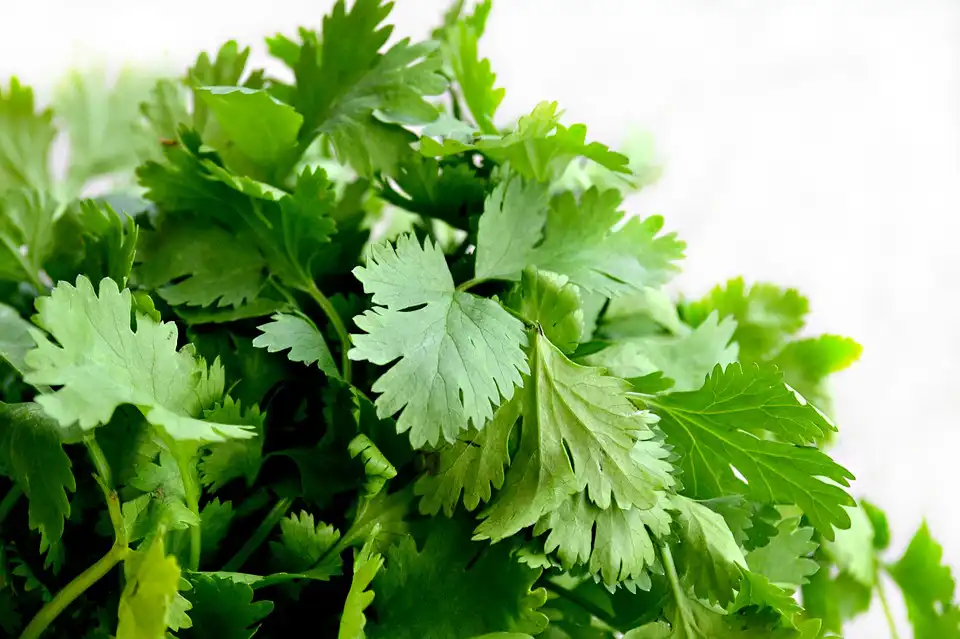
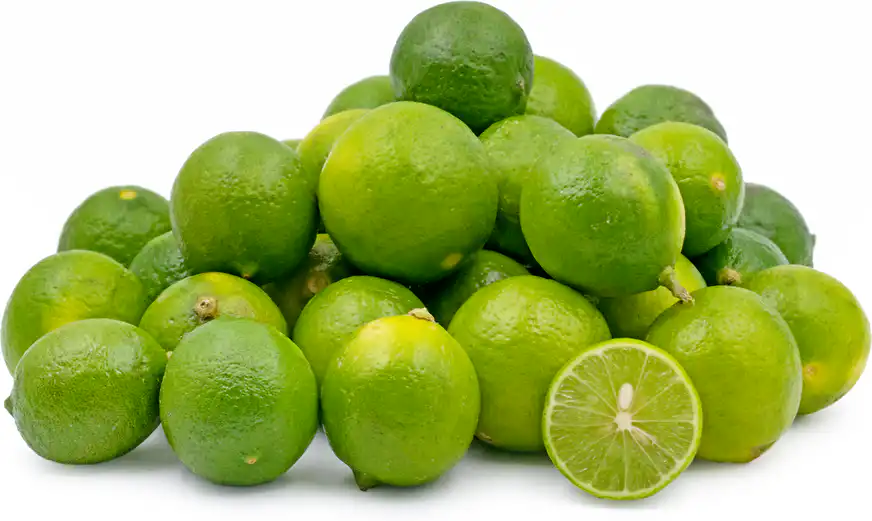
Cilantro & Lime — The Finishing Touch
No taco, ceviche, or tostada is complete without a squeeze of lime and a scattering of fresh cilantro. These two ingredients are the final flourish brightening, cutting richness, and adding the unmistakable freshness that defines Mexican street food culture. In Puerto Vallarta, you will encounter lime wedges served alongside virtually every dish, from tacos to ceviche to grilled fish.
Mexican Cheese — Queso Fresco & Oaxacan String Cheese
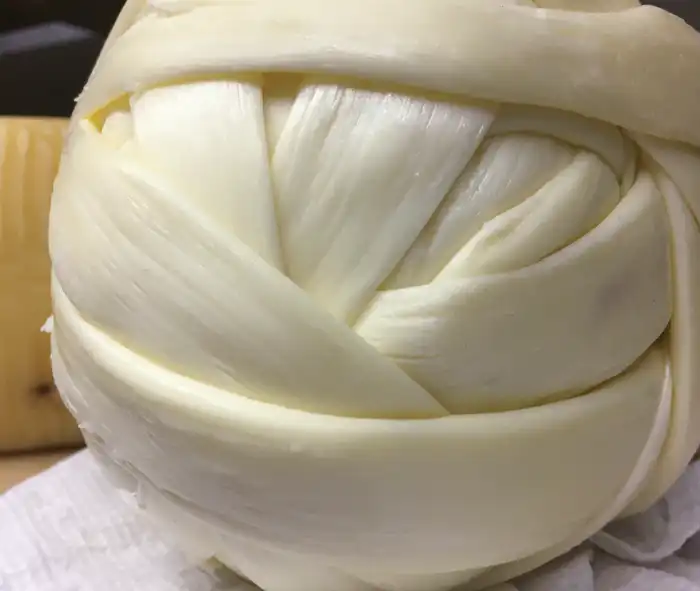
Mexican cheeses are distinct from their European cousins. Queso fresco, a fresh crumbly cheese, tops tacos, enchiladas, and salads. Queso Oaxaca, a semi-hard, stringy cheese similar to mozzarella, melts beautifully in quesadillas and over tostadas. Cotija, the “Parmesan of Mexico,” adds a salty, aged note to elotes and various street foods.
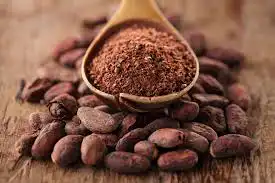
Mexican Chocolate (Cacao)
Mexico is the origin of cacao and thus, of chocolate. Long before chocolate was sweetened and turned into dessert, it was a bitter, spiced ceremonial drink of the Aztec rulers. Today, Mexican chocolate appears in champurrado (a thick, warm corn-and-chocolate drink), in mole negro where it adds depth and a touch of sweetness to savory sauces, and in artisanal confections across the country. Learn more about Mole, Mexico’s most iconic dish.
Section 03 · The World’s Favorite Food
Know Your Tacos: The Ultimate Guide to Mexico’s Most Iconic Dish
Ask anyone in the world to name a Mexican food, and the answer is almost always the same: tacos. Recognized as the most popular Mexican dish worldwide, the taco has evolved from a humble pre-Hispanic street food into a global cultural phenomenon. Yet despite this fame, most of the world has only ever tasted a pale imitation. If you truly want to know your tacos, you need to come to Mexico and specifically, to Puerto Vallarta.
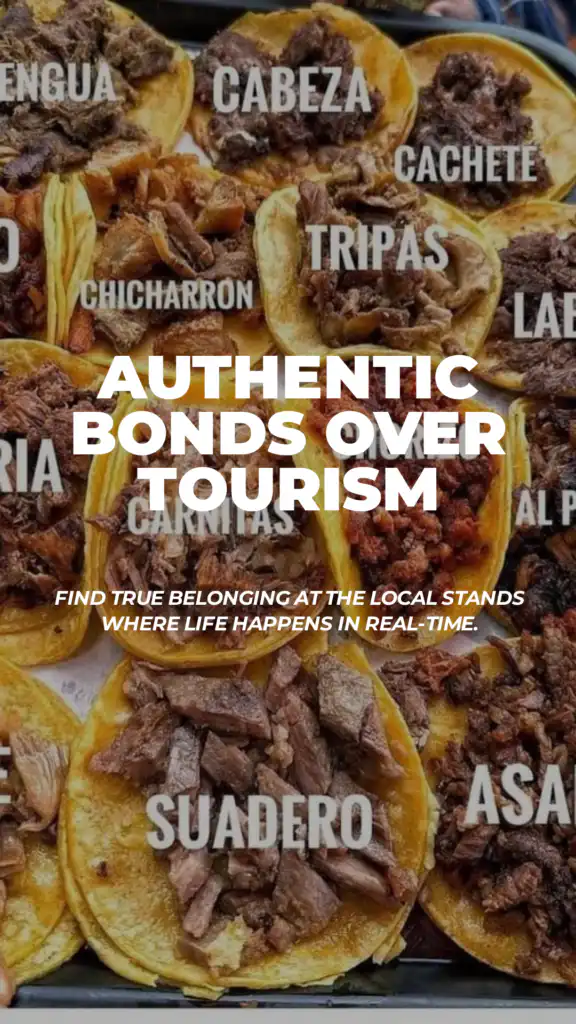
Some say the taco represents “the art of eating with a tortilla.” A corn tortilla — handmade, pressed, cooked on a comal is not a wrapper. It is the flavor foundation of the dish itself. The tortilla carries centuries of culinary heritage in its simple form: ground corn treated with lime in the process known as nixtamalización, which both enhances flavor and unlocks essential nutrients. Hundreds of fillings can be placed on a corn tortilla, and Mexicans would never deny a taco to anyone.
“As you walk the cobblestone streets of Puerto Vallarta, the sizzling aromas of authentic Mexican food drift through the air on the ocean breeze. From sunrise until long after the sun goes down, tacos are being served fresh off the grill on almost every street.”
In Puerto Vallarta, tacos are available at every hour of the day and every price point from Michelin-recognized restaurant tasting menus to two-peso street stands tucked into neighborhood alleys. From Tacos Birria before noon to Tacos Arrachera at midnight, the taco is always available, always fresh, and always a gateway into the city’s living food culture.
Full Guide: Know Your Tacos in Puerto Vallarta — The Complete Taco Guide https://promovisionpv.com/know-your-tacos-in-puerto-vallarta/
Every Taco You Must Try
Section 04 · Complete Taco Directory
Every Type of Taco You Must Try in Puerto Vallarta
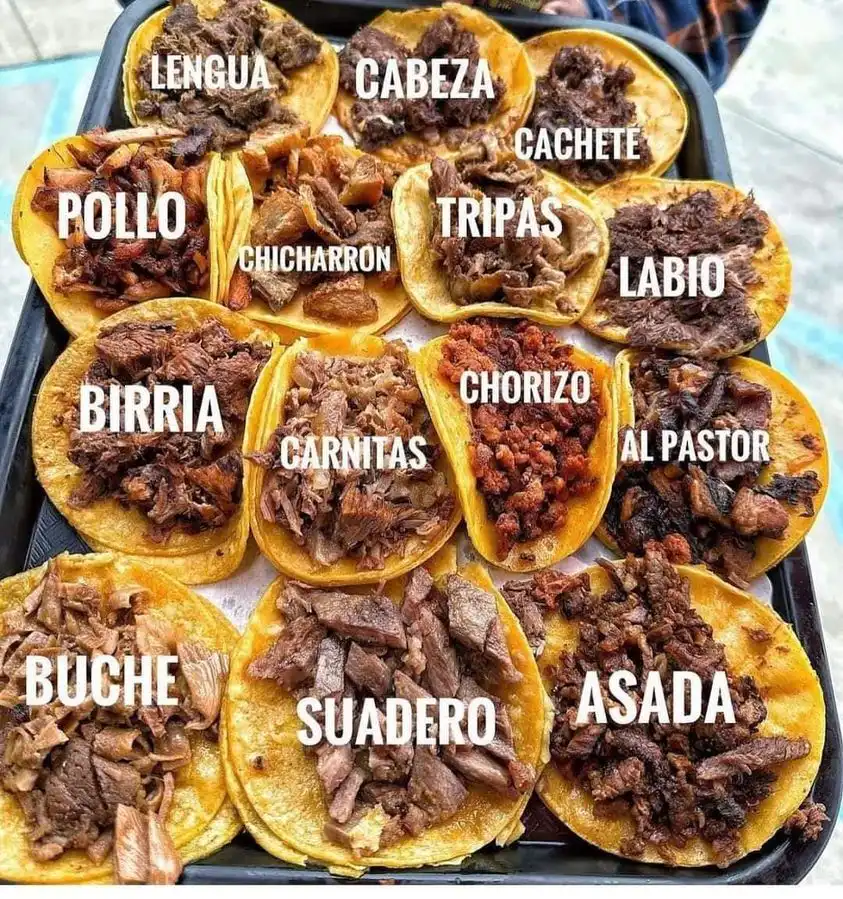
Whether you are a first-time visitor or a seasoned Mexico traveler, here is your essential guide to every major taco variety you will encounter on the streets, at the beach, and in the restaurants of Puerto Vallarta, Jalisco.
Taco #1
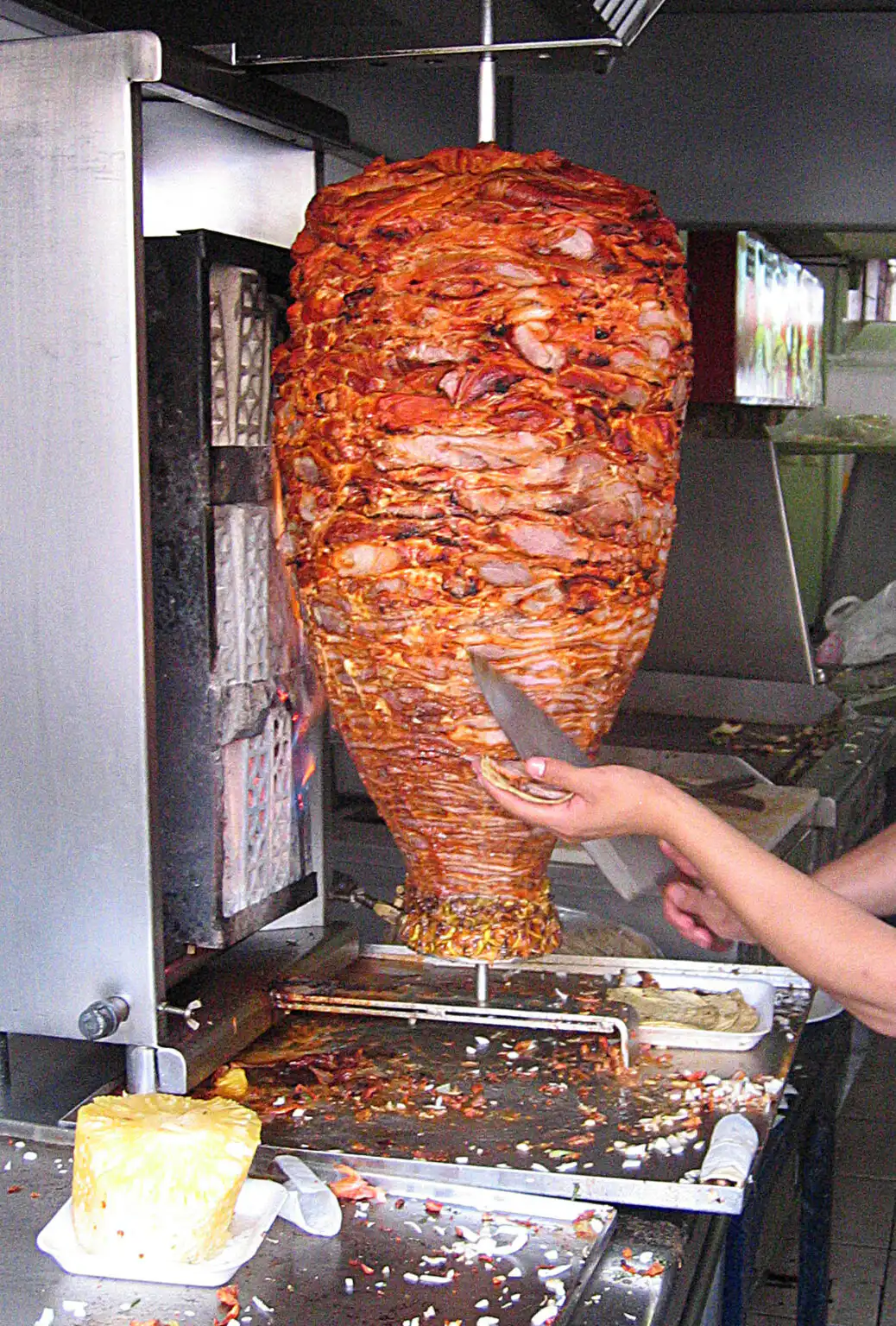
Tacos al Pastor
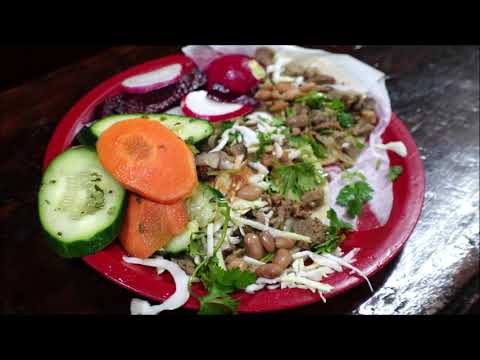
The king of the taco stand. Pork marinated for hours in chilies, spices, and pineapple juice, then slow-roasted on a vertical trompo (rotisserie), carved tableside. The cook shaves off thin slices of meat and tops each taco with a fresh slice of pineapple from the top of the spit. Served on a small corn tortilla with cilantro, onion, and salsa verde. At the best taco stands, you can also order it as a volcan (fried tortilla) or a gringa (with melted cheese). Do not leave Puerto Vallarta without eating at least three.
Taco #2
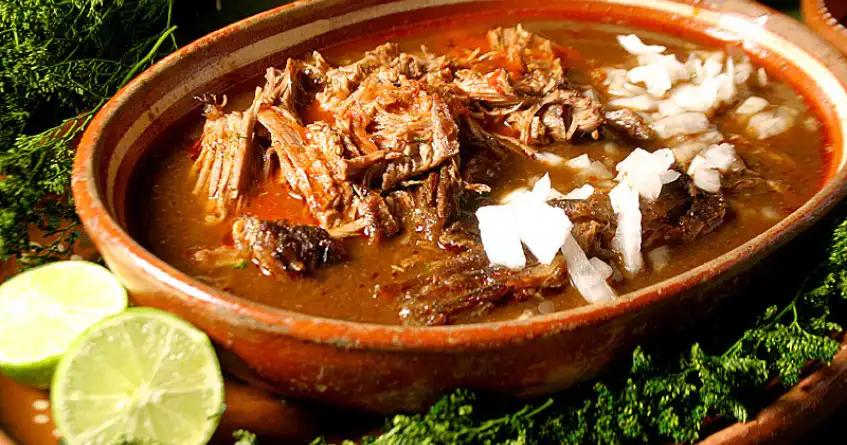
Tacos de Birria
Slow-braised beef (or goat) simmered for hours in a complex broth of dried chilies, spices, and tomatoes. The meat is shredded and served in corn tortillas, traditionally accompanied by a cup of the rich, tomato-red consommé for dipping. In Puerto Vallarta, birria tacos are a beloved morning tradition often served before noon by dedicated street-stand vendors. Perfect for a restorative breakfast or a late-night craving.
Taco #3
Tacos Arrachera (Flank Steak)
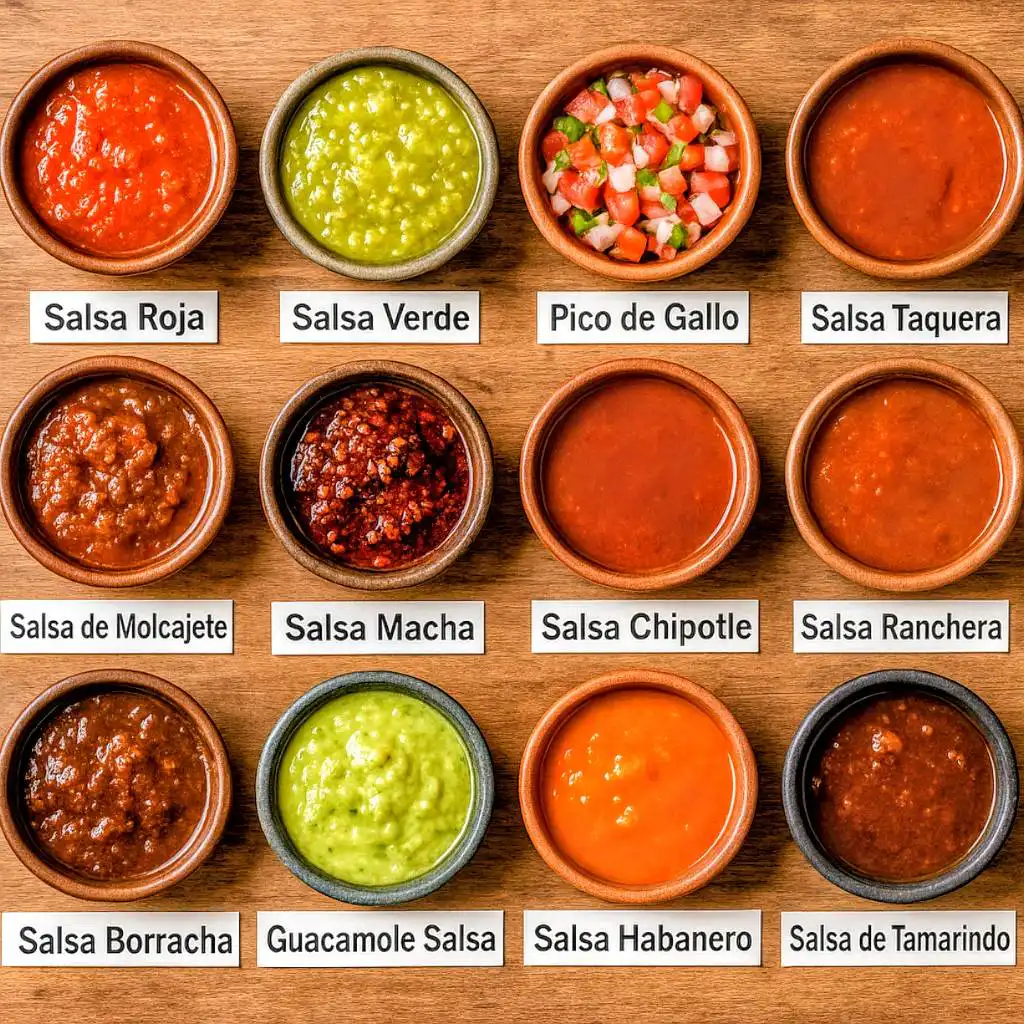
One of the most beloved carne tacos in Mexico. Arrachera — the flank or skirt steak cut — is marinated and grilled over high heat, delivering a charred, smoky, intensely beefy flavor. Served on handmade corn tortillas with guacamole, pico de gallo, and fresh salsa. A staple of late-night taco restaurants throughout Puerto Vallarta’s Romantic Zone and Versalles neighborhoods.
Taco #4
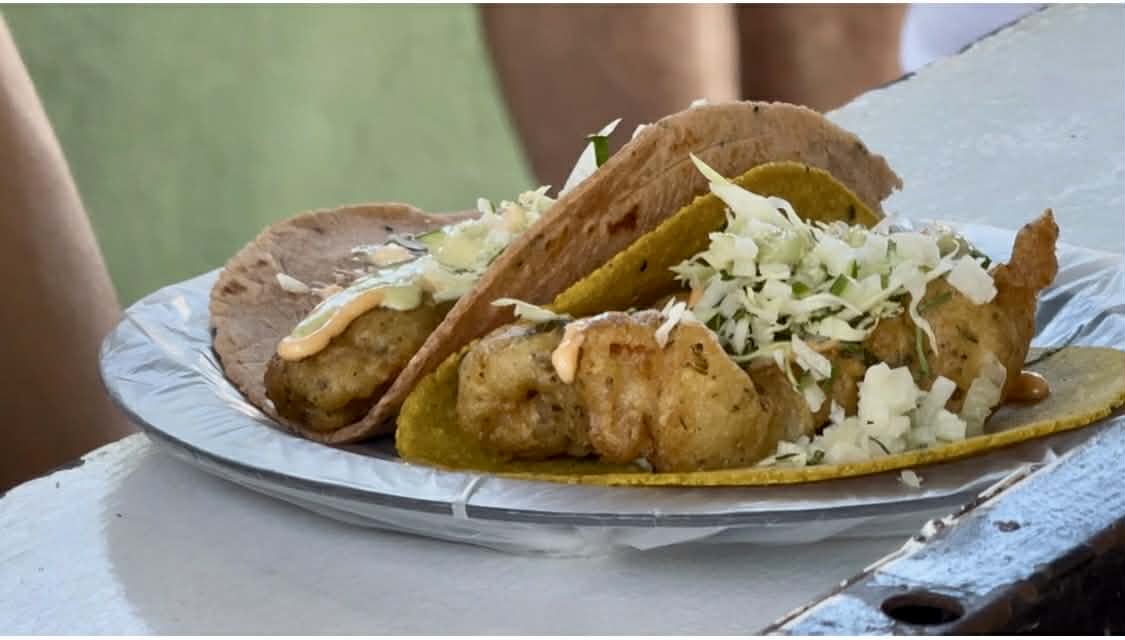
Fish Tacos (Tacos de Pescado)
Puerto Vallarta’s Pacific Coast location makes it the perfect place for fresh fish tacos. Battered or grilled catch-of-the-day fish served on a corn tortilla with cabbage, crema, fresh pico de gallo, and a generous squeeze of lime. Best enjoyed at a beachside palapa restaurant where the catch came in that morning. One of the most iconic things to eat along the shores of Banderas Bay.
Taco #5
Shrimp Tacos (Tacos de Camarón)
Fresh Pacific shrimp, either grilled, battered and fried, or cooked in a spicy sauce, served in warm corn tortillas with creamy avocado and fresh salsa. Puerto Vallarta’s proximity to excellent shrimp fishing grounds means these tacos are almost always made with same-day seafood. A must at any beach restaurant or marisquería (seafood restaurant) in the city.
Taco #6
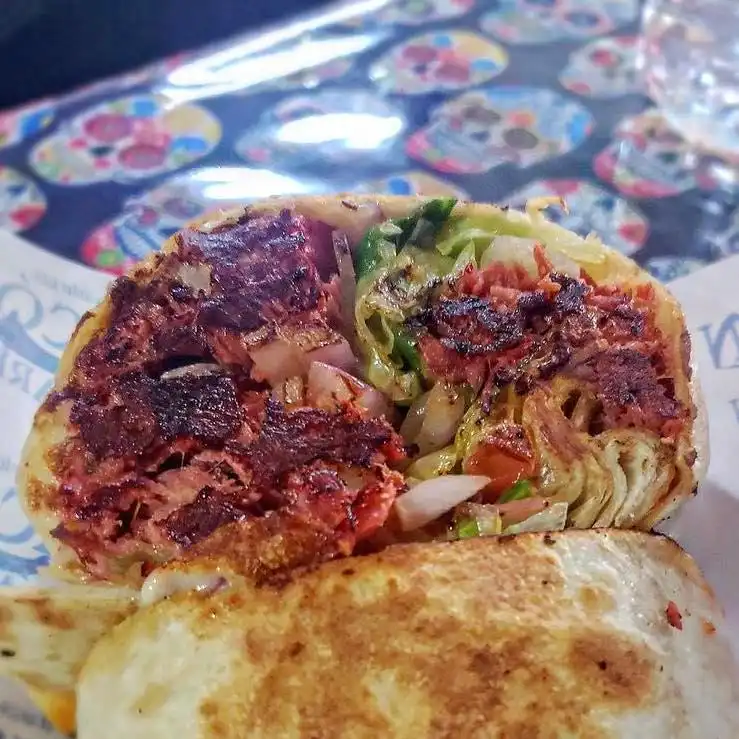
Tacon de Marlin
A uniquely Puerto Vallarta specialty. Smoked marlin, a prized game fish of the Pacific Ocean — is shredded and sautéed with onions, tomato, and chilies, then served in corn tortillas. The smoky, oceanic richness of marlin creates a deeply satisfying taco that you simply cannot find outside of Mexico’s Pacific fishing communities. Look for it at specialty taco stands in the Romantic Zone and along the Malecon boardwalk.
Taco #7
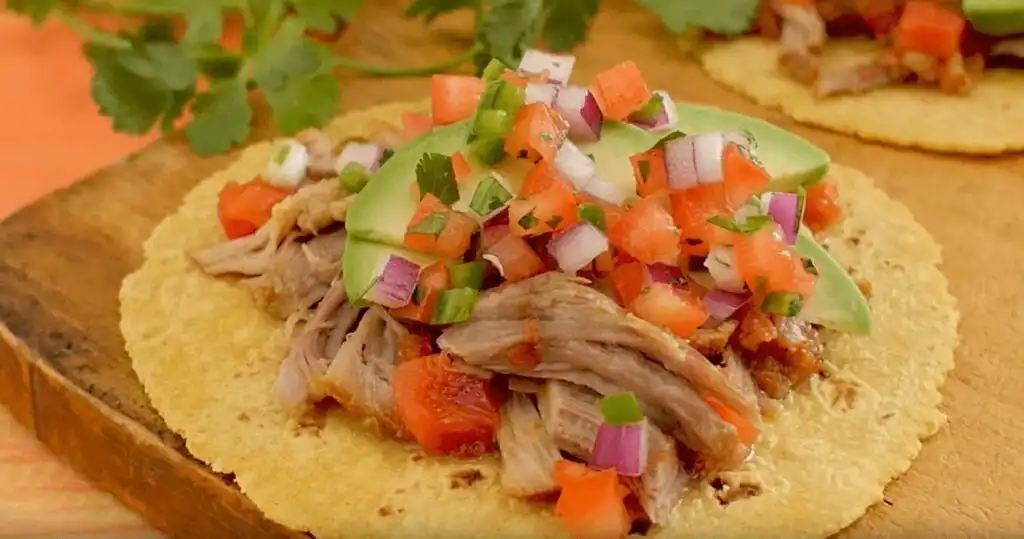
Carnitas Tacos
Pork cooked in an extraordinary way: various cuts slow-fried in enormous copper pots (cazos de cobre) filled with lard, seasoned with orange, bay leaf, milk, and secret ingredients passed down through generations. The result is melt-in-your-mouth tender, crispy-edged pork heaven. Carnitas are a Sunday tradition throughout Jalisco, and the best versions come from dedicated carnicerías (butcher shops) that have been perfecting their recipe for decades.
Taco #8
Chicken Tacos (Pollo)
Often underestimated, a great chicken taco depends entirely on the quality of the salsa and the freshness of the tortilla. Whether as grilled pollo asado, shredded tinga (smoky chipotle-tomato chicken), or beer-braised pulled chicken, chicken tacos are a staple across every level of the Puerto Vallarta restaurant scene — from market stalls to gourmet dining rooms.
Taco #9
Tacos de Cabeza (Head Tacos)
A deep dive into true Mexican taco culture. Cabeza — beef head — is slow-braised until the cheek (cachete), tongue (lengua), and temple (sesos) meat is incredibly tender and flavorful. This is authentic nose-to-tail Mexican cooking at its best. Reserved for the adventurous food traveler, these tacos are an education in flavor and a connection to the oldest traditions of Mexican street food.
Taco #10
Vegetarian Tacos (Veggie Tacos)
Modern Puerto Vallarta has a thriving vegetarian and vegan dining scene. Soy chorizo, mushroom tacos (hongos), rajas con queso (roasted poblano strips with cheese), bean and cheese, nopal (cactus paddle), and seasonal vegetable tacos are all readily available throughout the city. Whether you are vegetarian by choice or just exploring plant-based Mexican cuisine, you will never feel left out at the taco table.
Taco #11
Tacos de Canasta (Basket Tacos)
A Mexico City breakfast tradition that has spread throughout the country. These “basket tacos” are pre-made, steam-softened small tacos filled with beans, potato, chicharrón, or tinga, kept warm in a cloth-lined basket and sold by bicycle vendors in the early morning. Budget-friendly, filling, and deeply nostalgic for any Mexican who grew up eating them before school.
Taco #12
Quesadillas / Gringa / Volcan
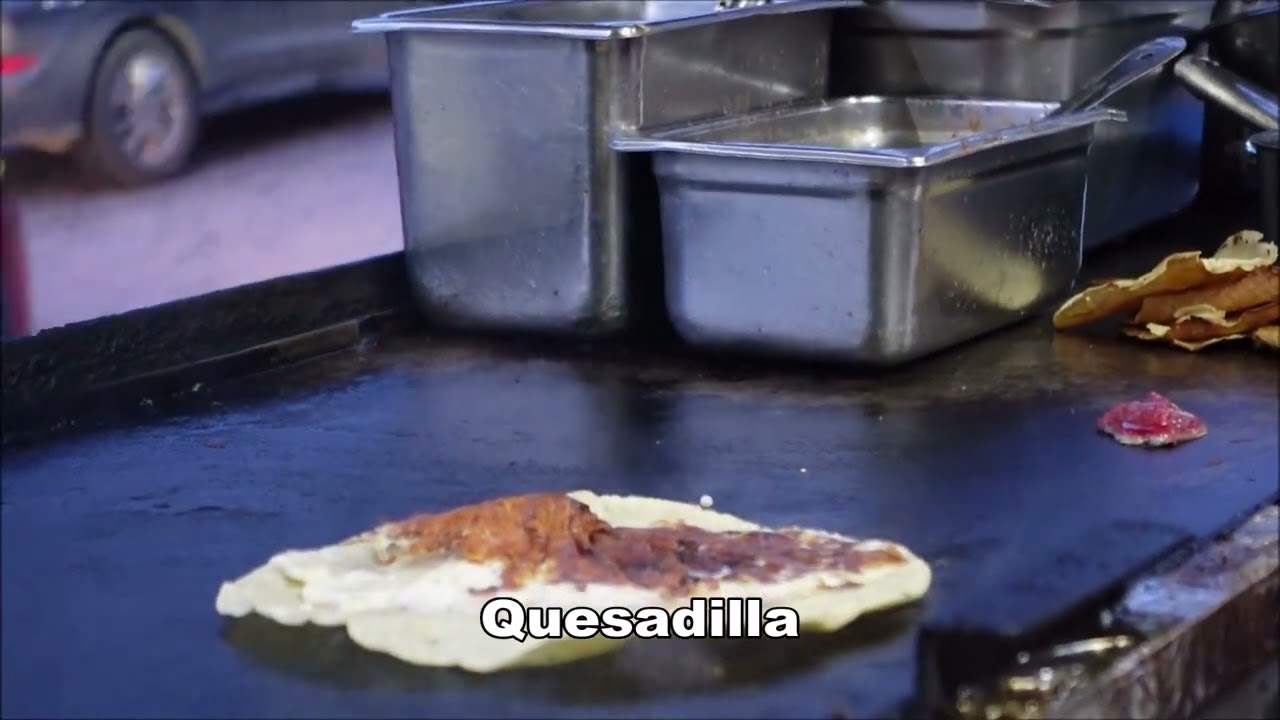
Closely related to the taco family. A gringa is an al pastor taco served on a flour tortilla with melted cheese. A volcán is an open-face fried tortilla piled high with toppings. A quesadilla is a folded tortilla (corn or flour) with cheese and optional fillings, toasted on the comal. All three are staples of the Puerto Vallarta taco stand experience.
Where to Find the Best Tacos in Puerto Vallarta
The best tacos in Puerto Vallarta are found everywhere — and that is not an exaggeration. Some of the favorite local spots sit right along the beach, offering spectacular views of Banderas Bay with your al pastor. The Romantic Zone (Zona Romántica) around Basilio Badillo and Olas Altas streets is a concentration of excellent taco options at every price point. The emerging Versalles neighborhood has become Puerto Vallarta’s new gourmet food hub, with innovative taco restaurants, international cuisine, and cutting-edge chefs.
For late-night taco stands, head to the streets behind the Emiliano Zapata market. For morning birria, ask a local, they always know the best unmarked corner stand. And for seafood tacos, the simplest rule is: find the beach, look for a plastic table and a guy with a grill, and order everything.
Street Food Puerto Vallarta — Full Guide Know Your Tacos Article → https://promovisionpv.com/street-food-is-very-numerous-and-varied-in-puerto-vallarta-and-around-the-bay-of-banderas/
Section 05 · Pacific Coast Treasures
Best Seafood Dishes in Mexico: A Pacific Coast Feast
Mexico’s two coastlines — Pacific and Gulf — have given rise to two distinct seafood traditions. On the Pacific, where Puerto Vallarta sits, the seafood is defined by the cold-current richness of the Pacific Ocean: enormous shrimp, fresh tuna and marlin, octopus, oysters, and an extraordinary variety of fish. The seafood cuisine of Jalisco and the Pacific Coast is bold, acid-bright, spice-forward, and deeply connected to both the indigenous coastal traditions and the fishing communities that sustain them.
Eating seafood in Puerto Vallarta is a transformative experience. Nothing prepares you for the moment a bowl of ice-cold aguachile arrives at a plastic beach table, the shrimp curled in a pool of brilliant-green chile de agua and lime juice, the smell of the ocean mixing with the citrus air. These are not restaurant-concept dishes. This is how the people of this coast have eaten for generations.
Seafood & Coastal Dishes
Section 06 · Coastal Menu
Coastal Favorites in Puerto Vallarta: What to Eat by the Ocean
Aguachile — The Raw Power of the Pacific Coast
The most electric dish in the Puerto Vallarta seafood canon. Aguachile is a typical specialty of the western coast region of Mexico, with deep roots in the state of Sinaloa — where pre-Hispanic cultures originally mixed dried meat with water and chiltepín chili. By the 1970s, the recipe evolved to feature raw fresh shrimp marinated in lime juice, cucumber, red onion, cilantro, and chile de agua (a fresh green chili), seasoned with salt and pepper, and often topped with creamy sliced avocado. The result is a dish of staggering freshness: the acid of the lime gently “cooks” the shrimp proteins while preserving their oceanic sweetness. Order it ice-cold and eat it immediately. Learn more about Aguachile and Ceviche in Puerto Vallarta. https://promovisionpv.com/what-is-ceviche-and-aguachile/
Ceviche — The Classic Fresh Seafood Dish
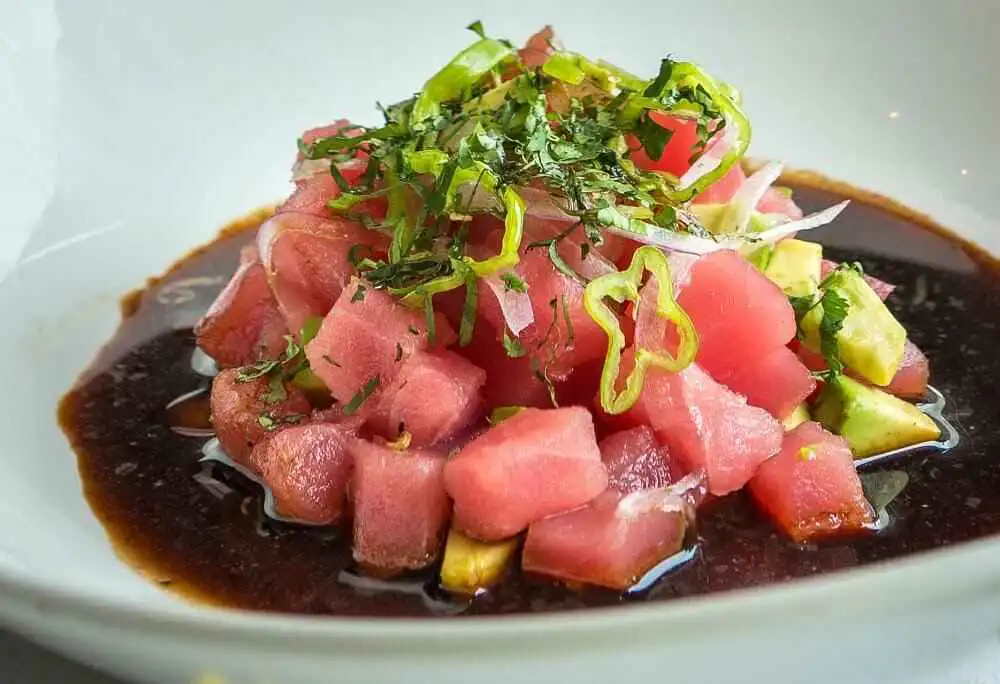
While ceviche originated in Peru, it has become deeply embedded in Mexican coastal culture and is one of the most popular dishes along the Pacific Coast of Jalisco
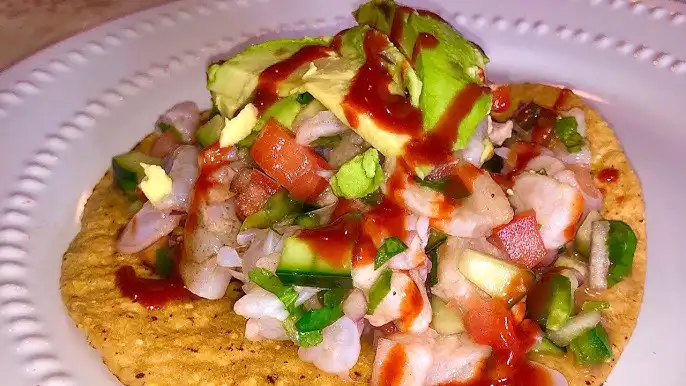
The fundamentals are always present: raw fish (usually fresh Pacific snapper or tuna), red onion, tomato, fresh chilies, cilantro, and lime juice. The most popular proteins used in Puerto Vallarta ceviche are fresh fish, shrimp, clam, octopus, crab, and snail. Each marisquería has its own signature recipe. Served with tostadas (crispy fried tortillas) on the side for scooping. Discover Ceviche and Aguachile full deep dive. https://promovisionpv.com/what-is-ceviche-and-aguachile/
Pescado Zarandeado — The Smoked Pride of the Pacific
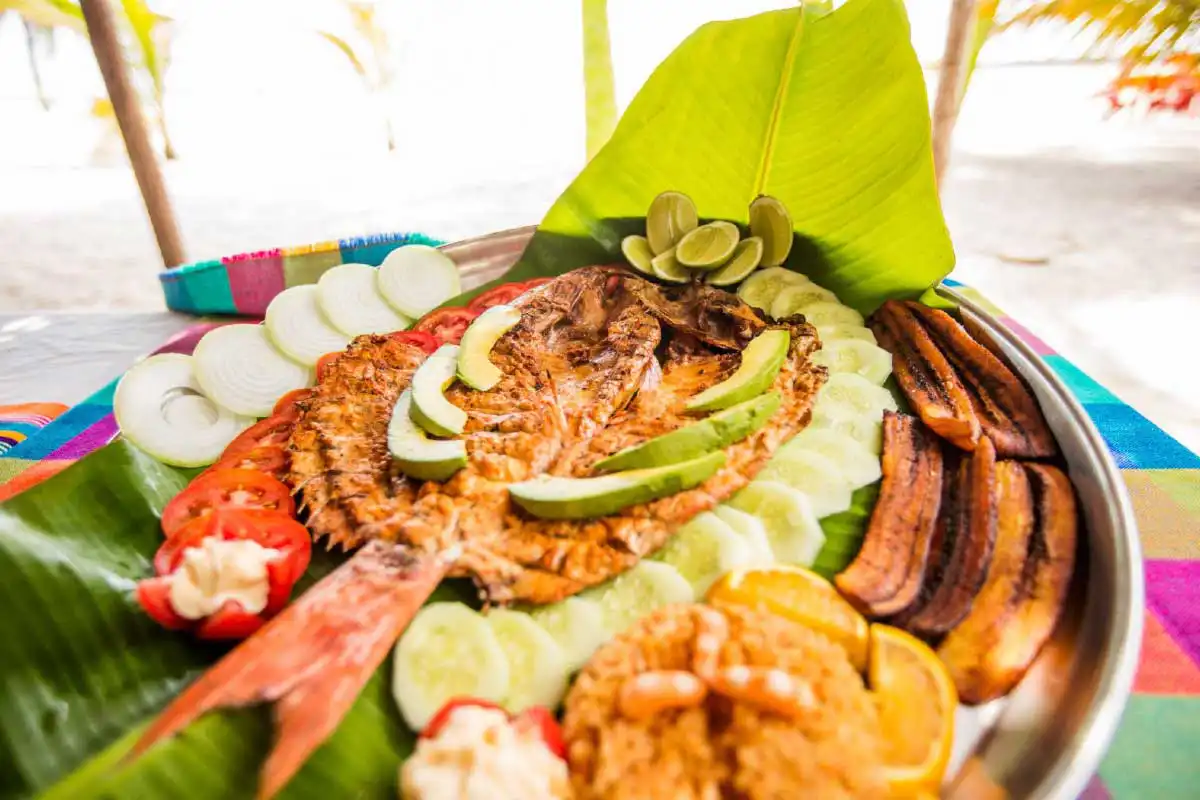
Perhaps the most iconic preparation on the entire Pacific Coast of Mexico. Pescado Zarandeado — “zarandeado” meaning “shaken” or “tossed about” — is a whole fish (typically snook, snapper, or sea bass) butterflied open, coated in a seasoned marinade of lemon, chili sauce, garlic, and achiote, then slow-grilled for hours over smoldering mangrove wood on a traditional zaranda (grill). The result is a fish with burnished, lacquered skin, explosively smoky aroma, and meltingly tender flesh. Originally cooked over mangrove wood (now mostly replaced by metal grills for ecological reasons), this dish is the culinary symbol of Mexico’s Pacific fishing villages. Try it at the beachside restaurants in the Zona Romántica or at the fishing village of Boca de Tomatlán , just south of Puerto Vallarta.
Camarones a la Diabla — Deviled Shrimp for Heat Lovers
For those who love serious heat, Camarones a la Diabla (Deviled Shrimp) is an essential experience. Large, fat Pacific shrimp are cooked in a blazing, deeply red sauce built from a combination of guajillo, chipotle, and chile de árbol — a trio that delivers not just heat but layers of smoky, fruity, complex flavor. The sauce clings to the shrimp in a glossy, intensely savory coat. Served with white rice, refried beans, and fresh tortillas to mop up the sauce. An iconic dish during the summer season when Pacific shrimp are at peak quality.
Camarones al Mojo de Ajo — Garlic Butter Shrimp
A simpler, gentler preparation that showcases the pure sweetness of fresh Pacific shrimp. Large shrimp are sautéed in abundant butter, roasted garlic, white wine, and a touch of lime juice until caramelized and fragrant. One of the most beloved shrimp preparations at Puerto Vallarta restaurants, especially popular as a starter or sharing plate. Best with fresh corn tortillas and a cold cerveza.
Pulpo (Octopus) — Grilled, Marinated, and Extraordinary
Pacific octopus, tenderized and then grilled or braised, appears throughout Puerto Vallarta’s seafood menu in ceviches, tacos, tostadas, and as a standalone dish. Grilled octopus with chipotle aioli, grilled corn, and avocado cream is one of the most celebrated dishes at Puerto Vallarta’s upscale restaurants. At the marisquerías, you will find octopus tostadas made to order: a crispy tostada spread with bean purée, topped with shredded octopus, ceviche, avocado, and a drizzle of chamoy.
Tostadas de Ceviche / Mariscos — The Street Seafood Staple
Walk through any market or seafood stand in Puerto Vallarta and you will encounter the tostada de mariscos — a crispy fried corn tostada piled high with your choice of ceviche, shrimp, octopus, and fish. Topped with sliced avocado, a drizzle of crema, and a dash of hot sauce, these tostadas are one of the most satisfying and affordable ways to eat fresh Pacific seafood in the city. A true Puerto Vallarta street food essential.
Sopa de Mariscos — Pacific Seafood Soup
On cooler evenings or after a morning on the water, a bowl of sopa de mariscos is deeply restorative. A rich tomato-and-chile broth loaded with shrimp, fish, clams, crab, and squid, seasoned with garlic, cilantro, and lime. Some versions are thick and stew-like; others are light and brothy. All versions are exceptional. One of the most warming and honest expressions of Mexican seafood culture
Related Reading: What is Ceviche and Aguachile? — Puerto Vallarta Chef Eduardo’s Guide https://promovisionpv.com/what-is-ceviche-and-aguachile/
Section 07 · Iconic Mexican Dishes
Classic Mexican Dishes Every Traveler Must Try
Beyond tacos and seafood, Mexican food culture offers a breathtaking range of dishes — from elaborate ceremonial preparations to simple, everyday comfort food. Here are the essential classics that define the Mexican dining experience.
Chilaquiles — The Ultimate Mexican Breakfast
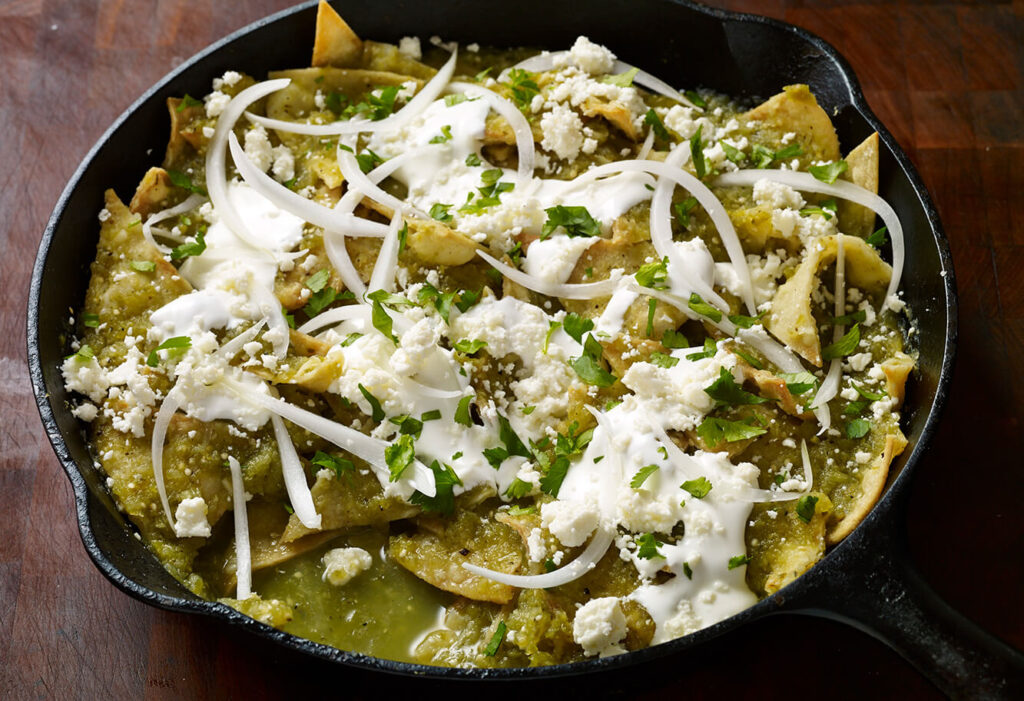
Chilaquiles are definitively the most popular breakfast in Mexico. Made from triangular pieces of fried or toasted corn tortilla (totopos) soaked in a red or green hot sauce until just softened, then topped with shredded chicken, chorizo, or scrambled eggs, decorated with fresh cheese, cilantro, sliced onion, and a dollop of crema, served with fried beans on the side. Nothing else will cure a sleepy morning in Puerto Vallarta quite like a plate of chilaquiles rojos with a café de olla.
Mole — A Complex Masterpiece of Mexican Cooking
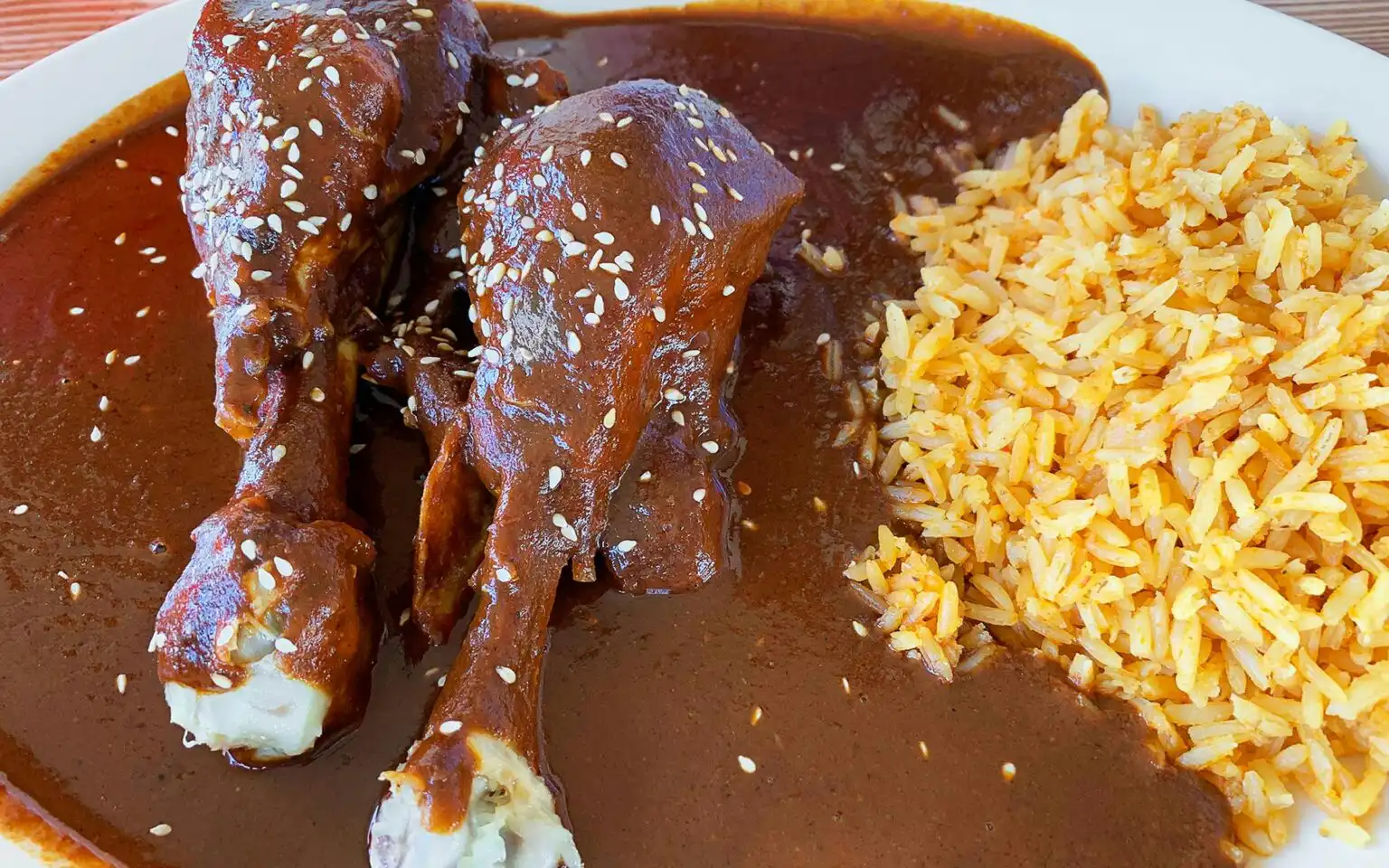
Mole is arguably the most sophisticated sauce in all of world cuisine. A complex preparation built from a mixture of dried chilies, tomatoes, Mexican chocolate, pumpkin seeds, sesame, dried fruits, spices, and charred tortilla, ground together on a stone metate and slow-cooked for hours. In Mexico, there are seven distinct types of mole negro, rojo, verde, amarillo, coloradito, manchamanteles, and chichilo and each represents a different regional tradition. Mole negro, the darkest and most complex, is considered the pinnacle of the form. Read the full guide to Mole, Mexico’s most iconic dish. https://promovisionpv.com/mexican-cuisines-iconic-dish-what-is-mole/
Tamales — Icons of Mexican Food Culture
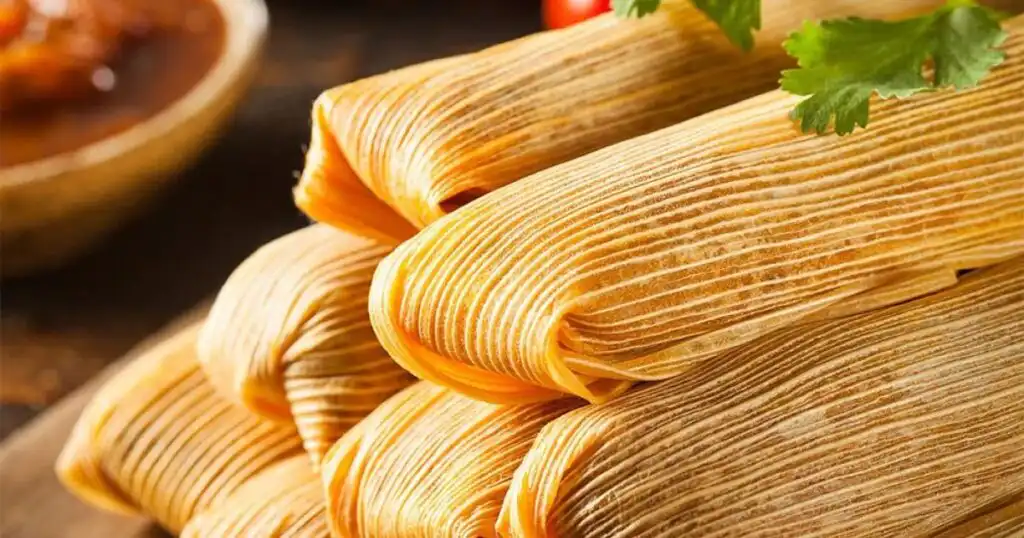
Tamales are an icon of Mexican food that predate written history. A masa (corn dough) filling usually mole with chicken, rajas con queso, pork in red salsa, or sweet corn with raisins is spread on a corn husk or banana leaf, folded, and steamed. The result is a moist, richly flavored parcel of comfort food that has been eaten in Mexico for at least 3,000 years. In Jalisco, tamales are often made with the banana leaf variety, which gives them a slightly more earthy, herbal flavor. Learn more about Tamales in Mexican Cuisine. https://promovisionpv.com/about-tamales-mexican-cuisine-puerto-vallarta/
Pozole — The Healing Corn Soup
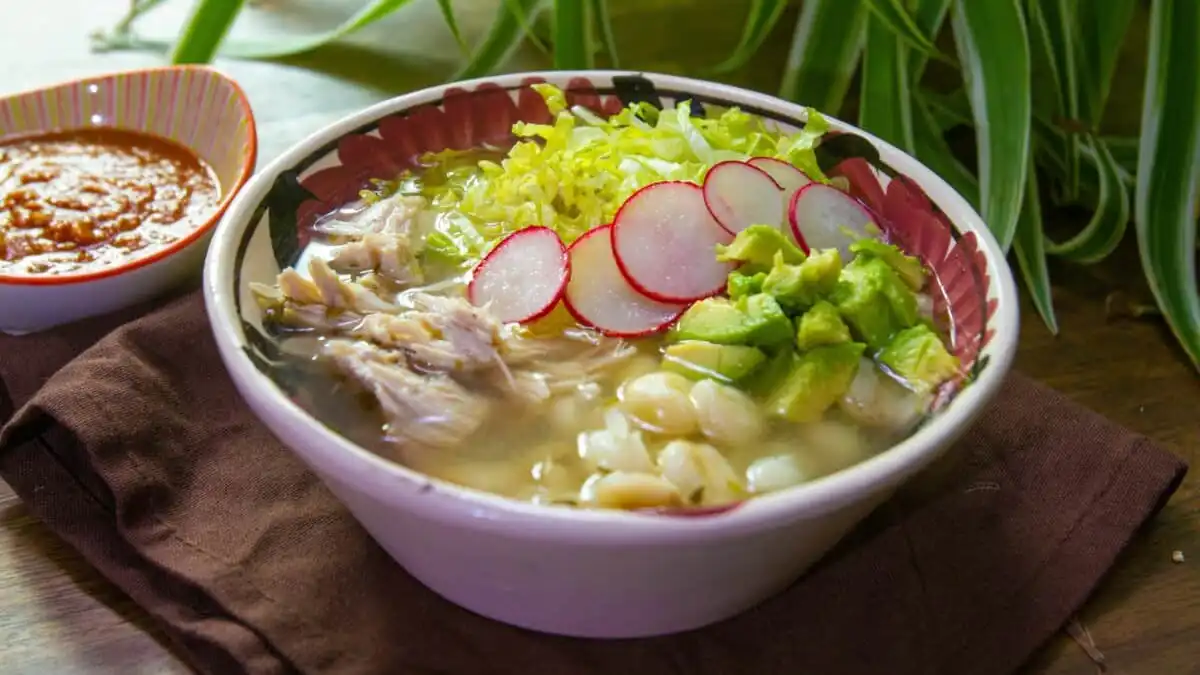
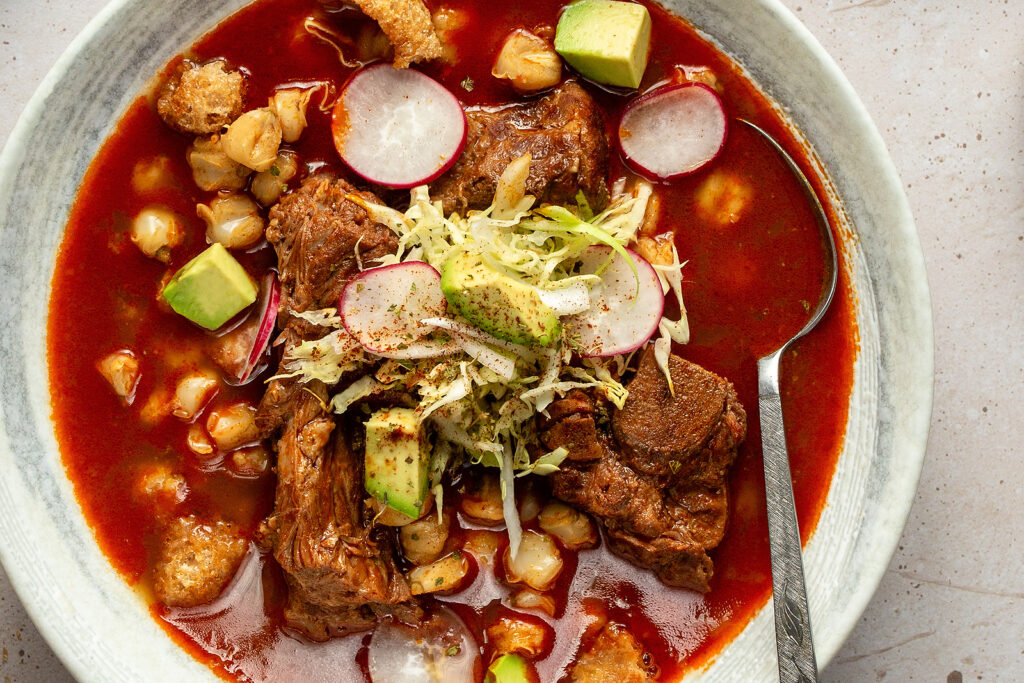
Pozole is a deep, ceremonial soup made from hominy corn (maíz cacahuazintle) simmered with shredded chicken or pork in a rich broth. There are three major varieties: rojo (red, made with dried guajillo and ancho), verde (green, made with tomatillo and green chilies), and blanco (clear broth). Served with a spread of garnishes shredded cabbage, dried oregano, sliced radishes, diced onion, lime, and crispy tostadas, pozole is one of the most deeply satisfying experiences in Mexican gastronomy. In Puerto Vallarta, pozole restaurants are especially popular on rainy evenings and after late nights out.
Cochinita Pibil — The Yucatan’s Slow-Cooked Gift
Though originating in the Yucatán Peninsula, Cochinita Pibil has spread throughout Mexico and is now widely available in Puerto Vallarta. Pork marinated in bitter orange juice and achiote paste, wrapped in banana leaves, and slow-cooked for hours in a traditional underground pit (or modern oven). The result is impossibly tender, burnished-orange shredded pork with a deeply aromatic, slightly tangy flavor. Served with marinated red onion, pickled habanero, and warm corn tortillas. One of Mexico’s most beloved regional dishes.
Chile en Nogada — Mexico’s Patriotic Dish
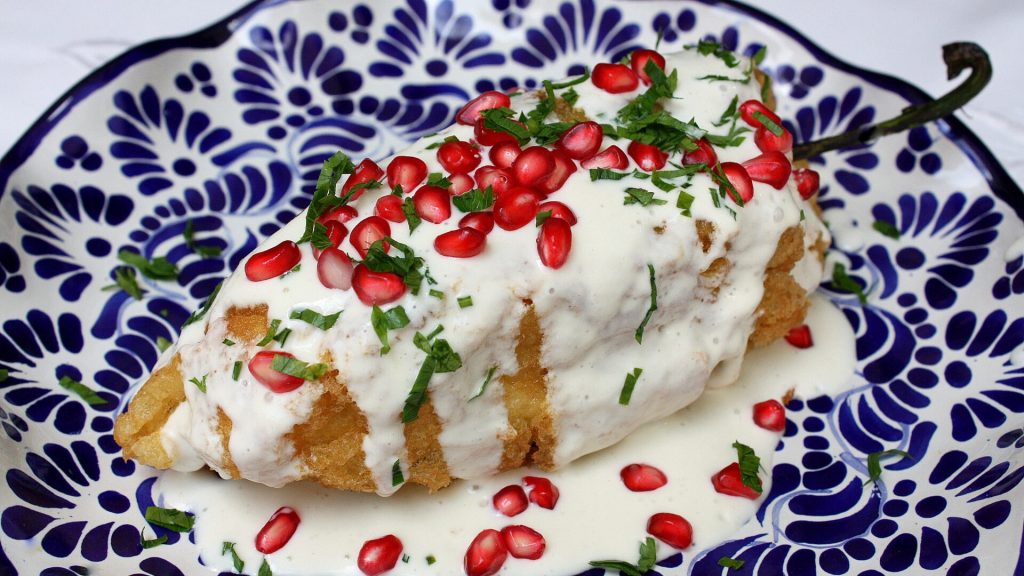
The most visually spectacular dish in the Mexican culinary canon. A large poblano pepper is roasted, peeled, and stuffed with picadillo, a mixture of minced meat, peaches, plantain, almonds, raisins, pine nuts, and spices then topped with a creamy walnut sauce (nogada) and garnished with pomegranate seeds and fresh flat-leaf parsley. The white sauce, green parsley, and red pomegranate represent the colors of the Mexican flag. Traditionally served during September’s Independence Month, Chile en Nogada is a dish of extraordinary complexity and beauty.
Enchiladas — Mexican Comfort Food
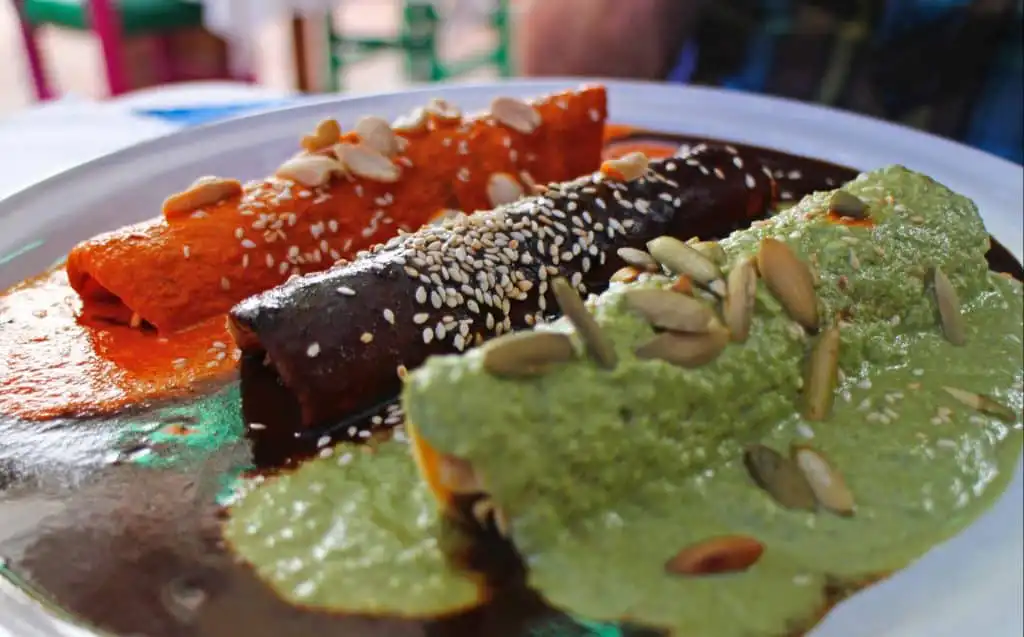
Corn tortillas dipped in a hot sauce, filled with various proteins (shredded chicken, cheese, potatoes, or beans), rolled or folded, and served with sour cream, fresh cheese, onion, and celery. Enchiladas verdes use tomatillo salsa; enchiladas rojas use a dried-chile red sauce; enchiladas suizas use a cream-and-tomatillo sauce. Among the most accessible and satisfying dishes in Mexican cuisine, and a staple at every family restaurant in Puerto Vallarta.
Guacamole — The World’s Favorite Avocado Preparation
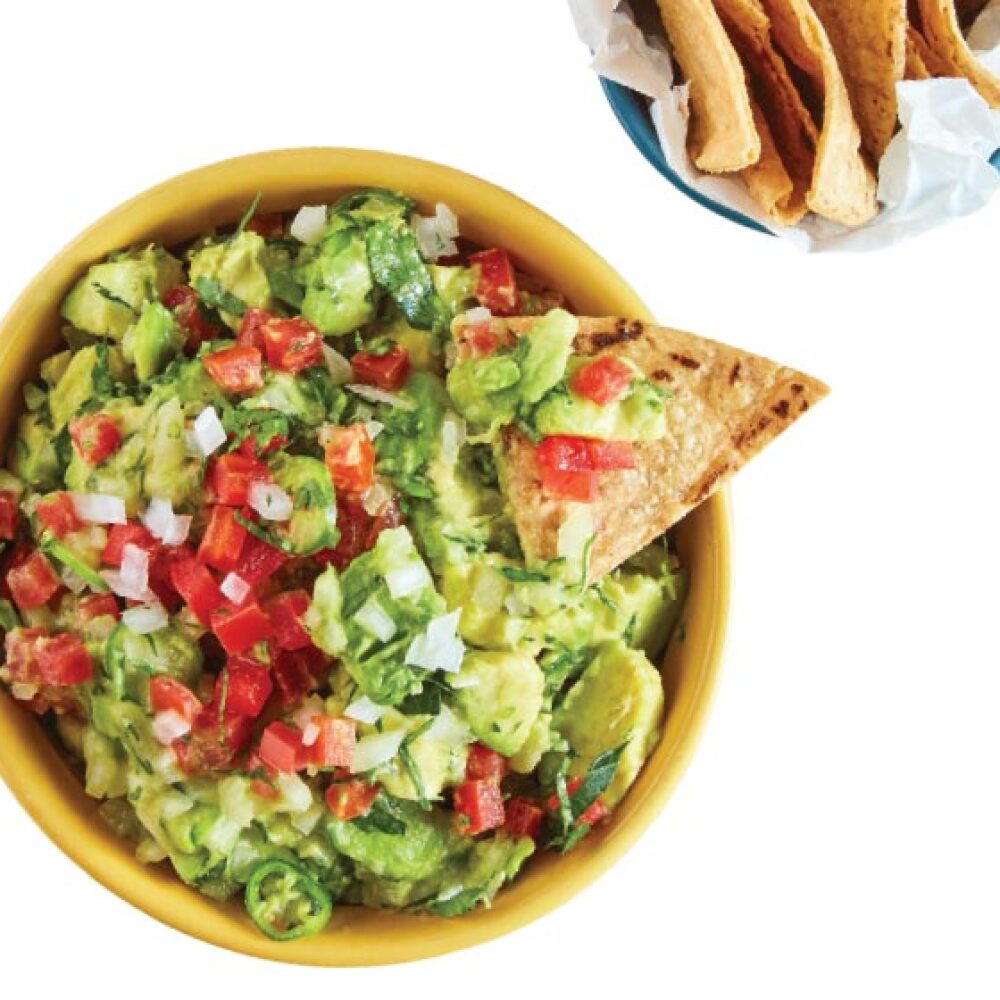
Born in Mexico, guacamole is one of the most recognizable Mexican dishes on the planet, yet what most of the world knows as guacamole is a shadow of the real thing. Authentic Mexican guacamole starts with perfectly ripe avocados mashed (not blended) on a stone molcajete, seasoned with lime, salt, chopped onion, serrano chili, and fresh cilantro. Some versions add tomato; the purists do not. Served immediately. Never refrigerated before service. When it is fresh and made properly, it is extraordinary.
Section 08 · Street Food & Markets
Street Food in Puerto Vallarta: The Heart of the City’s Food Culture
Street food in Puerto Vallarta is very numerous, varied, and is one of the best ways to connect with the city’s authentic food culture. From the moment you arrive, you are surrounded by the sounds and smells of Mexican street cooking the hiss of meat on a hot comal, the bubbling of pork fat in a copper pot, the sweet char of corn roasted on an open flame.
Puerto Vallarta’s street food scene stretches across every neighborhood — from the Zona Romántica to Colonia Emiliano Zapata, the traditional market streets of Centro, and the emerging culinary hub of Versalles. Understanding what to look for and where to look makes all the difference between a tourist meal and a genuine food experience. Explore the complete Street Food guide for Puerto Vallarta and the Bay of Banderas. https://promovisionpv.com/street-food-is-very-numerous-and-varied-in-puerto-vallarta-and-around-the-bay-of-banderas/
Key Street Foods to Discover
Elotes & Esquites — Corn in Two Forms
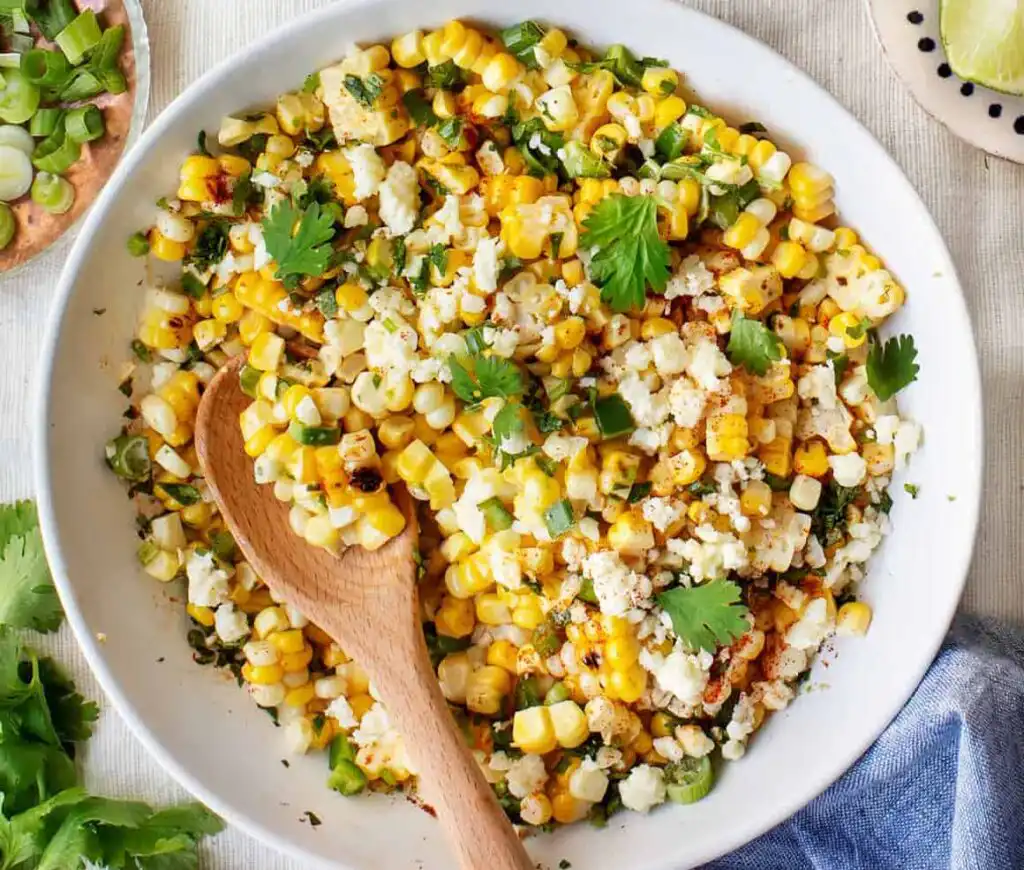
The humble corn cob, elevated to something extraordinary. Elote is grilled corn on the cob slathered with mayonnaise, cotija cheese, chili powder, and a squeeze of lime. Esquites are the same ingredients in a cup, with the kernels cut off the cob and dressed in a creamy, spiced sauce. One of the most popular street snacks throughout all of Mexico, and a staple of Puerto Vallarta’s evening street scene.
Tostadas de Tinga / Ceviche
Crispy tostadas piled high with chipotle-stewed shredded chicken (tinga) or fresh ceviche, topped with avocado, crema, and salsa. Available from specialized tostada stands and market stalls throughout Puerto Vallarta at remarkably low prices.
Gorditas & Sopes
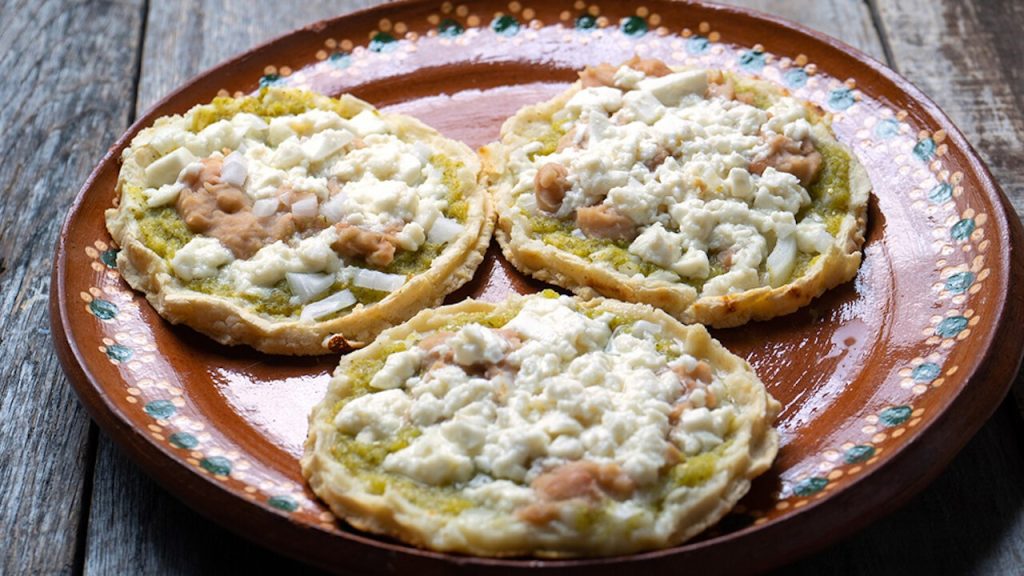
Gorditas are thick, hand-pressed corn masa discs, split open and filled with beans, cheese, chicharrón, or meat. Sopes are similar — thicker masa circles with raised edges filled with refried beans, shredded meat, lettuce, crema, and salsa. Both are deeply satisfying, inexpensive, and deeply Mexican.
Tortas — The Mexican Sandwich
Built on a crispy bolillo or a dense telera roll, tortas are the Mexican answer to the sandwich and they are magnificent. Fillings range from milanesa (breaded cutlet) to carnitas, avocado, and jalapeños. The torta ahogada, Jalisco’s signature version, is described in detail below.
Section 09 · Jalisco Heritage
Jalisco’s Signature Dishes: The Regional Soul of Puerto Vallarta
Puerto Vallarta sits in the state of Jalisco, one of Mexico’s most storied culinary regions and the birthplace of several dishes and ingredients that have become synonymous with Mexican identity worldwide. To eat in Puerto Vallarta is, at its deepest level, to eat in Jalisco and Jalisco’s food is some of the most distinctive in the entire country.
Torta Ahogada — Jalisco’s Drowned Sandwich
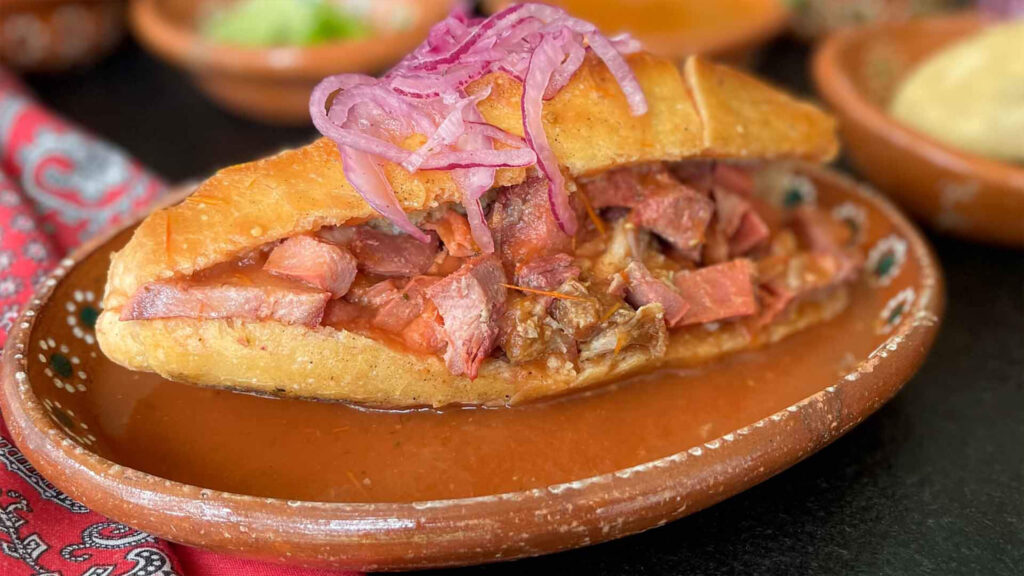
Perhaps the single most beloved street food specialty of the state of Jalisco. The torta ahogada (literally “drowned sandwich”) is a birote (a crusty sourdough roll unique to Guadalajara) stuffed with carnitas confit pork and then “drowned” in a fiery hot sauce made from dried chilies, tomato, vinegar, and spices. The original and correct way to eat a torta ahogada is from a plastic bag, standing at a street corner in Guadalajara. In Puerto Vallarta, you will find excellent versions at fondas (informal restaurants) and market stalls throughout the city. Simple, spicy, and utterly addictive.
Birria — The Stew That Conquered the World
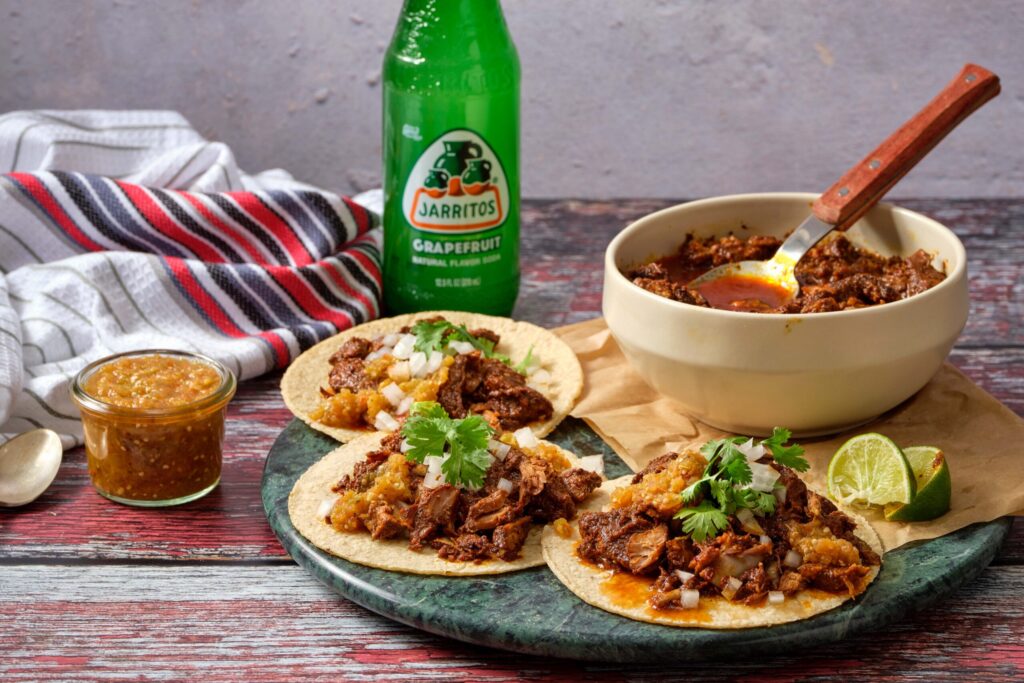
Originally a Jalisco goat stew, birria has become one of the most globally celebrated Mexican dishes of the past decade and its roots are right here in Puerto Vallarta’s home state. Seasoned beef (or goat) is slow-braised for hours in a preparation of dried chilies, spices, and salt, producing meat of extraordinary tenderness and depth. A tomato-based consommé is prepared from the cooking juices and served alongside for dipping. Some birria is cooked over direct heat in covered clay pots; some is cooked in covered underground pits. All versions are magnificent. The modern “birria taco” with its consommé for dipping has become an international phenomenon but nothing compares to the original in Jalisco.
Carnitas — Jalisco’s Copper Pot Masterpiece
Jalisco’s carnitas are among the finest in Mexico. Various cuts of pork shoulder, rib, belly, skin, and offal are slow-fried in enormous copper pots filled with lard and rendered fat, seasoned with orange, bay leaf, milk, Coca-Cola, and family secret ingredients, cooked for three to four hours until golden, crispy on the outside and impossibly tender within. Sunday is carnitas day in Jalisco. Markets and specialized carnitas restaurants fill with families ordering kilos to take home wrapped in paper for tacos.
Pozole Rojo Tapatío
Jalisco’s version of pozole — known as pozole Tapatío (from Tapatio, the demonym for Guadalajara) is cooked with pork, deeply colored with guajillo and ancho chilies, and served with the full array of garnishes. It is richer, meatier, and more robustly spiced than pozole from other regions. In Puerto Vallarta, dedicated pozolería restaurants serve this dish from midday through the early hours of the morning.
Tequila — Jalisco’s Liquid Ambassador
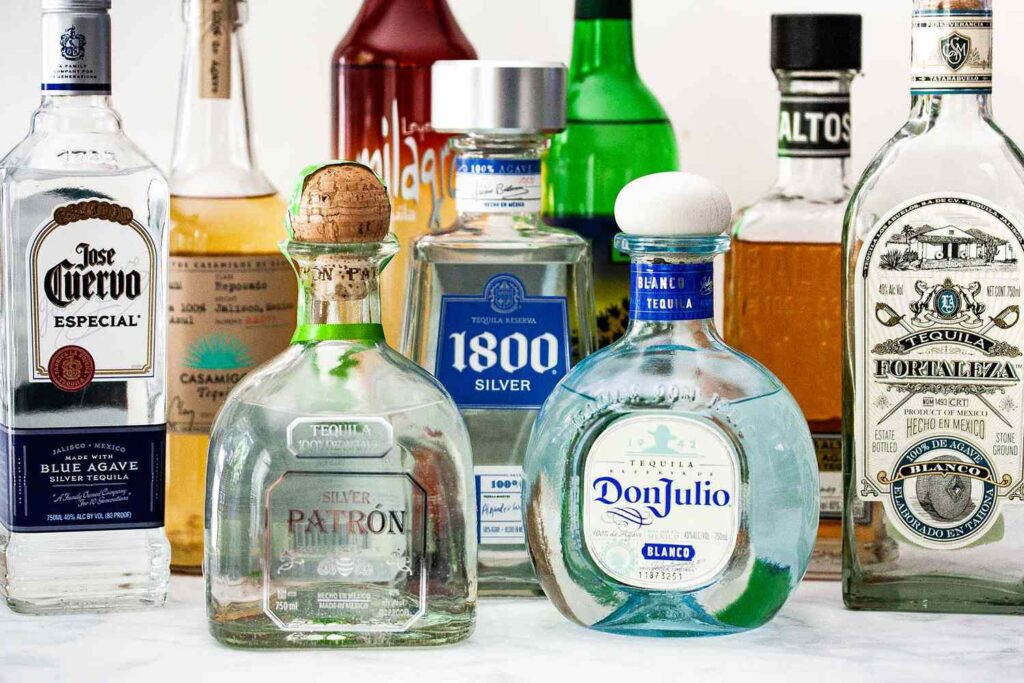
No discussion of Jalisco’s culinary heritage is complete without Tequila. The town of Tequila, just two hours from Puerto Vallarta, is where the blue agave spirit that bears its name was born. Beyond tourism, tequila is deeply woven into the food culture of Jalisco — paired with lime and salt as a ritual, used as a cooking ingredient in marinades and sauces, and present at every celebration. Read the full guide to The Real Town of Tequila, Mexico. https://promovisionpv.com/the-real-tequila-mexico-and-it-was-incredible/
Section 10 · Mexico’s Culinary Legacy
Mexico’s Gifts to World Cuisine: Ingredients That Changed the Planet
One of the most humbling realizations for any food-focused traveler in Mexico is just how many of the world’s most beloved ingredients originated here. Mexico is the birthplace of foods that have fundamentally transformed global cuisine and each one carries thousands of years of human cultivation and refinement behind it.
Origin
Corn (Maíz)
Domesticated in Mexico over 10,000 years ago from a wild grass called teosinte. Today, corn feeds more people worldwide than any other grain. The primary base for most Mexican food preparations tortillas, tamales, pozole, atole, chicha — and an irreplaceable element of global agriculture.
Origin
Cacao (Chocolate)
The cacao tree is native to Mesoamerica, where it was cultivated for at least 4,000 years. The Aztecs used cacao beans as currency and prepared a bitter, spiced ceremonial drink called xocolātl. Without Mexico, there is no chocolate — and without chocolate, the world’s dessert landscape is almost unimaginable.
Origin
Vanilla
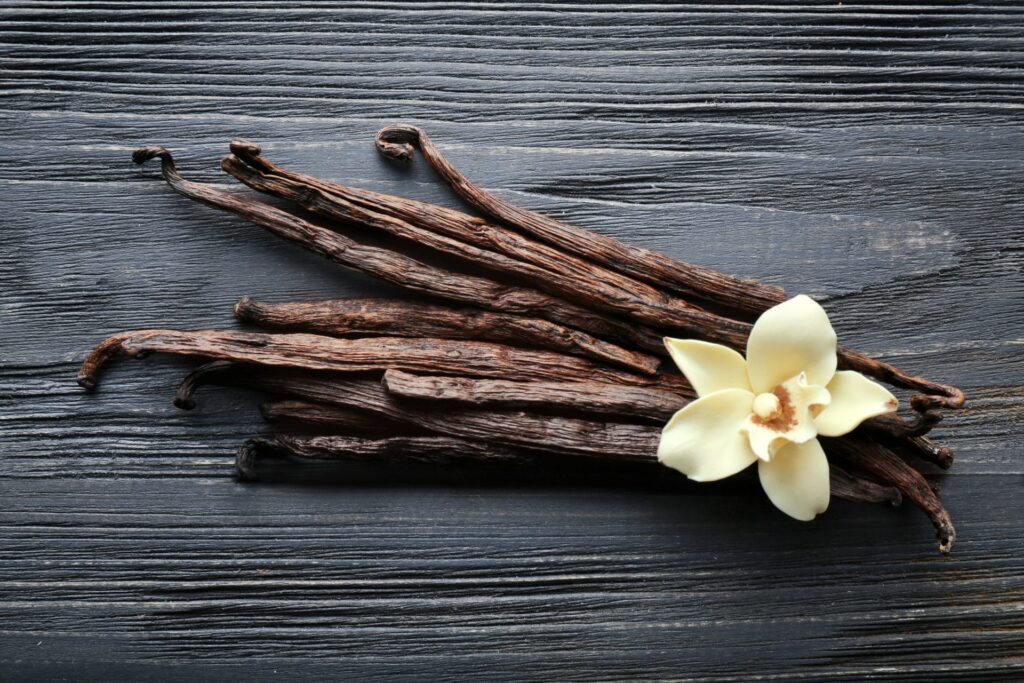
Native to the Totonac people of Veracruz, Mexico, vanilla orchid (Vanilla planifolia) is the world’s most beloved flavoring after saffron. The Aztecs added vanilla to their royal chocolate drinks. Today, it is a staple in bakeries, ice cream shops, and pastry kitchens across the entire globe.
Origin
Avocado
Cultivated in Mexico for at least 5,000 years. The name comes from the Nahuatl word āhuacatl. Today, Mexico remains the world’s largest producer and exporter of avocados. The heart of guacamole, a growing global food obsession, and a key ingredient in countless Pacific Coast seafood dishes.
Origin
Chili Peppers
Originating in Mexico and Central America, chili peppers now provide heat and flavor to cuisines across Asia, Africa, Europe, and the Americas. Over 60 varieties of chili are native to Mexico alone. Without Mexican chilies, there is no Thai food, no Indian curry, no Korean kimchi, no Sichuan cuisine.
Origin
Tomatoes
Native to Central and South America but first extensively cultivated in Mexico, the tomato became one of the most globally important vegetables after Spanish explorers brought it to Europe in the 16th century. Without the Mexican tomato, there is no Italian marinara, no Spanish gazpacho, no French sauce provençale.
Also From Mexico: Pumpkin, Squash, Sweet Potatoes, Papaya, Guava, Jicama, and the Caesar Salad.
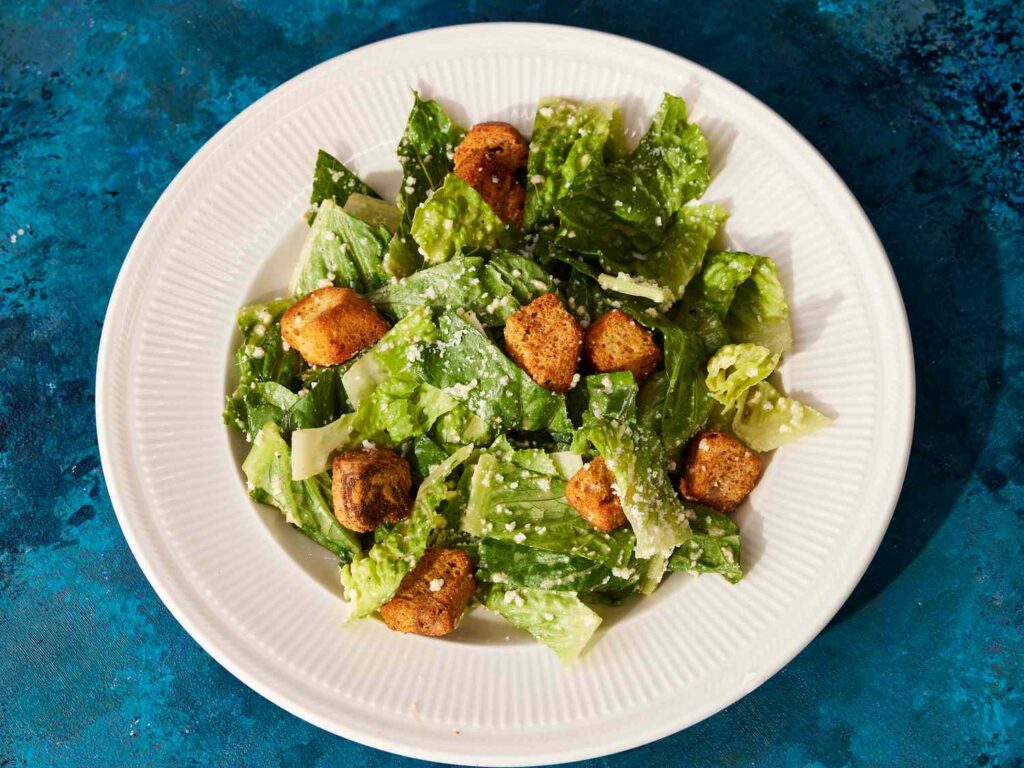
Pumpkin seeds, squash, sweet potatoes, papaya, guava, and jicama all originate from Mexico or Central America. And yes, the Caesar salad was invented in Tijuana, Mexico in 1924 by Italian-Mexican restaurateur Caesar Cardini. Mexico’s contribution to global gastronomy is incalculable and ongoing.
Section 11 · Puerto Vallarta Dining
Where to Eat in Puerto Vallarta: Neighborhoods, Restaurants & Tips
Puerto Vallarta is a dining destination in its own right a city where outstanding food exists at every budget and in every neighborhood. Understanding the city’s culinary geography will help you find the best Mexican food in Puerto Vallarta without wasting a single meal on tourist traps.
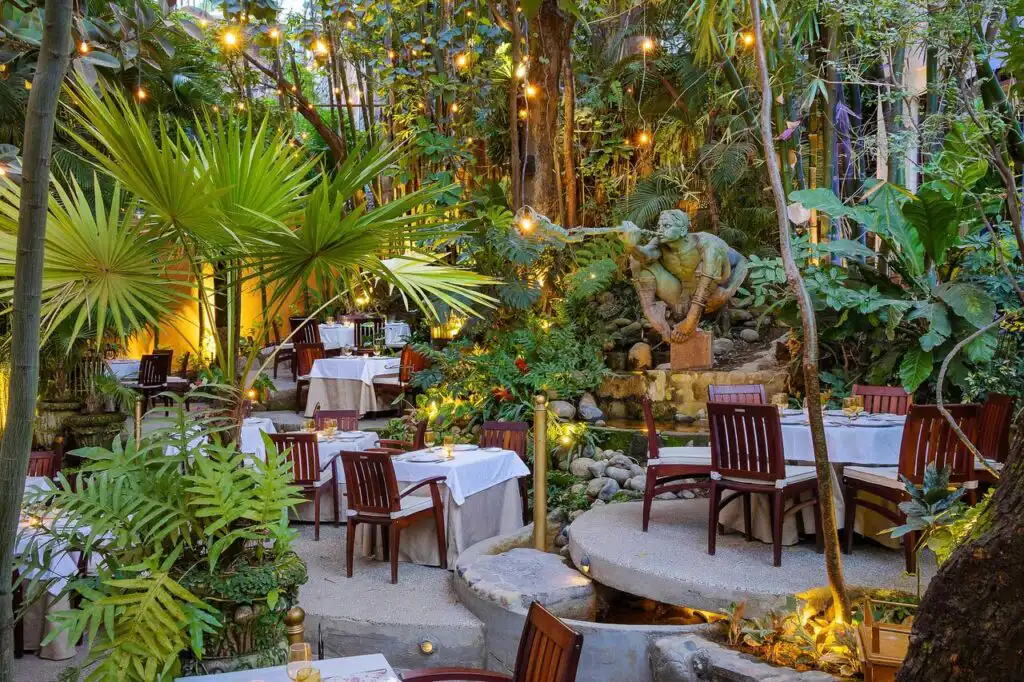
Zona Romántica (Old Town / South Side)
The Romantic Zone is Puerto Vallarta’s historic heart and its most concentrated area of excellent restaurants, taco stands, marisquerías, and street food vendors. The streets around Calle Basilio Badillo, known locally as “Restaurant Row” offer everything from traditional Mexican breakfasts to upscale Pacific Rim fusion. This is the best area for beach-view seafood restaurants on the Playa Los Muertos strip, for late-night tacos al pastor, and for exploring the Puerto Vallarta morning market experience.
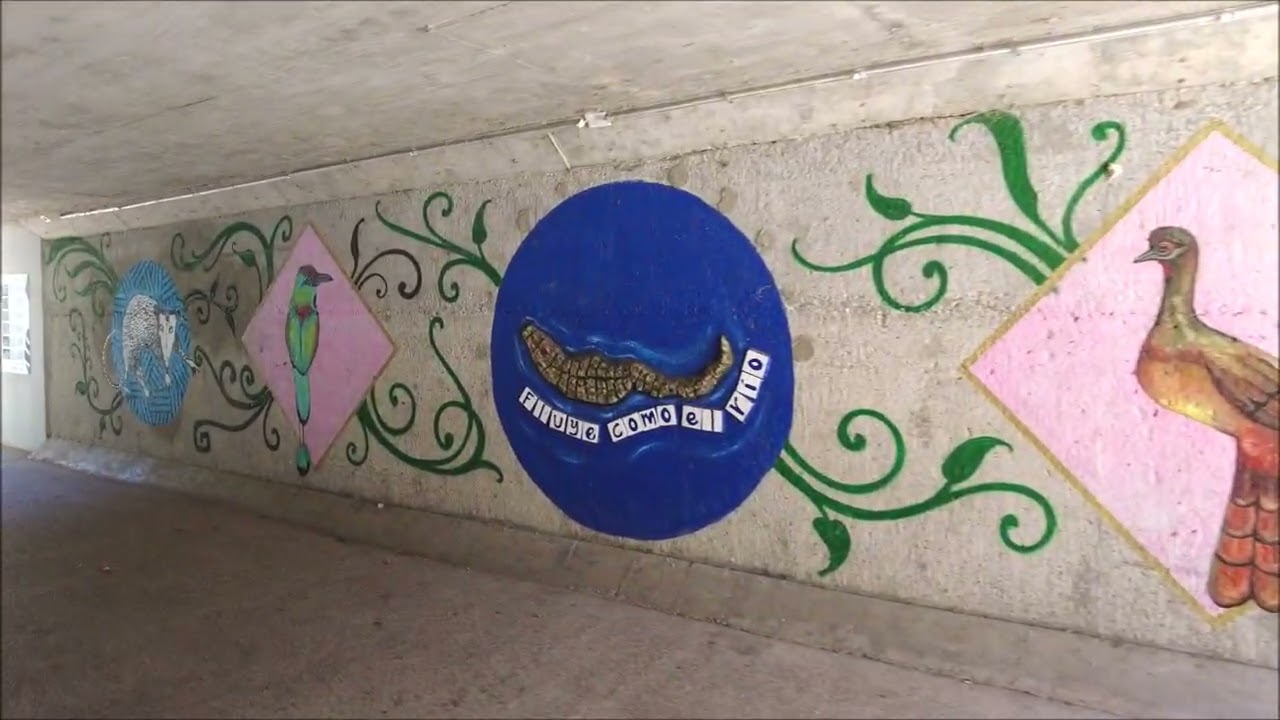
Versalles — Puerto Vallarta’s New Gourmet Hub
The Versalles neighborhood has emerged in recent years as Puerto Vallarta’s most exciting new culinary destination — a hub of innovative restaurants, gourmet taquerías, international cuisine, and creative chefs pushing the boundaries of Jalisco’s food traditions. If you want to experience where Puerto Vallarta’s food scene is heading, Versalles is where to go. Read the full Versalles neighborhood restaurant guide.
The Malecon & Centro
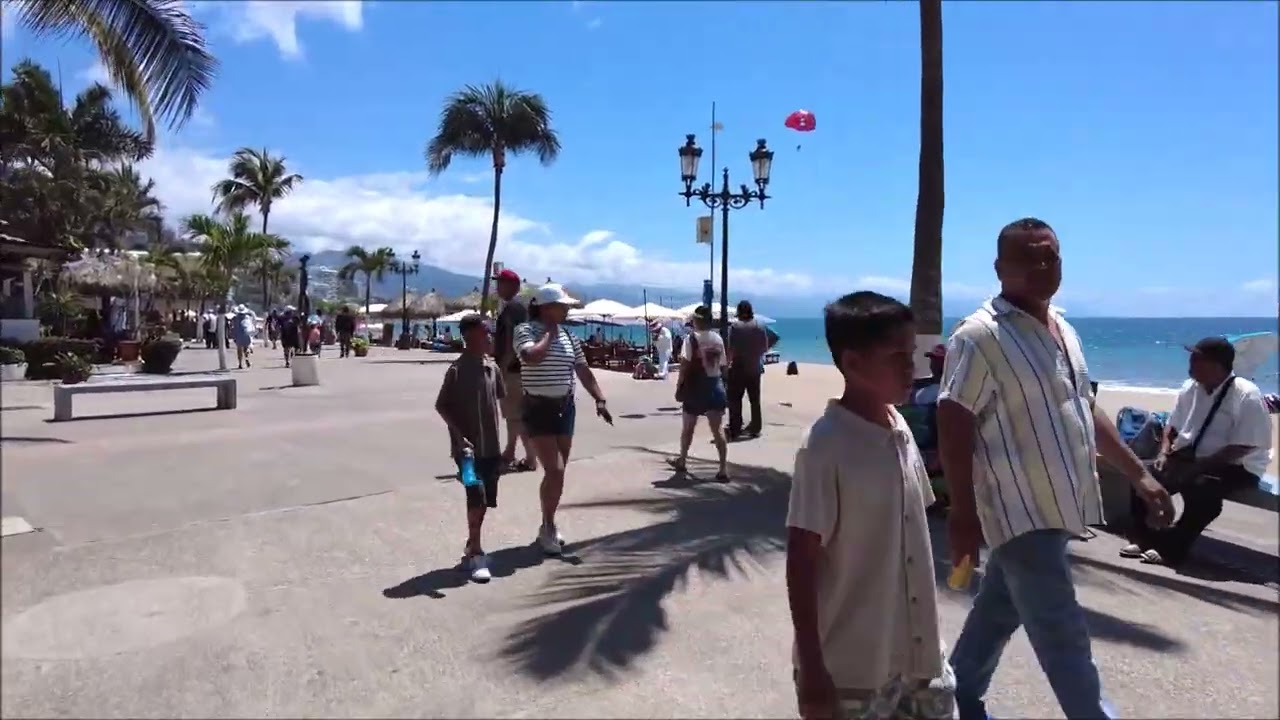
Puerto Vallarta’s iconic beachfront boardwalk, the Malecon, is lined with restaurants offering everything from casual seafood to elegant fine dining with ocean views. The Centro area around the Church of Our Lady of Guadalupe has numerous traditional Mexican fondas, family-run taquerías, and market stalls serving authentic local food to residents and savvy visitors alike.
Beach Clubs & Palapa Restaurants
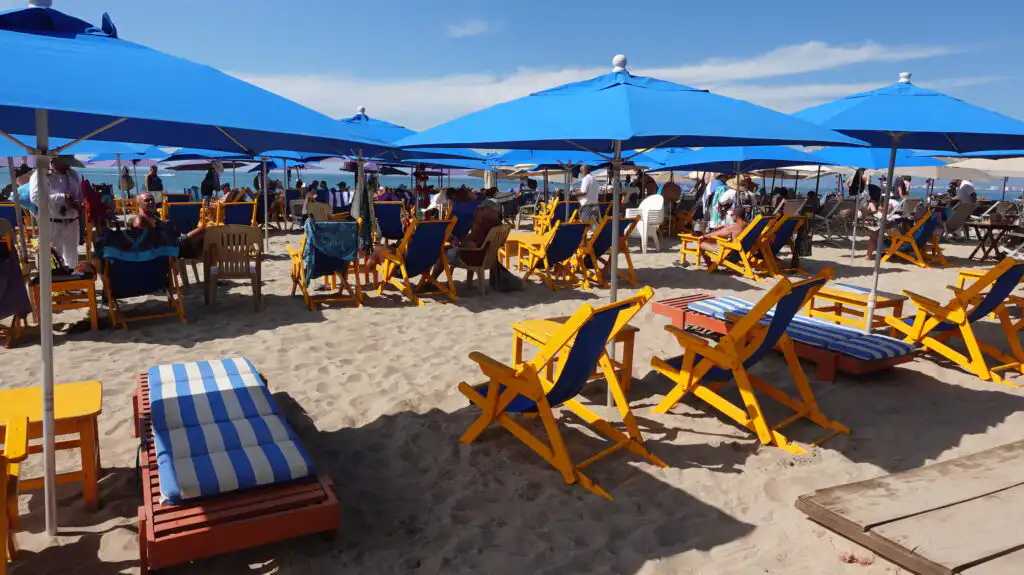
For the quintessential Puerto Vallarta seafood experience, nothing beats a beachside palapa restaurant a thatched-roof open-air restaurant on the sand, where you eat with your toes in the sand, watch the Pacific roll in, and eat the freshest fish tacos and ceviche of your life accompanied by a frozen margarita. The beaches of Conchas Chinas, Los Arcos, and Boca de Tomatlán offer this experience in its most authentic form.
Tips for Eating Authentically in Puerto Vallarta
1- Eat where locals eat. If a restaurant has a printed English menu posted outside and a host flagging down tourists, it is probably not your best option. Follow the smell of the grill and the sound of Spanish.
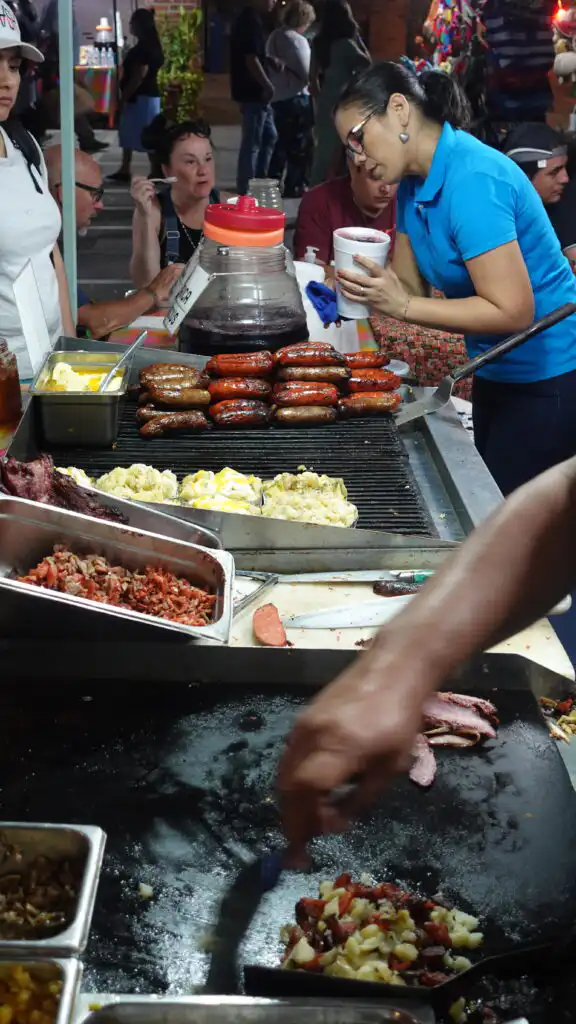
2- Ask your hotel’s cleaning staff or kitchen team. They always know the best taco stands within walking distance.
3- Respect the morning. Birria tacos, chilaquiles, and tamales are morning foods. Don’t sleep through the best breakfast of your trip.
4- Eat the daily special. Any traditional restaurant will have a comida corrida — a set lunch menu with soup, main course, rice, beans, tortillas, and a drink for a fraction of the à la carte price. These are often the best meals in any Mexican restaurant.
5- Trust the street stands. The longest lines at the most basic-looking stands usually indicate the best food in the neighborhood. Volume means freshness. Freshness means quality.
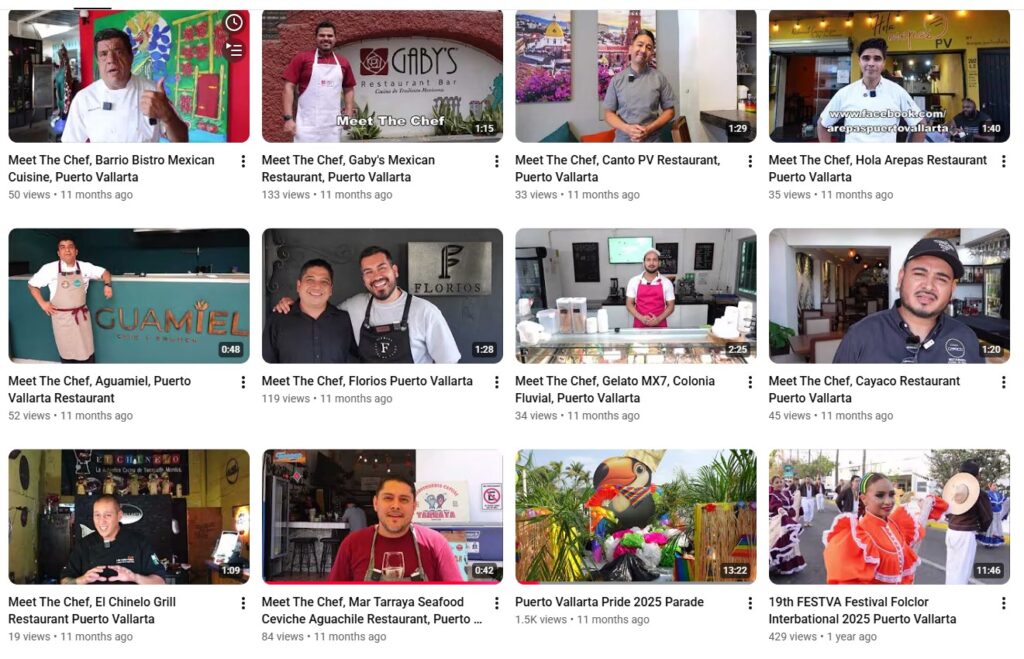
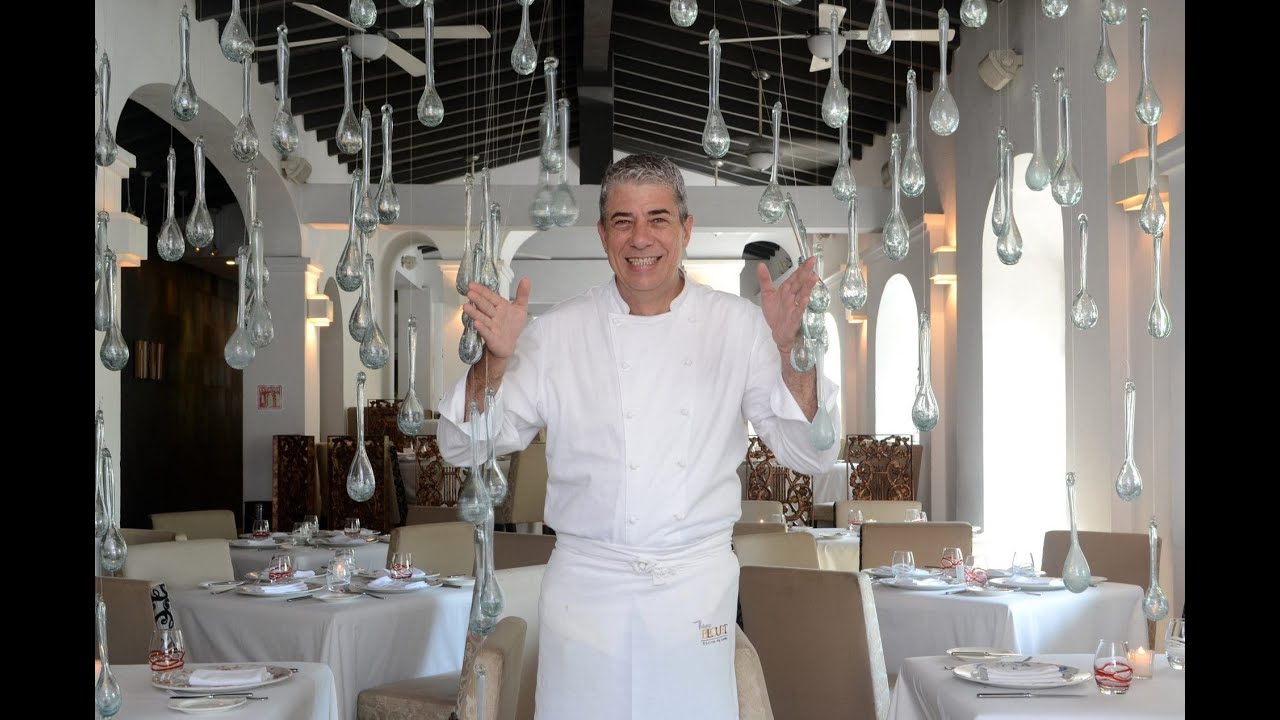
➤ Chef Profiles: Meet the Chefs — Puerto Vallarta’s Best Restaurant Chefs https://promovisionpv.com/meet-the-chefs-puerto-vallarta-restaurants/
➤ Gourmet Scene: Mexican Food & Gastronomy Puerto Vallarta — Complete Guide https://promovisionpv.com/mexican-food-gastronomy-puerto-vallarta/
Plan Your Visit
Section 12 · Puerto Vallarta Travel Guide
Plan Your Puerto Vallarta Food Trip: Everything You Need to Know
Puerto Vallarta is one of the most popular vacation destinations in the world — and increasingly, food travelers are choosing it not just for its spectacular beaches and warm Pacific waters, but for its extraordinary culinary depth. A food trip to Puerto Vallarta in 2026 means exploring one of Mexico’s most dynamic, diverse, and delicious dining scenes, from sunrise chilaquiles to midnight tacos, from market ceviche to award-winning restaurant tasting menus.
Must-Do
Take a Puerto Vallarta Food Tour
The best way to truly understand the city’s food culture is on a guided food tour through the Romantic Zone and local markets. A knowledgeable local guide will take you to the hidden gems the taco stand that has been run by the same family for 40 years, the market stall that makes the city’s best chilaquiles, the marisquería tucked off the tourist trail that serves the finest aguachile in Jalisco.
Must-Do
Visit the Local Markets
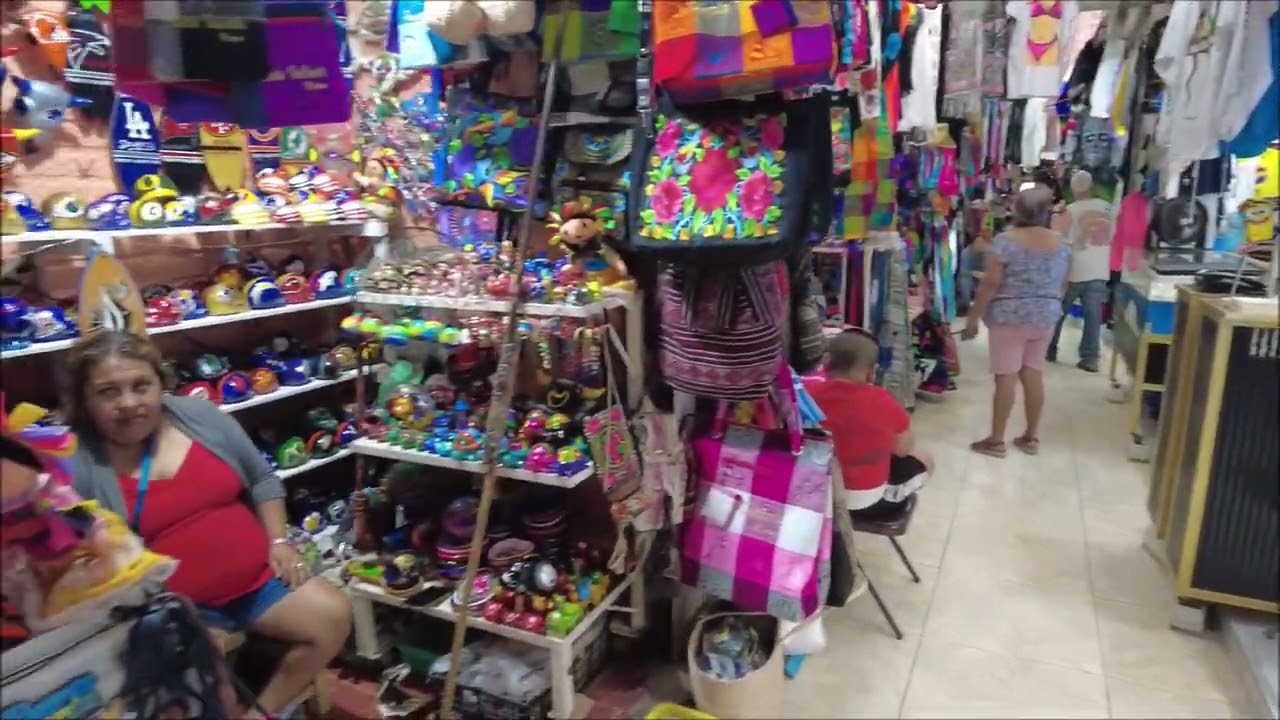
Puerto Vallarta’s covered markets, including the Mercado Municipal Río Cuale and the Mercado de Artesanías, are living food environments where you can try regional specialties, buy fresh spices and chiles, watch tamales being made by hand, and eat at the fondas inside for an authentic and deeply affordable Mexican lunch.
Must-Do
Eat at a Beachside Marisquería
Reserve a table (or just show up) at one of the palapa restaurants along Playa los Muertos or south toward Boca de Tomatlán. Order the ceviche, the aguachile, the pescado zarandeado, and a michelada. Eat slowly. Watch the Pacific. This is the Puerto Vallarta food experience at its most essential and unforgettable.
Must-Do
Explore the Versalles Food Scene
Spend an evening walking the streets of the Versalles neighborhood, hopping between innovative restaurants and street-food stands. Puerto Vallarta’s Versalles dining guide will show you exactly where to go and what to order in the city’s most exciting culinary neighborhood.
Key Travel Information for Puerto Vallarta
Location: Puerto Vallarta, Jalisco, Mexico — located on the Pacific Coast of Mexico, on the shores of Banderas Bay.
How to Get There: Puerto Vallarta International Airport (PVR) offers direct flights from major cities across the United States, Canada, and Mexico. The airport is just 15 minutes from the city center.
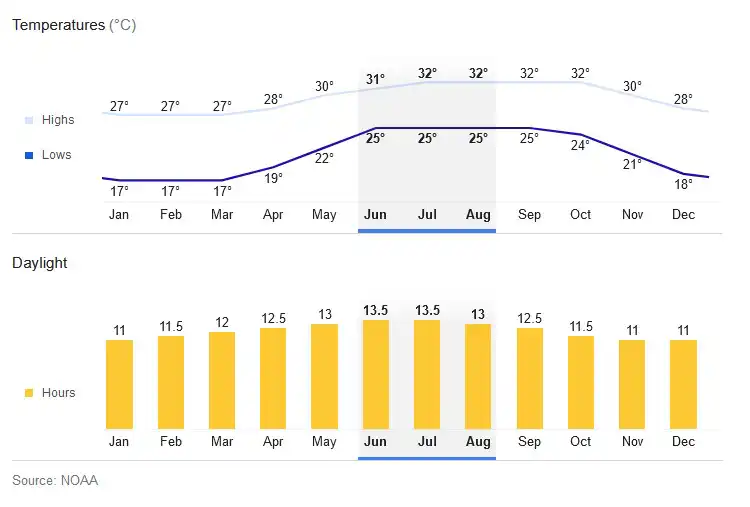
Best Time to Visit for Food: Year-round. Seafood quality peaks during summer shrimp season (July–September). The International Gourmet Festival typically takes place in November, bringing world-class chefs to Puerto Vallarta’s finest restaurants.
Budget: Puerto Vallarta offers extraordinary value for food travelers. A street taco costs 15–30 pesos. A full seafood lunch at a beach palapa runs 300–500 pesos. Upscale restaurant tasting menus range from 800–2,500 pesos. You can eat extraordinarily well on any budget.
Language: Spanish is the primary language. In tourist areas, menus are often bilingual. Learning even five or six Spanish food terms will dramatically improve your experience and earn you genuine appreciation from restaurant staff.
“Puerto Vallarta is not about perfection, it is about connection. At PromovisionPV.com, our goal is to help travelers avoid generic experiences and discover the city as it truly exists.”

Explore Puerto Vallarta —
Full Travel Guide FYI Puerto Vallarta — https://promovisionpv.com/fyi/
Practical Tips Riviera Nayarit Guide → https://promovisionpv.com/riviera-nayarit-2/
Read More on PromovisionPV
Keep Exploring
Related Articles & Deep Dives
We provide information and resources for visitors to Puerto Vallarta, areas of The Riviera Nayarit and other destinations in both states of Jalisco and Nayarit . You will find variety of content, including articles, blog posts, videos, photos, descriptions and interviews, all of which are designed to help visitors plan their trip, including attractions, restaurants, and events. Follow: https://promovisionpv.com/
Mexican Cuisine
Mexican Cuisine is More Than Just Food — Discover the Flavors of Mexico https://promovisionpv.com/mexican-cuisine-is-more-than-just-food/
Gastronomy Guide
Mexican Food & Gastronomy Puerto Vallarta — Complete Overview https://promovisionpv.com/mexican-food-gastronomy-puerto-vallarta/
Taco Guide
Know Your Tacos in Puerto Vallarta — The Essential Taco Directory https://promovisionpv.com/know-your-tacos-in-puerto-vallarta/
Ingredients
Base Ingredients of The Mexican Cuisine — What Makes It Great https://promovisionpv.com/base-ingredients-of-the-mexican-cuisine/
Seafood
What is Ceviche and Aguachile? — Chef Eduardo’s Guide https://promovisionpv.com/what-is-ceviche-and-aguachile/
Iconic Dish
What is Mole? Mexico’s Most Complex and Celebrated Sauce https://promovisionpv.com/mexican-cuisines-iconic-dish-what-is-mole/
Traditional Food
About Tamales — Mexican Cuisine in Puerto Vallarta https://promovisionpv.com/about-tamales-mexican-cuisine-puerto-vallarta/
Street Food
Street Food Puerto Vallarta & the Bay of Banderas — Full Guide https://promovisionpv.com/street-food-is-very-numerous-and-varied-in-puerto-vallarta-and-around-the-bay-of-banderas/
Restaurants
Versalles — The NEW “In” Neighborhood & Restaurant List, Puerto Vallarta https://promovisionpv.com/versalles-the-new-in-neighborhood-restaurant-list-puerto-vallarta/
Chefs & Dining
Meet the Chefs — Puerto Vallarta’s Best Restaurant Chefs https://promovisionpv.com/meet-the-chefs-puerto-vallarta-restaurants/
Day Trip
The REAL Town of Tequila, Mexico — An Incredible Experience https://promovisionpv.com/the-real-tequila-mexico-and-it-was-incredible/
Travel Guide
PromovisionPV.com — Puerto Vallarta & Riviera Nayarit #1 Travel Guide
Authoritative External Resources
For further reading on Mexican gastronomy and its global recognition:
UNESCO — Traditional Mexican Cuisine: Intangible Cultural Heritage (Official Listing) https://ich.unesco.org/en/RL/traditional-mexican-cuisine-ancestral-ongoing-community-culture-the-michoacan-paradigm-00400
Visit Mexico — Official Mexican Gastronomy Guide https://www.visitmexico.com/en/gastronomy
Condé Nast Traveler — Puerto Vallarta Destination Guide https://www.cntraveler.com/destinations/puerto-vallarta
PromovisionPV YouTube Channel — 220+ Puerto Vallarta & Riviera Nayarit Videos https://www.youtube.com/@promovision/videos
Discover More at PromovisionPV.com
Puerto Vallarta’s #1 independent travel guide, over 1,000 pages of honest, local knowledge about Puerto Vallarta, the Riviera Nayarit, and the state of Jalisco. No ads. No tourist traps. Just real travel information.
Visit PromovisionPV.com →
Puerto Vallarta https://promovisionpv.com/puerto-vallarta/
Riviera Nayarit https://promovisionpv.com/riviera-nayarit-2/
FYI PV https://promovisionpv.com/fyi/
Guadalajara https://promovisionpv.com/other-destinations/guadalajara/
Tequila Town https://promovisionpv.com/other-destinations/tequila/
Sayulita https://promovisionpv.com/sayulita-2/
Bucerias https://promovisionpv.com/bucerias/
Punta Mita https://promovisionpv.com/punta-mita-2/
YouTube Channel https://www.youtube.com/promovision/videos
Instagram https://instagram.com/promovisionpv/
We provide information and resources for visitors to Puerto Vallarta, areas of The Riviera Nayarit and other destinations in both states of Jalisco and Nayarit . You will find variety of content, including articles, blog posts, videos, photos, descriptions and interviews, all of which are designed to help visitors plan their trip, including attractions, restaurants, and events. Follow: https://promovisionpv.com/
Advertise with Us
© PromovisionPV.com — Travel Guide Jalisco & Riviera Nayarit · Puerto Vallarta, Mexico · All Rights Reserved Mexican food culture, tacos Puerto Vallarta, seafood Mexico, Mexican gastronomy, Puerto Vallarta travel guide 2026